
VLA Model
9 related stories
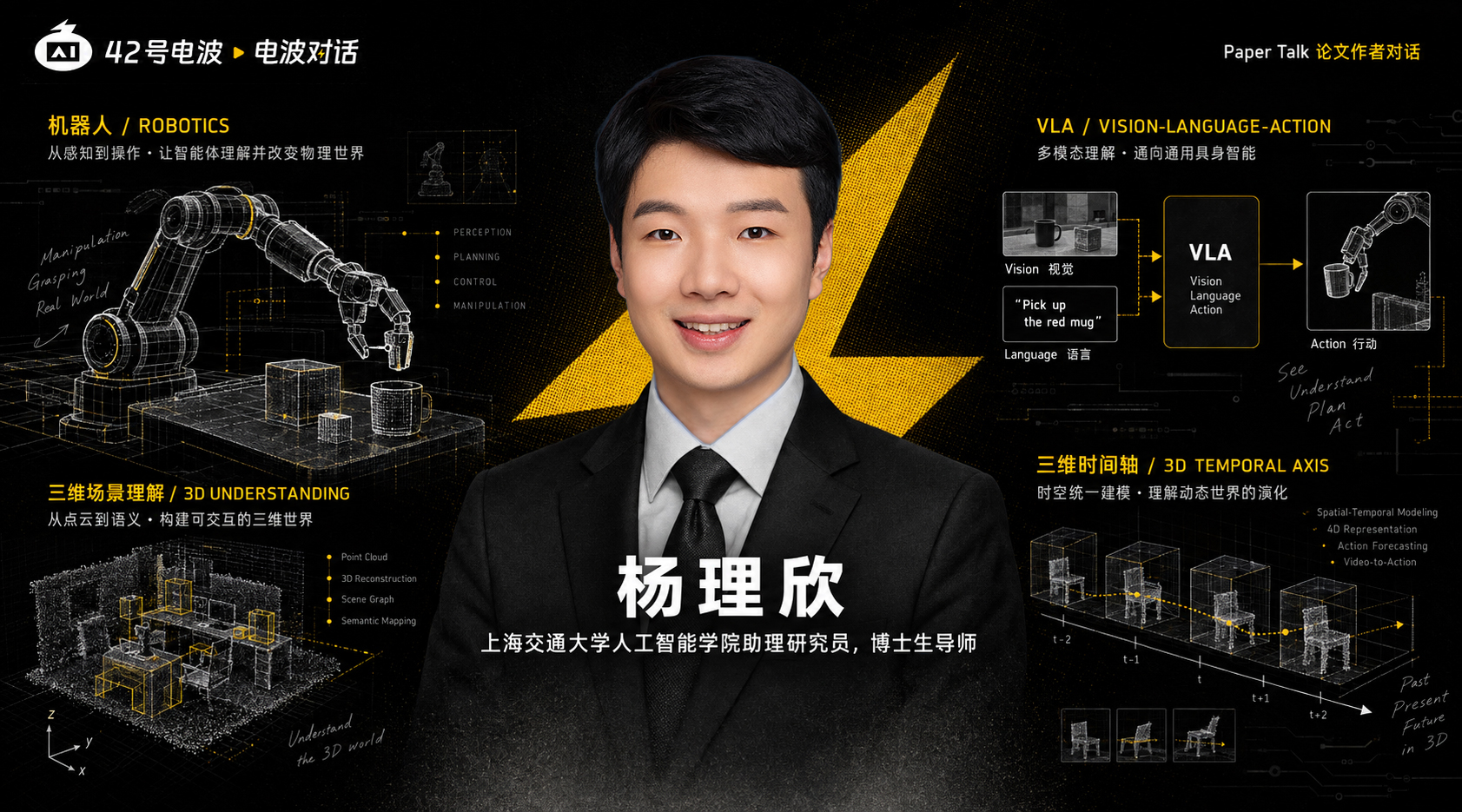
Interview with Shanghai Jiao Tong University’s Yang Lixin: Why Robots Need a '3D Timeline'
Shanghai Jiao Tong University assistant researcher Yang Lixin discusses how LaMP, ChronoFlow-Policy, and Track4Action integrate 3D point flow to give robots spatial awareness, temporal memory, and understanding of environmental changes.
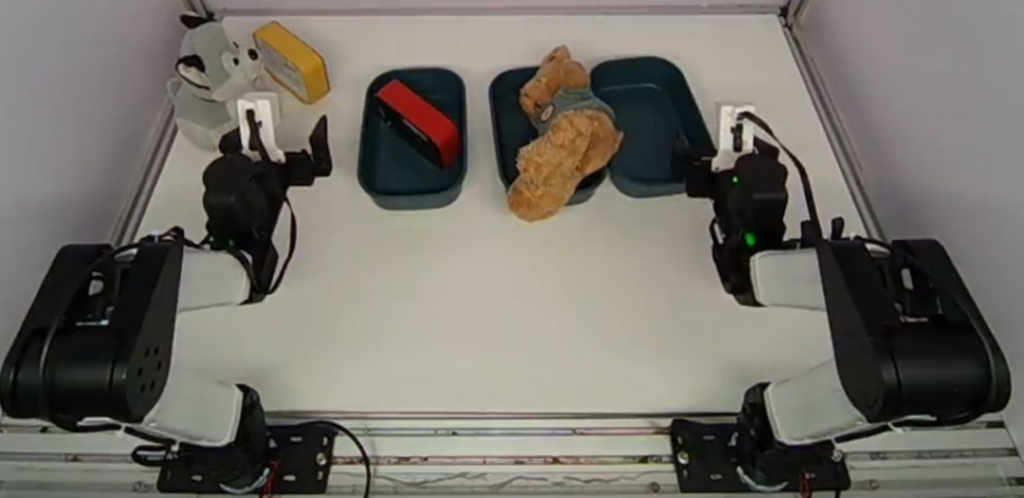
KEMO: Equipping VLA with a 'Memory Plugin' Boosts Long-Horizon Task Performance by 23.6%
XDOF releases KEMO, an event-driven keyframe memory plugin for VLA models that improves long-horizon manipulation success rates by 23.6% without retraining the base model.
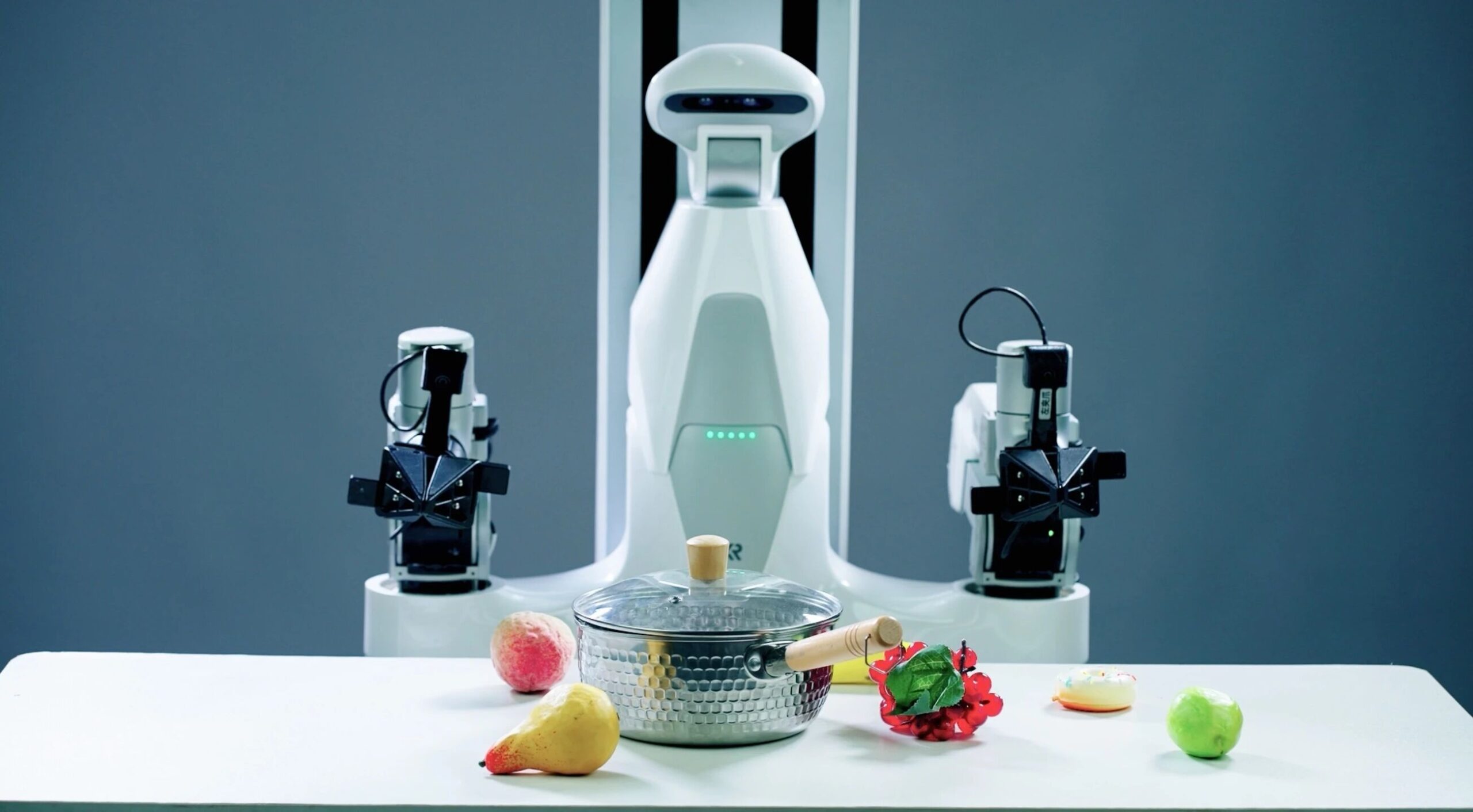
Can VLA Models Finally Do Away with Post-Training? Self Variable's Open-Source WALL-OSS-0.5 Deploys Directly from Pre-training
Self Variable Robotics has open-sourced WALL-OSS-0.5, an Embodied AI foundation model that achieves strong zero-shot generalization on real robots directly after pre-training, challenging the industry norm that VLA models require post-training for deployment.
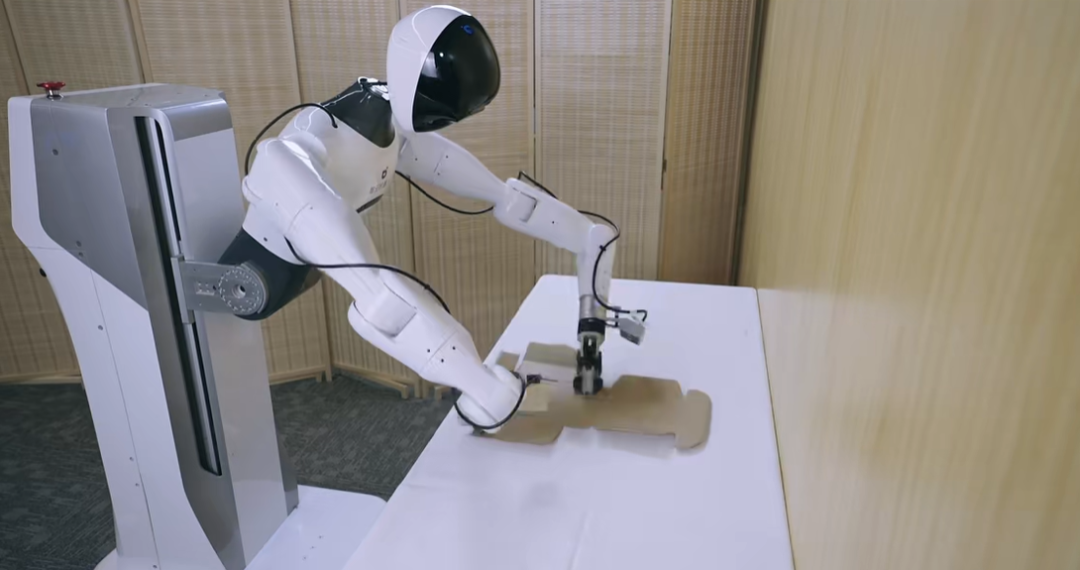
Think While Doing or Think Before Acting? Zhiyuan Robot's GO-2 Model Provides the Answer
Zhiyuan Robotics released its next-generation VLA foundation model, Genie Operator-2 (GO-2), introducing 'Action Chain of Thought' and an 'Asynchronous Dual-System' architecture to address the long-standing gap between perception and execution in robotics.
30 Days, 3 Billion RMB in Financing: What’s Behind This 10-Billion-Valuation Robot Startup?
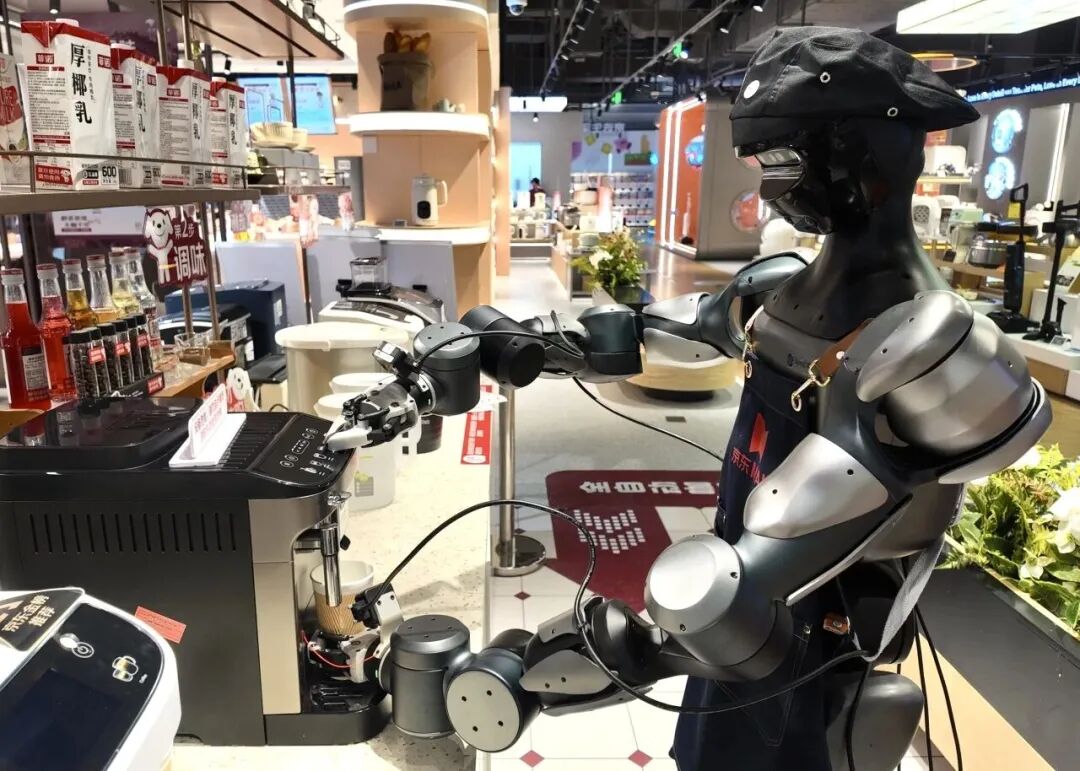
In just 30 days, Embodied AI company Qianxun Intelligence secured another 1 billion RMB, bringing its total financing to 3 billion RMB. With a valuation exceeding 10 billion RMB less than two and a half years after its founding, the company is accelerating its growth through a unique data-driven VLA model approach.

Xingdong Era Closes Nearly 1 Billion RMB Series A+ Round; Stanford Team Unveils Home Robot Memo; π*0.6 Model Breakthrough | Radio Weekly
Xingdong Era secures nearly 1 billion RMB in Series A+ funding for its VLA embodied AI model. Meanwhile, the Stanford-founded startup Sunday launches home robot Memo, and PI's π*0.6 model achieves a breakthrough in Visual-Language-Action (VLA) capabilities.
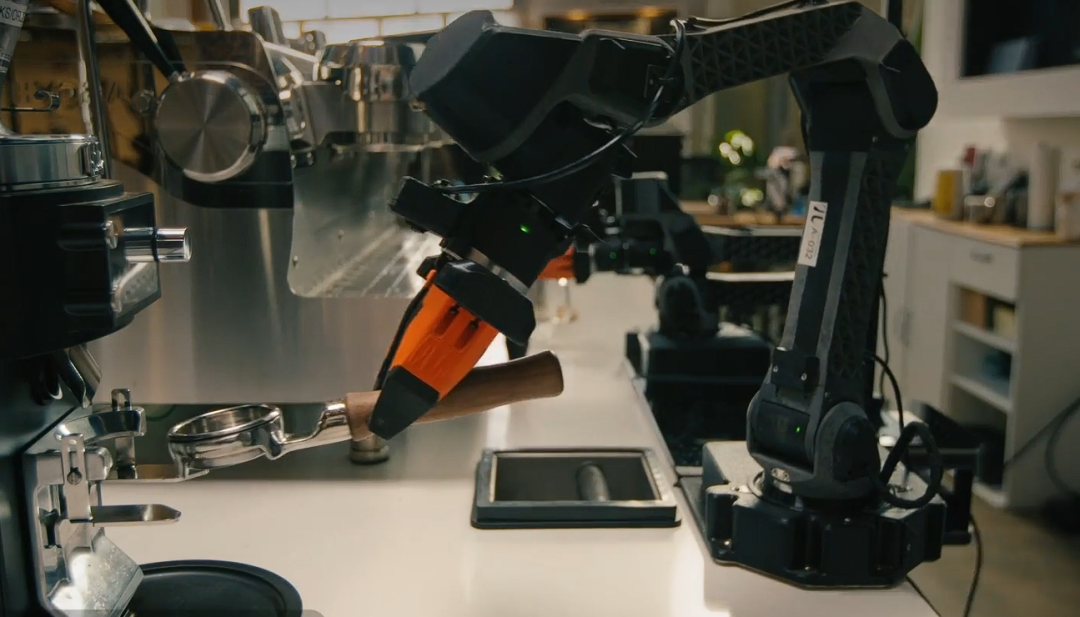
The Dawn of Robot VLA: The π*0.6 Model May Make Coffee Shops Staff-Free
Physical Intelligence (PI) released the π*0.6 model, using a novel 'Recap' training method to help Visual-Language-Action (VLA) models break through imitation learning bottlenecks.
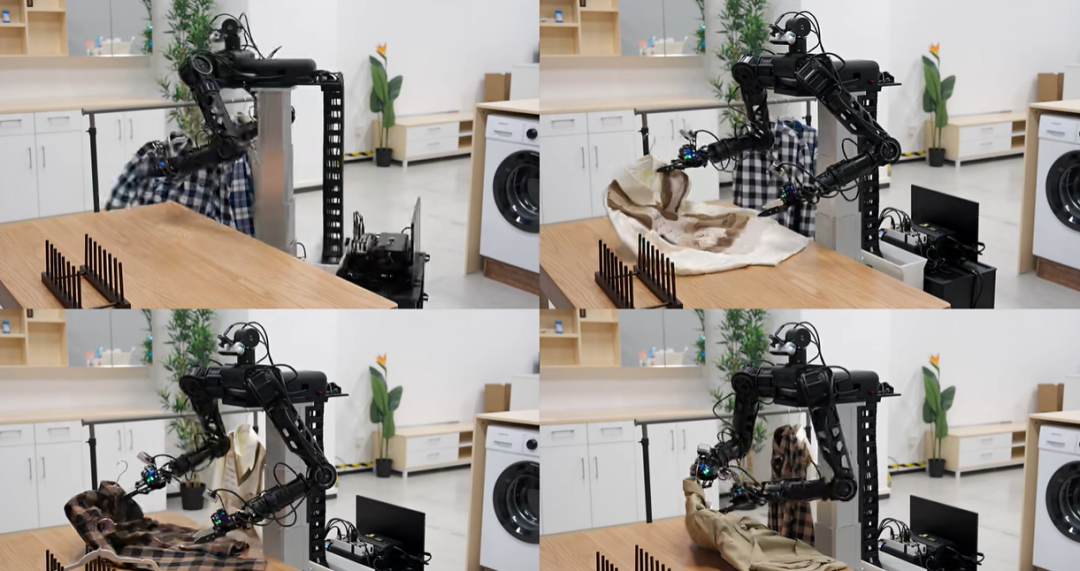
ByteDance Unveils New VLA Model, Companion Robot Becomes a Household Helper
ByteDance Seed team releases GR-3 VLA model and ByteMini robot, featuring high generalization, long-horizon task handling, and flexible object manipulation.

Daily Average of One Financing Deal: The Crazy July for Embodied AI and the Signals Behind It
In the first half of July, domestic embodied AI sector saw 16 financing deals totaling over 3 billion yuan. Capital is shifting from large language models to embodied AI, driven by the rise of VLA models and the strategic push into physical world interaction.