

Meta and Fourier Develop Humanoid Robot Prototype Codenamed Max
By Jiang Si Qi
According to The Information, Meta and Chinese robotics company Fourier have jointly developed a humanoid robot prototype codenamed Max, with development of a second-generation Max 2 underway since September 2026.
Around October 31, The Information reported, citing sources familiar with the matter, that Meta has co-developed a humanoid robot prototype with the Chinese robotics company Fourier. The prototype, internally codenamed Max, has led to the launch of development for its second generation, Max 2, in September 2026. Chinese media outlets including IT Home, Titanium Media, and Dudong AI Era followed up with reports on November 1. A Reuters brief on the same day stated that it could not immediately verify the report.
According to the reports, the two parties co-developed Max in approximately three months. The prototype stands about 1.5 meters tall and weighs approximately 48 kilograms (about 106 pounds). It is powered by an NVIDIA Jetson Thor chip and features a dedicated motion control software platform.
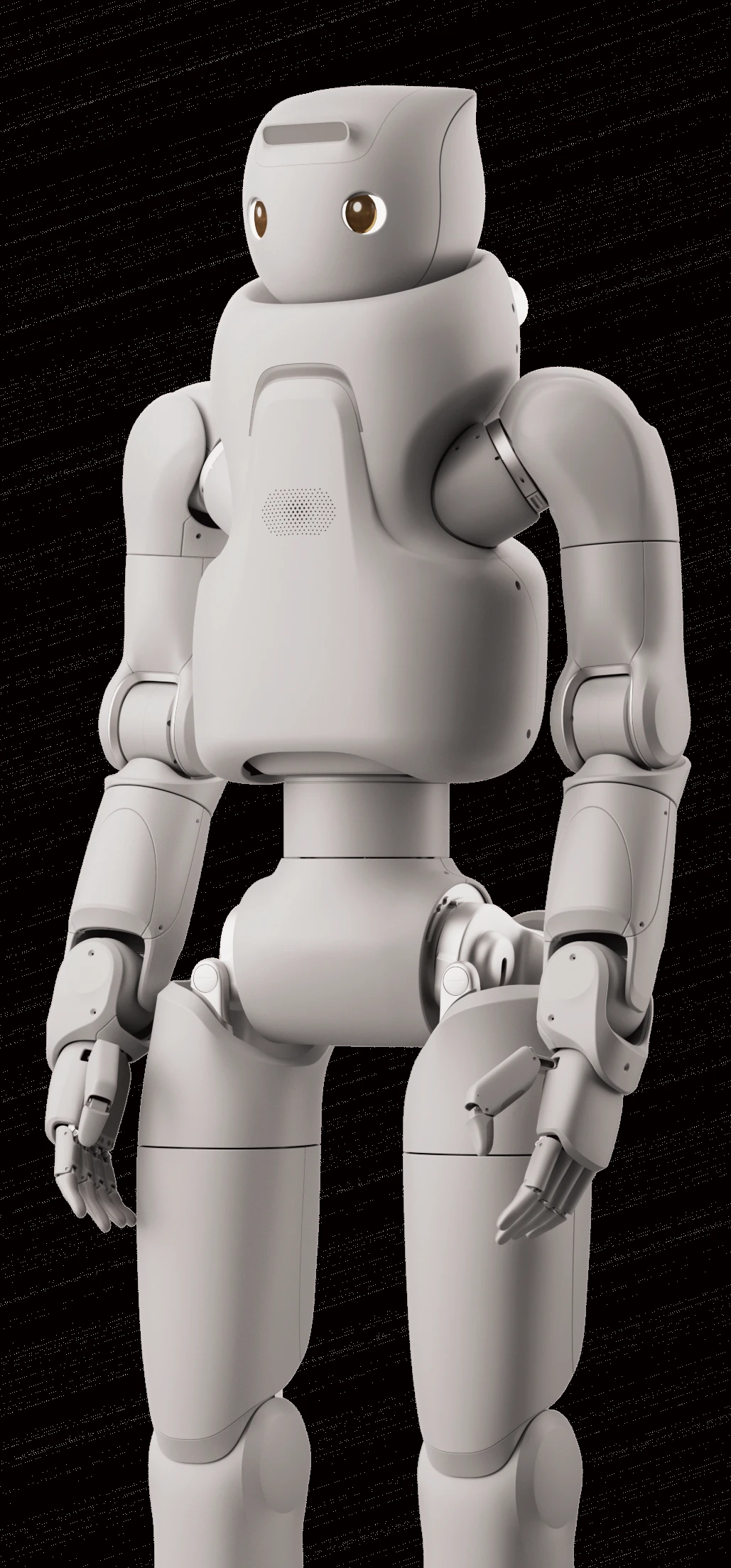
On the hardware side, reports indicate that Max features a facial display capable of simulating human expressions, dual speakers built into its chest, and a five-fingered robotic hand that can grasp small objects such as bottles and toys. The hardware foundation is derived from the first three generations of Fourier's robot product line. Building on this base, the two parties customized the height proportions, head design, display, and cameras, and added new hand and foot modules.
According to The Information, Li-Chen Miller, Vice President of Robotics Products at Meta, was stationed at Fourier's Shanghai factory for nearly two months to collaborate with the team on advancing the prototype's development. Max made its first physical demonstration at an internal Meta robotics summit in late August 2026.
Development of the second-generation prototype, Max 2, began in September 2026. The new version is planned to restructure the torso, optimize the hand mechanism to improve manipulation precision, and add a projector for visual content output. It will also be equipped with additional sensors to enable stair-climbing capabilities.
Dudong AI Era, citing Wall Street CN, reported that Meta CTO Andrew Bosworth internally positioned this humanoid robot as the "physical embodiment" of Muse, a consumer AI agent. The goal is to deploy it in home environments to perform various practical tasks.
The accompanying home interaction specifications include recognizing human voices within a 5-meter range, interpreting gestures from 3 meters away, and maintaining eye contact. The robot can also distinguish between different states, such as listening, thinking, speaking, and hesitating, through state feedback.
Meta told The Information that its collaboration with Fourier Intelligence is strictly for internal research and experimentation, and there are no current plans to sell the robot externally. Sources familiar with the matter revealed that the project's long-term goal is to launch a mature consumer product, though a release timeline has not yet been finalized. Citing sources, Dudong AI Era noted that a Meta spokesperson also mentioned the industry-wide challenge of "difficulty in readily sourcing relevant components within the United States," adding that the current collaboration with Fourier remains focused on internal R&D.
According to job postings obtained by The Information, Meta is hiring supplier development engineers in Shanghai to support the entire workflow from prototype to mass production. Meanwhile, its Meta Robotics Studio in Shenzhen is recruiting product design engineers and technical project managers to oversee prototype development, project planning, and mass production execution.
On the personnel front, the publication Dongdu AI reported that Marc Whitten, former CEO of Cruise—General Motors' autonomous driving subsidiary—departed Meta in late August 2026, roughly 18 months after joining. Following his departure, Ning Li was appointed interim head of the Meta Robotics Studio, reporting directly to Bosworth. Reports indicate that since taking over the division, Bosworth has been deeply involved in driving the robotics projects forward.
For additional context: Meta acquired the robotics AI software startup Assured Robot Intelligence in May 2026, integrating its team into Meta Superintelligence Labs. In August 2025, Fourier Intelligence launched the GR-3 humanoid robot, which is designed primarily for companionship and care scenarios and stands approximately 165 centimeters tall according to official specifications. On October 27, 2026, NVIDIA announced plans to invest USD 3 billion in a Meta stock offering, alongside deepening collaboration on training and inference for the Muse model and AI agents. This investment is entirely independent of the recent news regarding the Max prototype and is mentioned here solely for timeline reference.
As of this writing, Fourier Intelligence has not issued any public statements regarding the Max prototype, nor have any real-world photographs of the prototype been publicly released.