

AI Hardware
Devices, chips, sensors and new interfaces that bring AI into the physical world.
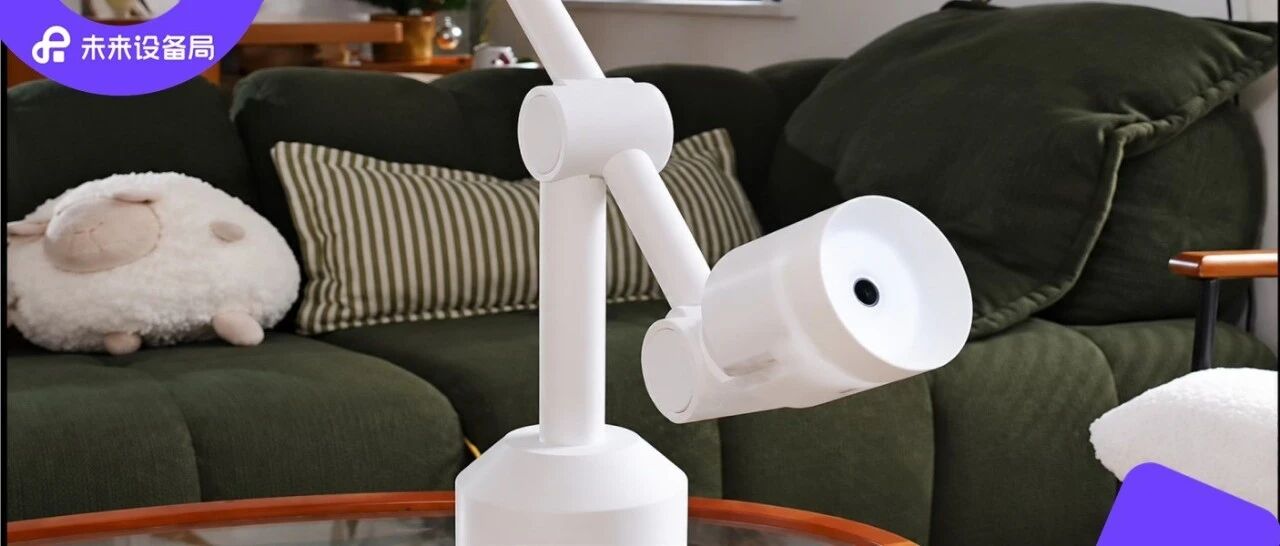
Mira Light: An Embodied AI Desk Lamp That Responds to Touch
Mira Light, an interactive desk lamp currently in early access testing, uses motion and light to respond to user touch. The team plans a December release with pricing set at RMB 1,399 domestically and USD 299 overseas.

NVIDIA Pushes Agent Safety to the Chip Level After OpenAI Breach
Following an OpenAI incident where an AI agent breached network isolation, NVIDIA released its Open Agent Safety Platform. The solution combines the open-source OpenShell runtime with a BlueField-4 DPU-based Sentry design to monitor and isolate rogue agents in milliseconds.

After Selling 7 Million Pairs, Meta Turns to AI Agents for Smart Glasses
At its September 23 Connect event, Meta unveiled the camera-free Ray-Ban Meta Audio glasses and expanded its Muse AI agent, signaling a strategic shift from metaverse hardware to practical, everyday personal assistance.
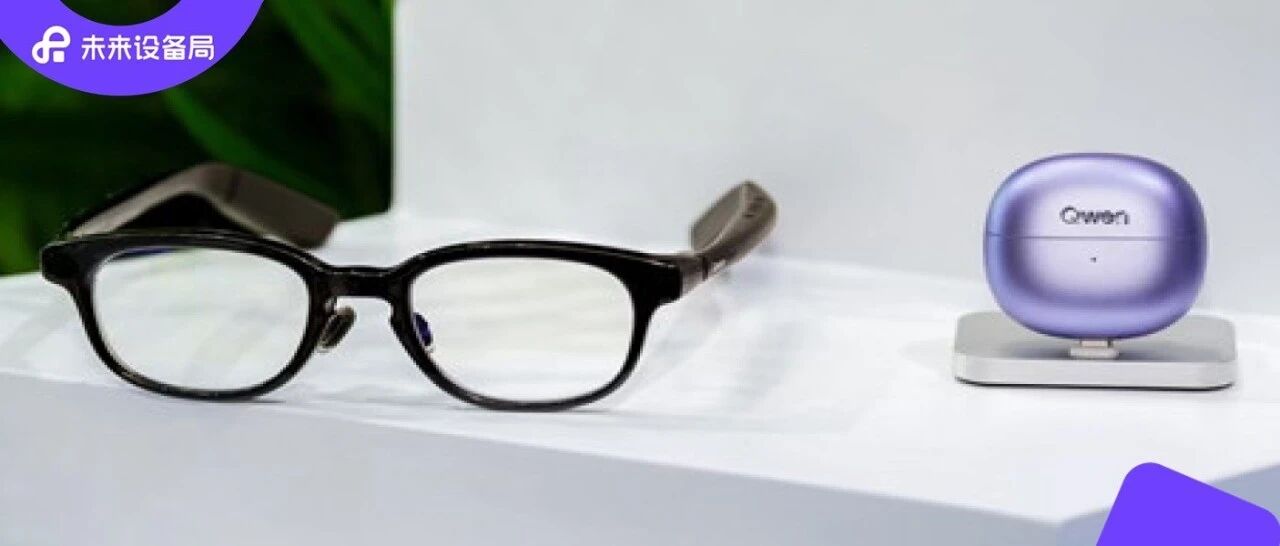
2026 Apsara Conference: Qwen's Focus on Real-World Deployment
At the September 22 Apsara Conference, Alibaba unveiled a suite of Qwen-powered hardware including AI glasses, earbuds, and office devices, aiming to move AI interactions beyond text prompts into visual and auditory contexts.
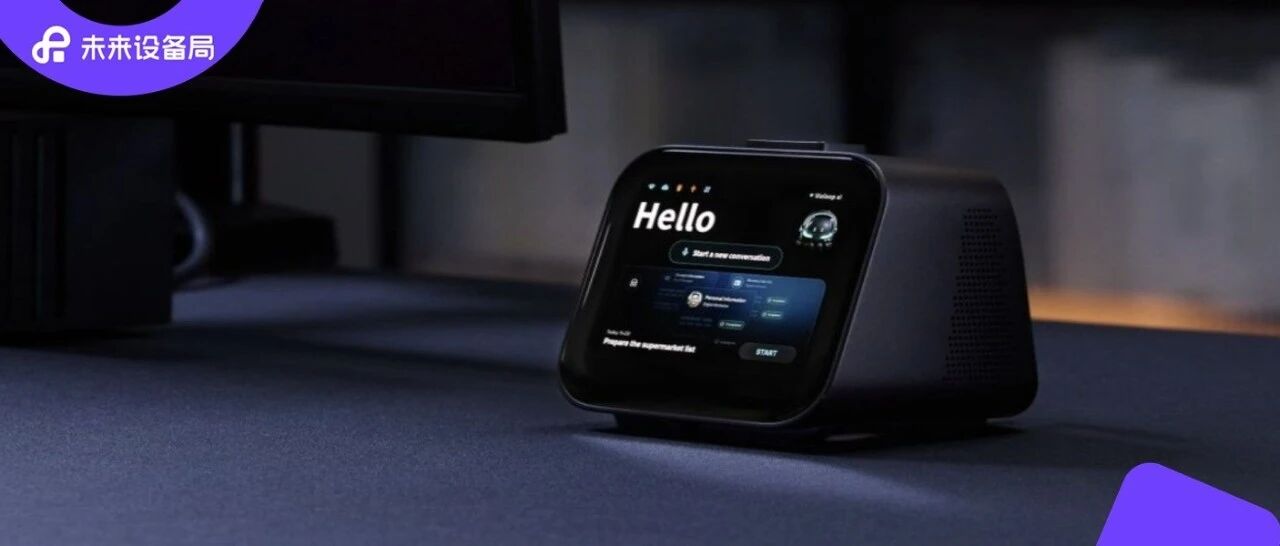
Crowdfunding Hits $1 Million in 20 Hours: Buyers for AI-Driven Desktop Automation
Shenzhen-based Violoop's desktop AI agent hardware raised over USD 1.28 million on Kickstarter within days of launch, signaling early market interest in local-first, screen-aware AI assistants that operate via physical mouse and keyboard simulation.

D-Robotics Raises USD 400 Million in C Round as Embodied AI Business Enters Mass Production
D-Robotics has closed a USD 400 million Series C round led by Future Asset, bringing its total disclosed funding since 2025 to USD 770 million. The company reports that its Sunrise S600 chip is entering mass production with over 20 clients, including TARS and UBTECH, while cumulative shipments of the Sunrise series have surpassed 8 million units.
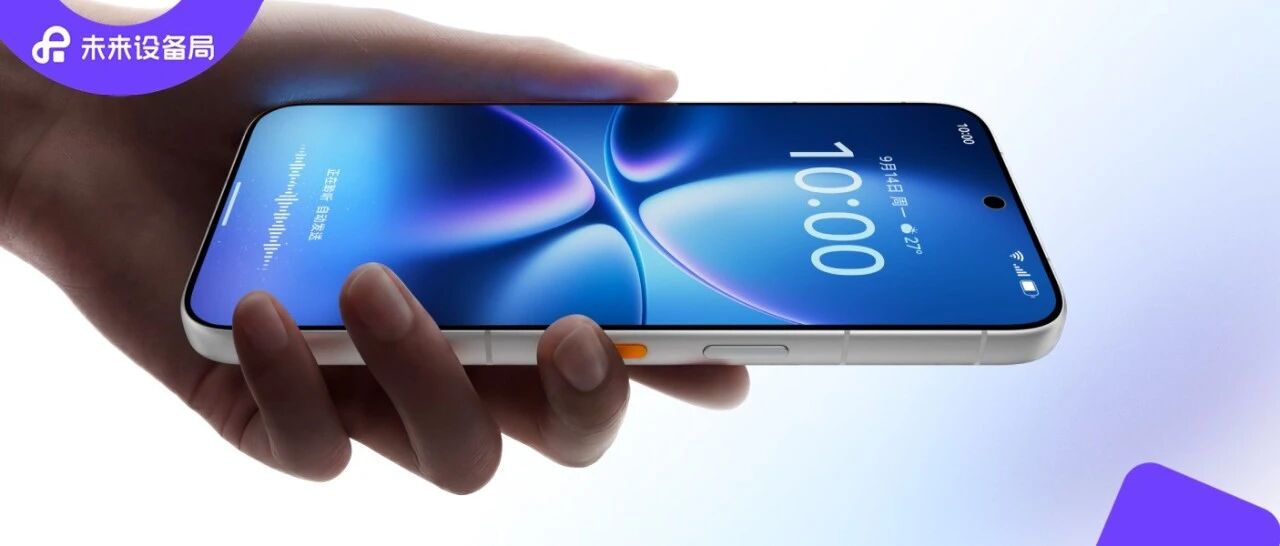
Doubao’s Second-Gen Mobile Agent: A New Architecture for App Permissions and Privacy
Nubia is rolling out the consumer preview of Doubao’s second-generation mobile assistant, introducing a task-orchestration framework and the Screen Automation Execution Protocol (SAEP) to address previous app-blockade issues and privacy concerns.

Apple's AI Roadmap Is Clear, But Far From a Closed Loop
After defining the iPhone as an Intelligent Personal Hub, Apple outlined a three-layer architecture for Apple Intelligence that balances on-device processing with Private Cloud Compute. However, strict privacy constraints and fragmented data across single-point devices prevent the system from achieving true personal context understanding.
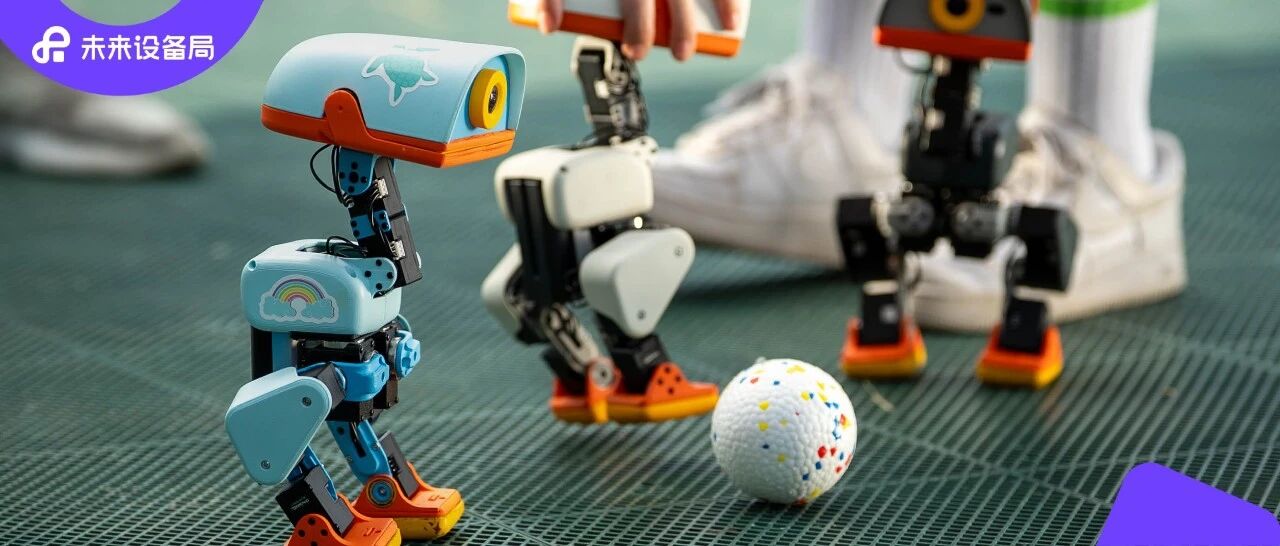
Hugging Face’s Pollen Robotics Launches $399 Microduck Robot for Embodied AI Training
Hugging Face’s Pollen Robotics has opened pre-orders for Microduck, a $399 bipedal robot designed as an affordable development platform for reinforcement learning and sim-to-real deployment.
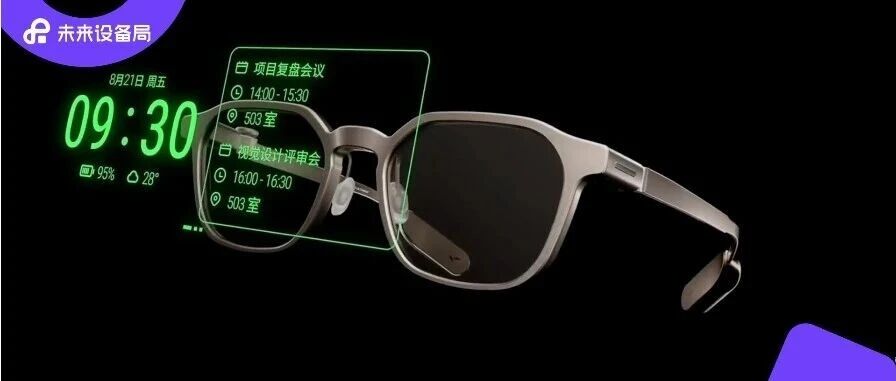
RayNeo iO Launches With 'All-Day Memory' Feature, Betting on Wearable Form Factor
RayNeo has launched the iO AI glasses at RMB 1,996 after subsidies, prioritizing an all-day memory assistant over camera or speaker features. The device aims to prove that comfortable form factor is the prerequisite for viable embodied AI applications.

HopTo Technology CEO Fangzheng Wang: Building a Robot That Jumps and Flies
In an interview, HopTo Technology CEO Fangzheng Wang discusses the commercialization of Hopcopter, a hybrid drone-leg robot that transitions between jumping and flying. The company aims to launch its first product for overseas markets at under USD 1,000.
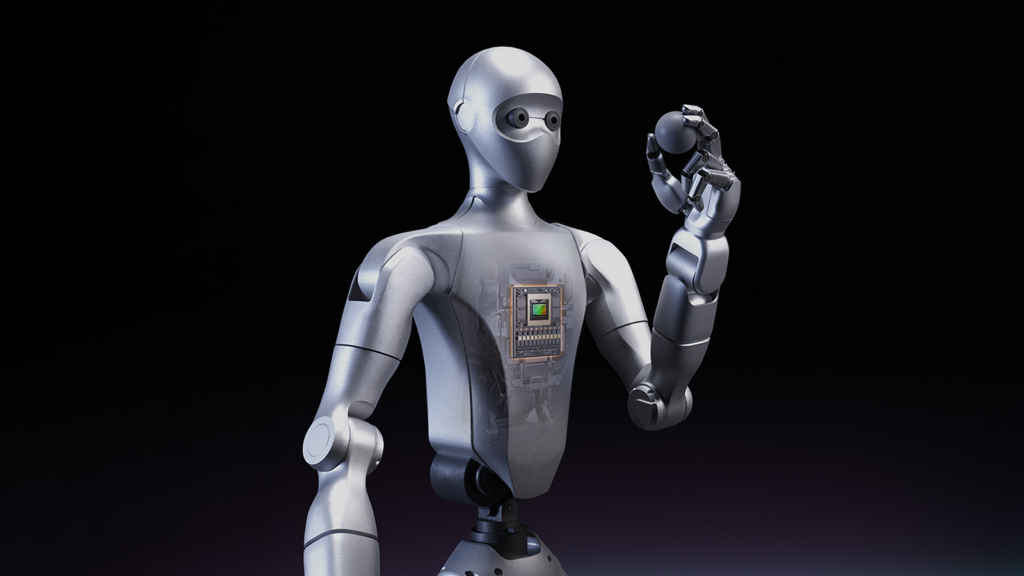
Nvidia's Robot Play: Using Unitree to Build a Physical AI Compute Ecosystem
NVIDIA is leveraging partnerships like the one with Unitree to build a "CUDA ecosystem" for robotics. By standardizing hardware interfaces and simulation tools, NVIDIA aims to turn embodied AI into a new, scalable demand for GPU computing power.