

Interviews
Conversations with founders, researchers and engineers.
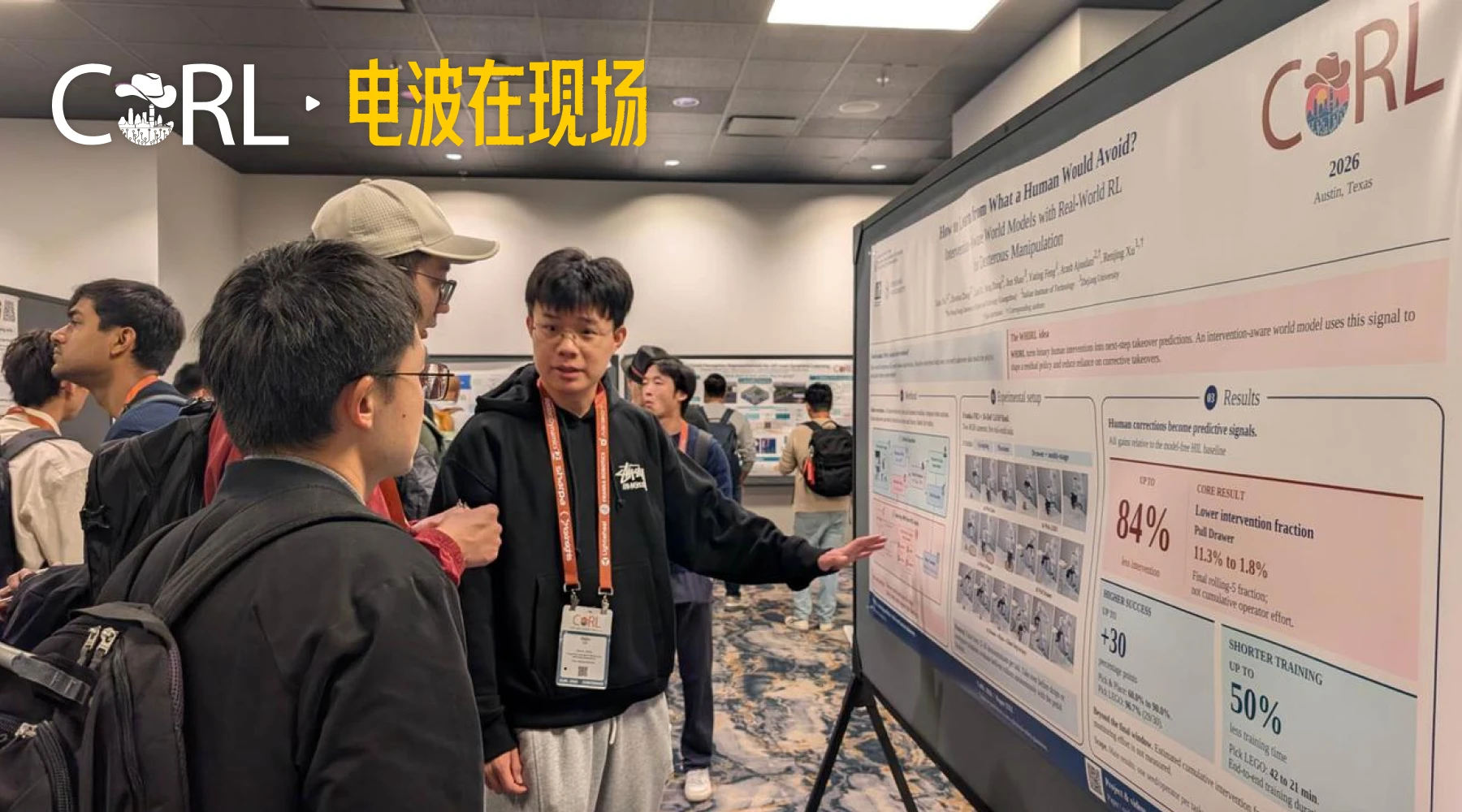
WHIRL Turns Human Interventions into Avoidance Signals for Real-World Dexterous Manipulation
A joint team from The Hong Kong University of Science and Technology (Guangzhou), Istituto Italiano di Tecnologia, and Zhejiang University introduces WHIRL, a framework that leverages human-in-the-loop pedal presses during real-world reinforcement learning as predictive avoidance signals, reducing operator interventions while improving autonomous success rates in dexterous manipulation.
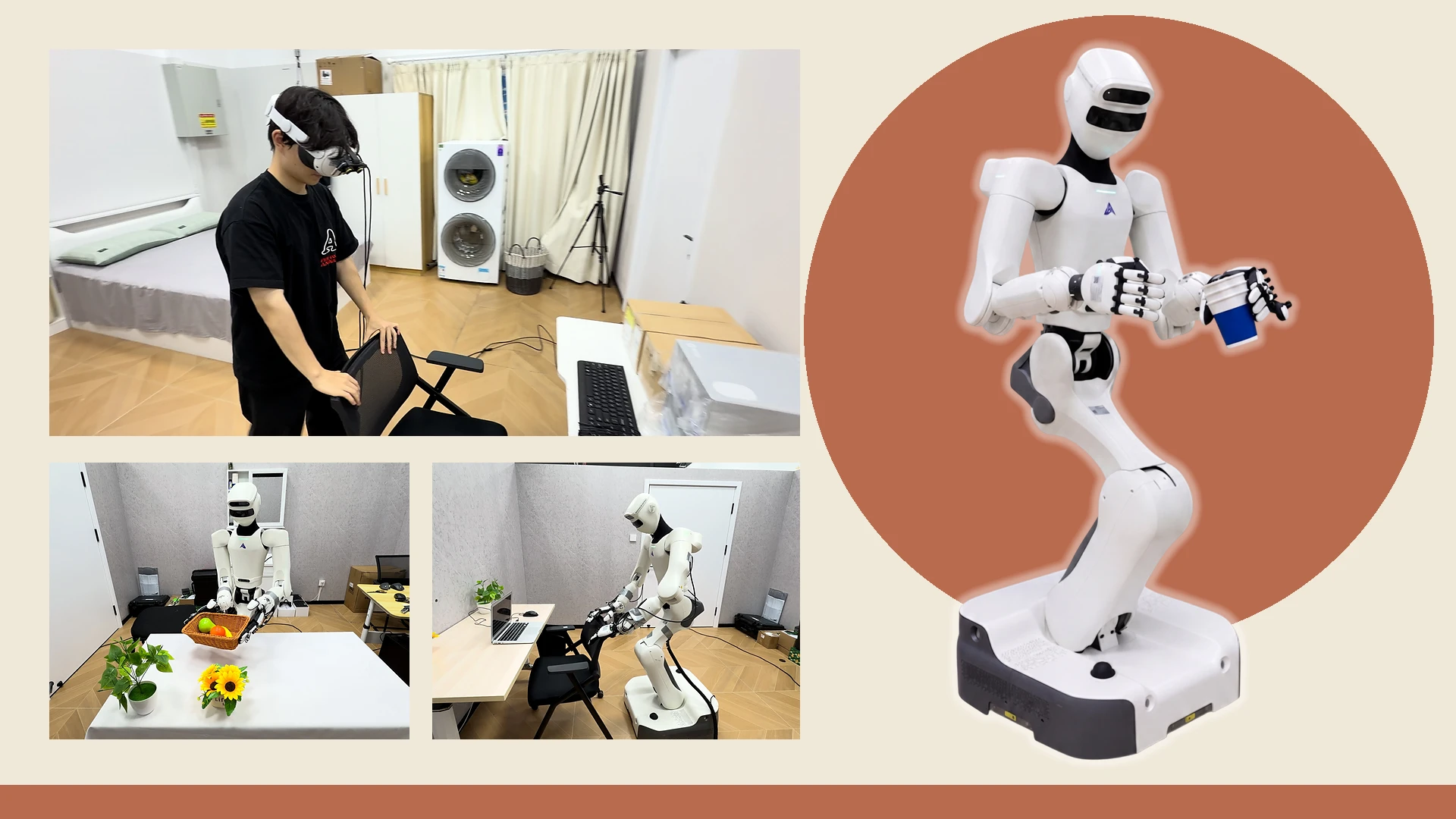
DexRoam Author Zhou Rui on Translating Human Demonstrations into Robot Action Data
Mobile manipulation research faces a key challenge: enabling robots to perform fine manipulation while moving their bodies, much like humans. This was a central focus at the 2026 Conference on Robot Learning (CoRL), held in Austin from November 9 to 12.

SADL Author Junhan Sun on Tracing the Origin of Representation Collapse in JEPA World Models
Researchers from Zhejiang University and Tsinghua University have introduced SADL, a training method that prevents representation collapse in Joint-Embedding Predictive Architecture (JEPA) world models by applying constraints directly to the visual encoder. The approach significantly improves multi-task training stability and control success rates in robotic simulations.
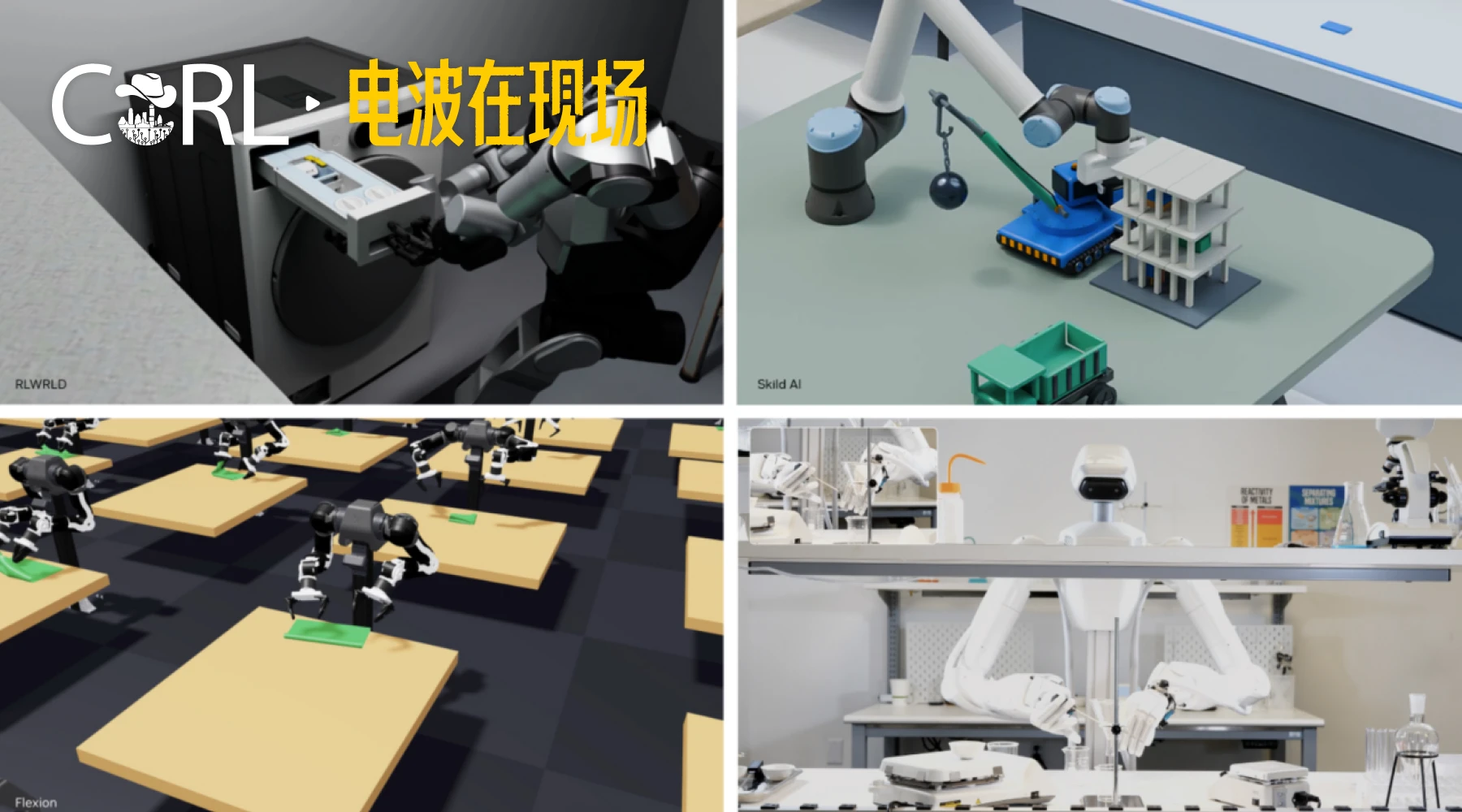
DreamZero's First Author Reflects on a Year of World Action Models
On November 9, NVIDIA released GR00T 2 at the CoRL conference in Austin. In a published test suite, a bimanual robot achieved a 40% average success rate on 50 tasks with no prior demonstrations for the target robot using only its pre-trained capabilities; adding five demonstrations per task for fine-tuning increased the success rate to 95%.
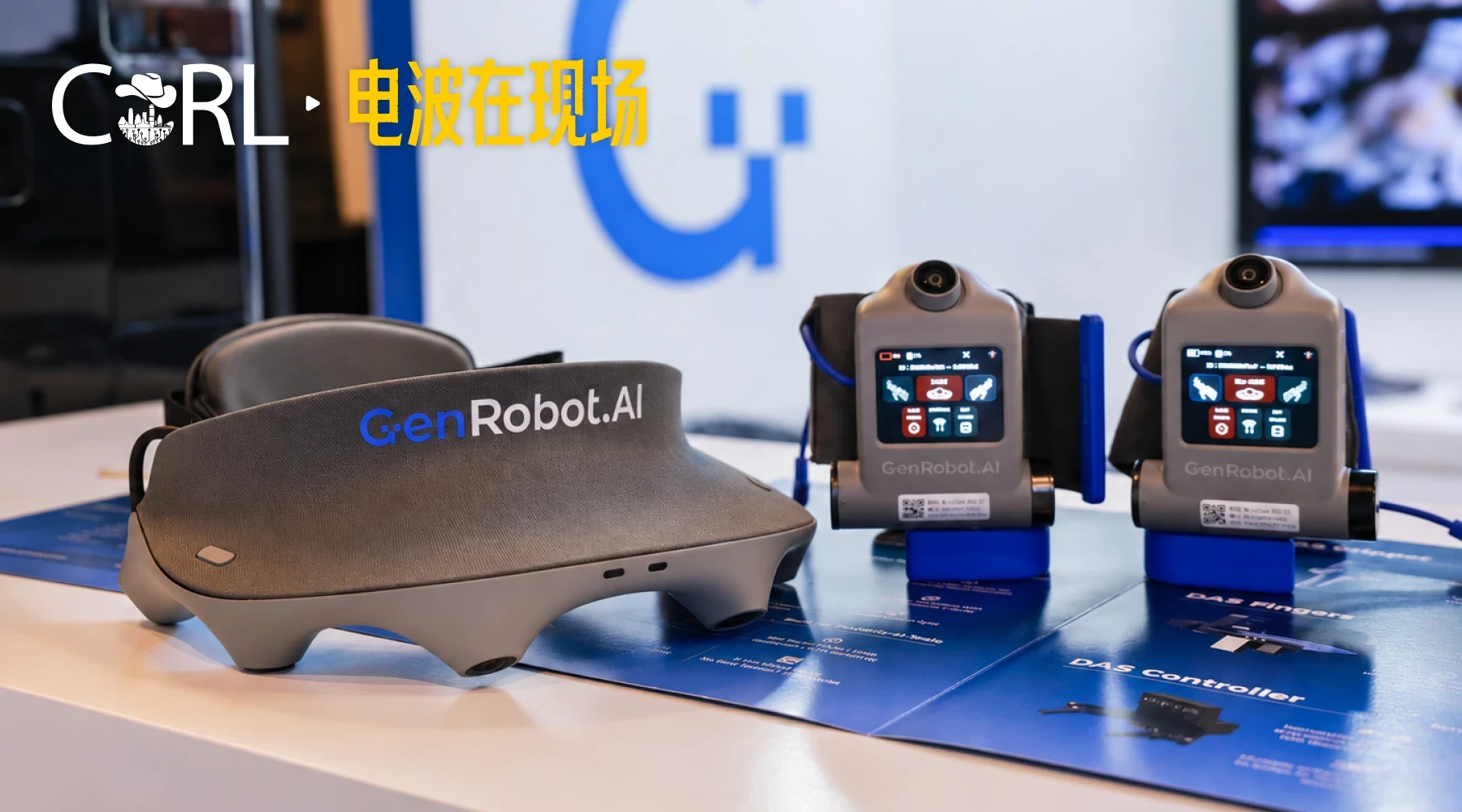
Jianzhi Robot Co-Founder: Ten Million Hours of First-Person Video Is Not Enough for Embodied AI
As embodied AI companies race to collect millions of hours of human demonstration data, Jianzhi Robot co-founder Zhu Yanming argues that scaling first-person video alone will not trigger capability emergence. The next phase of data collection requires multi-modal inputs, including whole-body motion, wrist cameras, and tactile feedback.

Xiaomi Robotics Details PACE Framework for Tactile-Guided Precision Manipulation
The Xiaomi robotics team discusses how its PACE framework uses temporal tactile conditioning to refine precision manipulation. As the embodied AI industry shifts focus toward real-world deployment in 2026, the team highlights the critical role of tactile perception in bridging the gap between foundation models and physical execution.

Copper-Policy Replaces Pixel Prediction With Compact Latent Representations for Robot Control
The Copper-Policy model jointly learns compact latent world representations and action policies, bypassing the heavy computational cost of pixel-level video prediction. First author Zexin Feng from The University of Hong Kong explains how this asymmetric architecture achieves robust control without extensive embodied pre-training.

Nature Will Debuts Natura-1, a 50B-Parameter Embodied Foundation Model Trained on One Million Hours of Human Experience
On October 13, Nature Will—founded by Ding Ning, assistant professor and doctoral supervisor at Tsinghua University's Department of Electronic Engineering—released Natura-1, its first general-purpose embodied foundation model, along with a technical report. The 50-billion-parameter mixture-of-experts model was pretrained on more than one million hours of first-person human video and can drive a 20-DOF dexterous hand within a 100-millisecond control loop.
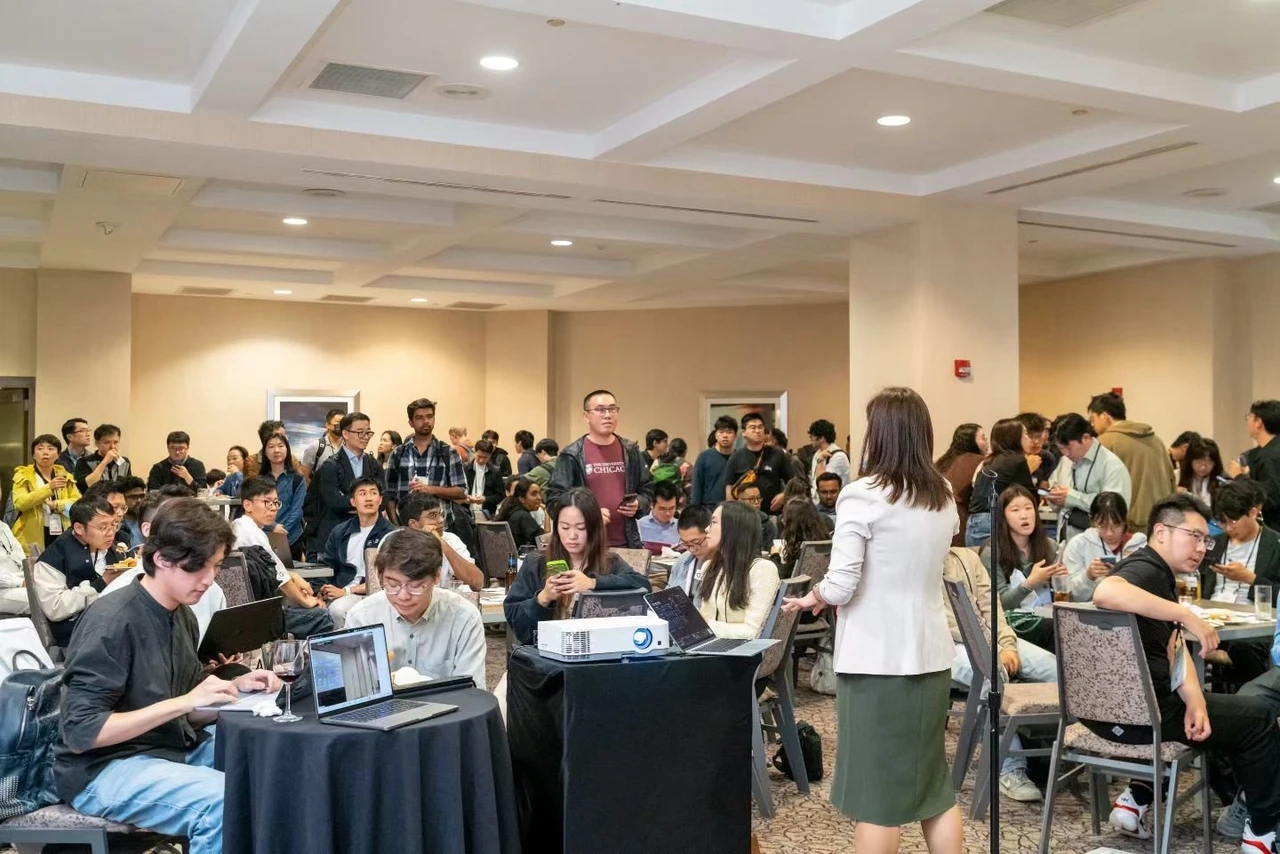
In Conversation with Saturday Robotics Founder Junfan Zhu: “By the Time a Robotics Paper Is Published, Its Approach May Already Be Out of Date”
How Junfan Zhu is building a cross-disciplinary robotics research community in the Bay Area while working on better ways to evaluate AI systems in the physical world, and why he thinks robotics has yet to have its benchmark moment.

PrimeBot’s Hao Dong: Lowering Post-Training Costs for Home Robots
At IROS 2026, PrimeBot and Peking University hosted a dual-arm manipulation challenge. Chief Scientist Hao Dong discusses how post-training improves reliability in home environments and introduces HIL-UMI to lower data collection costs.
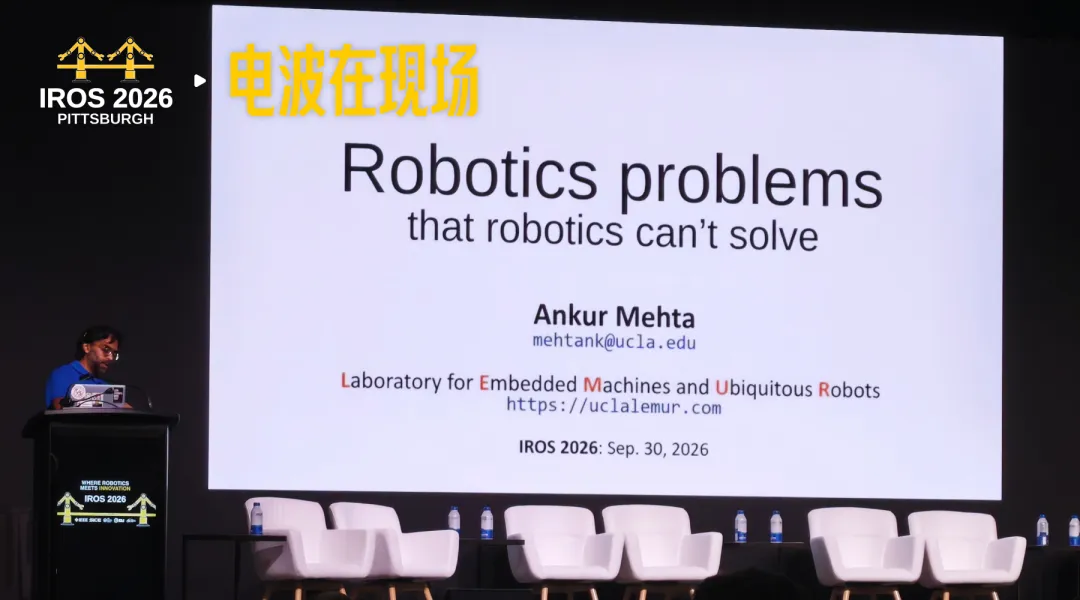
IROS 2026: UCLA's Ankur Mehta on Robotics, Public Trust, and Resource Constraints
In a keynote at the IEEE/RSJ International Conference on Intelligent Robots and Systems, Ankur Mehta highlighted how shrinking research funding, talent shortages, and public anxiety over AI and robotics are reshaping the field. He urged researchers to engage directly with communities to address concerns about equity and responsibility.

How StageCraft Fixes VLA Failures by Adjusting the Environment, Not the Model
42HOW Robotics speaks with Prabin Rath, co-author of the IROS 2026 paper StageCraft, about how their method improves robot task success by adjusting environmental distractors rather than retraining models.