
Looking at CES 2025: This Is Only the First Year of the AI Product Explosion
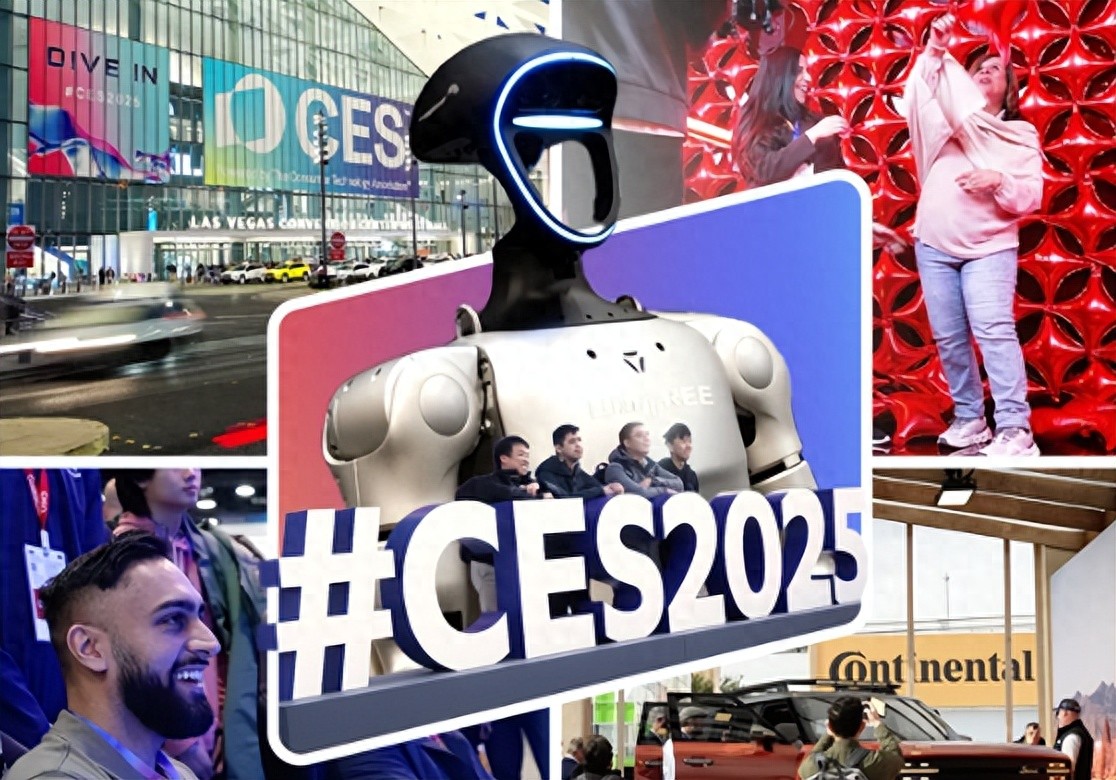
In the past two years of rapid AI advancement, we have witnessed countless AI applications, ranging from common GPT chatbots to specialized fields across industries. Virtually every conceivable software application scenario now features AI.
As CES is the world's most prestigious annual tech showcase, it gathers global tech companies and innovative startups. It serves as a barometer for the year's mainstream technological directions. In this article, we specifically analyzed the categories and characteristics of popular booths at this year's CES, providing a curated summary of noteworthy exhibits and an analysis of the hottest trends.
Intelligent Robots
The most significant category to watch at this year's CES is intelligent robots.
While autonomous driving in automobiles has long been recognized within the industry as the most well-known practical application of AI, it can be viewed broadly as a form of embodied AI capable of performing tasks in specific scenarios. With automakers developing end-to-end intelligent driving architectures and achieving rapid technological progress, general-purpose robots are now considered the next major application scenario for AI.
General-Purpose and Humanoid Robots
Star domestic brand Unitree Robotics participated in CES with multiple products, including humanoid robots G1 and H1, and the recently viral B2-W. We also spotted the same Go2 quadruped robot that we had previously purchased.
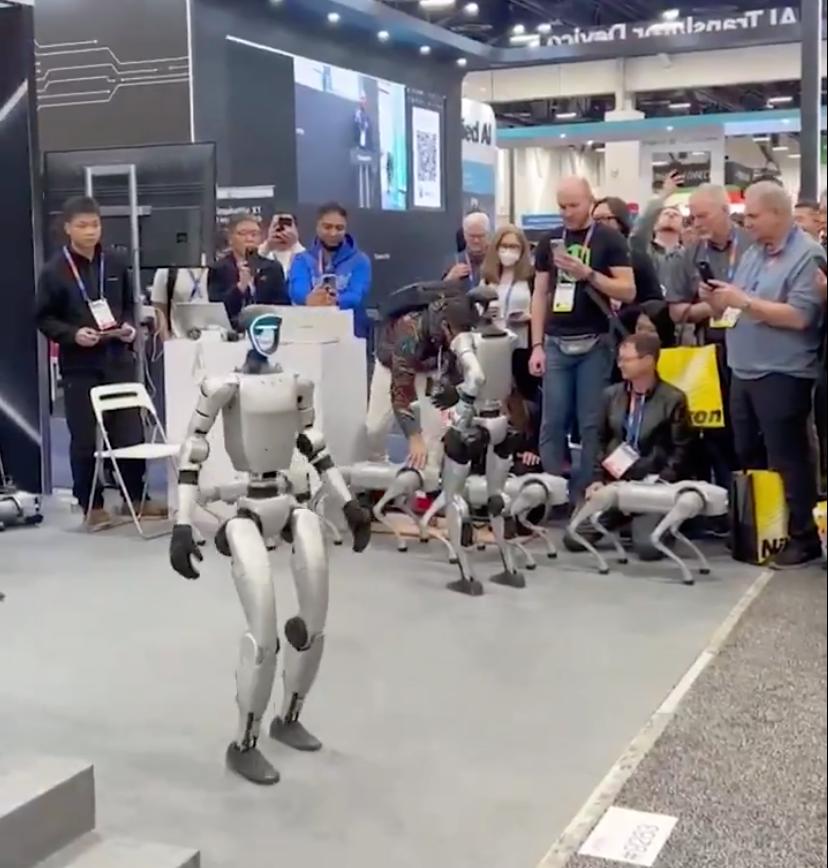
At this event, Unitree did not release any new products; it simply attracted audience attention through its robots that occasionally engaged in interactive demonstrations. However, due to their outstanding capabilities, the entire exhibition booth received a very high level of attention.
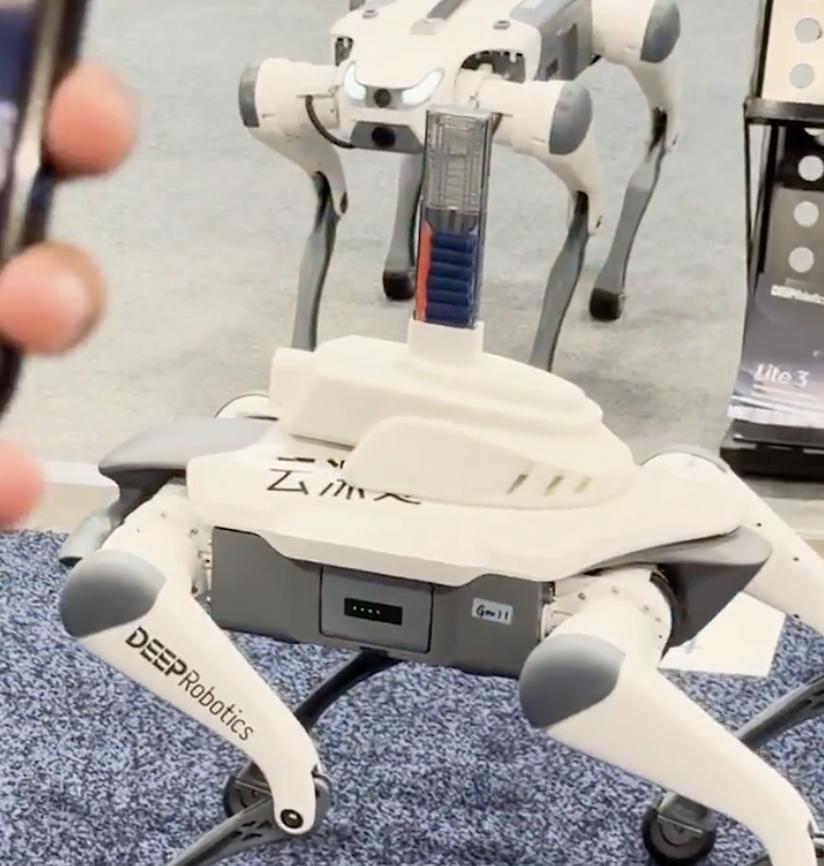
DeepRobotics, another company from Hangzhou, also participated in CES, showcasing several models on-site including the Jueying Lite3 and Jueying X30. As a domestic robot company with strong capabilities, DeepRobotics' Shanmao, which is positioned similarly to Unitree's B2-W, garnered significant attention thanks to a video showing it navigating mountainous terrain. Many attendees gathered around DeepRobotics' booth to watch live performances by several Jueying robots.
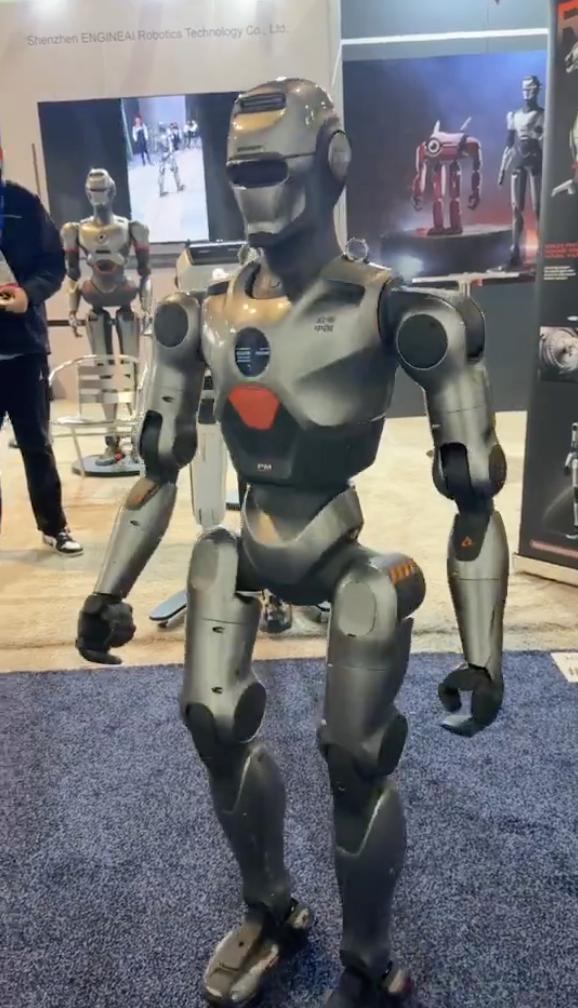
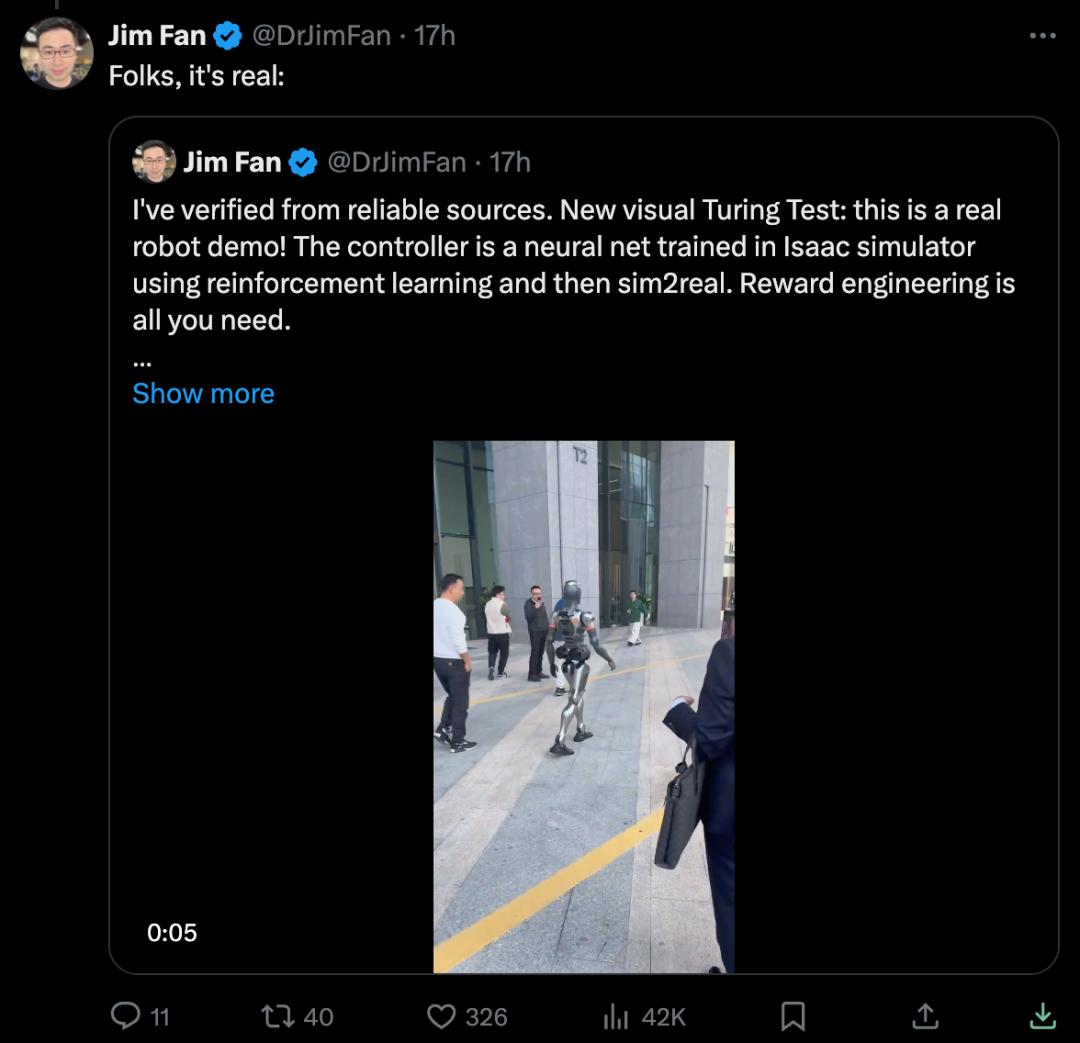
In addition, ZQRobotics also showcased its mass-produced robot PM01, released in December and priced at 88,000 yuan. However, when it comes to ZQRobotics, what went viral online was actually a coincidental video of the SE01 walking downstairs in an office building, which was widely shared to the point that NVIDIA executive Jim Fan even suspected it might be an AI-generated video. After personally verifying the video's authenticity, he confirmed it was real and additionally mentioned that the controller enabling the natural gait demonstrated by ZQRobotics was trained using reinforcement learning and sim2real techniques with neural networks in the Isaac simulator, effectively providing another advertisement for their own NVIDIA.
Meanwhile, LiDAR suppliers Hesai and RoboSense showcased their flagship products at the exhibition. Beyond their latest high-performance LiDARs, they also presented various incremental components for robots, including dexterous hands, computing units, and development platforms.
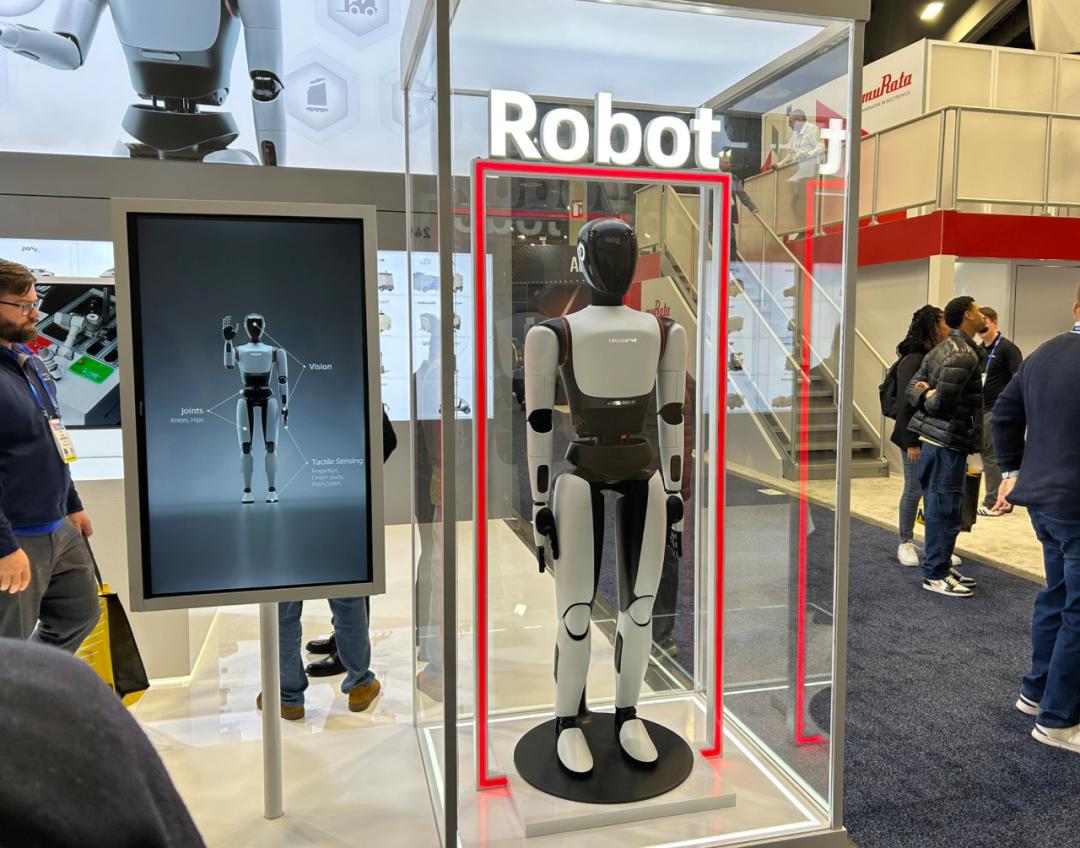
RoboSense recently held a press conference, unveiling a series of new products including the pure solid-state LiDAR E1R, the hemispherical perception sensor Airy, the EM4 LiDAR designed for intelligent vehicles, and the Papert 2.0 dexterous hand featuring 20 degrees of freedom and a maximum payload of 5 kg. All these products were showcased on-site.
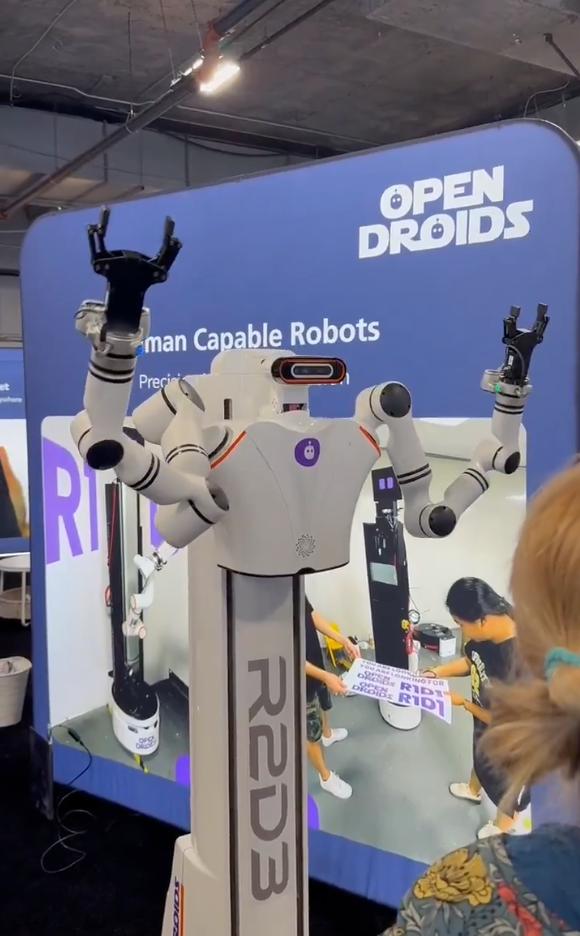
Other overseas brands also displayed various humanoid robots. For instance, OpenDroids' R2D3 is positioned as a multi-functional home robot capable of handling numerous household chores, such as folding laundry, washing dishes, and mixing cocktails.
Companion Robots
Some booths attracted significant attention from friends who are not typically interested in technology. For example, the booth of Japanese company Yukai Engineering featured very cute plush toys like Mirumi and cat-shaped robots like Nékojita FuFu.


Mirumi is a plush AI companion that can be hung on a bag. Its standout feature is its ability to autonomously turn its head to express emotions such as shyness and curiosity, with a price tag of $70. Meanwhile, Nékojita FuFu is a small accessory designed for use with hot beverages; it can cool down your food and drinks, priced at $25.
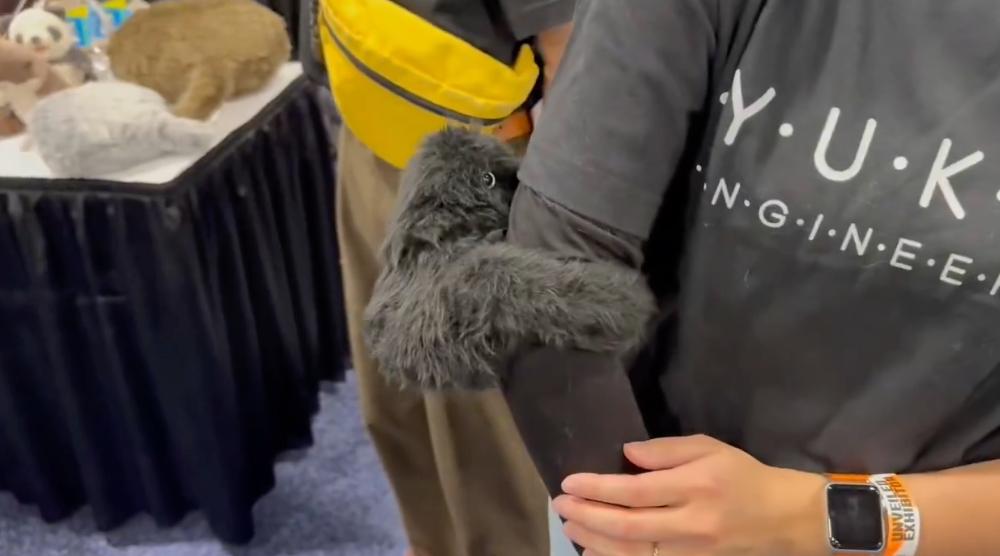
Yukai Engineering is known for developing creative mini-robots. The two products released this time continue the company’s characteristic style of creativity and fun. From the $70 AI pendant to the $25 cooling robot, Yukai’s creative products are positioned as entertaining and fun, with little consideration given to practicality.
Chinese company Mengyou Intelligence showcased its latest companion robot, Ropet, which features a cute, plush appearance. On its front are glasses made of two screens and a camera, while internally it includes touch sensors, heating components, movable hands, a rotating base, and internal microphone computing chips. It employs a multimodal perception system capable of recognizing user expressions, voice, and body temperature. Through edge computing, it continuously learns interactive behaviors to make companionship smarter and warmer.

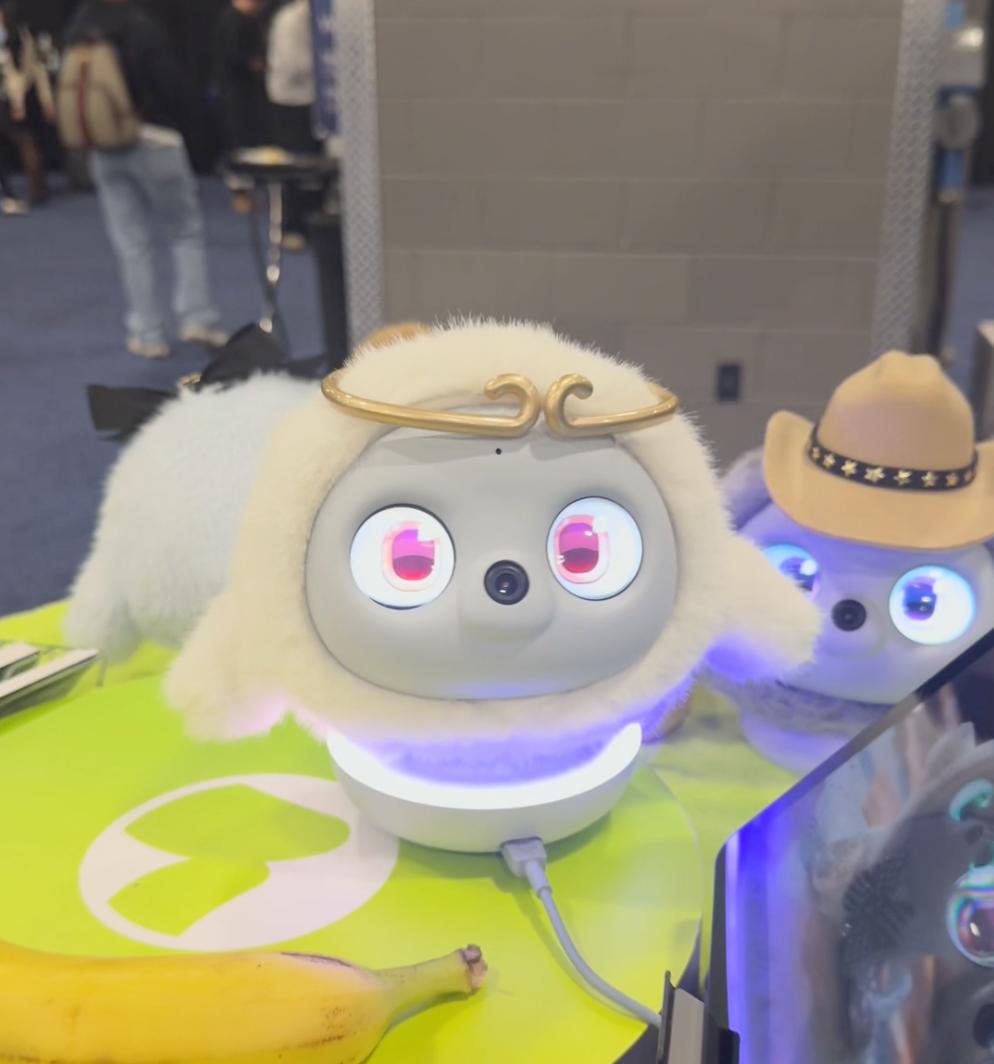
However, it does not feature large language model-based dialogue capabilities. Instead, like cats or dogs, it accompanies you through emotions and behaviors. For those who enjoy keeping pets, such a product could potentially become the first truly physical electronic pet.
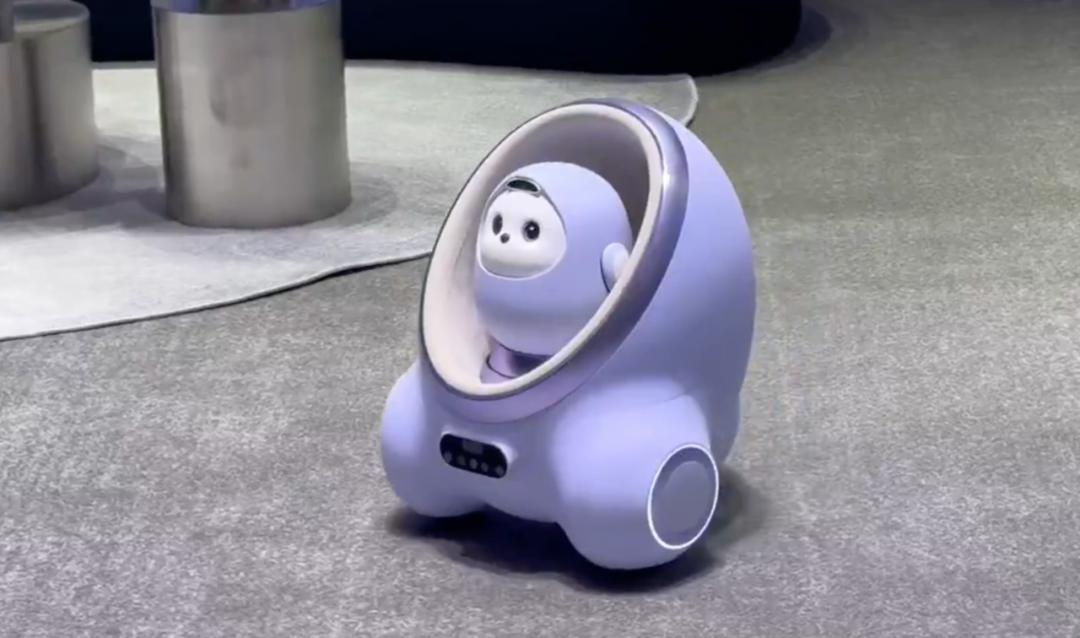
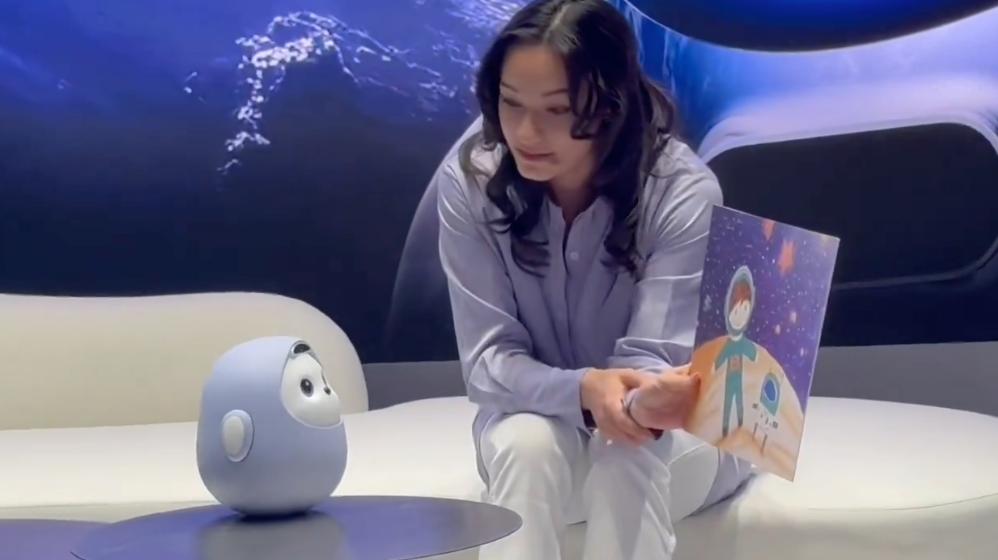
TCL also displayed a product similar to Ropet: Ai Me, a smart robot. In addition to accompanying you with its adorable appearance, it allows control over smart home devices such as lights and air conditioners via voice commands and can perform tasks typical of conventional conversational robots. Due to its unique design, it can be held in arms, sit on an egg-shaped base for charging, or move autonomously using wheels at its bottom.
Smart Home Robots
In the smart home appliance sector, robot vacuums have seen significant advancements over the past decade. At CES, Roborock unveiled its first robot vacuum equipped with a robotic arm, the G30 Space Explorer Edition.
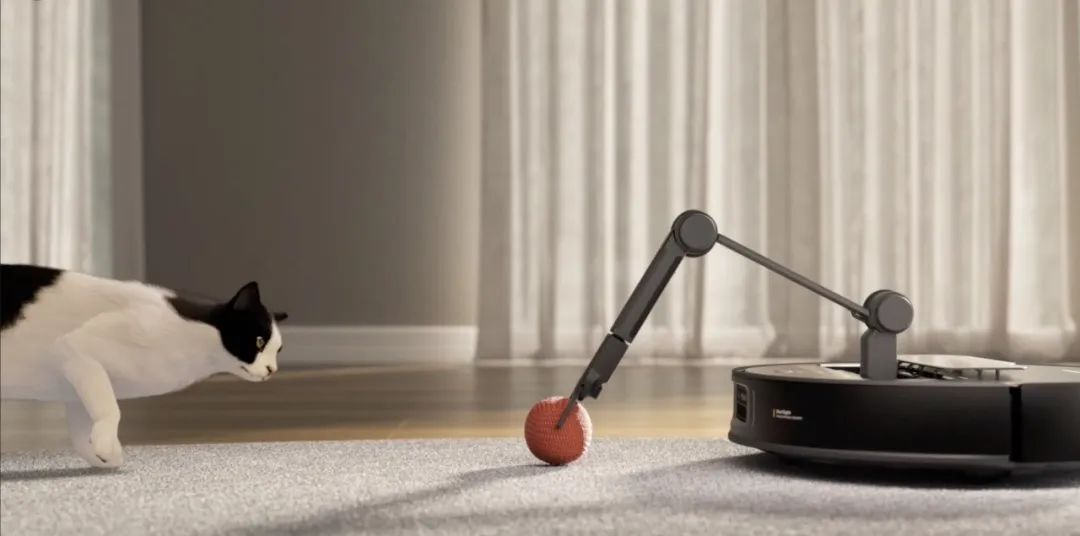
The G30 Space Explorer Edition maintains the same 7.98 cm thickness as the standard G30 model while integrating an OmniGrip five-axis bionic robotic hand that can retract into the body.
The robotic hand features an RGB camera. Combined with the unit's onboard sensors, the system comprises three sets of Time-of-Flight (ToF) cameras and two sets of RGB cameras for visual perception. Integrated with AI vision large models, it achieves capabilities in spatial obstacle avoidance and open-set object recognition.
Functionally, the robotic arm can sort and organize items. By coordinating the front-mounted ToF camera with AI large models, it calculates grasp points and motion trajectories for the arm. The G30 Space Explorer Edition also supports open-set recognition models; users can upload images via the app to add custom items they want the robot to recognize.
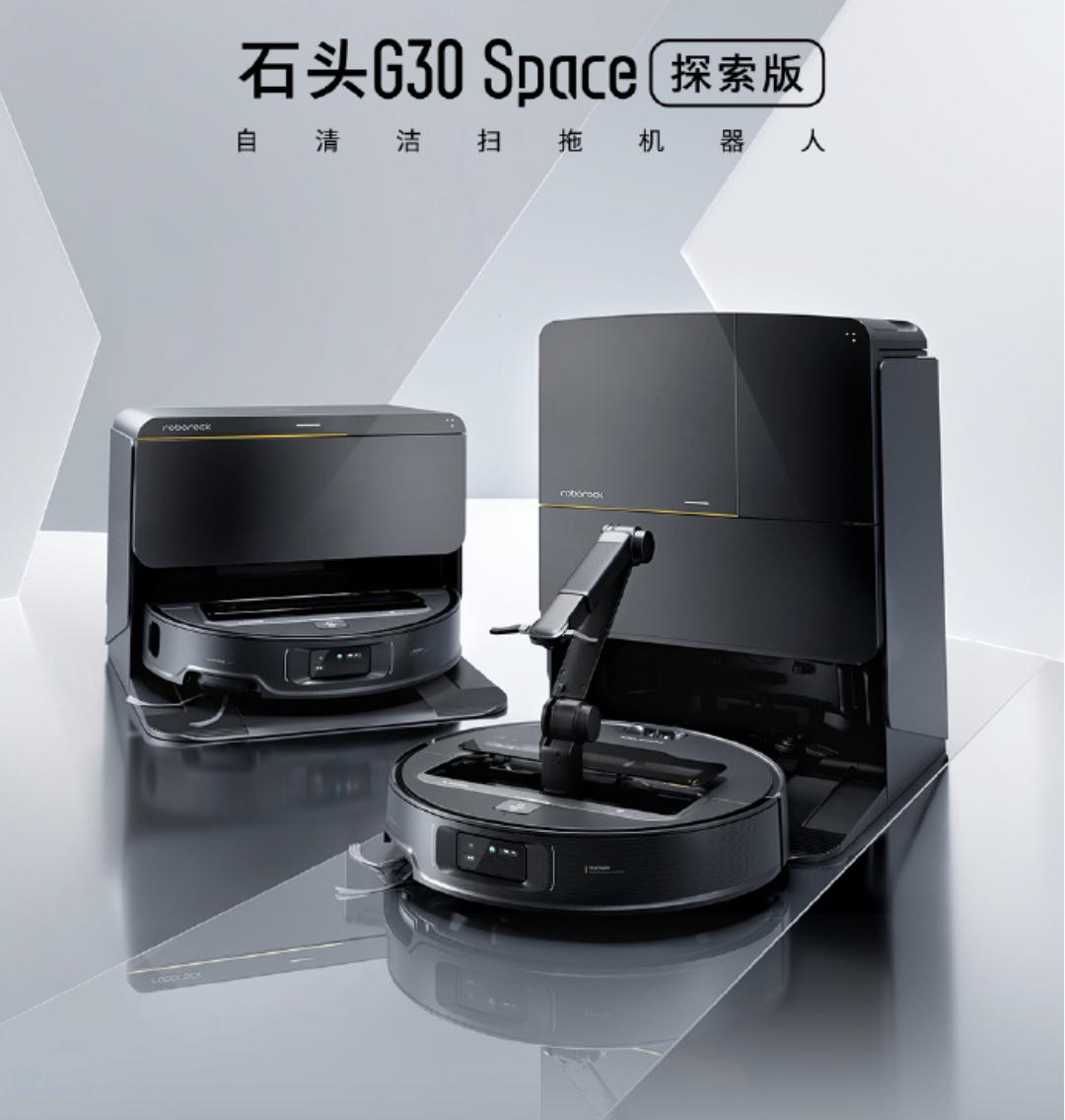
The product team also included an Easter egg in this robot vacuum: it can greet you upon startup or even dance as a performance. Additionally, it supports remote control of its robotic arm via a smartphone app.
Smart home brand SwitchBot introduced the eye-catching K20 Pro+ robot vacuum cleaner. Its standout feature is its modular design, which allows users to attach various functional components according to different needs.
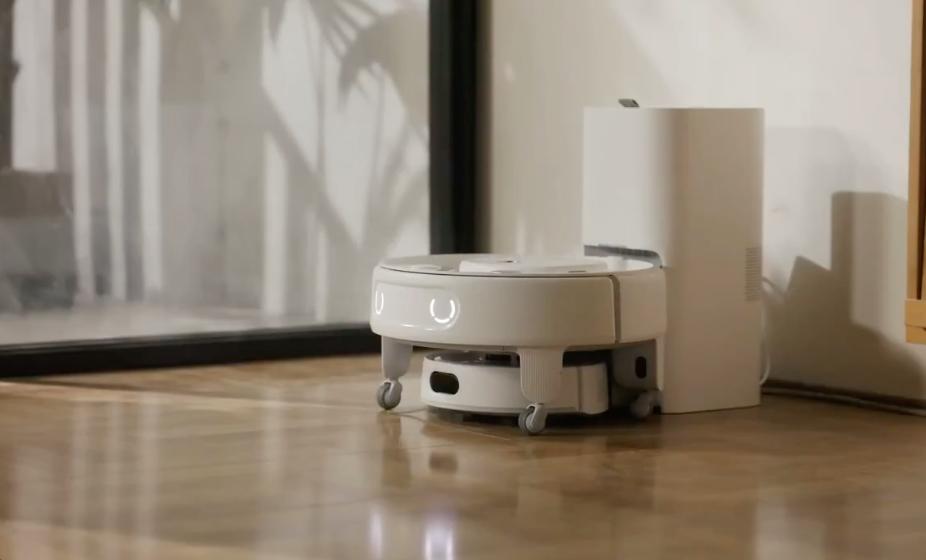
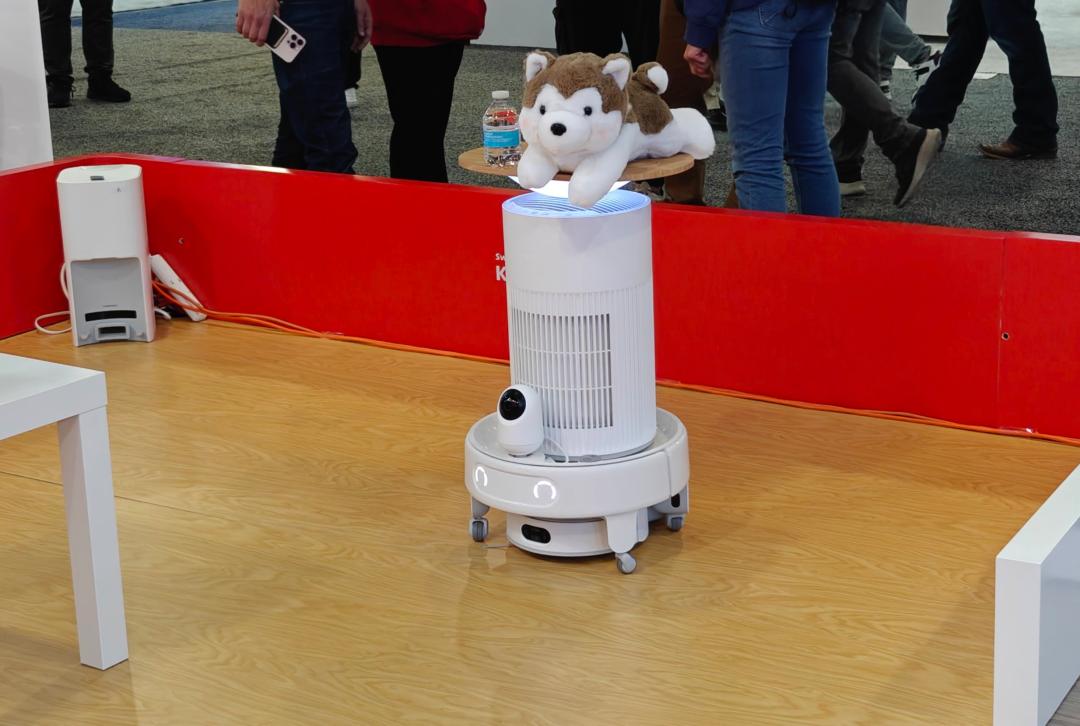
The K20 Pro+ is equipped with the FusionPlatform modular platform, enabling users to add accessories such as air purifiers, tablet stands, or security cameras. Thanks to its flexible mobility, it can move freely around the home to perform diverse tasks. For instance, with the air purification module installed, it can circulate between rooms to clean the air; adding a camera module enables whole-house security monitoring; and with a tablet stand attached, it transforms into a mobile audio-visual assistant.
Notably, the K20 Pro+ has a load-bearing capacity of 8 kilograms, meaning it can do more than basic vacuuming—it can also serve as a household "porter." With the appropriate modules installed, it can help elderly individuals transport drinks and food or assist in moving other items.
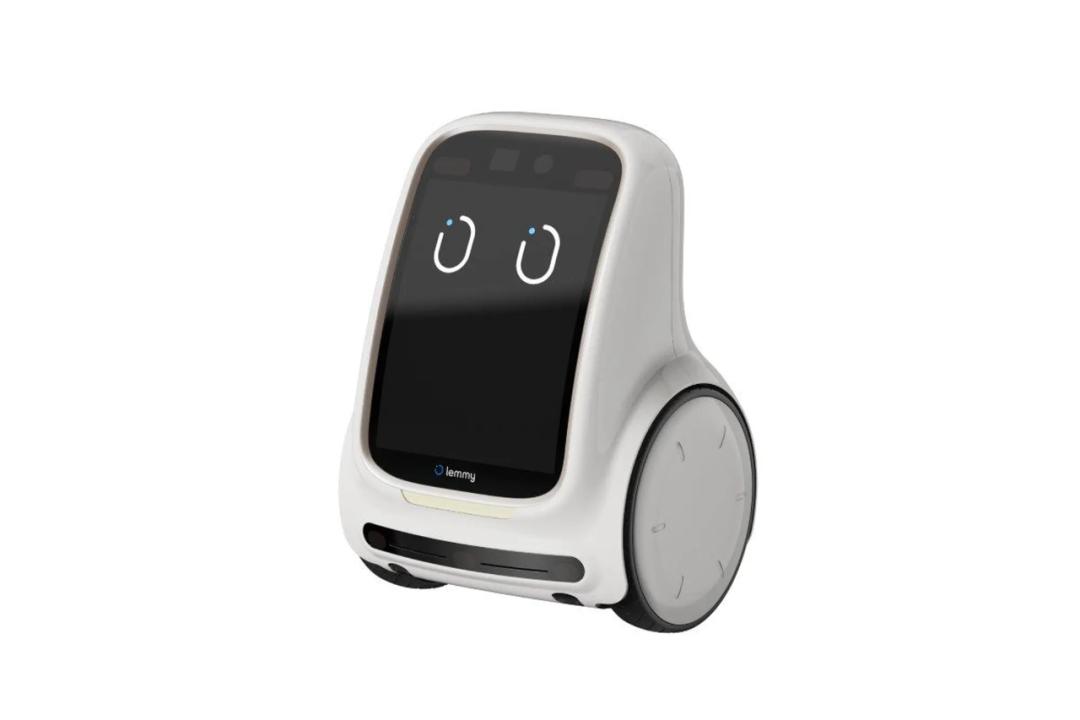
There are also robots designed for specialized application scenarios, such as the companion care robot Lemmy, which addresses the physical, cognitive, emotional, and social changes experienced by older adults by providing tailored basic services and functions based on each user's specific needs.
In the realm of exoskeletons and rehabilitation training, XoMotion and H-Medi are wearable rehabilitation robots designed for individuals with disabilities, assisting them in lower-limb recovery exercises. Hypershell Carbon X is an outdoor sports exoskeleton that integrates cutting-edge robotics, ergonomics, and artificial intelligence into a compact form factor. It is equipped with a self-developed M-One exoskeleton motor system capable of smoothly delivering up to 800W of assistive power to reduce user physical exertion. These products essentially belong to niche segments within the broader robotics industry.
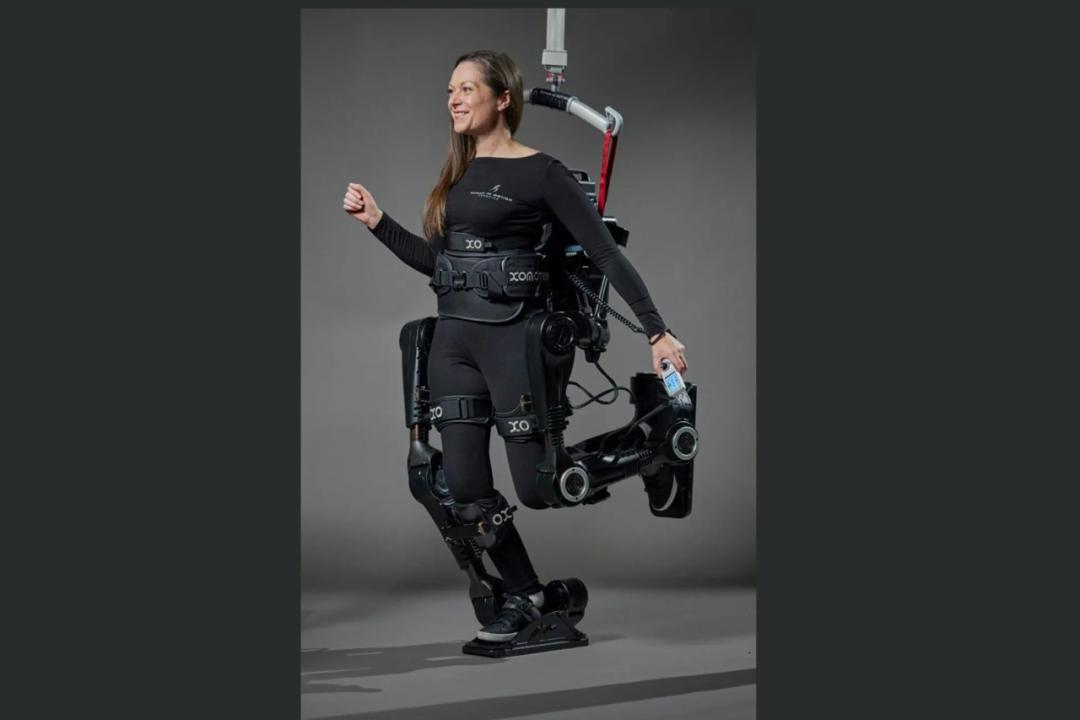
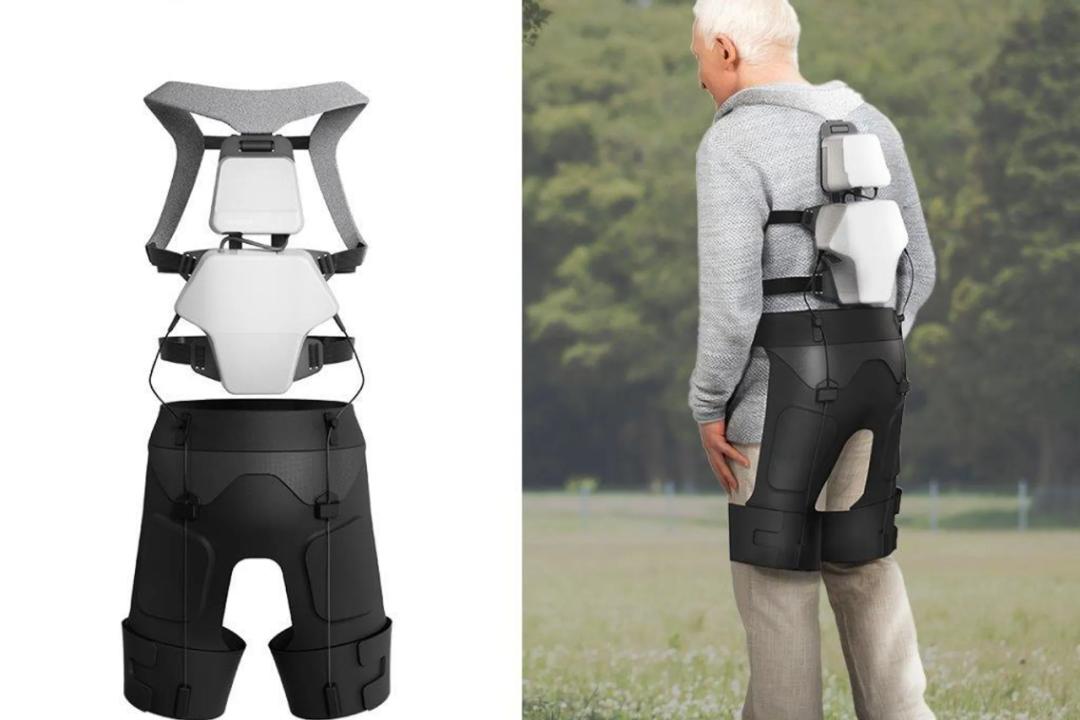
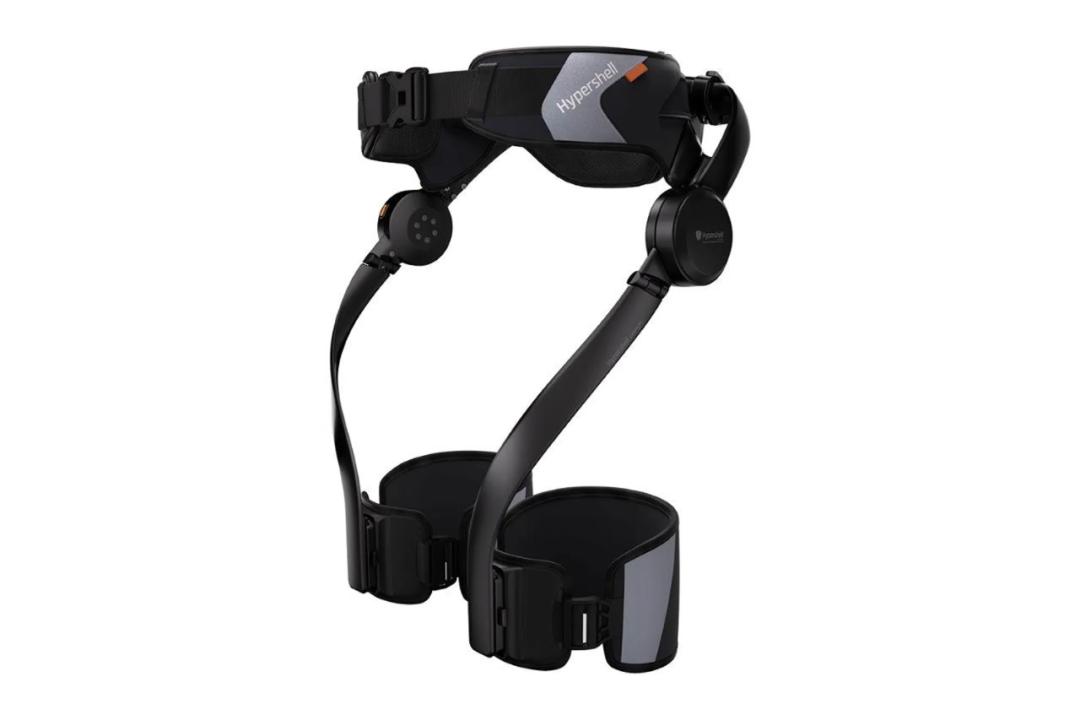
Therefore, in the robotics sector, it is not just humanoid robots; various specialized robots are emerging in abundance across different application scenarios. A major driver behind this trend is AI, which grants machines the ability to move autonomously, make decisions, and execute tasks. This enables the creation of productive tools with tangible value while also providing emotional support and companionship. Looking ahead, the variety of AI-driven robots will continue to expand, and the growth rate of specialized robots in specific scenarios is worth anticipating. In the coming period, beyond product launches and concept implementations, reducing hardware costs will be a critical long-term factor determining whether ordinary consumers can afford these products.
XR Smart Glasses
This year, one category has seen a significant influx of Chinese companies: XR glasses.
Strictly speaking, the AR and VR industries have not yet achieved significant technological breakthroughs. Although some new XR products debuted at this year's CES, there has been no critical market growth milestone compared to a year or even two years ago.
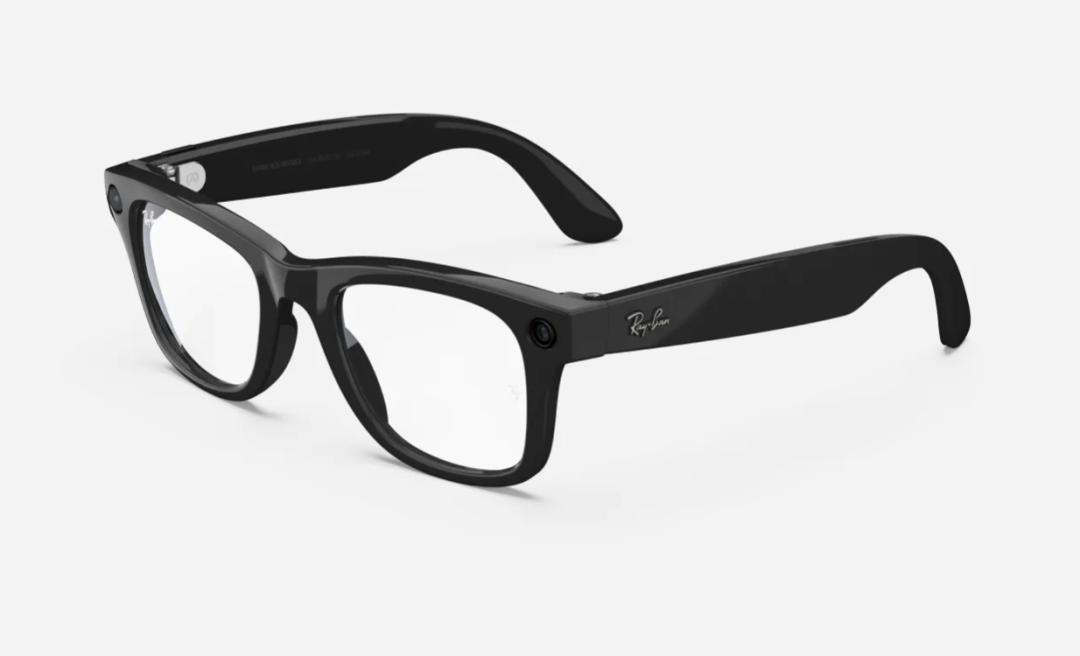
However, when glasses are used as a hardware carrier for AI, the category of AI smart glasses is born. After Meta launched the second-generation Ray-Ban Meta glasses in September 2023, global sales have exceeded 2 million units so far. For such a novel product form, this opens up an entirely new market. With the support of China's rich industrial chain, Chinese brands can replicate similarly positioned products easily and at low cost, making the entire market very interesting.
At this CES, nearly half of the AI smart glasses booths were occupied by Chinese manufacturers. First, let's look at Thunderbird Innovation (雷鸟创新), which announced products claiming to surpass Meta during CES.
The positioning of the Thunderbird V3 is very close to that of the Ray-Ban Meta. It uses Sony's latest 12-megapixel IMX681 back-illuminated sensor, placed horizontally, with a lens featuring an equivalent focal length of 16 mm and a field of view (FOV) of 107 degrees. It can capture 12-megapixel photos, horizontal 1080P video at 30 fps, and vertical 1440P video at 30 fps. In terms of performance, it adopts the same Qualcomm AR1 processor as the Ray-Ban Meta, which is indeed the best choice currently available for AI glasses. The dual ISP design of the AR1 also enables better processing performance for shooting. On the AI front, it collaborates with Tongyi Qianwen to create a large language model customized for the Thunderbird V3.
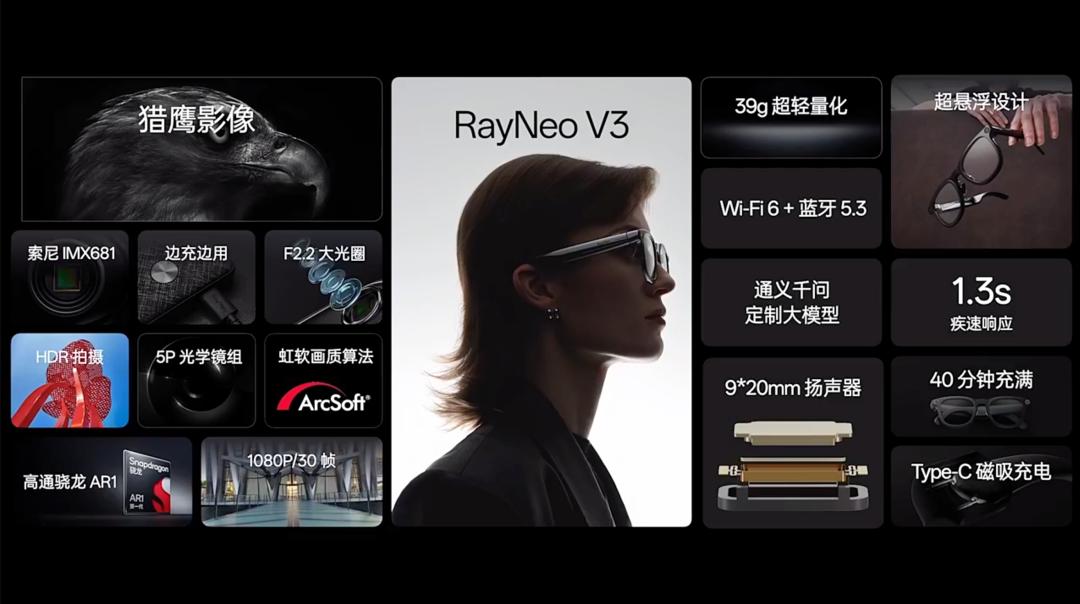
Domestic companies Rokid and XREAL, which had previously released products, also showcased their latest offerings.
Rokid displayed the Rokid Glasses, just released in November, on-site. This is currently the only AI glasses with a camera that incorporates a display structure. Many media attendees expressed shock while experiencing the real-time translation feature. Additionally, the latest diffractive waveguide technology on the Rokid Glasses has significantly reduced the rainbow effect issue.

One exception that differs from the previous ones is Halliday. Although this brand's first product has not yet been sold in the domestic market, it is actually backed by two Chinese companies: GYGES LABS and Moody.
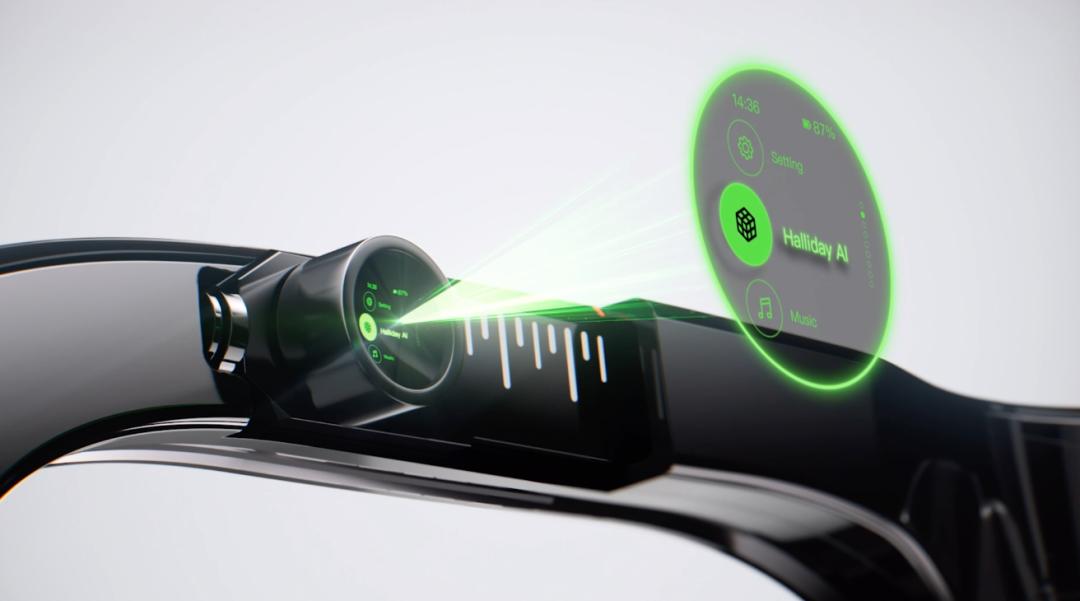

The most distinctive feature of these glasses is their unique Digi Window display solution. It utilizes a 3.6 mm micro-optical module to achieve an equivalent display size of 3.5 inches. The displayed image is visible only to the wearer, which prevents light leakage and privacy issues, while also reducing weight and power consumption compared to other display solutions.
The official weight of these glasses is currently listed at 35 g, which is an excellent level among smart glasses already released.
This achievement is well-founded. On one hand, it stems from the aforementioned differences in display solutions; on the other hand, unlike other AI glasses, they do not incorporate camera modules. Finally, due to strict control over overall power consumption, the device can use a smaller battery while ensuring long battery life, thereby further reducing weight.
Of course, apart from Meta, none of these眼镜 brands have integrated their own large language models. They have all consistently chosen to collaborate with leading model providers, which remains the primary method for AI functionality in such products in the short term.
Beyond these, several other brands have also crossed over into the smart glasses market. For instance, Shockled, originally known for charging products, has ventured into making the Shockled Snap Glasses; Thunderobot, a gaming hardware brand, released three models of glasses at once; and Shokz, traditionally focused on bone conduction headphones, has also launched smart shooting glasses with a similar positioning. Whether they are cross-industry entrants or new startups, these companies have clustered their product launches around CES.
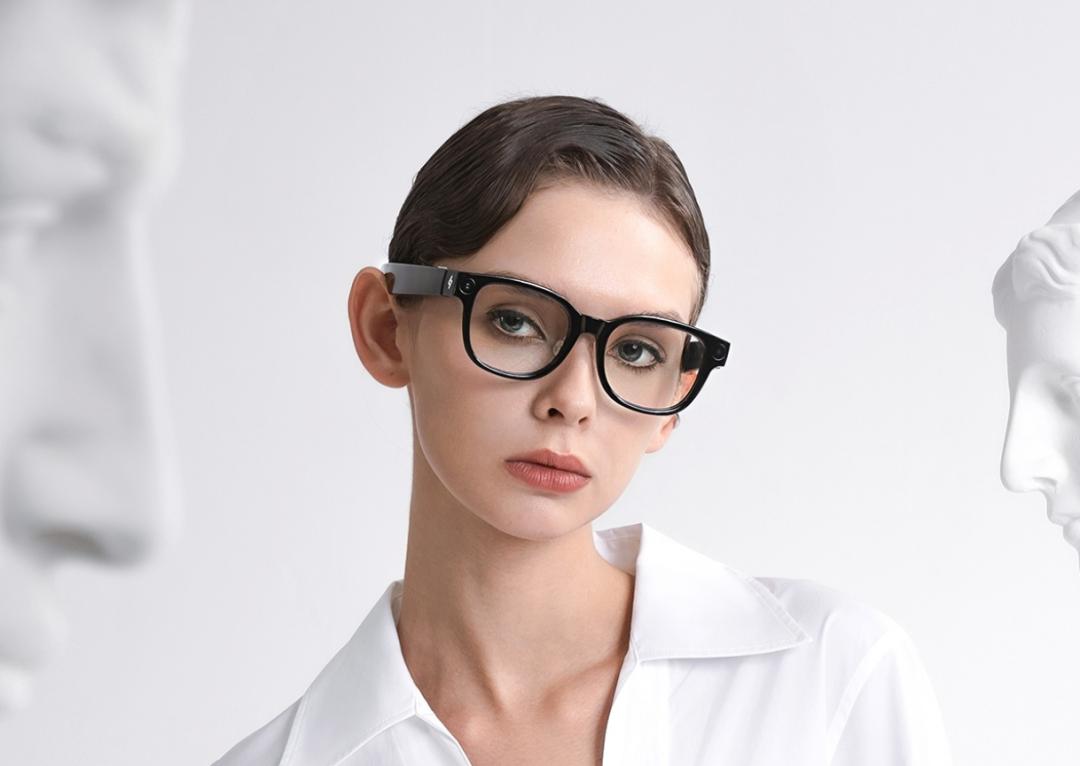
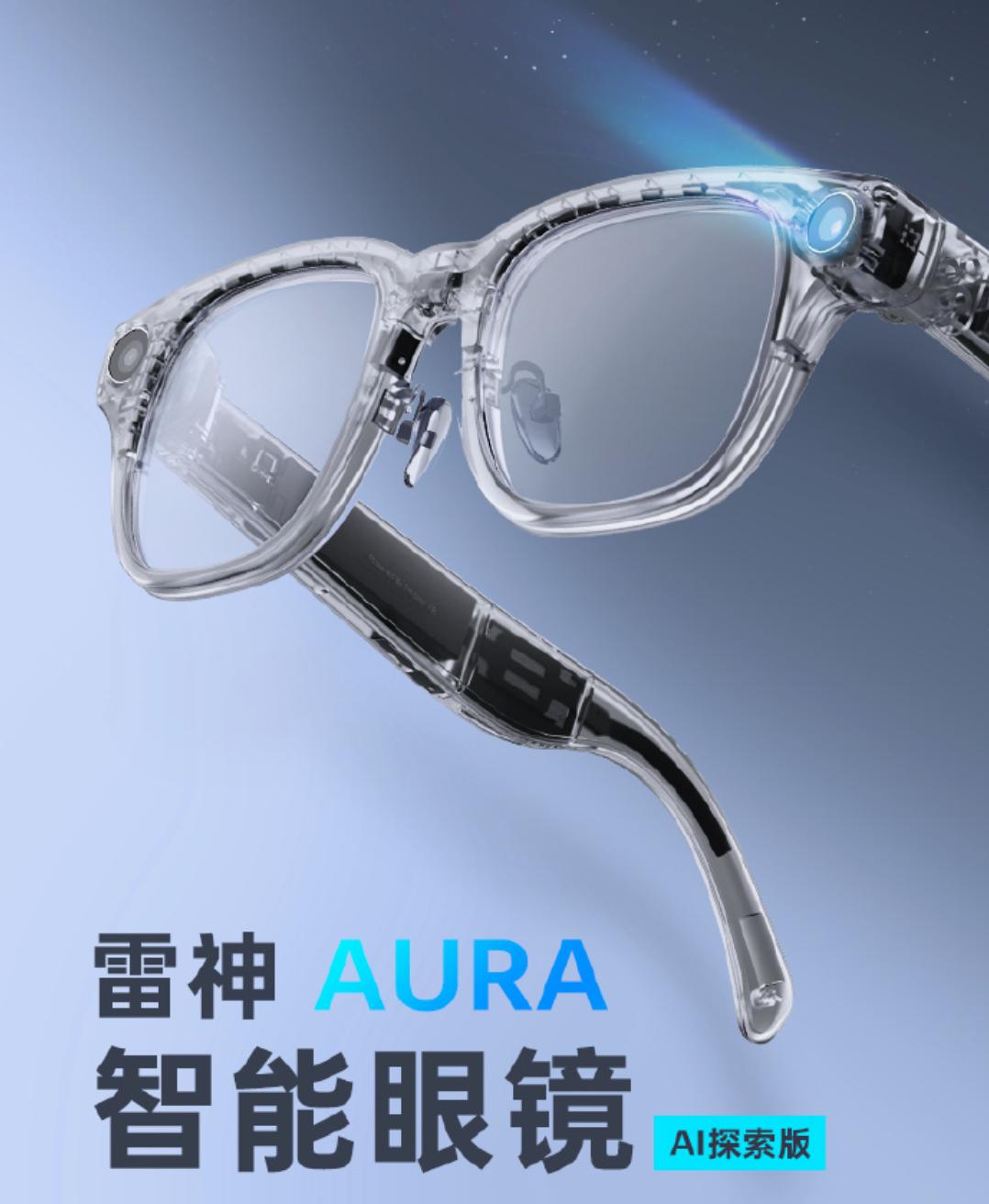
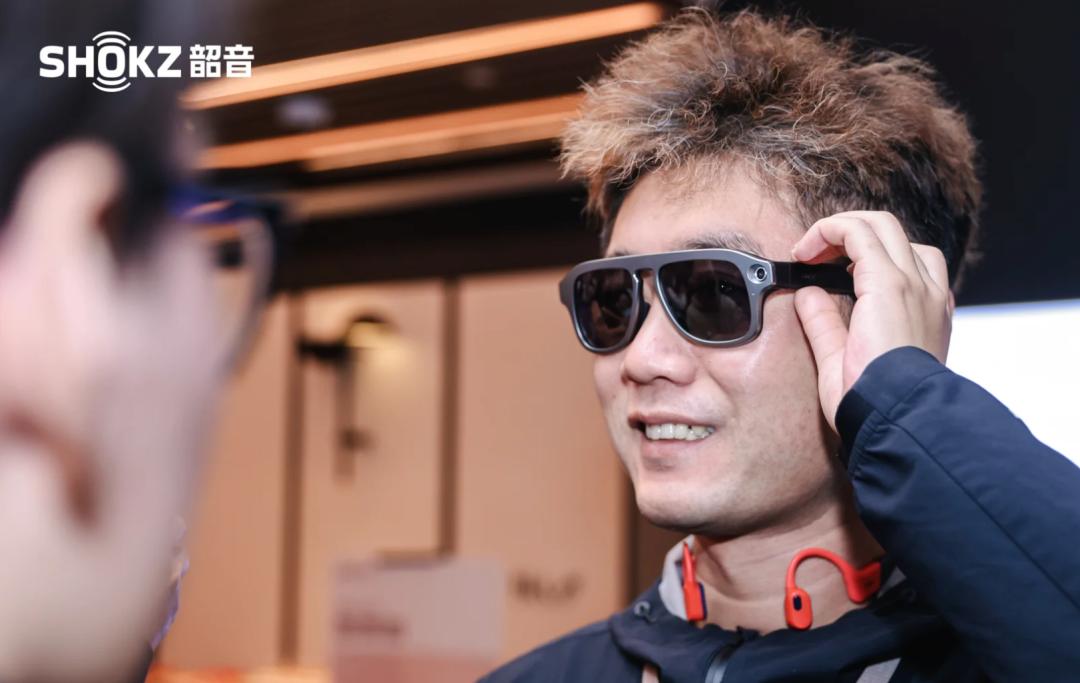
However, behind these products, there hasn't been a breakthrough in key technologies. Most are simply products born from combining different hardware components in appropriate ways. Components such as chips, frames, and cameras can all be found readily within the supply chain driven by the smartphone industry. Precisely because this form factor has a low adoption cost and offers a good user experience, it is highly regarded by many in the industry.
The technology that is truly breaking through remains photonic waveguide technology, which currently holds the most potential. For example, the RayNeo X3 Pro, which has not yet hit the market but was showcased at the event, features innovative etched waveguide technology and a Firefly light engine. These innovations not only allow for smaller and lighter display structures but also help maintain the glasses' original form while delivering superior display quality.
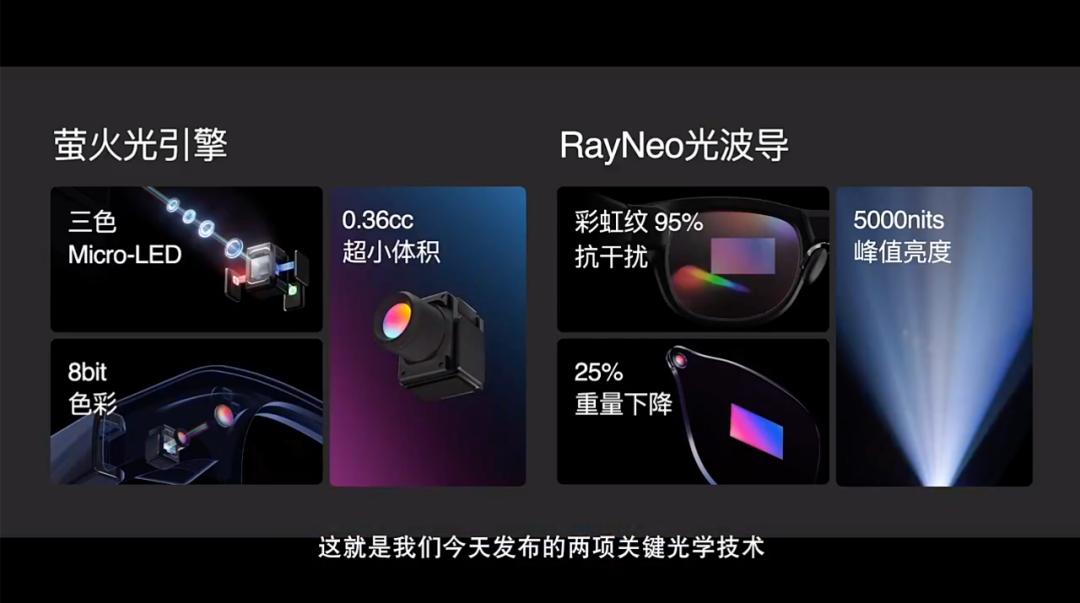
Judging from their recent actions, the trend toward AI glasses is now very clear. Following this, major tech giants like Xiaomi and Samsung are expected to enter the fray soon, and under their influence, the market will likely reach its true inflection point shortly. In contrast, XR (Extended Reality), a concept that has existed for many years, appears somewhat dimmed by this wave. For instance, Sony, an old player in the XR space, officially released the high-definition headset XYN aimed at creators, but it did not attract much attention.
An Accelerator for AI Development
In the past few years, NVIDIA has undoubtedly been one of the biggest beneficiaries of AI development. Almost all companies' model training server clusters rely on NVIDIA's server computing cards or consumer-grade graphics cards. At this NVIDIA press conference, CEO Jensen Huang unveiled a large number of new products and technologies. It is precisely these cutting-edge computing products that are accelerating the rapid development of the current AI industry.
NVIDIA Unveils Multiple Products
First up are the RTX 50 series graphics cards, including four models: RTX 5070 through RTX 5090.
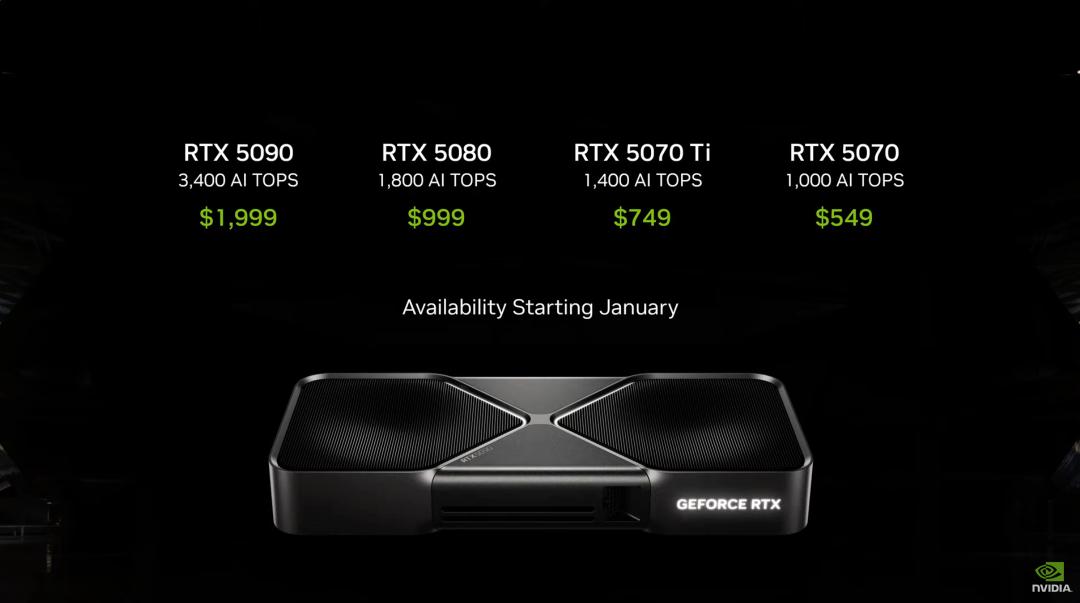
This generation of RTX 50 series is based on the Blackwell architecture, equipped with fifth-generation Tensor Cores and fourth-generation RT Cores, significantly enhancing AI rendering capabilities across neural network shading, digital human technology, geometry, lighting, and more.
The RTX 5090 D features 92 billion transistors and delivers up to 2,375 TOPS of AI compute power—twice that of the previous-generation RTX 4090 D GPU. Innovations in the Blackwell architecture and the application of DLSS 4 technology have led to significant improvements in both performance and power efficiency. DLSS 4 utilizes multi-frame generation technology to boost performance by up to 8x, while introducing Transformer-based super-resolution and ray reconstruction models, further enhancing image quality and stability.
Pricing-wise, the RTX 5090 D and RTX 5080 will be available starting January 30, priced at RMB 16,499 and RMB 8,299 respectively.
RTX 5070 Ti and RTX 5070 will be available in February, priced at $749 and $549 respectively, approximately RMB 5,500 and 4,000.
Huang claims that the RTX 5070 has AI performance comparable to the RTX 4090, while the RTX 5090 offers an average performance increase of about 2 times compared to the previous generation RTX 4090.
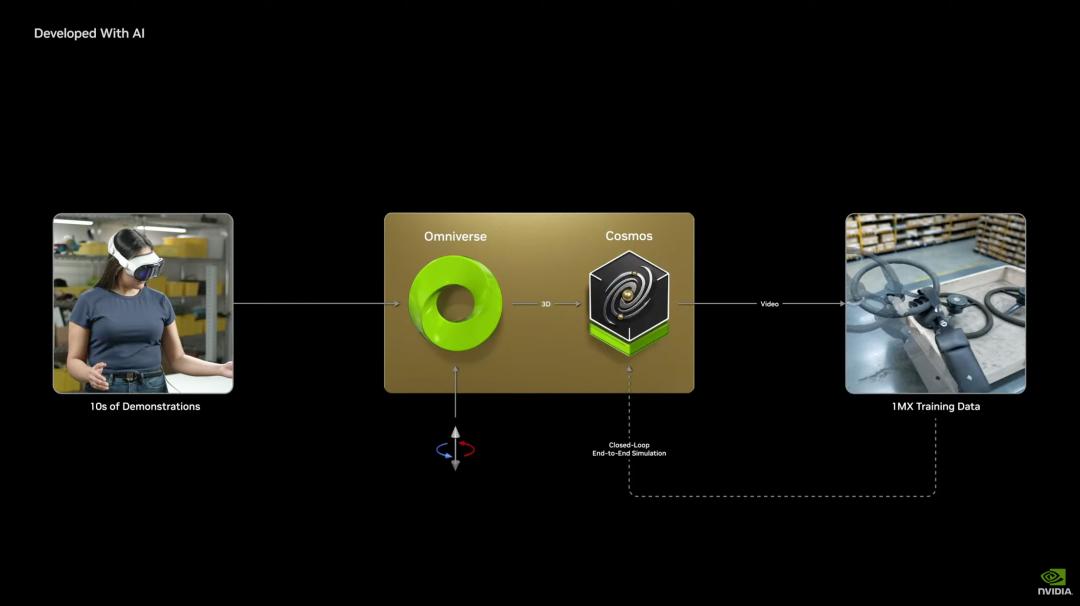
Next is NVIDIA's first world foundation model, Cosmos. The Cosmos model will be available for download under an open license, aiming to accelerate the application of physical AI and promote advancements in autonomous driving and robotics.
The uniqueness of this platform lies in its openness and flexibility. Developers can utilize various data sources for model training and optimization, such as driving footage from autonomous vehicles or navigation videos of robots in warehouses. This diverse input of data provides richer learning materials for AI system training.
In practical applications, the Cosmos platform supports simulation and optimization across a variety of complex scenarios. Autonomous vehicles can learn more road conditions through this platform, while robots can enhance their operational precision in virtual environments. This virtual training approach not only reduces development costs but also significantly improves training efficiency.
The first wave of open models is now available to the developer community. Leading robot and automotive companies, including 1X, Agile Robots, Agility, Figure AI, and XPeng, are among the early adopters of Cosmos. Through this platform, they can customize development solutions according to specific needs, optimizing the performance of their physical AI systems. This customized development model makes the application of AI technology more flexible and practical.
NVIDIA is providing stronger technical support for the development of physical AI systems through the Cosmos platform. This platform not only simplifies the development process but also opens doors for future innovative applications. In fields such as autonomous driving and robotics, we will soon see more practical applications based on the Cosmos platform.
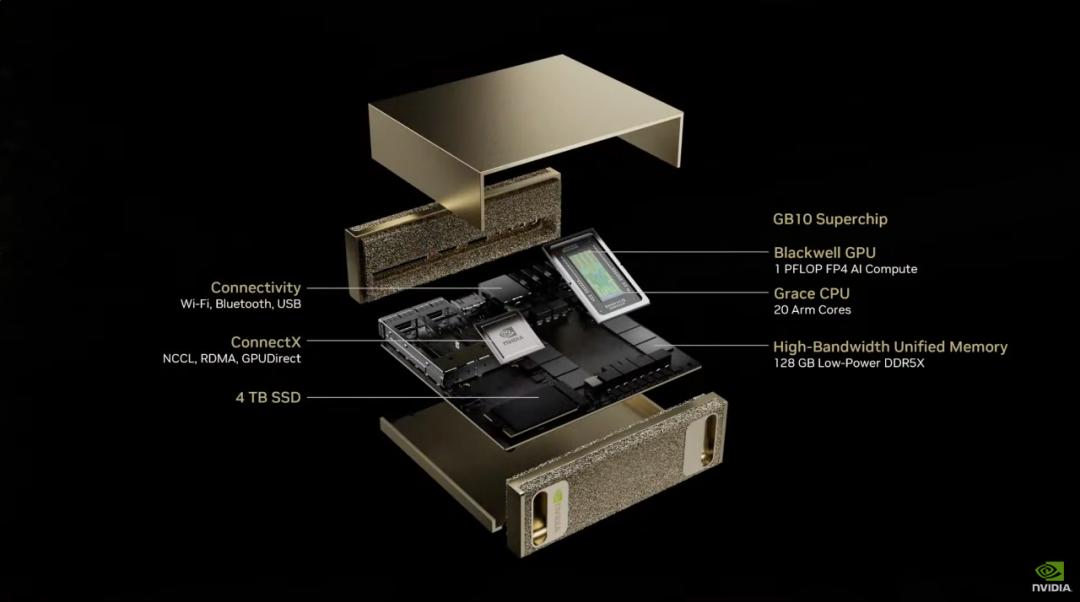
Additionally, for individuals and small-scale companies, Jensen Huang unveiled another 'Project DIGITS' compact super AI computer.
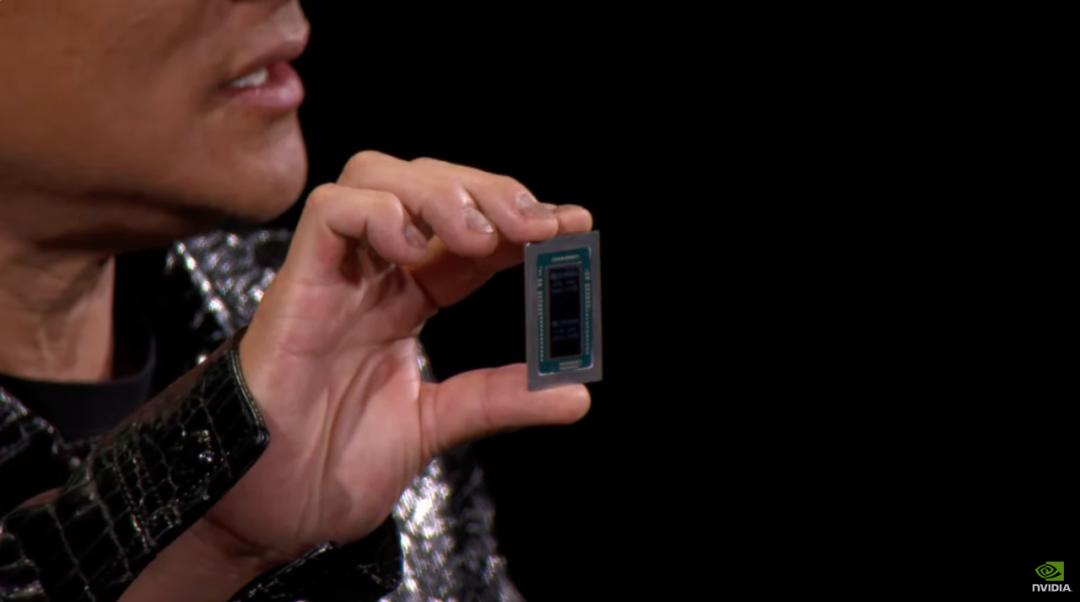
This desktop unit utilizes the latest GB10 super chip, which integrates a Grace-based CPU and a Blackwell-architecture GPU.
In terms of specific configurations, Project DIGITS is equipped with high-bandwidth 128GB DDR5X memory and up to 4TB of SSD storage. A single device can support AI models with up to 200 billion parameters, and when two devices are linked together, they can handle large-scale models with up to 405 billion parameters. These specifications indicate its capability to handle the majority of AI research and development tasks.
On the software side, Project DIGITS runs on the Linux-based DGX operating system, providing full support for NVIDIA's AI software ecosystem. Users can employ it as an independent workstation or connect it to Windows or Mac computers for collaborative work; its desktop footprint is comparable to that of a Mac mini. This flexible usage model makes it suitable not only for professional researchers but also for data scientists and students.
NVIDIA plans to officially launch Project DIGITS through partner channels in May this year, priced at $3,000. Although the price may not be considered 'budget-friendly,' it remains a cost-effective choice in the professional sector compared to server-based solutions.
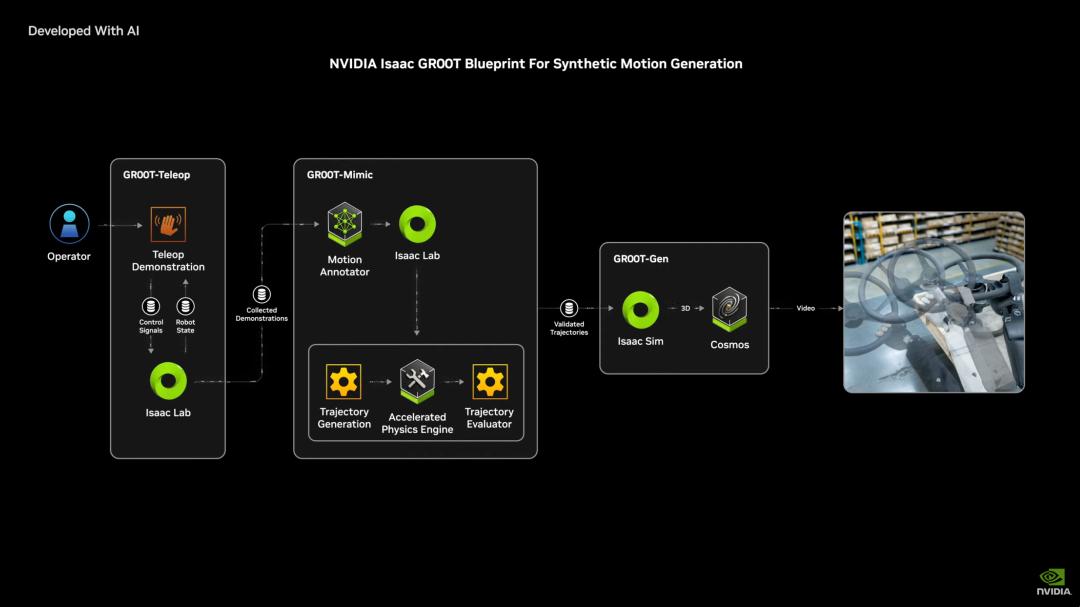
In addition to these products, there is also the Isaac GR00T Blueprint for humanoid robot development, which can leverage Omniverse and Cosmos to drive rapid innovation in physical AI and humanoid robots. Major robotics companies such as Boston Dynamics and Figure have already begun adopting Isaac GR00T and have demonstrated relevant results. Software and hardware manufacturers of humanoid robots, as well as robotics companies, can apply to join NVIDIA's Humanoid Robot Developer Program early.
AMD Releases Desktop AI Chips
Additionally, AMD, another chip giant, unveiled several products at CES, including the brand-new Ryzen AI Max series processors.
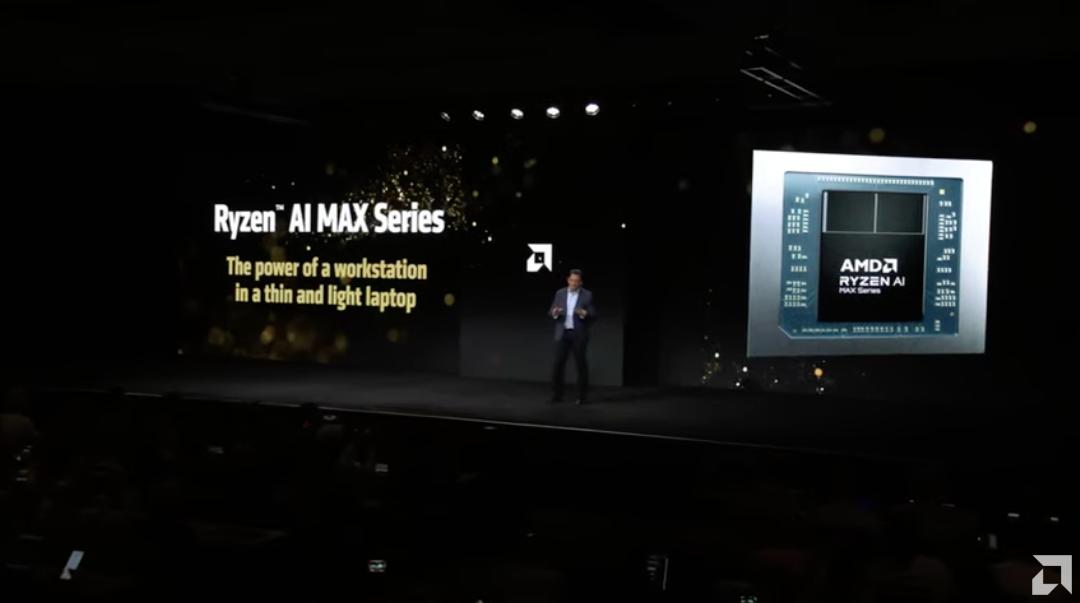
This product series adopts the latest Zen 5 architecture, configurable with up to 16 cores and 32 threads, equipped with 40 RDNA 3.5 graphics compute units, and integrates an XDNA 2 neural processing unit, delivering AI computing performance of up to 50 TOPS.
Notably, the processor's power design range is highly flexible, adjustable between 45 W and 120 W to accommodate different platforms and thermal designs. In terms of memory, it utilizes LPDDR5x with a bandwidth of up to 256 GB/s. Specifically within the product line, there are multiple models including the Ryzen AI Max+ 395, Max 390, Max 385, and Max Pro 380, with a maximum clock speed reaching 5.1 GHz.
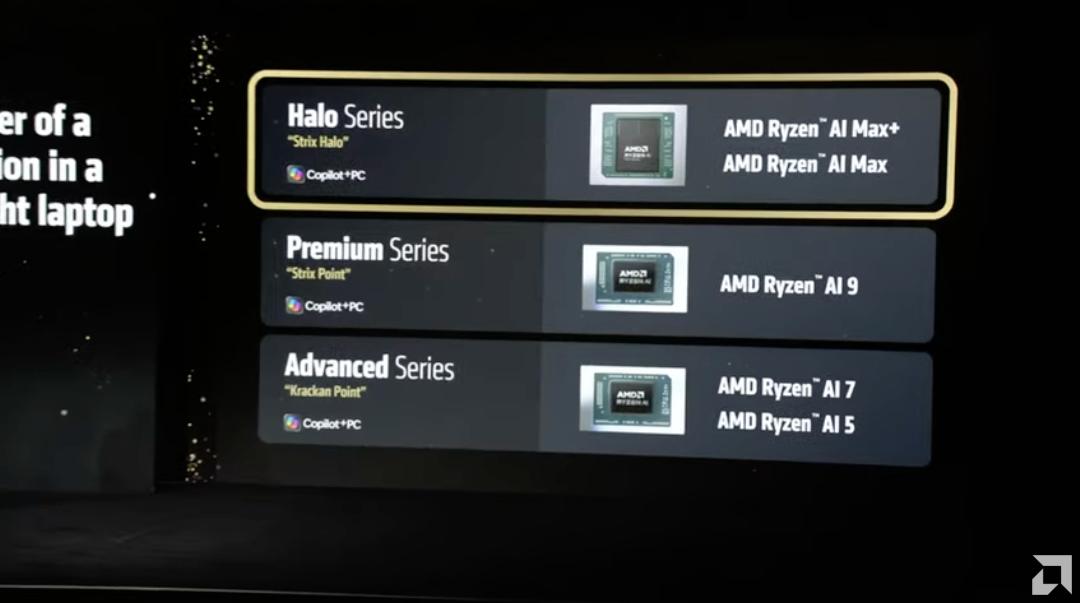
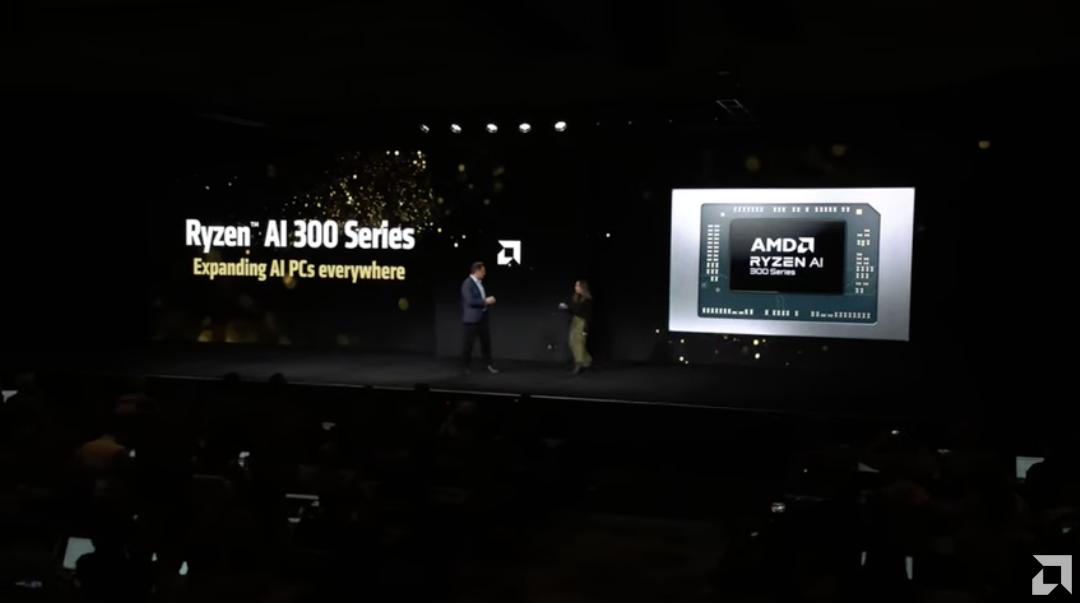
At the same time, AMD also released the Ryzen AI 300 and 200 series processors targeting the mid-to-low-end market, further perfecting its layout for the AI PC product line. The AI computing power of the Ryzen AI 200 series processors is 16 TOPS, and they will be launched in the second quarter of 2025.
Finally
This CES 2025 exhibition has undoubtedly set the direction for technological development this year. Exhibitors jointly demonstrated the future trend of deep integration between AI technology and hardware, especially in the fields of intelligent robots, smart homes, and personal devices. The introduction of AI has made traditional hardware more intelligent, driving innovation and transformation in these industries.
On one hand, AI has endowed robots with stronger autonomous decision-making and emotional interaction capabilities, expanding beyond their past industrial applications to areas such as homes, healthcare, and education. With future development and a reduction in hardware costs, intelligent robots will be widely used in more aspects of daily life, promoting home automation and changes in lifestyle. For example, the upcoming Roborock G30 Space Explorer Edition is a good example.
Turning to personal devices, especially AI smart glasses, they are becoming the focus of the next generation of smart hardware. With suitable prices and low acceptance costs, the form factor of glasses is rapidly increasing integrated functions. In the future, smart glasses are expected to become an entirely new mainstream consumer electronic product.
Moreover, looking at these products from a broader perspective, we can see that products paired with AI are essentially various types of hardware forms. They are different forms of products born under the definition of various needs, some of which have already entered the consumer market, while more universal robots may still need to wait some time.
2025 is about to be the first year of the explosion of the AI product market, and only the first year.