
A Conversation with the Author of StageCraft: What’s the Difference When Migrating VLA from Embodiment to Environmental Changes?
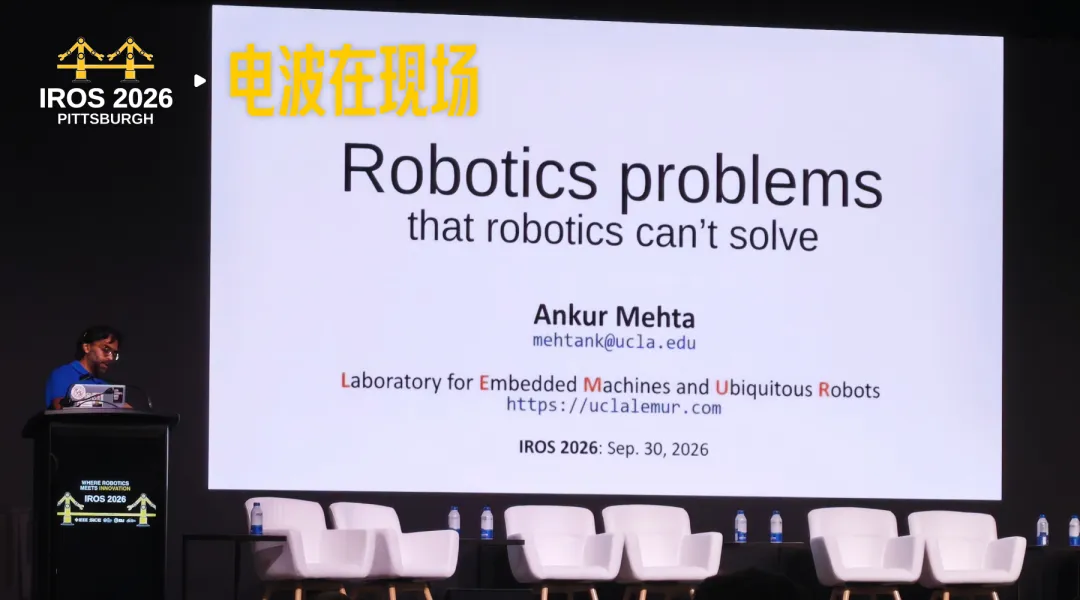
On September 30, at the Guo Ji Zhi Neng Ji Qi Ren Yu Xi Tong (IEEE/RSJ International Conference on Intelligent Robots and Systems) 2026 conference, Ankur Mehta, Associate Professor of Electrical and Computer Engineering at Jia Zhou Da Xue Luo Shan Ji Fen Xiao (UCLA), opened his keynote address with "problems robots cannot solve themselves." Addressing an audience composed nearly half of principal investigators and students, he presented a disquieting contrast: on one side lay the technological landscape proud of achievements in robotics research; on the other, growing public vigilance and resentment toward AI, data centers, and robotics.
At this IEEE/RSJ International Conference on Intelligent Robots and Systems, this may be regarded as the most self-reflective presentation by Mei Guo Ju Shen Zhi Neng Xue Jie. Previously, the academic community’s primary concern was how to build robots simply and efficiently and provide solutions for them. However, researchers gradually encountered problems originating outside the machines themselves: How should robots be developed under resource constraints? What should be done when information is insufficient or the environment is unfavorable for achieving goals? After years of studying these issues, Ankur Mehta concluded that the most universal and effective approach is to invest heavily in frontier research until each problem is resolved.
Yet this premise is now difficult to guarantee. Currently, Mei Guo Ju Shen Zhi Neng Xue Jie faces a triple dilemma of shrinking research funding, talent shortages, and public skepticism, which may hinder robotic R&D and technological breakthroughs.
Retreat in Research Funding
Currently, one of the obstacles facing Mei Guo Ju Shen Zhi Neng Xue Jie is "resource constraints." Over the past year or two, since Te Lang Pu Zheng Fu took office, the U.S. scientific community has closely monitored shortages in university research resources. During this period, budget cuts at some universities were overturned and then reinstated under different conditions, causing widespread concern within academia. "Even with a forum held specifically this week, it is difficult to judge where things will go."
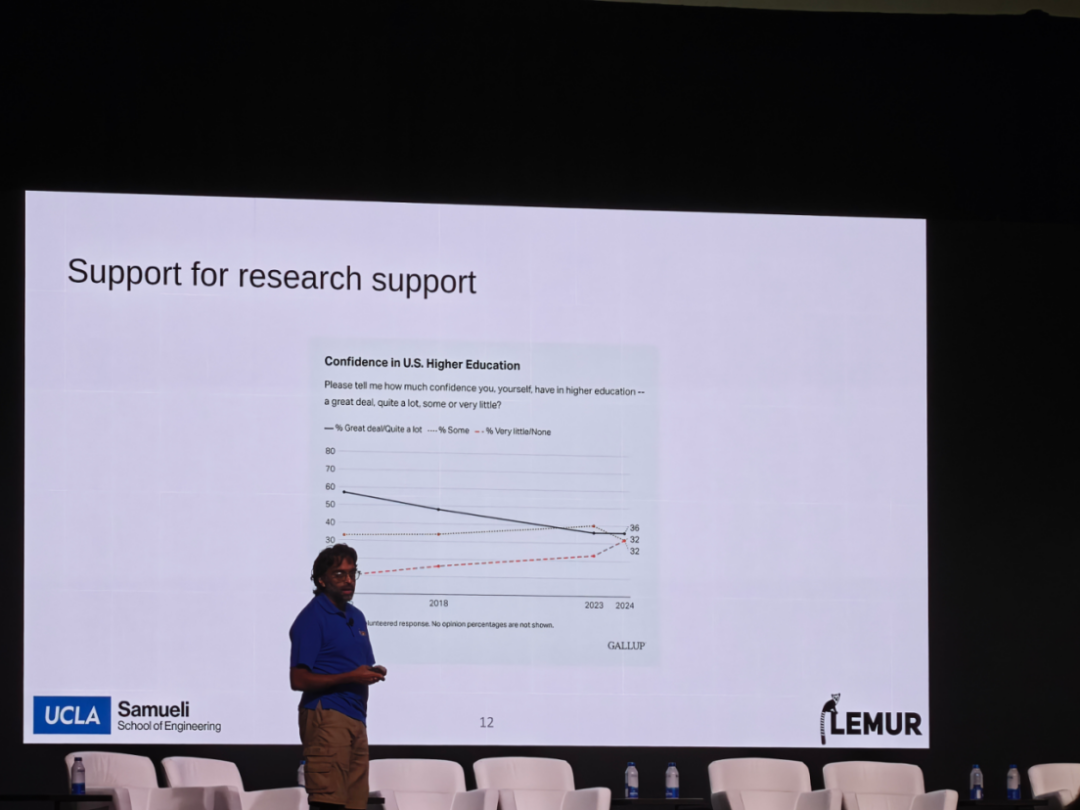
Moreover, even if research does not directly rely on specific grants, much work occurs within universities, which are collectively facing significant reductions in institutional support. Even in Jia Li Fu Ni Ya Zhou, traditionally considered a liberal stronghold, public support is receding.
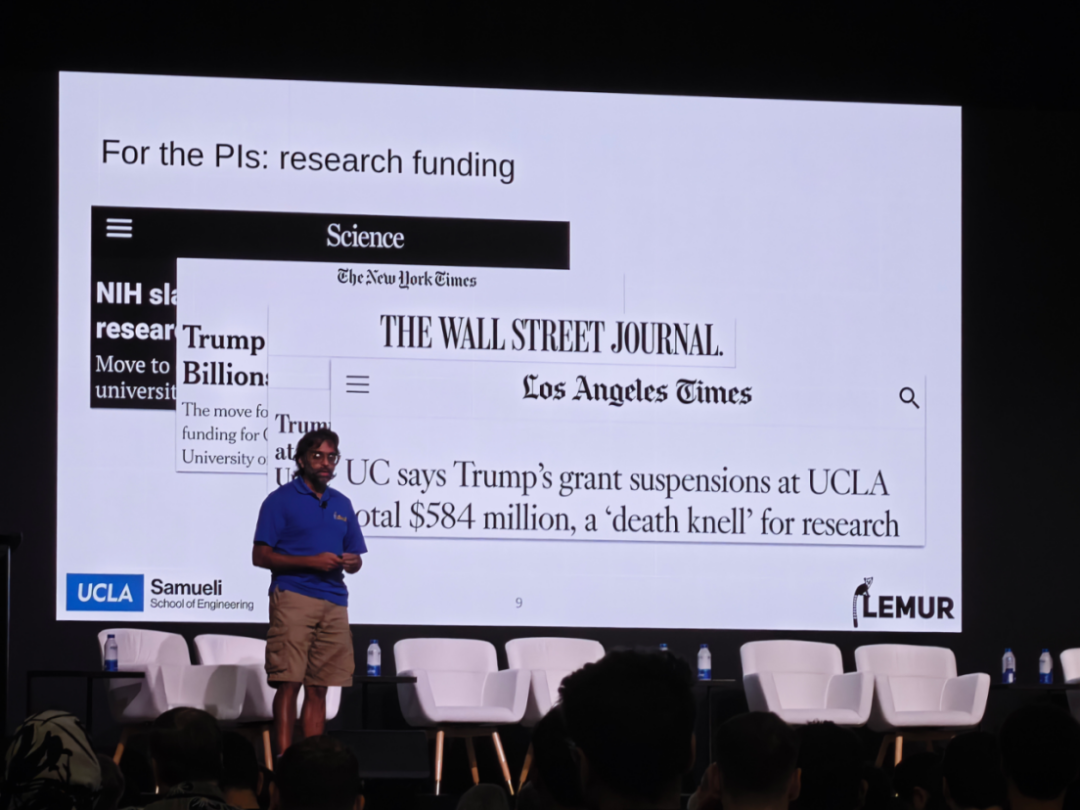
Earlier, major U.S. media outlets including Ke Xue, Niu Yue Shi Bao, Hua Er Jie Ri Bao, and Luo Shan Ji Shi Bao reported on the impact of Te Lang Pu Zheng Fu’s suspension of funding on university research. Jia Zhou Da Xue Xi Tong stated that approximately USD 584 million in research grants at UCLA and other American universities had been paused, sounding a "death knell" for research endeavors.
Behind the retreat of public support lies a more fundamental signal: declining confidence in higher education within American society. Gallup data shows that since 2015, public trust in higher education has steadily declined. Between 2023 and 2024, the proportion of Americans expressing "great deal/quite a lot" of trust in higher education dropped to about thirty percent. He argues that attacks on education often accompany attacks on rationality, and the insufficient support for higher education and scientific research represents a deeper systemic withdrawal.
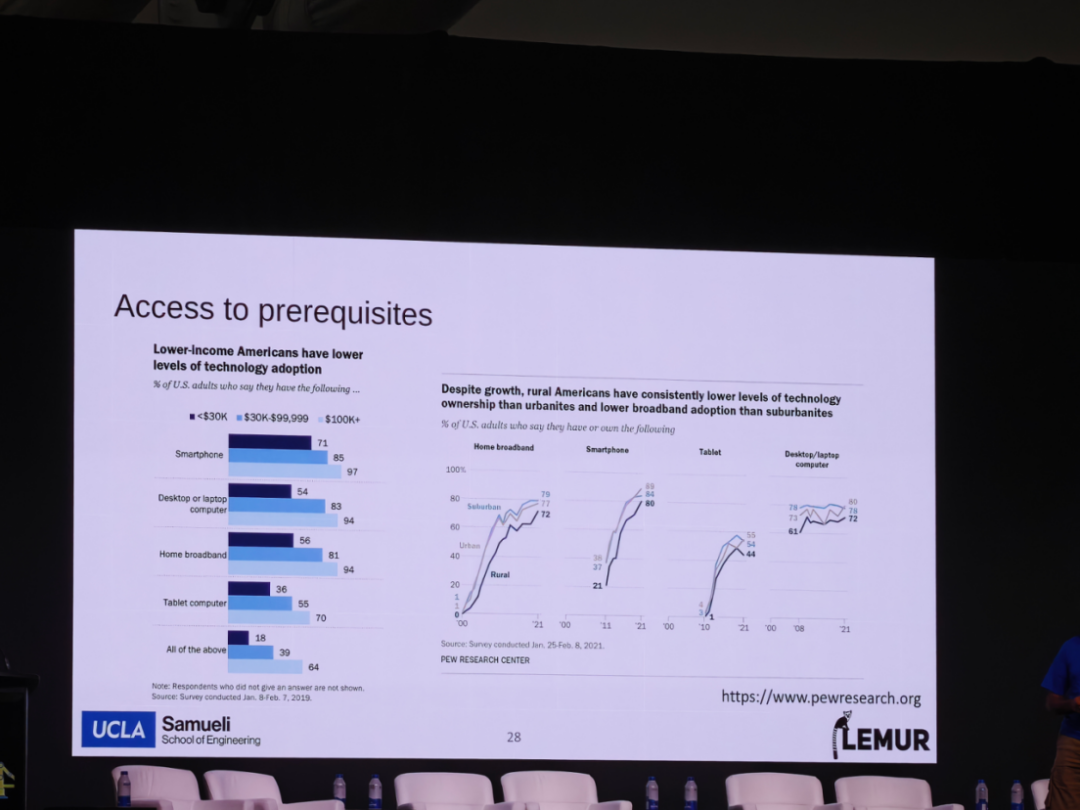
The impact on higher education also extends to talent cultivation in robotics. Declining trust in the value of higher education translates into a shortage of industry talent. From undergraduate to graduate and doctoral levels, individuals from diverse backgrounds are gradually leaving the research system, creating a funnel-like drain. Meanwhile, the complex engineering demands of robotics require substantial human resources, exacerbating the talent gap. Ankur Mehta cited Pew Research Center data indicating significant technological adaptation gaps due to income disparities in American society. Individuals earning under USD 30,000 annually have significantly lower ownership rates of smartphones, home broadband, tablets, and desktops compared to high-income groups; rural residents also lag behind urban and suburban residents in broadband access and device ownership. In this context, income inequality affects young people's early adoption and understanding of emerging technologies.
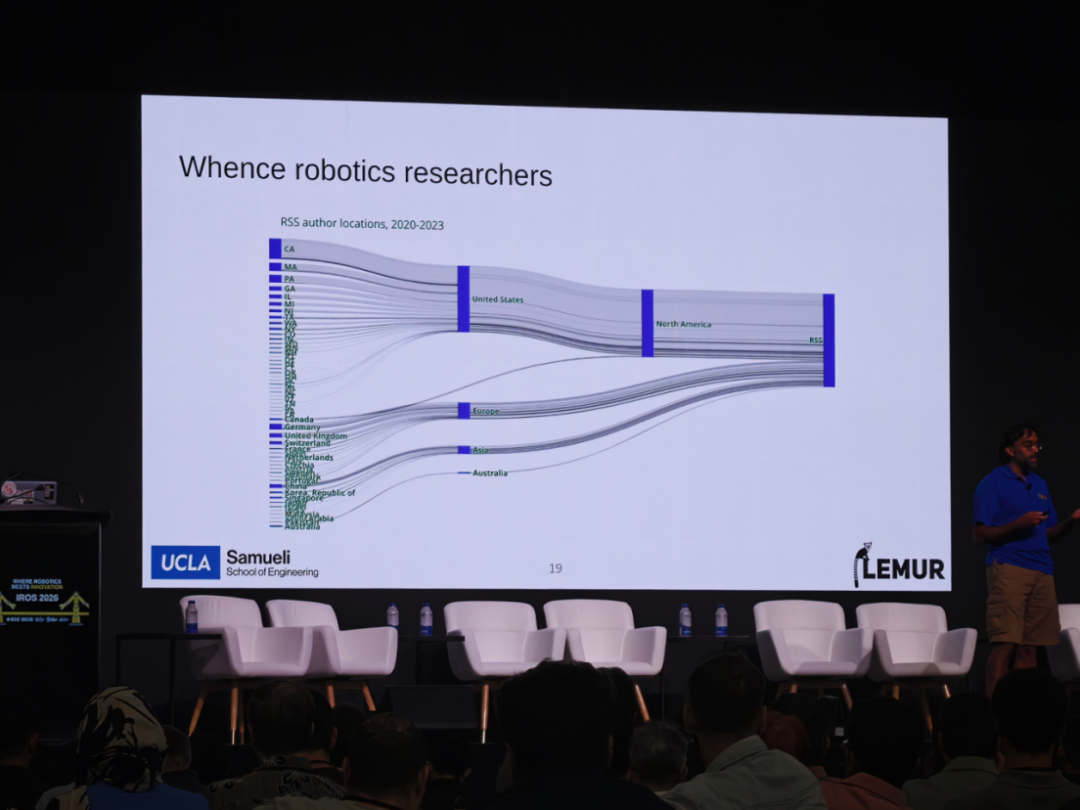
Looking globally, regional representation imbalances are equally evident. A Sankey diagram of author affiliations for Robotics: Science and Systems (RSS) from 2020 to 2023 shows that among researchers in embodied AI, Bei Mei, represented by the United States, is the largest contributor. In Ou Zhou Di Qu, De Guo, Ying Guo, and Rui Shi rank in the top three. In Ya Zhou Qu Yu, Zhong Guo accounts for the largest share of talent.
Furthermore, the potential for robots to exacerbate social inequality remains a focal point of debate. Income and wealth, along with the identity of their "owners," are highly correlated with an individual's ability to enter frontier fields; those lacking resources are more likely to drop out of research midway. When the composition of the research community differs significantly from the real-world population outside the room, "the work we demonstrate and complete here will eventually leave this venue to solve problems for people around the world—including those who did not make it into this room." In such circumstances, innovations in Ke Xue technology may diffuse only within the research community, while the public remains largely unaware, potentially leading to distorted technical perceptions and misunderstandings.

Public Concern Poses a Major Test
The imbalance in the understanding of Ke Xue technology, coupled with its link to social inequality, is likely to trigger public anxiety. Ankur Mehta believes that Mei Guo Ju Shen Zhi Neng Xue Jie faces a significant test in building credibility, clarifying doubts, and securing public trust.
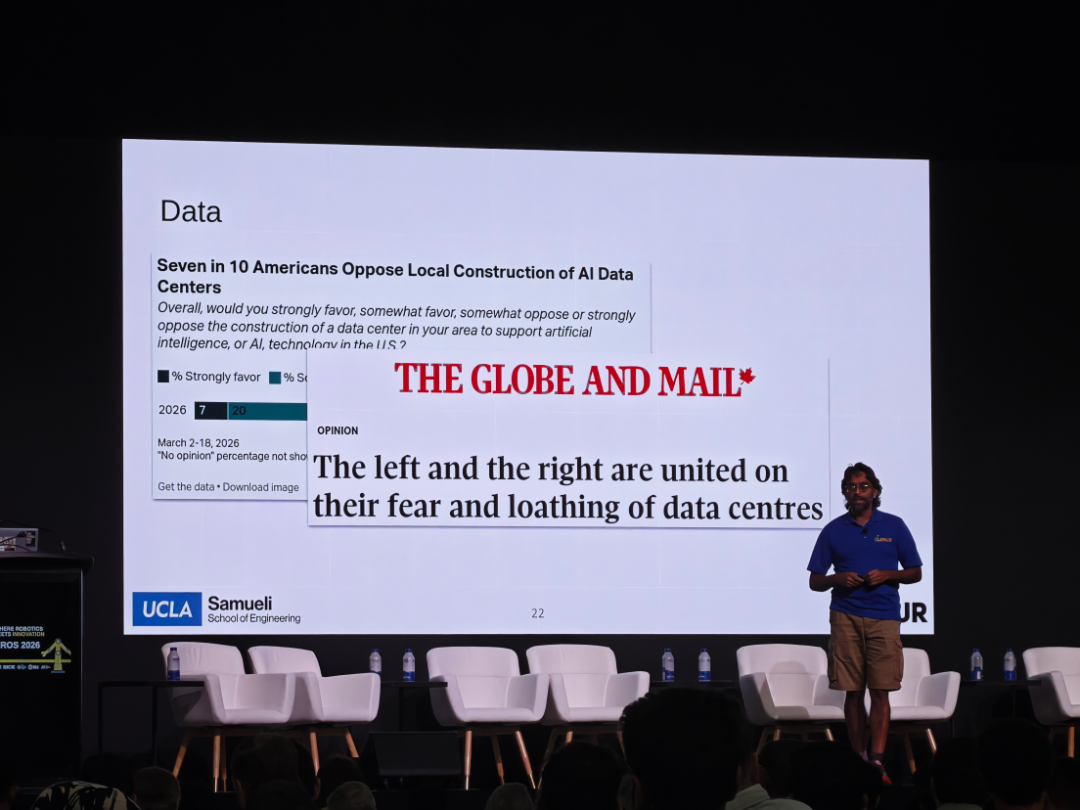
A poll conducted by Canada's Huan Qiu You Bao in March this year showed that about seven in ten Americans oppose the construction of AI-supporting data centers in their localities. Earlier reports on data centers by U.S. media outlets such as Niu Yue Shi Bao and Hua Sheng Dun You Bao had already prompted both left- and right-wing factions in the United States to become "uniquely united in fear and disgust" over the issue.
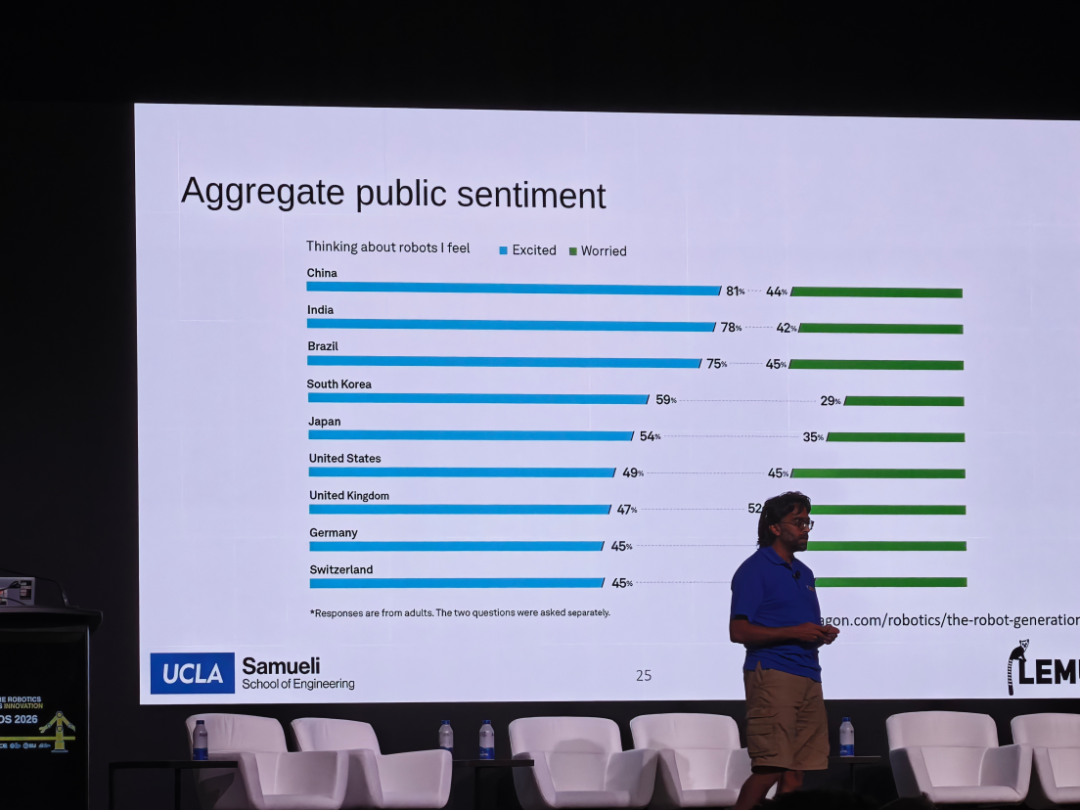
This anxiety is not unique to Bei Mei. A cross-national survey on public sentiment toward robots (The Economist's "Robot Generation" special survey) reveals that excitement and concern about robots coexist, with proportions varying by country: among Zhong Guo respondents, approximately 81% felt excited and 44% concerned; Yin Du recorded 78% excited versus 42% concerned; Ba Xi saw 75% excited against 45% concerned; the United States reported 49% excited versus 45% concerned; and Ying Guo showed 47% excited compared to 52% concerned. In Ying Guo, the proportion of concern has surpassed that of excitement.
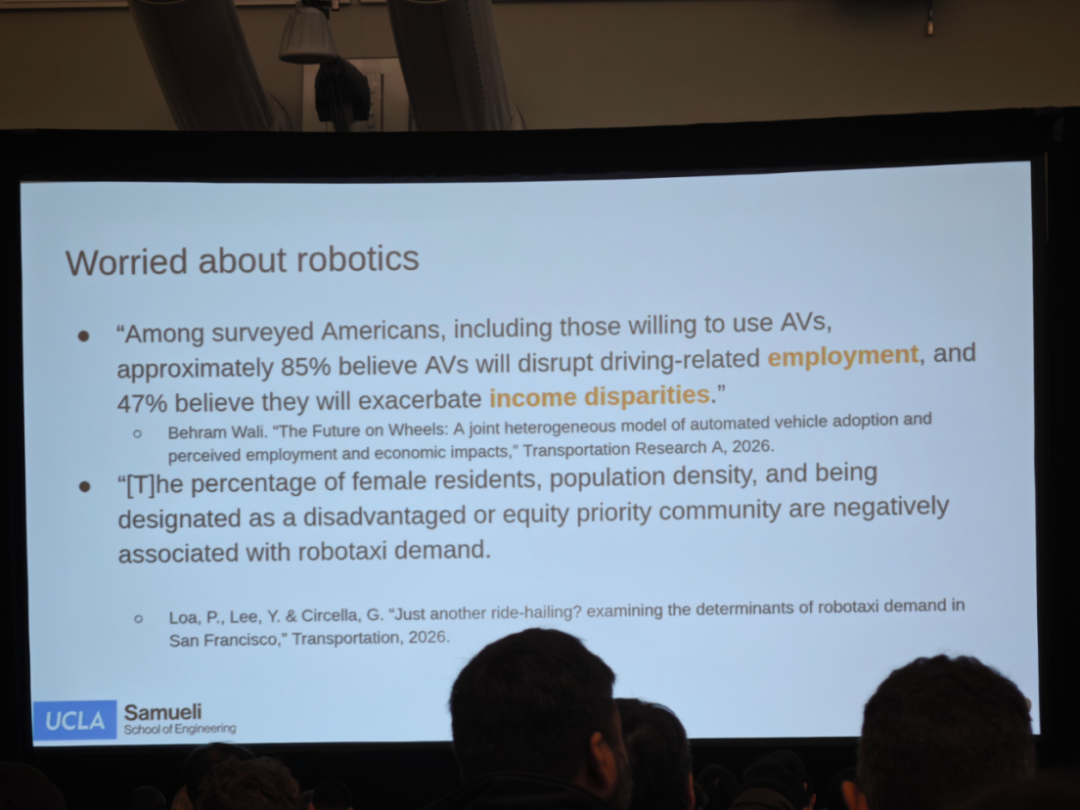
Mehta further detailed specific technical scenarios that concern the public. Research by Behram Wali, published in Transportation Research Part A, indicates that approximately 85% of Americans believe autonomous vehicles will disrupt driving-related employment, while 47% fear they will exacerbate income inequality. Another study on robotaxi demand in Jiu Jin Shan (Loa, Lee & Circella, Transportation) found that demand is negatively correlated with the proportion of female residents, population density, and designation as a vulnerable or equity-priority community. Faced with emerging Ke Xue technologies, the public inevitably worries about disruptions to employment.
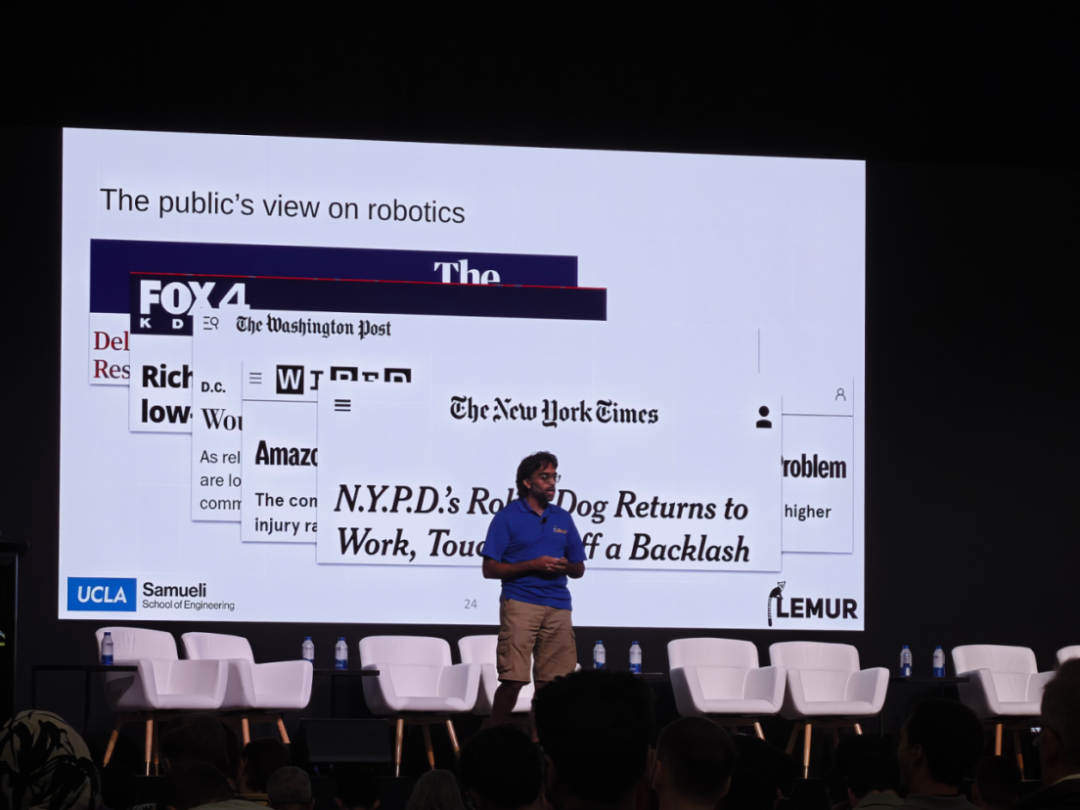
Even more striking is the backlash triggered by reports on robots. In 2021, Niu Yue Shi Bao reported on the strong backlash against the Niu Yue Jing Cha Ju (NYPD) for deploying new patrol robot dogs, forcing authorities to adjust their deployment strategy under public pressure. Discussions regarding warehouse robots, flying robots, and weapon systems also frequently appear in the media. Mehta specifically noted that during the Q&A session of the keynote speech just one day before this conference, concerns were raised that robot technology might be used for anti-humanitarian purposes.
Of course, this is also closely linked to technological progress. With the emergence of artificial intelligence, the control and planning routes for traditional robots have been significantly altered, and the boundaries between large models and robots are blurring. The quality and quantity of data play a crucial role in this shift. Today, when the American public talks about "data," they often think first of data centers rather than Ke Xue facts. Furthermore, researchers no longer simply say "robots"; they now refer to "robots and AI."
"We did not actively draw a clear boundary, and even if we did, the public might not accept it. Because the robot technology we create could potentially be used for anti-humanitarian purposes, researchers might easily retreat into their ivory towers, claiming to be merely technicians or scholars creating neutral tools, arguing that whether the tool is used for good or evil is the choice of the user. However, the public will not grant us such immunity. What we have created is already causing problems in the real world, and we may have to bear responsibility. Even if we do not take it on voluntarily, the public will attribute the blame to us."
The Academic Community Must Win Social Trust
Faced with unprecedentedly rapid technological transformation, the academic community must better strive to win public trust. Taking the field of autonomous driving as an example, the academic community must form external consensus through close communication and positively articulate the public interest and value of the technology—essentially answering the question "who benefits?" Although intelligent technologies generate risks, these are often borne by the public. The academic community needs to demonstrate to the public that robots are not solutions created for only a small segment of people, "which is precisely one of the challenges we face."
Some attendees pushed the discussion toward deeper technological right-wing issues. Since most technologies tend to concentrate existing power, public attitudes are unlikely to change unless there is a shift in who benefits from robots and AI and how ownership is concentrated. Mehta believes the problem "is not limited to cognition, nor is it merely about communication"; technology has real impacts. As researchers responsible for technology, the academic community has the capacity to guide technology toward a fairer direction.
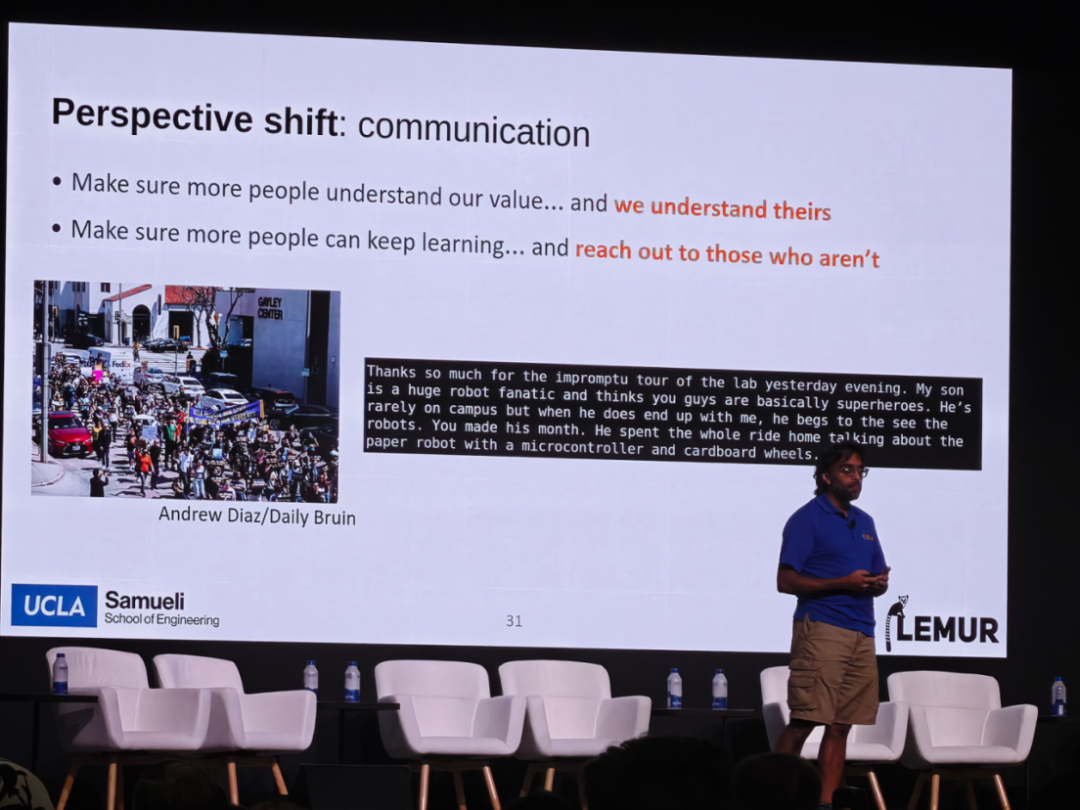
To avoid an unpopular predicament, Mehta believes a part of future academic work must involve a "shift in perspective." One purpose of using intelligent technology is to further master cognition and continue development. It is self-evident that the importance of absorbing the next generation of emerging forces cannot be overstated, especially as some of these individuals will enter academia in the coming years.
Therefore, communication is a very important way to persuade the public. Robotics work itself should include expression, listening, and public engagement.
"We need to truly understand what others need, why our work is valuable to them, and how their needs are, in turn, valuable to us."
Ankur Mehta emphasized the importance of maintaining communication with the outside world and mutual understanding. Especially when facing people who walk on the street and rarely meet, "a person you never thought of might surprise you. If you stop to talk on the road and learn about their world, we might not just do robotics harder—just write more code, build more machines, collect more data, and draw more diagrams. Instead, we can re-examine the problem and try to solve it with non-robotic means."
The on-site discussion also provided specific paths for "how to do it." Researchers should create their own content and conduct their own outreach, demonstrating that academic work is valuable and meaningful, capable of enhancing well-being and benefiting society, rather than waiting for the public to be surrounded by prominent negative news; they should value education, enabling workers to take on new jobs and roles brought by new technologies; project leaders, journal editors, and conference organizers should make "going into the world and conducting investigations" a publishable and incentivized research endeavor.
In the future, researchers and communities should use these methods to avoid forming an "us versus them," "insiders versus outsiders" dynamic with the public and society, no longer constantly competing against each other for resources and solutions, but moving toward broad trust and cooperation in an intelligent world.