

Vita Dynamics Launches Quadruped Development Platform Under RMB 30,000; DEV Geek Edition Priced at RMB 20,988 for Singles' Day
By Jiang Si Qi
Vita Dynamics has released the DEV Geek Edition of its quadruped robot, a development platform targeting individual developers and enthusiasts. Priced officially at RMB 22,988, the unit is available for RMB 20,988 during the Singles' Day promotion from November 10 to November 20 through the official WeChat mini-program and JD.com flagship store.
On November 10, Vita Dynamics launched the Super Robot Dog DEV Geek Developer Edition, offering a quadruped robot development platform for individual developers and tech enthusiasts. The official retail price is RMB 22,988, with a limited-time Double Eleven price of RMB 20,988. The promotion runs from 00:00 on November 10 to 24:00 on November 20. The product is available through the official Vbot WeChat Mini Program store and the Vbot JD.com Official Flagship Store.
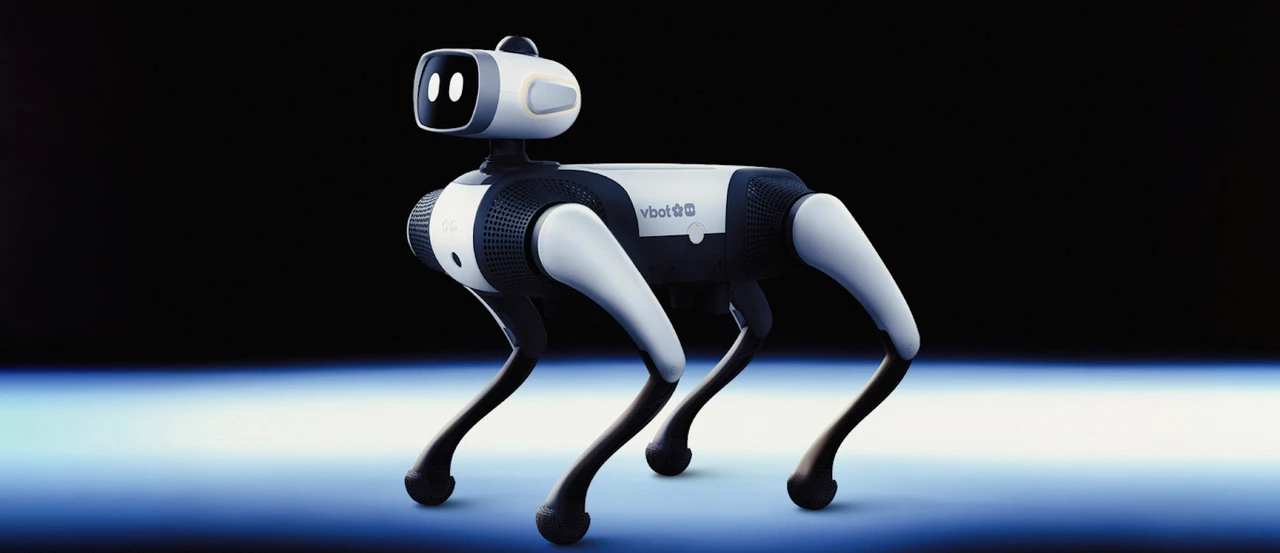
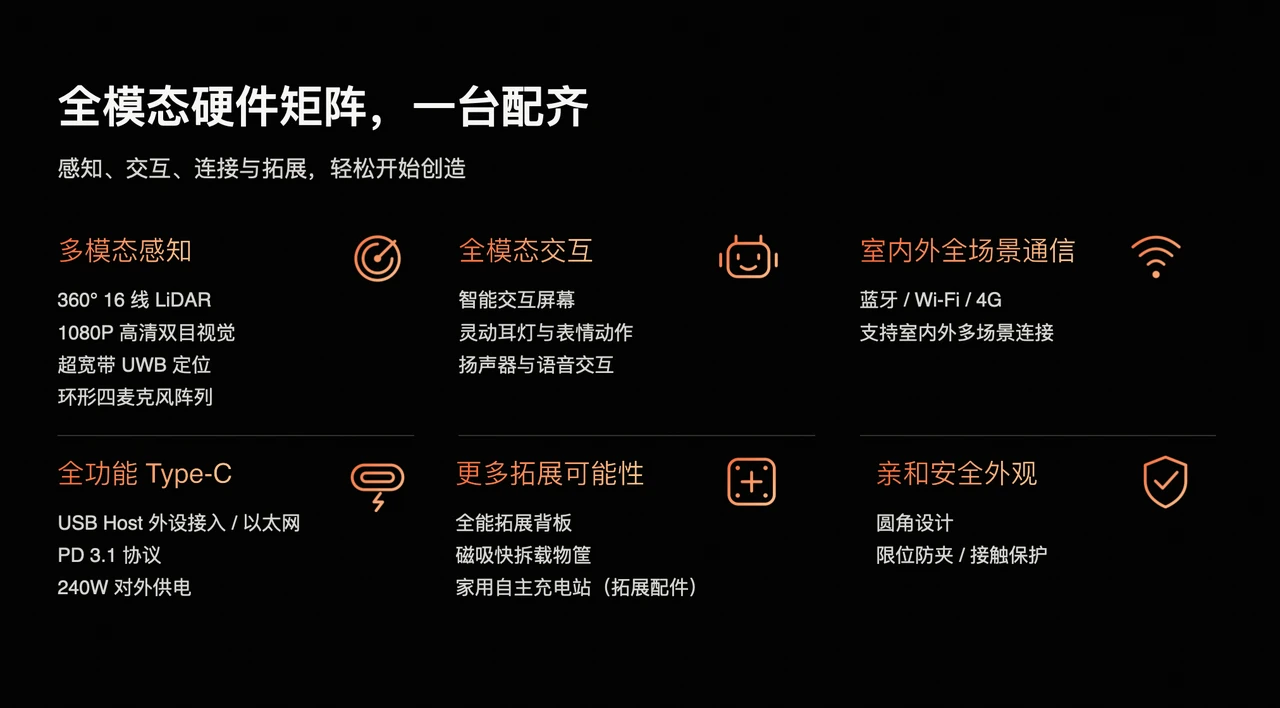
The DEV Geek Developer Edition integrates a LiDAR, high-definition stereo cameras, a microphone array, a screen, speakers, and ear lights. It supports Bluetooth, Wi-Fi, and 4G connectivity, and features a full-featured Type-C port along with mounting threads on the body. Users can connect external peripherals such as cameras, speakers, and projectors, or attach accessories like backplates and cargo baskets.
This hardware allows developers to directly access the robot's perception, interaction, and connectivity capabilities, eliminating the need to separately procure basic equipment. Vita Dynamics notes that entry-level quadruped robots supporting secondary development on the market typically cost between RMB 30,000 and RMB 50,000, while fully configured models can range from RMB 40,000 to RMB 90,000. The DEV Geek Developer Edition brings the price point down to the RMB 20,000 range.
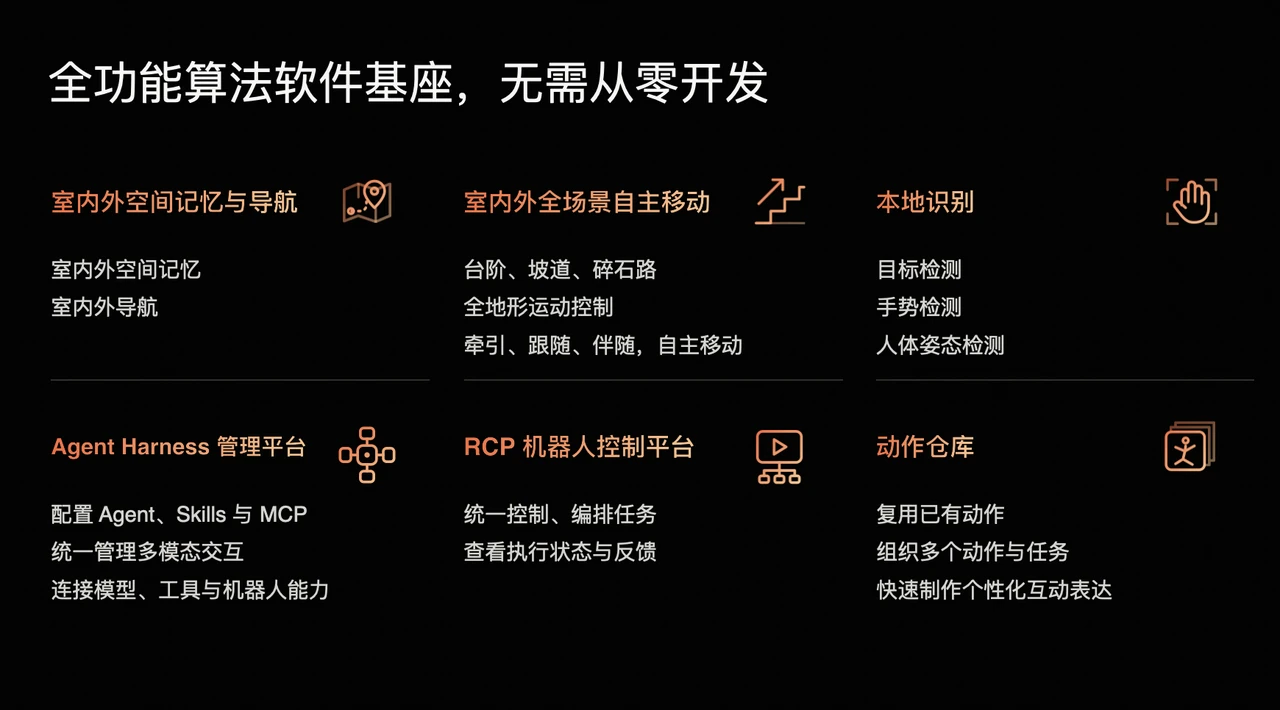
On the software side, the DEV Geek Developer Edition provides a functional foundation including spatial memory and navigation, follow-me capabilities, local visual recognition, voice interaction, the RCP robot control platform, and a motion pack repository, alongside an open SDK and development documentation. Users can invoke and combine these capabilities to develop applications such as autonomous navigation, target recognition, and voice alerts. The product also offers more than 50 motion and expression assets for designing robot interactions.
The product is compatible with ROS 2 and open-sources Aorta, Vita Dynamics' self-developed distributed middleware. Developers can connect directly to the robot via Wi-Fi and use the accompanying simulation studio, development documentation, and AI-native tools for development and debugging. Vita Dynamics explains that an AI agent can assist developers in finding interfaces, writing code, and debugging programs.
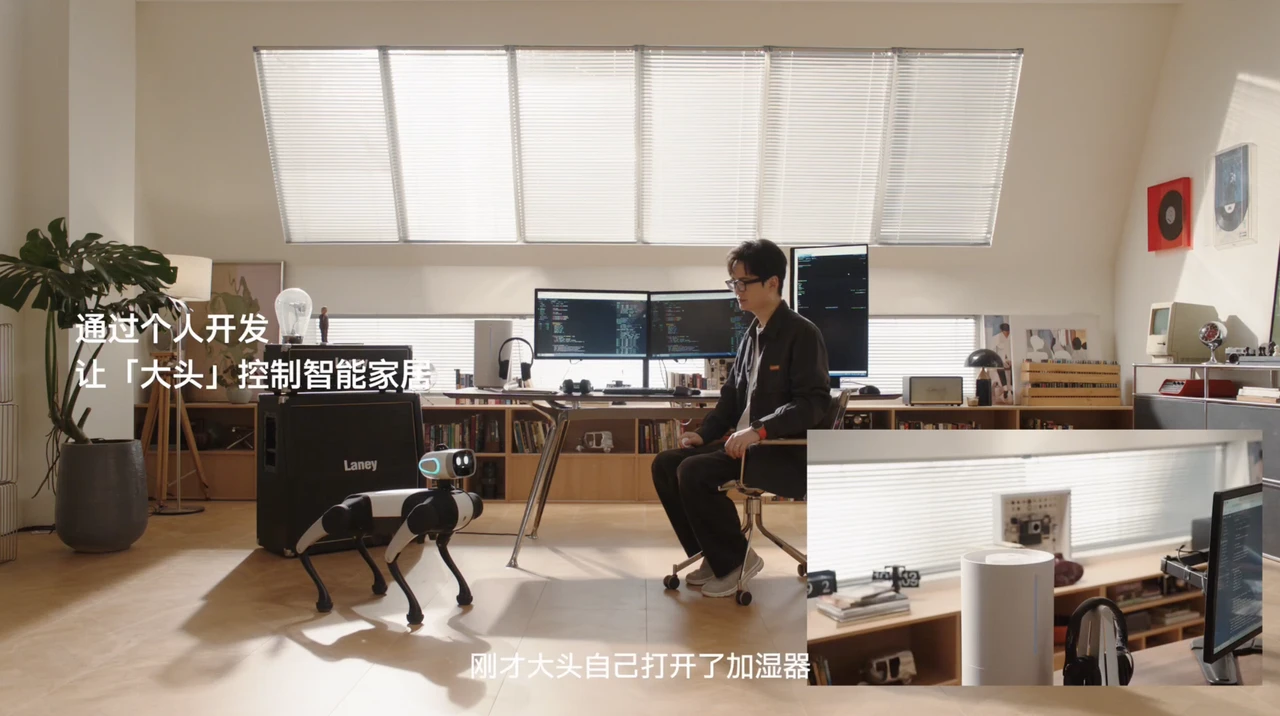
The Vita Dynamics development team used natural language to describe requirements to an AI agent and developed a smart home butler based on the DEV Geek Developer Edition. When a user says, "Datou, the environment feels a bit dry," the robot dog turns on the humidifier. When the user is about to leave, it can check the status of the lights in the house, turn off any that are left on, and respond verbally. This application involves speech understanding, device connectivity, task orchestration, and robot interaction, demonstrating one practical use case for the development tools.
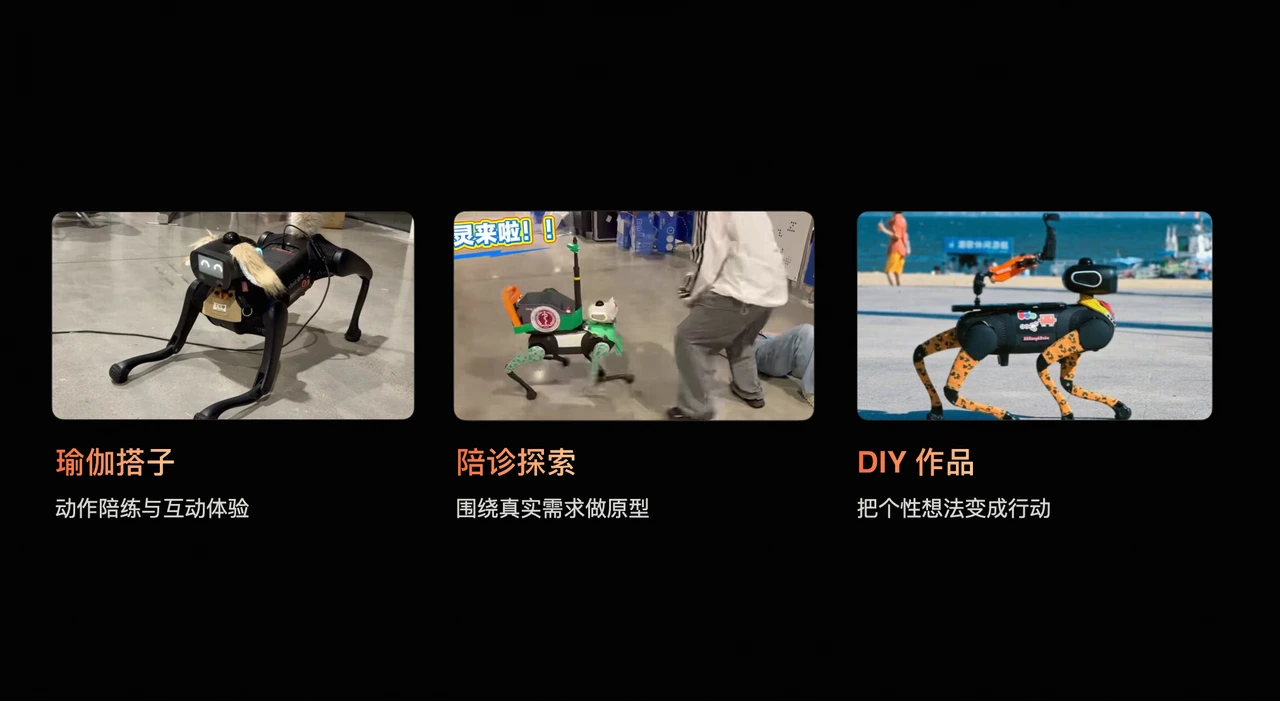
Creations by individual developers have also emerged in previous events. In August 2026, participating teams at the SheNicest hackathon developed projects based on the Vbot robot dog, including hospital companionship, exercise companionship, and health monitoring. Among them, "Lingling" attempted to combine autonomous navigation, voice interaction, and follow-me capabilities to guide patients through the hospital and provide process reminders. "Jiajia Dog," on the other hand, engaged in yoga interactions through pose recognition and invited users to exercise.
Vita Dynamics stated that it will continue to refine its development tools and technical resources, providing opportunities for hands-on practice with physical robots and project exchanges through events like hackathons. The company is also advancing its "Thousand-Person Co-creation Plan" to recruit 1,000 embodied AI developers globally, and plans to connect with developer ecosystem resources such as D-Robotics.