

D-Robotics Proposes RTPolicy Vision-Action Policy with Estimated 30 ms Inference Latency on S600
On November 23, D-Robotics, alongside Soochow University, Tongji University, and the Institute of Automation, Chinese Academy of Sciences, introduced RTPolicy, a vision-action policy that generates dual-arm joint actions using head and wrist camera feeds and the robot state.
On November 23, D-Robotics, in collaboration with Soochow University, Tongji University, and the Institute of Automation, Chinese Academy of Sciences, introduced RTPolicy, a vision-action policy. It takes inputs from a head camera, left and right wrist cameras, and the robot's proprioceptive state to generate dual-arm joint actions. The paper reports that RTPolicy achieved an average success rate of 72.0% across three real-robot tasks and 52.26% across 50 simulation tasks in RoboTwin 2.0.
As the robotic arms execute movements, the camera feeds change continuously. If the policy waits until an entire action sequence is completed before re-evaluating, positional deviations that occur during the process could carry over into the next step.
RTPolicy's real-robot system runs action execution and policy inference concurrently: the robotic arms execute trajectories at 30 Hz, while the policy generates subsequent actions at 10 Hz based on new camera feeds, seamlessly integrating the new actions into the ongoing trajectory. The real-robot success rates reported in the paper were measured on an RTX 4090 setup. The 32.9 Hz figure for the S600 is derived from a single inference latency conversion; the project page notes this is a compiler estimate and should not be mistaken for the actual action update frequency on the physical robot.
Compressing three camera feeds into 12 visual tokens
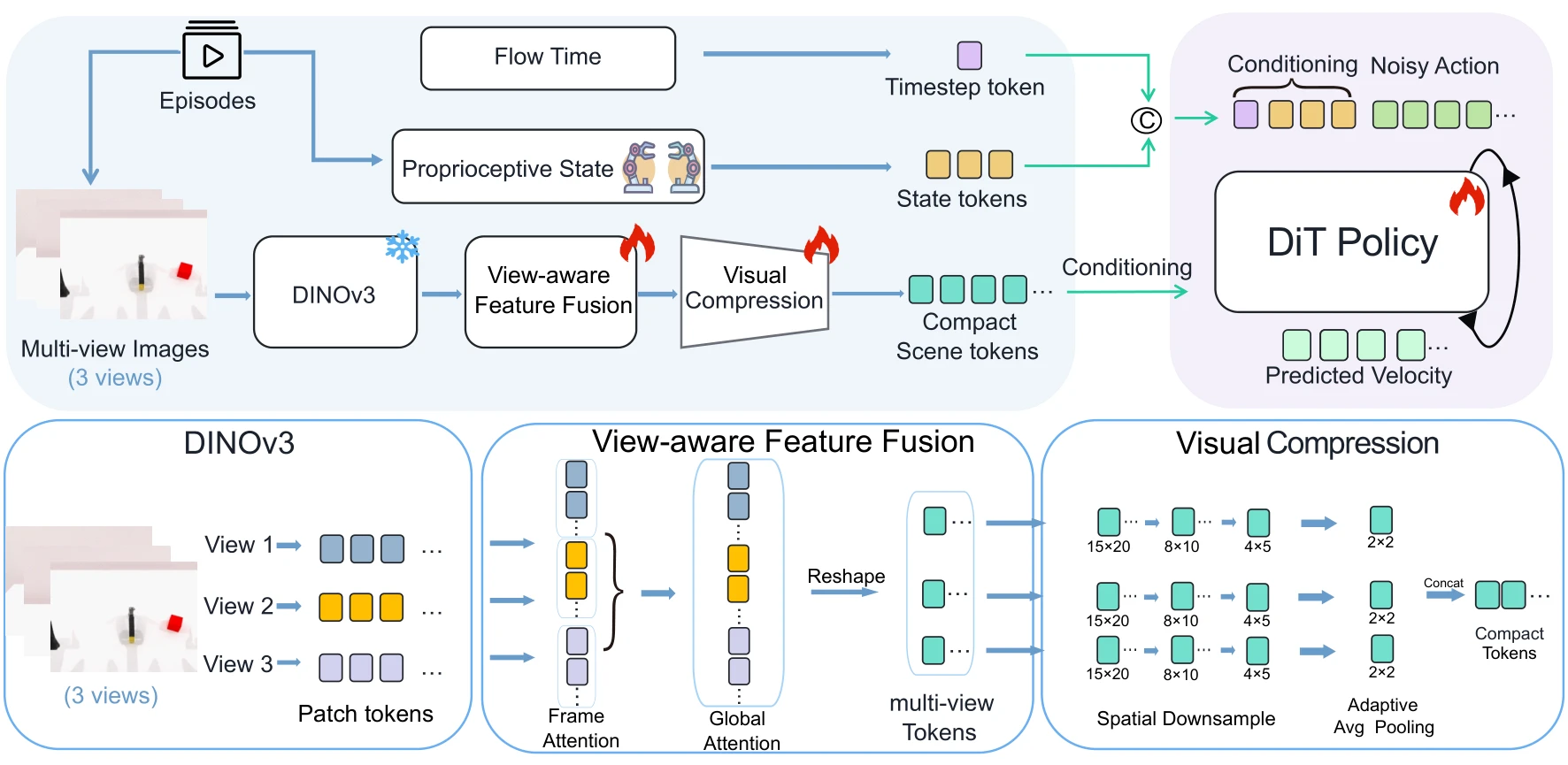
Figure 1 | RTPolicy architecture diagram
The head camera captures the workspace, while the two wrist cameras observe the area near the grippers. RTPolicy uses DINOv3 ConvNeXt to extract image features, fusing information from the different viewpoints within the model.
With three 480 × 640 image inputs, the encoder produces a total of 900 visual tokens. RTPolicy compresses these down to 12 before feeding them, along with the robot's state, into the action model. The model generates a sequence of joint actions using four-step flow matching; the paper's step-count experiments identify four steps as the optimal trade-off between computational cost and task performance.
Three real-robot tasks with an average success rate of 72.0%
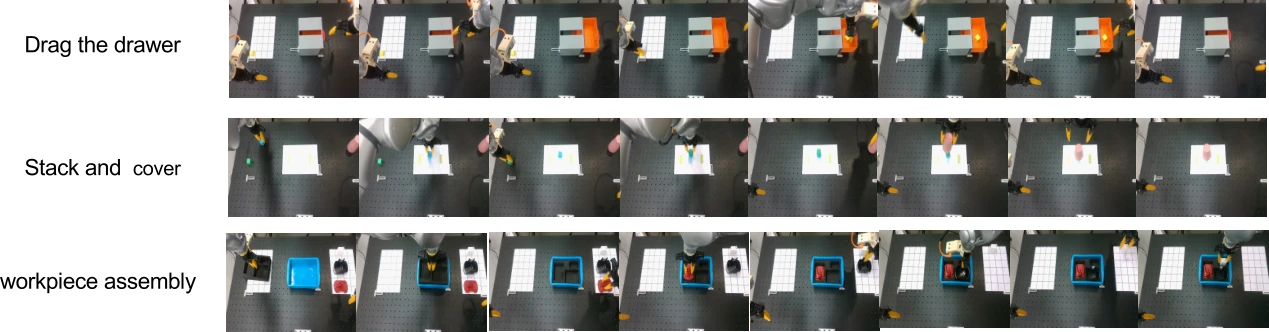
Figure 2 | Dual-arm platform and three real-robot tasks
The physical robot platform comprises two ROKAE AR5 robotic arms and three RGB cameras. The team designed three tasks: pulling a drawer, stacking blocks and placing a cup over them, and workpiece assembly. Each task was trained using 200 teleoperated demonstrations and evaluated over 50 trials; a trial was considered successful only if all steps were completed.
RTPolicy achieved success rates of 92%, 94%, and 30% across the three tasks, yielding an average of 72.0%. For comparison, the average success rates were 52.0% for π₀.₅, 40.7% for VO-DP, and 29.3% for DP. All methods used the same number of training demonstrations, but camera inputs followed each method's specific configuration: RTPolicy and π₀.₅ used three camera views, whereas DP and VO-DP used a single view.
The research team also varied the policy update frequency for the block-stacking and cup-covering task. At 10 Hz, the success rate was 94%; dropping the frequency to 5 Hz and 2 Hz reduced the success rates to 88% and 70%, respectively. This specific evaluation was conducted only on this single task.
S600 INT16 inference latency estimated at 30.35 milliseconds
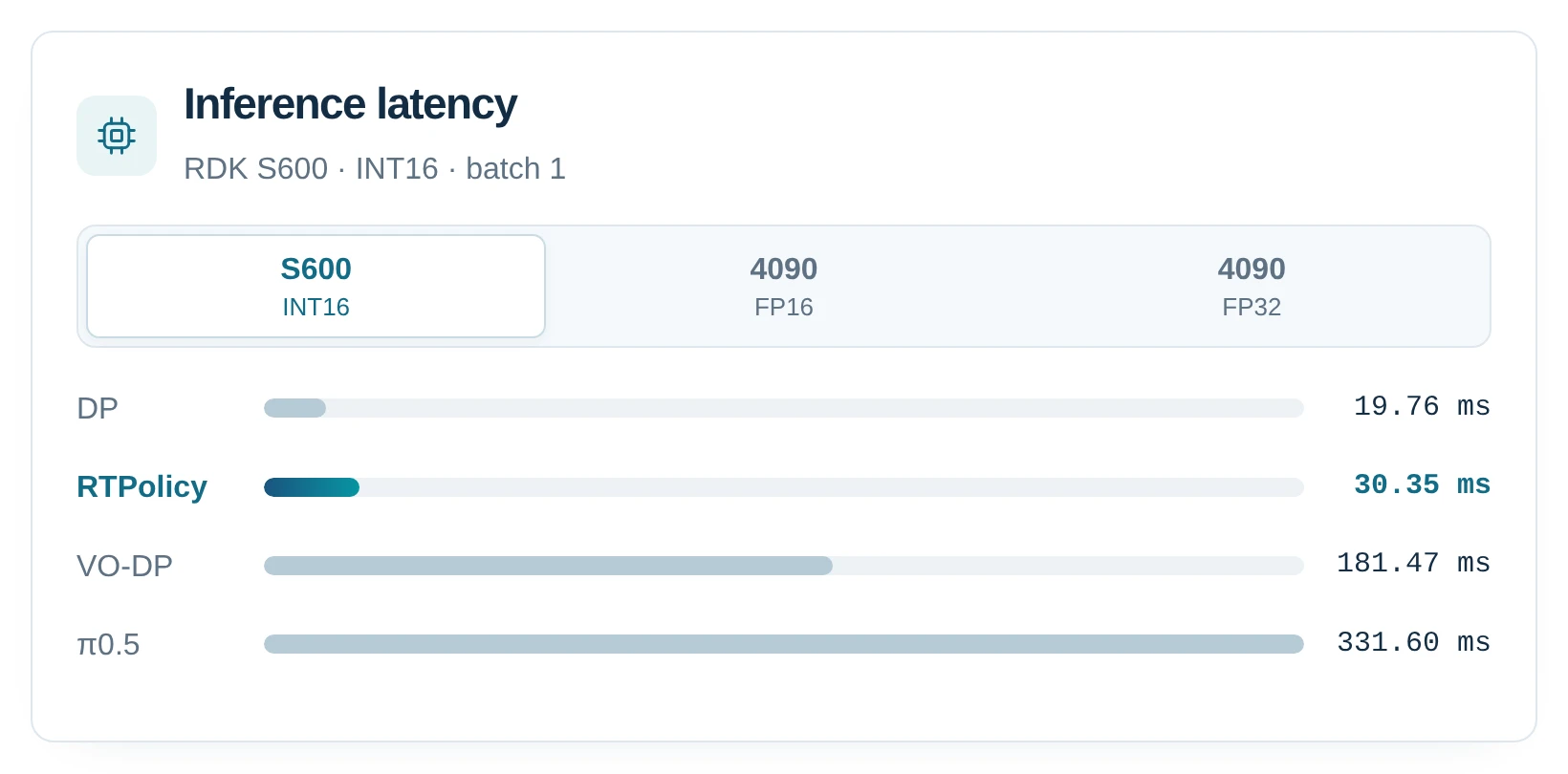
Figure 3 | RDK S600 INT16 inference latency
The project page lists the single-inference latency for the S600 INT16 at 30.35 milliseconds, or approximately 32.9 Hz. This figure represents the time required for policy inference; however, the policy update frequency in the physical robot experiments remained at 10 Hz.
Evaluation of 50 tasks in RoboTwin 2.0
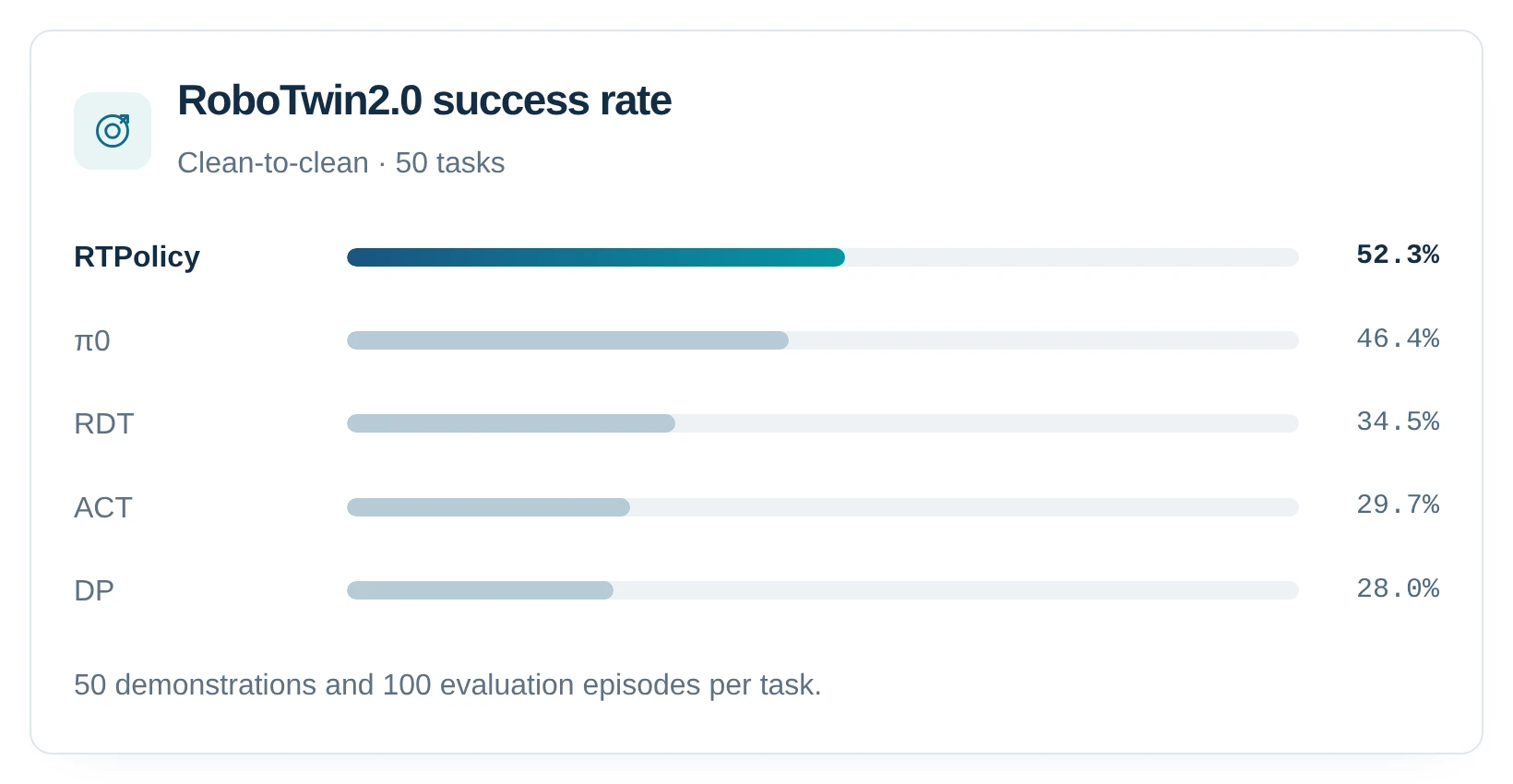
Figure 4 | Average success rate under the RoboTwin 2.0 clean2clean setting
Across the 50 tasks in the RoboTwin 2.0 clean2clean setting, RTPolicy achieved an average success rate of 52.26%. The project compared this result with π₀ (46.4%) on the official single-task leaderboard. Each task used 50 demonstrations and was evaluated over 100 episodes.
The code, training and ONNX export tools, and select model weights for RTPolicy have been made publicly available. The repository lists the RoboTwin 2.0 pre-trained weights and the lift_pot task weights. The paper also notes that the current action policies are still trained on a per-task basis; a general policy has not yet been provided.
Found an error? Tell us