

Research
Papers, models, data and advances in robot learning.
Roborum Embodied AI Knowledge BaseRead a new embodied AI paper in depth each day, with code and step-by-step instructions to reproduce the results on real robots.Explore the knowledge base →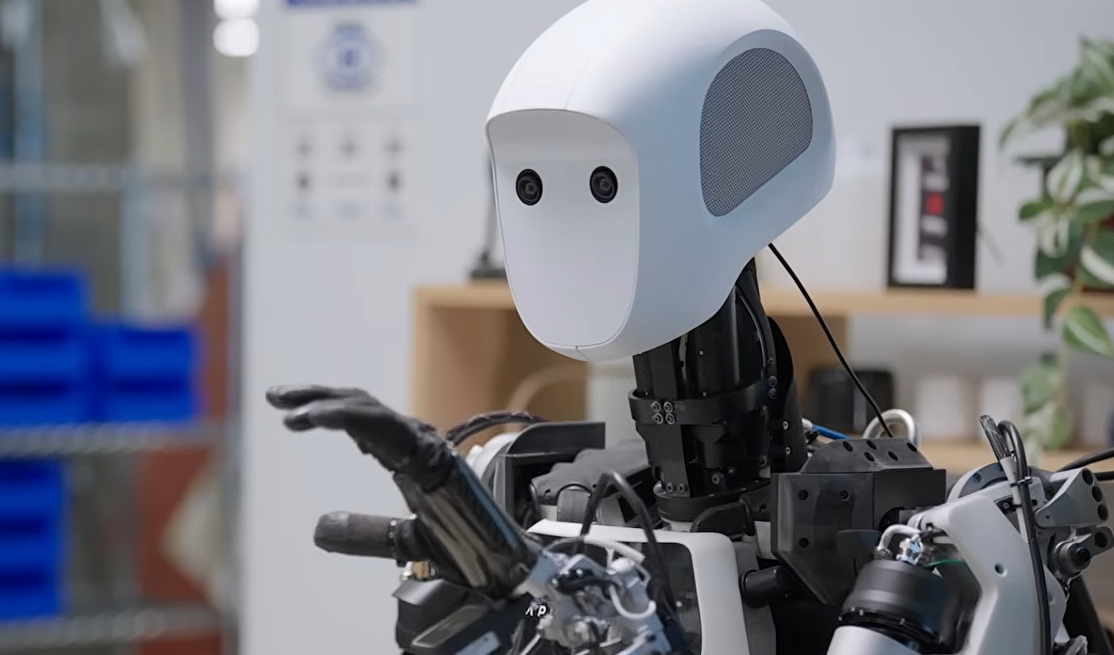
Google Unveils New 'Brain' for Robots
DeepMind launches Gemini Robotics 1.5, featuring VLA and VLM models that enable embodied AI to plan, reason, and adapt across different robot morphologies.
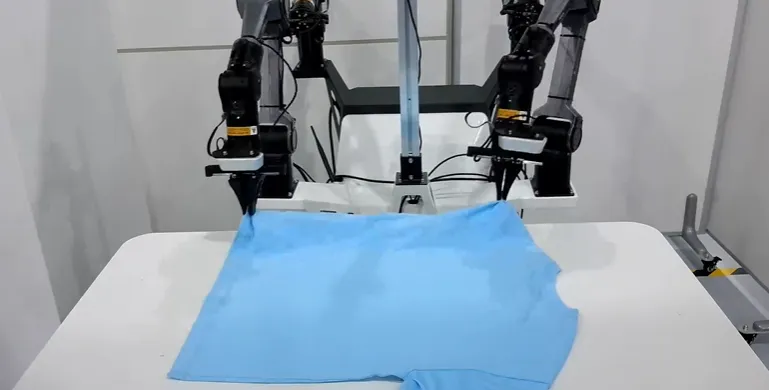
AgiBot Fully Open Sources Flagship Model, Sparking Excitement in Robotics Community
On September 23, AgiBot announced the open-source release of its general-purpose embodied foundation model GO-1 (Genie Operator-1) on GitHub. As the world's first general-purpose embodied AI model adopting the Vision-Language-Latent-Action (ViLLA) architecture, GO-1 aims to lower technical barriers and accelerate the industrial application of robotics.

Figure Valuation Surges to RMB 270 Billion; Unitree Open-Sources 'Trump Card' Tech; Nvidia Invests USD 5 Billion in Intel
This week's tech highlights include Figure AI securing over $1 billion in funding with a post-money valuation of $39 billion, Unitree open-sourcing its UnifoLM-WMA-0 architecture for embodied AI, and Nvidia investing $5 billion in Intel to collaborate on chip development.
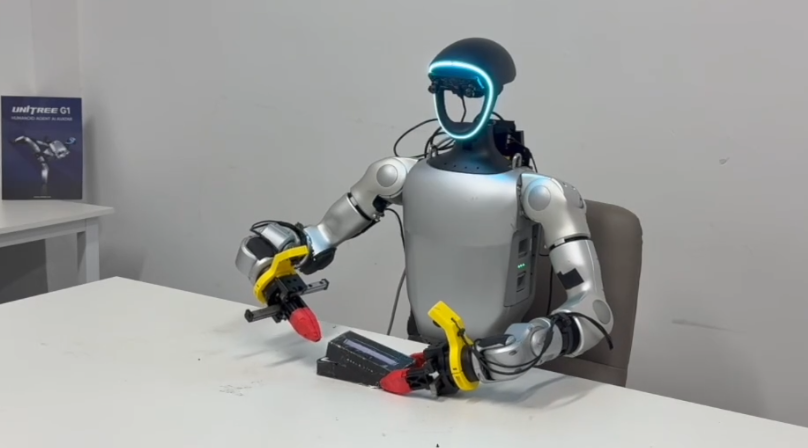
Unitree Open-Sources UnifoLM-WMA World Model for General Robot Learning
On September 15, Unitree announced the open-source release of UnifoLM-WMA-0, a world model-action architecture designed for embodied AI. This move aims to advance global industry development by providing solutions for cross-robot general learning.
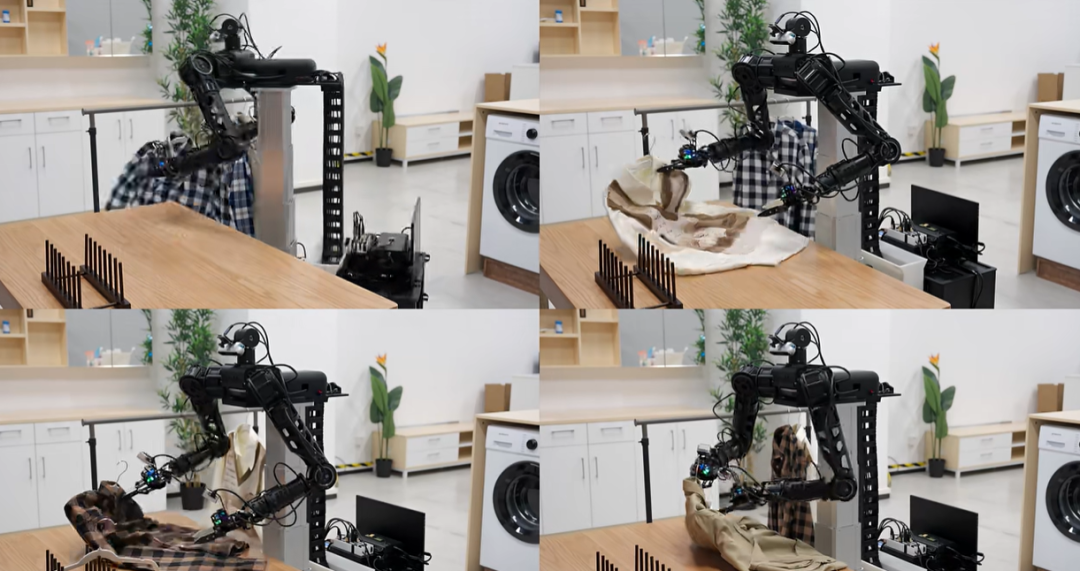
ByteDance Unveils New VLA Model, Equipping Robots for Household Tasks
ByteDance Seed team releases GR-3 VLA model and ByteMini robot, featuring high generalization, long-horizon task handling, and flexible object manipulation.
Embodied AI Funding Surge: One Deal Daily in July Signals Key Industry Shifts
In the first half of July, domestic embodied AI sector saw 16 financing deals totaling over 3 billion yuan. Capital is shifting from large language models to embodied AI, driven by the rise of VLA models and the strategic push into physical world interaction.