

Research
Papers, models, data and advances in robot learning.
Roborum Embodied AI Knowledge BaseRead a new embodied AI paper in depth each day, with code and step-by-step instructions to reproduce the results on real robots.Explore the knowledge base →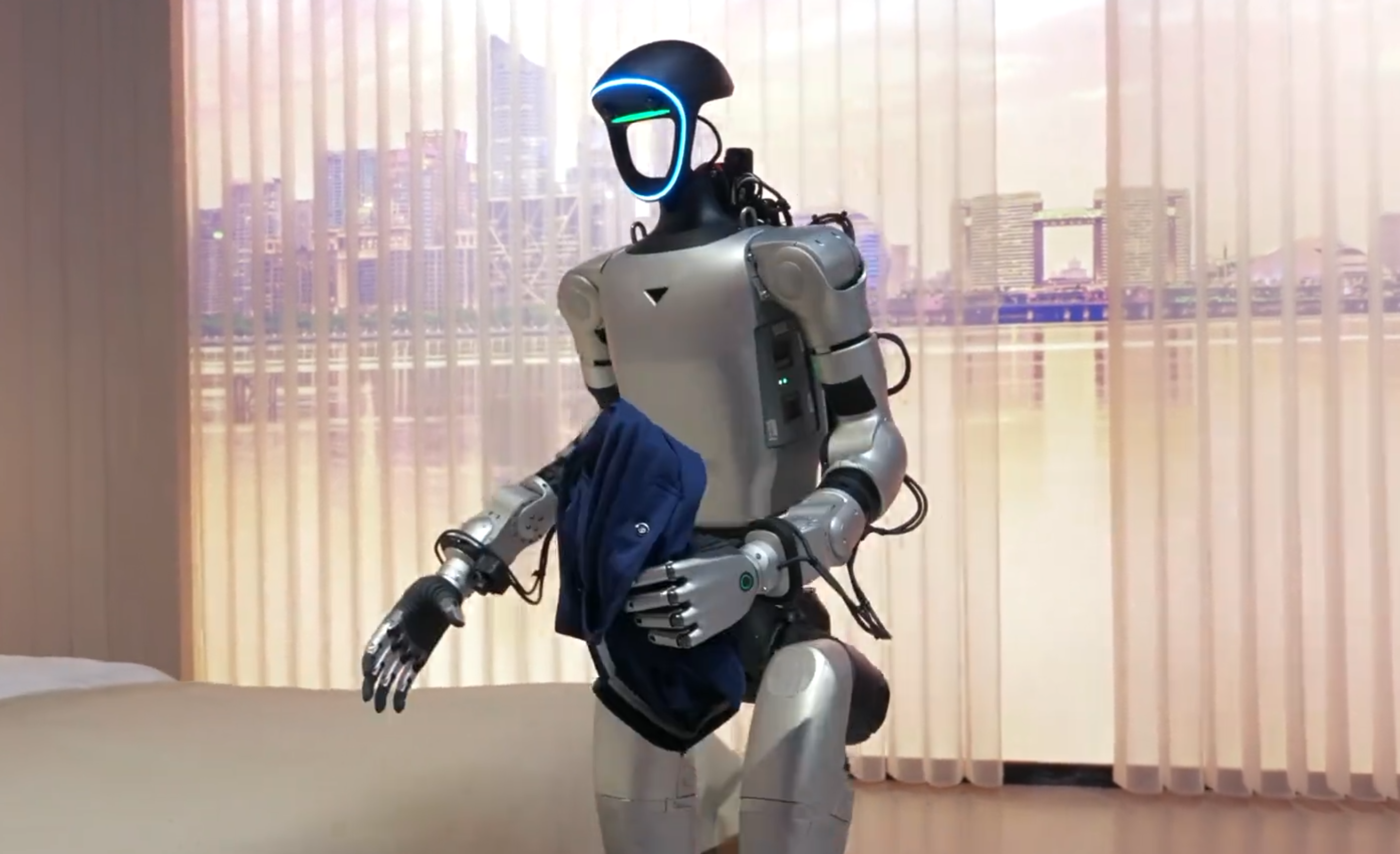
Unitree's New Brain Debuts, Moving Whole-Body Intelligence from Concept to Real Robots
On July 20, Unitree Technology officially released UnifoLM-OminiA-0.3, an embodied large model for home care tasks, natively integrated into the G1 robot. This marks a substantive step toward real-world deployment in civilian service.

GigaAI and Tsinghua University Release GigaWorld-1 to Use World Models as Robot Evaluators
As physical evaluation bottlenecks slow down embodied foundation model iteration, GigaAI and Tsinghua University release GigaWorld-1, using world models as evaluators to reduce reliance on real-world robot testing. Xiaofeng Wang discusses how this approach can accelerate development cycles.
Xiaomi Turns World Model Into a Data Engine, Beyond Prediction
Xiaomi has open-sourced U0, a 38B-parameter multimodal model that integrates five embodied synthesis functions. By treating embodied generation as a natural extension of foundation models rather than domain-specific fine-tuning, U0 acts as an expandable data engine, significantly enhancing robot generalization in real-world scenarios.

ASPIRE: A Continuous Learning System for Robotics by Zhu Yuke, Jim Fan and NVIDIA
The new paper ASPIRE introduces a continuous learning system for embodied AI, where agents debug robot failures using execution traces, evolve solutions, and build reusable skill libraries.
Nvidia's SimFoundry Bridges the Final Gap in Real-to-Sim Robot Data
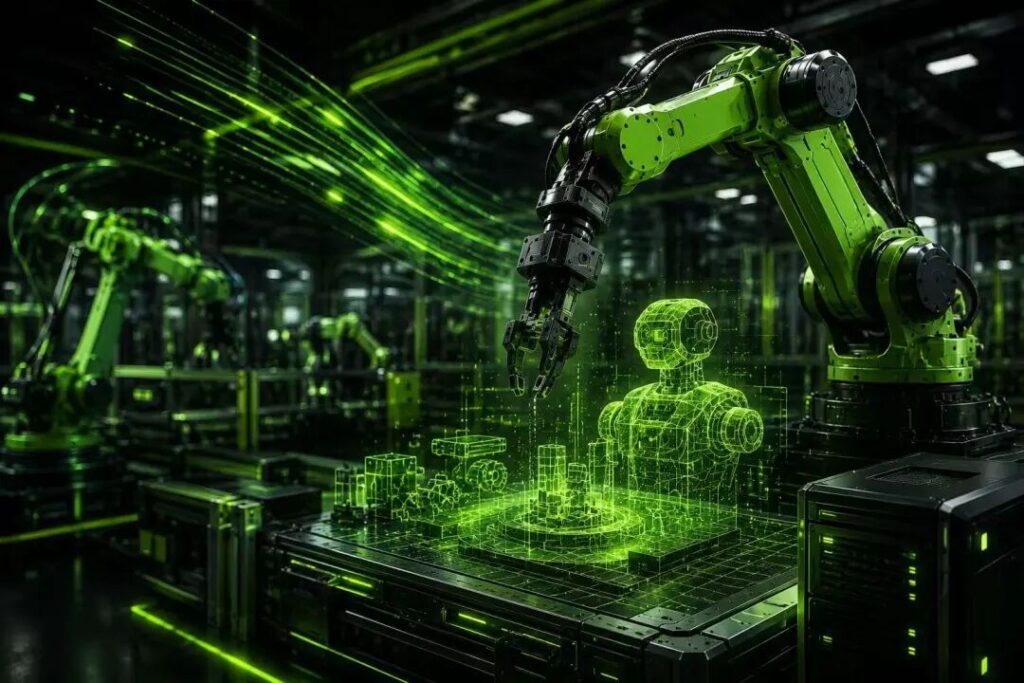
Nvidia and Stanford's Fei-Fei Li team released SimFoundry, an automated Real2Sim infrastructure that transforms real-world environments into high-fidelity simulations for scalable robot policy training.
KEMO Plugin Boosts VLA Long-Horizon Task Success by 23.6%
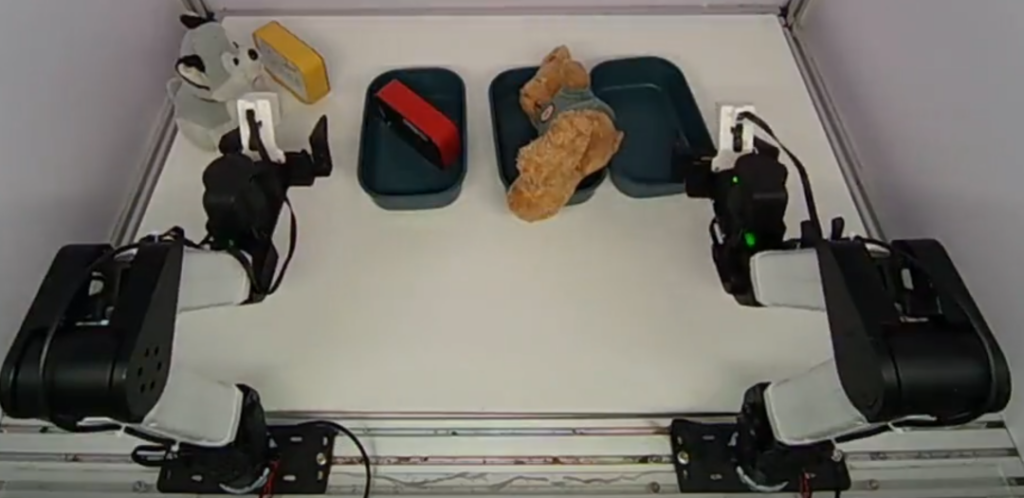
XDOF releases KEMO, an event-driven keyframe memory plugin for VLA models that improves long-horizon manipulation success rates by 23.6%.

Galbot Unveils AstraBrain-WBC 0.5, a Breakthrough in Humanoid Robot 'Cerebellum' Control
Galbot launches AstraBrain-WBC 0.5, the world's first general-purpose cerebellum foundation model for humanoid robots. With 80.4 million parameters, it becomes the first in its field to reach the GPT-1 scale, addressing the trade-off between agility and generalization in motion control.
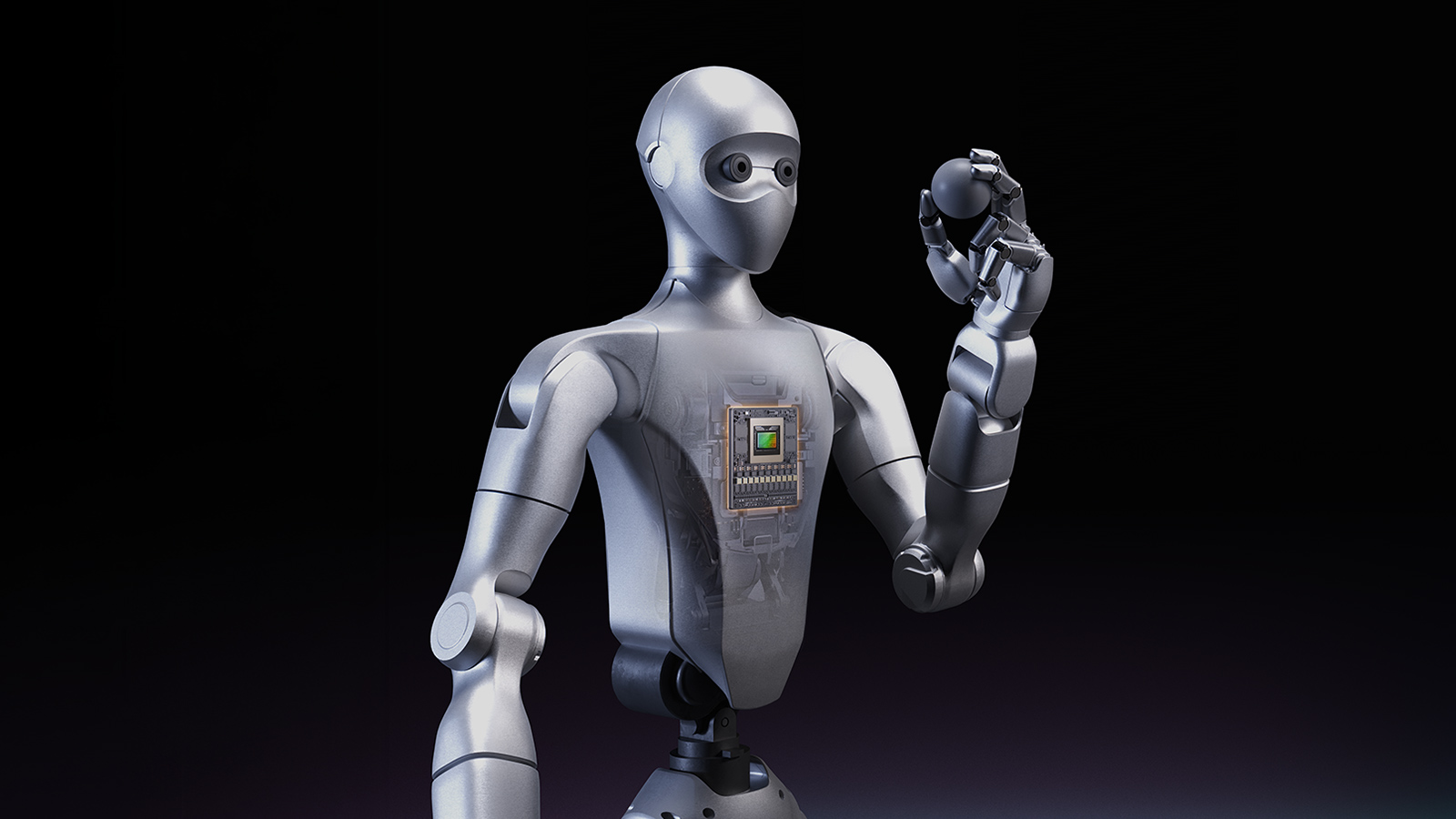
Nvidia's Robot Play: Using Unitree to Build a Physical AI 'CUDA'
While Unitree faces regulatory scrutiny, NVIDIA is leveraging its Isaac GR00T reference design to build a 'CUDA-like' ecosystem for embodied AI, turning robot training into a sustainable compute business.

Embodied AI’s New Bottleneck: The Rise of a Global Data Production Chain
As Embodied AI companies face a critical data shortage, a new supply chain is emerging. This article explores how human demonstration data, particularly Ego Data from low-cost labor hubs like India, is becoming the key asset in training general-purpose humanoid robots.
Oakfruit Robotics Unveils 'Instinct-Driven' Bottom-Up Approach for Embodied AI
Oakfruit Robotics has released its 'instinct-driven' technical route for Embodied AI, adopting a bottom-up approach where robots acquire operational instincts at the foundational level and autonomously emerge with intelligent manipulation through interaction with the physical world.
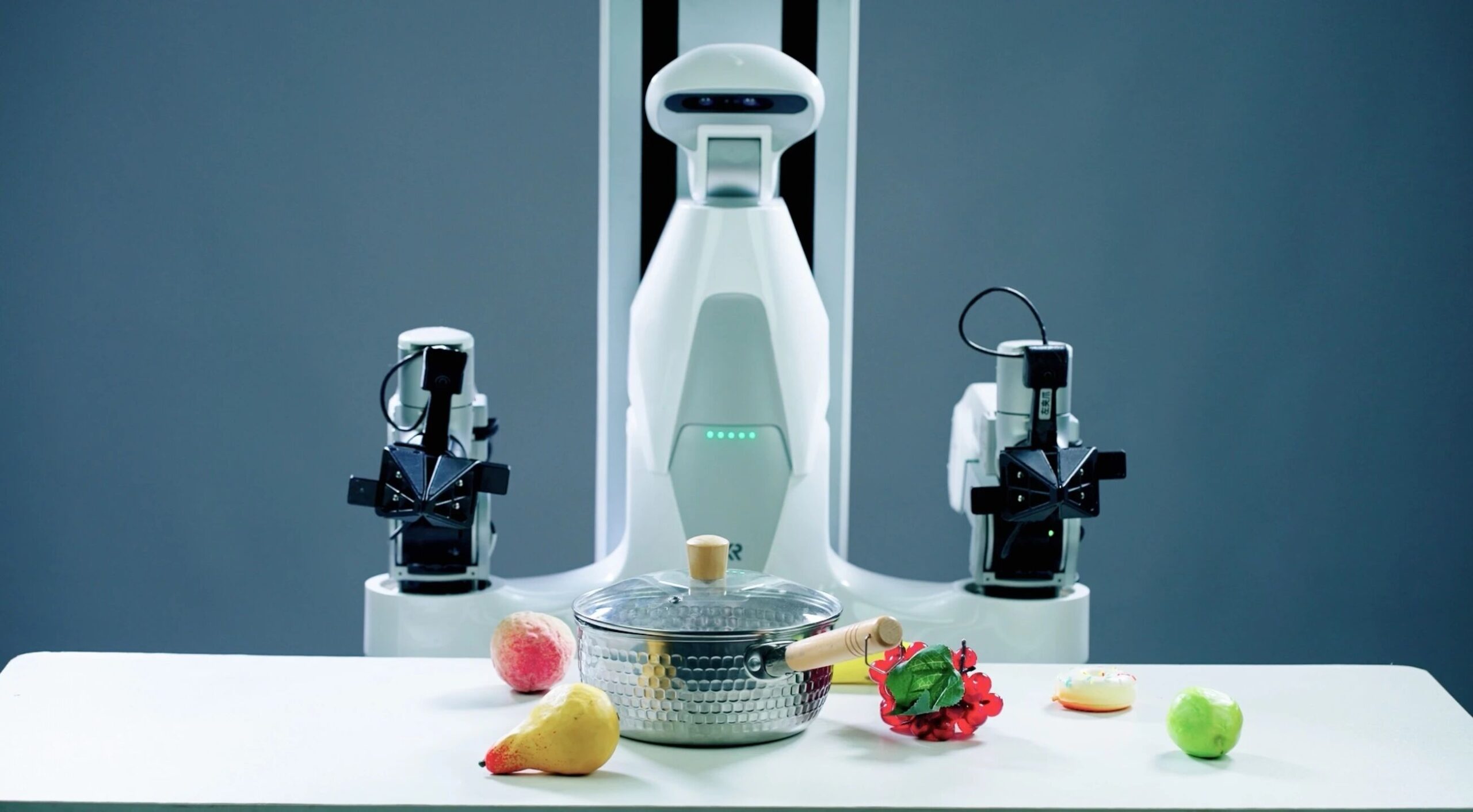
X Square Robot’s WALL-OSS-0.5 Enables Zero-Shot VLA Deployment on Its Native Robot Embodiment
X Square Robot has open-sourced WALL-OSS-0.5, an Embodied AI foundation model that achieves strong zero-shot generalization on real robots directly after pre-training, challenging the industry norm that VLA models require post-training for deployment.
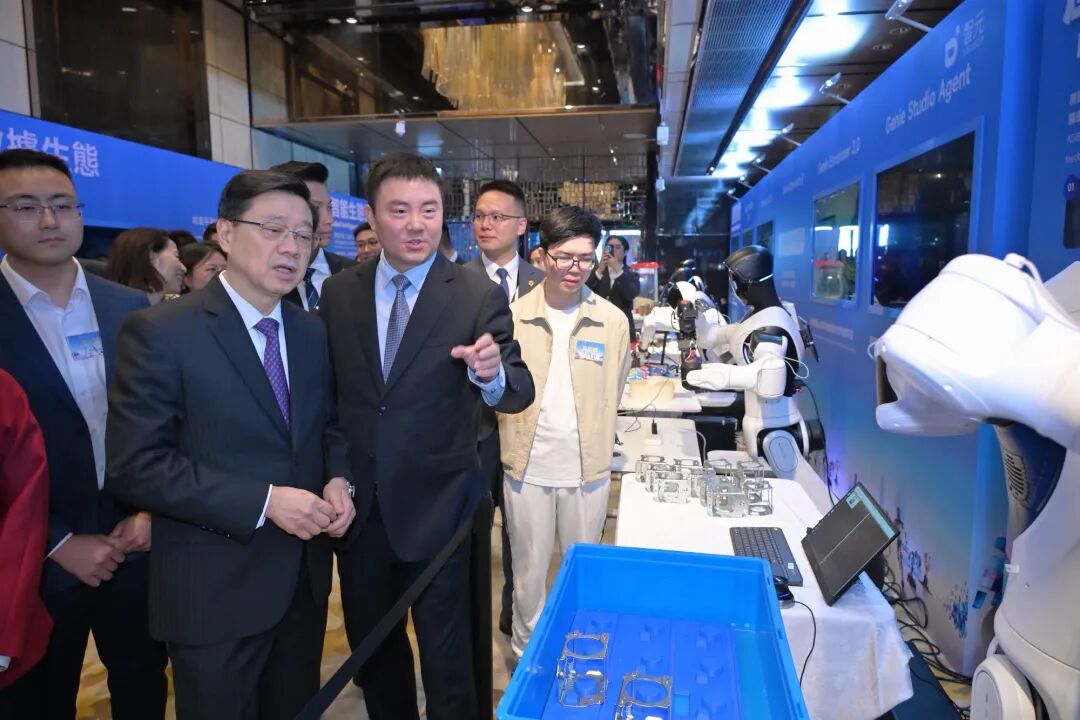
Behind the 2030 Revenue Target of 100 Billion Yuan: What Is AgiBot Really Aiming For?
AgiBot outlines its 'XYZ Curve' strategy, aiming for 100 billion RMB in revenue by 2030. The company is shifting from performance-based demos to practical productivity applications, introducing new models like BFM and GCFM, and pioneering a RaaS (Robotics as a Service) business model akin to AWS.