

Research
Papers, models, data and advances in robot learning.
Roborum Embodied AI Knowledge BaseRead a new embodied AI paper in depth each day, with code and step-by-step instructions to reproduce the results on real robots.Explore the knowledge base →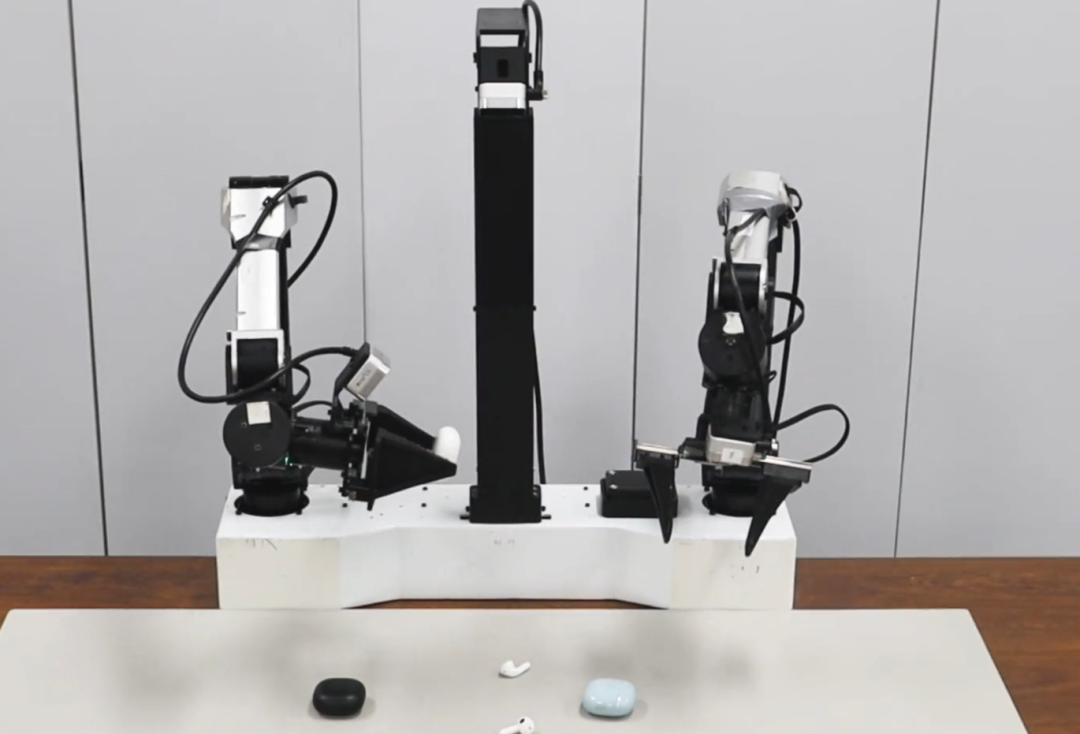
Xiaomi Open-Sources Post-Training Pipeline for Xiaomi-Robotics Embodied AI Model
Xiaomi releases the full workflow for post-training its Xiaomi-Robotics-0 embodied model on real hardware, using only 20 hours of data to master fine-grained tasks. The open-source release addresses critical challenges in action continuity and perception robustness.
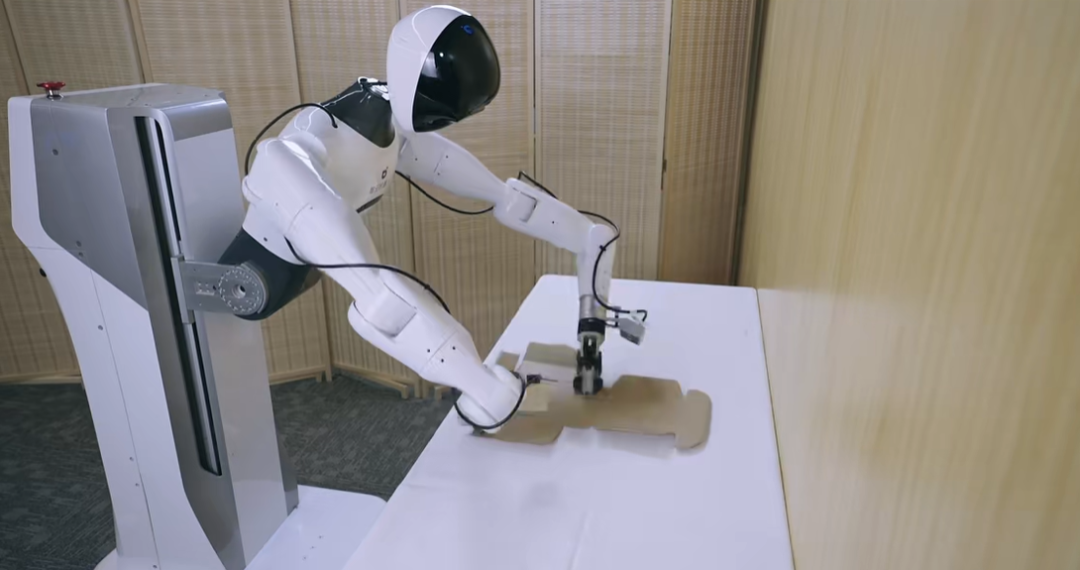
AgiBot Unveils GO-2 Model to Bridge the Semantic-Motor Gap in Robotics
AgiBot released its next-generation VLA foundation model, Genie Operator-2 (GO-2), introducing 'Action Chain of Thought' and an 'Asynchronous Dual-System' architecture to address the long-standing gap between perception and execution in robotics.
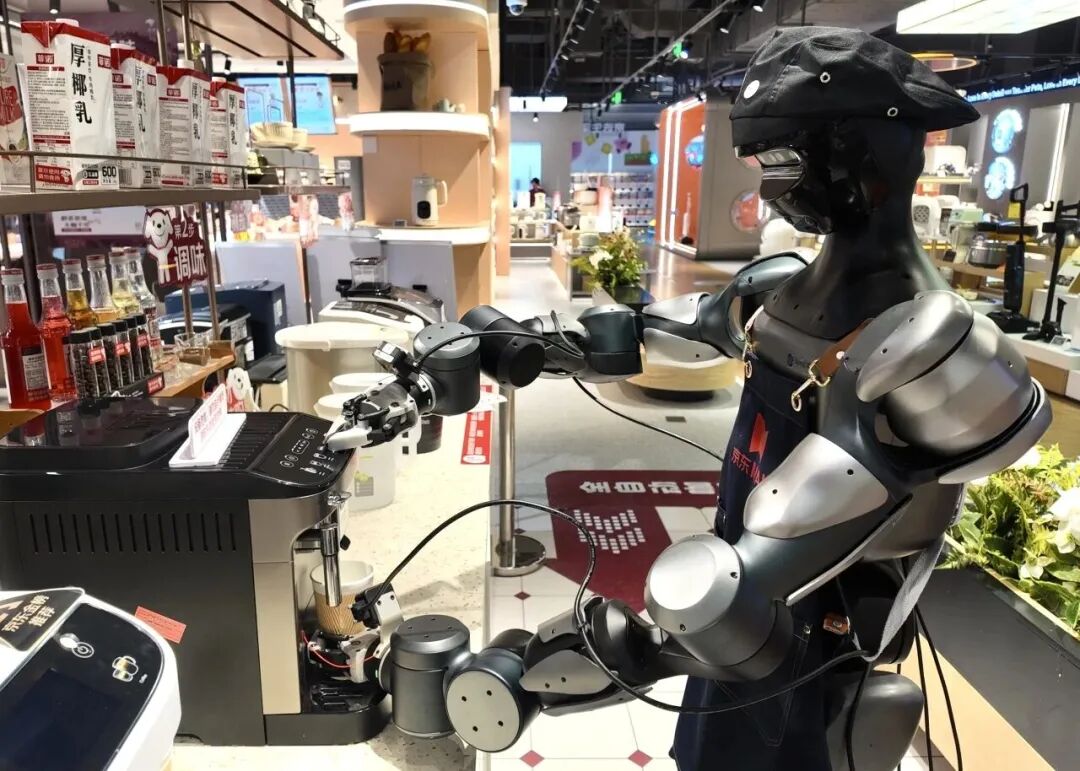
Qianxun Intelligence Raises RMB 3 Billion in 30 Days, Valuing Embodied AI Firm at Over RMB 10 Billion
In just 30 days, Embodied AI company Qianxun Intelligence secured another 1 billion RMB, bringing its total financing to 3 billion RMB. With a valuation exceeding 10 billion RMB less than two and a half years after its founding, the company is accelerating its growth through a unique data-driven VLA model approach.
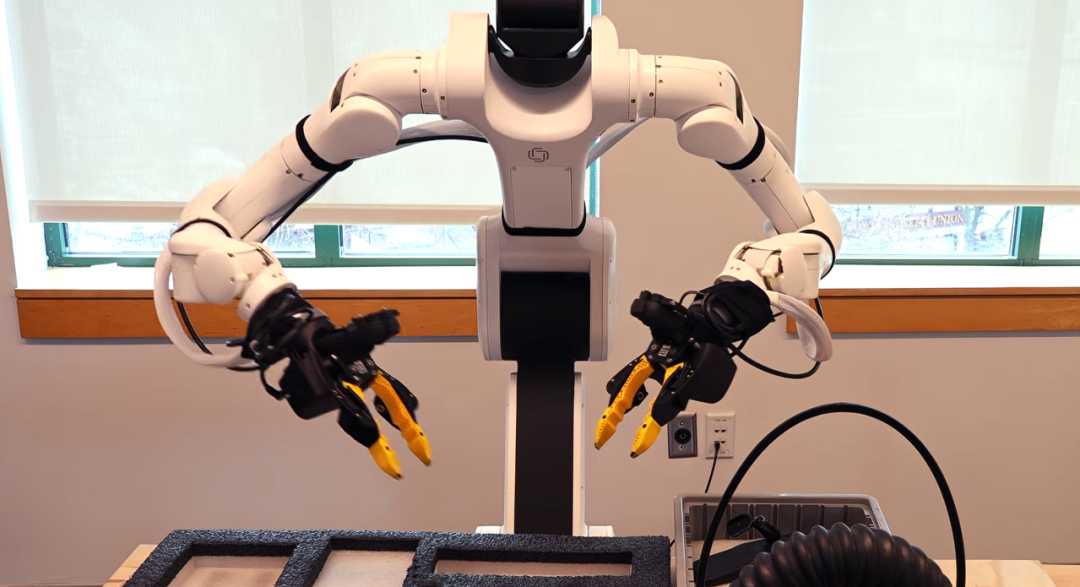
New Model Boosts Robot Task Success Rate to 99% and Triples Speed
Generalist AI's GEN-1 model achieves 99% success rates and 3x speed improvements by decoupling world understanding from robotic control, enabling robots to transition from demos to commercial viability.
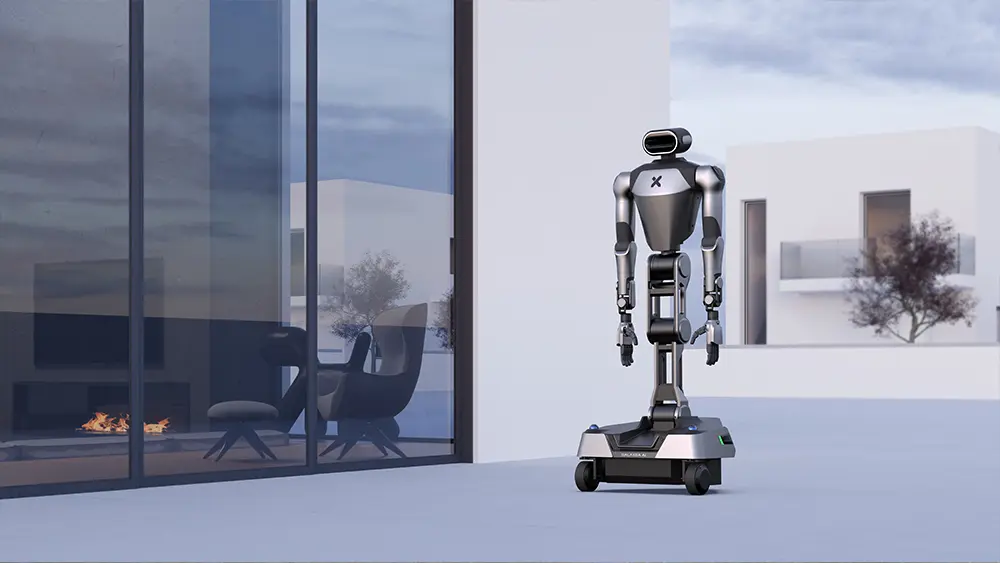
Robotics Startup Unveils 'Fastest' World Model After Reaching a 10-Billion Valuation
StarSeaMap's Fast-WAM boosts robot reaction speed by 4x by decoupling training from inference, proving world models rely on implicit physics understanding rather than explicit future video generation.
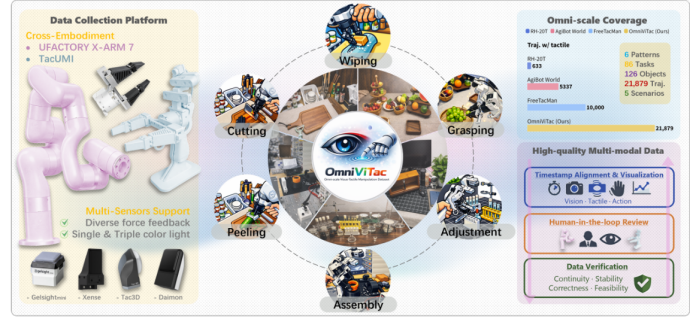
TARS together with Six Institutions Unveil OmniVTA Tactile-Visual World Model
TARS, in collaboration with six institutions including NUS and Tsinghua University, releases the OmniVTA framework and OmniViTac dataset, enabling robots to transition from passive perception to active tactile prediction and closed-loop control for dexterous manipulation.
GTC 2026: Robotics Shifts from Explicit Reasoning to Direct Perception-to-Action
At GTC 2026, Nvidia demonstrated a shift in Embodied AI: robots are reducing reliance on explicit intermediate layers like language and future imagination, moving towards direct, implicit decision-making for faster response.
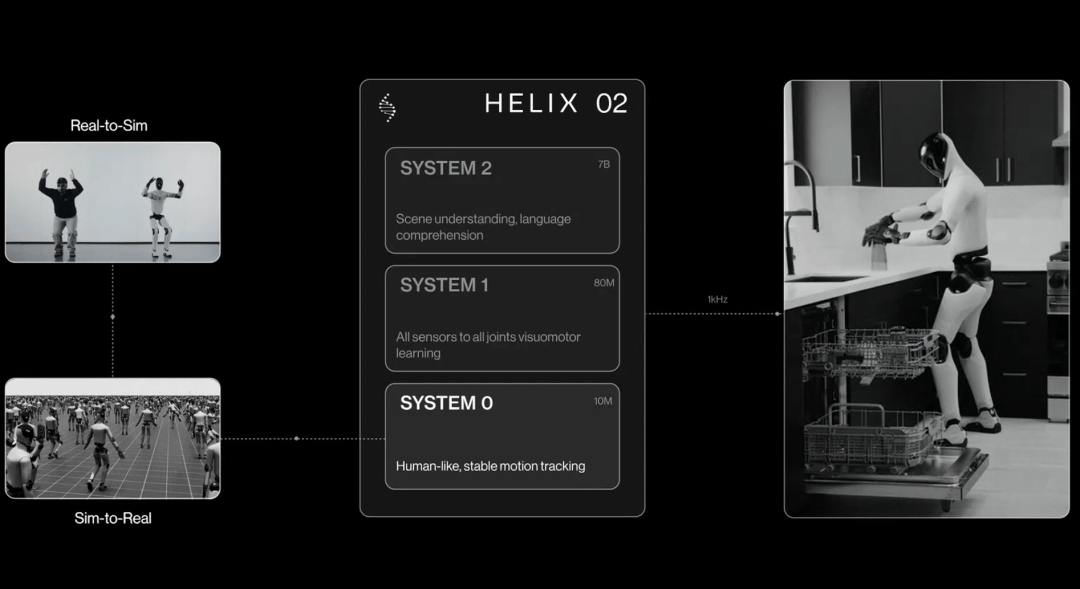
What Figure’s System 0 Integration in Helix Means
Figure AI's introduction of System 0 in the Helix 02 model marks a pivotal shift toward embodied AI, enabling seamless loco-manipulation by replacing traditional control code with a learned physical prior.
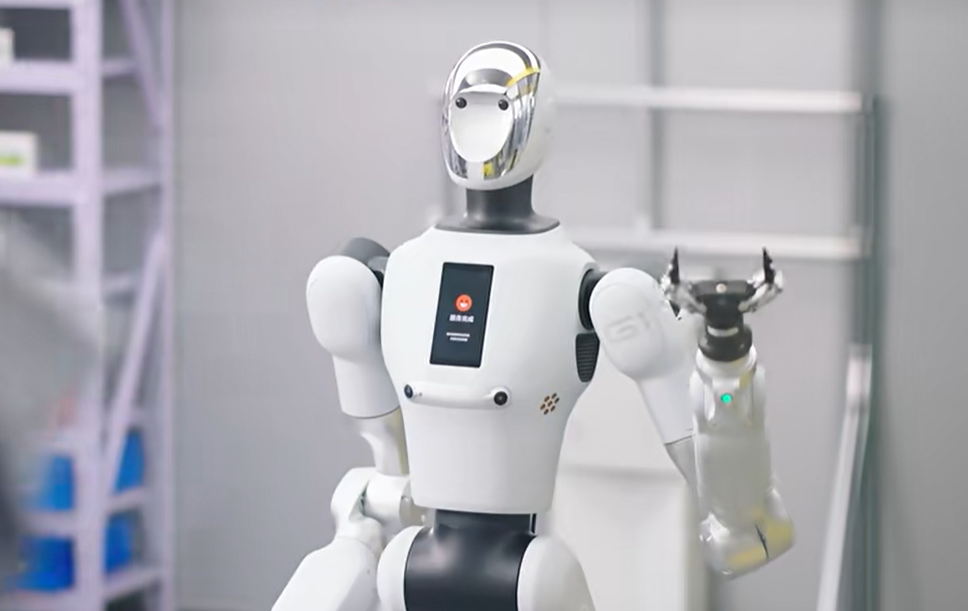
Unitree's IPO Acceptance Reveals Galbot's RMB 20 Billion Valuation Logic
Unitree Technology's recent IPO acceptance has ignited the robotics industry. A detail in its prospectus reveals that Unitree sold over 15 million yuan worth of robots to Galbot between January and September 2025. This transaction highlights a clear industrial division of labor: while Unitree provides stable hardware platforms, Galbot focuses on advanced AI models and scenario-based applications, driving its valuation beyond 20 billion yuan.
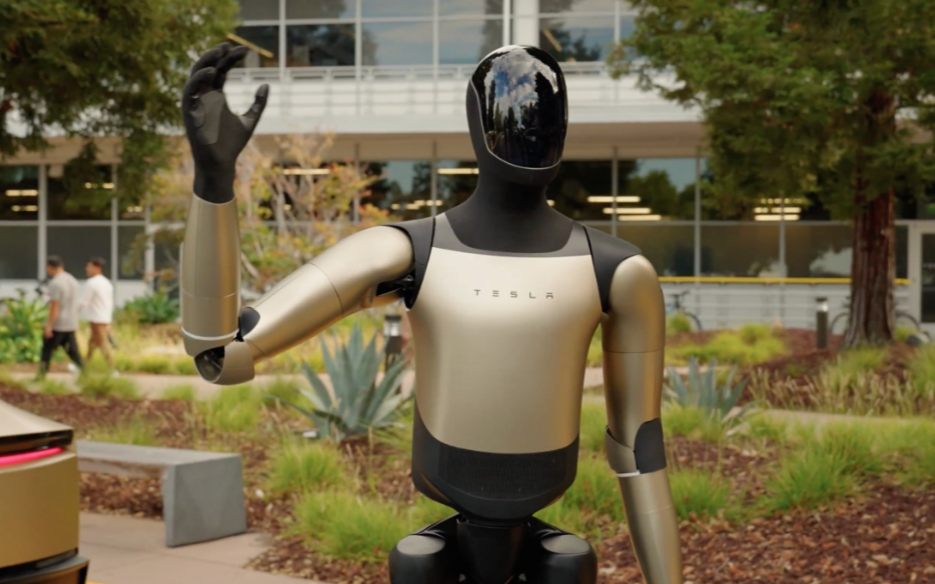
Can AI Mastery of League of Legends Power Tesla’s Optimus Robot?
A mysterious player in the Korean server of League of Legends achieved a 95% win rate, sparking speculation that it is Musk's Grok 5. This raises questions about whether Optimus robots are approaching a brain capable of adapting to the real world.

π*0.6 Model Breaks Imitation Learning Bottleneck; EraStellar Raises Nearly RMB 1 Billion
RobotEra secures nearly 1 billion RMB in Series A+ funding for its VLA embodied AI model. Meanwhile, the Stanford-founded startup Sunday launches home robot Memo, and PI's π*0.6 model achieves a breakthrough in Visual-Language-Action (VLA) capabilities.
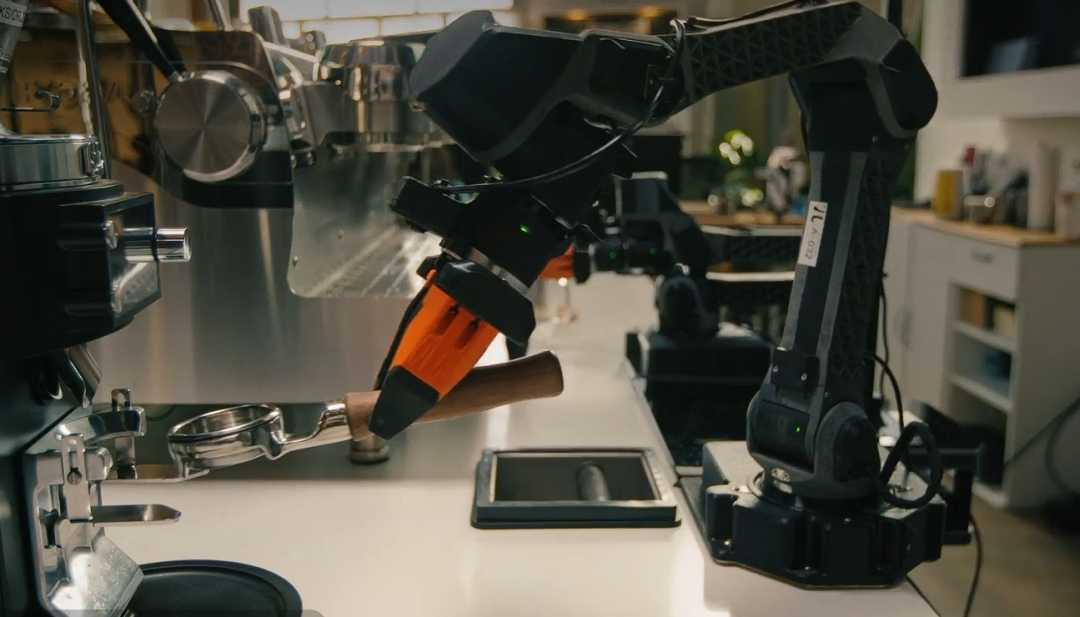
π*0.6 VLA Model May Enable Fully Autonomous Coffee Shops
Physical Intelligence (PI) released the π*0.6 model, using a novel 'Recap' training method to help Visual-Language-Action (VLA) models break through imitation learning bottlenecks.