
Xiaomi Announces New Advances in Dexterous Hands, Targeting Nearly 100% Task Success Rate
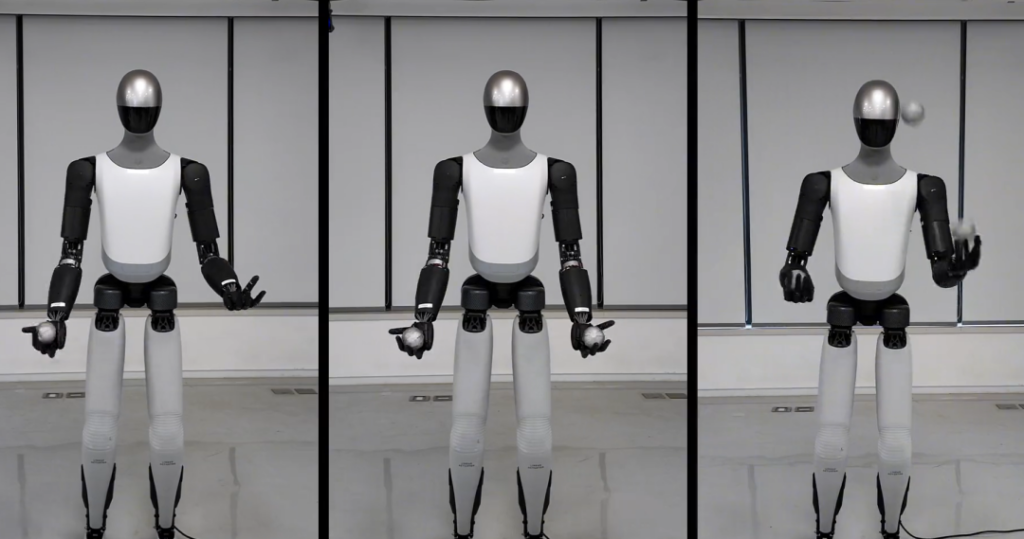
"On the morning of March 27, Xiaomi systematically unveiled its solution for robotic dexterous hands. The solution can perform high-precision tasks such as screwing and feather-picking, and has passed a reliability test involving 150,000 gripping cycles, demonstrating its stability during long-term, high-intensity operations."
"In fact, since February 5 this year, Xiaomi has continuously released a series of new advancements in the robotics sector. This began with the fine-grasp fine-tuning model TacRefineNet, followed by the launch of its first-generation robot VLA model, Xiaomi-Robotics-0, and culminating this month with the announcement of the robot's factory deployment capabilities and this dexterous hand solution."
"These consecutive moves reveal a clear signal: Xiaomi is attempting to build a complete chain of robotic capabilities, encompassing perception and control algorithms, physical manipulation, and engineering solutions for deployment reliability."
"Regarding deployment capabilities, Xiaomi's newly introduced dexterous hand solution primarily focuses on several key areas:"
- Higher-degree-of-freedom bionic structure
- Tactile glove
- Bionic sweat gland cooling system
- Reliability design for long-term operation

"During the unveiling of this dexterous hand solution, Lei Jun emphasized a key point: 'We hope that through continuous application trials, we will ultimately enable robots deployed at workstations for extended periods to achieve an operational success rate close to 100%.'
It is worth mentioning that in Xiaomi's previously announced achievements, its robot achieved 3 hours of continuous operation at the self-tapping nut installation station in an automotive factory, with a bilateral simultaneous installation success rate of 90.2%, meeting the production line's cycle time of 76 seconds.
For robots, dexterous hands are one of the most valuable components, as they serve as the most critical tools for performing tasks. However, building a high-quality dexterous hand is no less challenging than constructing the robot body itself. At the end of last year, No.42 Radio extensively discussed this issue.
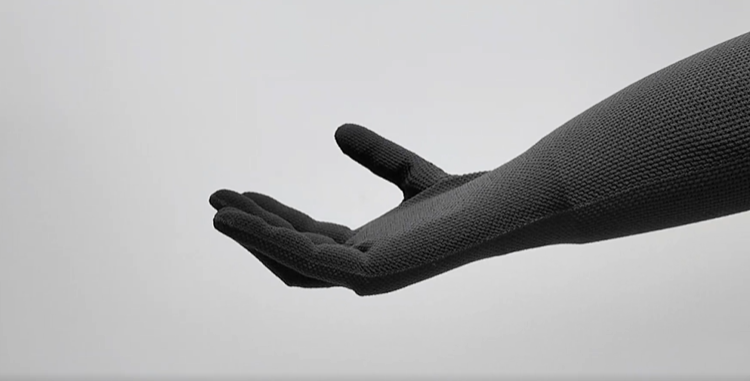
Integrating multiple motors, sensors, cooling systems, and other components within such a small space while ensuring product stability and reliability is far from easy. This explains why, in recent times, many dexterous hands struggled to consistently reproduce their capabilities during long-term repetitive tasks like screwing or assembly in real-world conditions.
This time, Xiaomi has set its goal directly at "approaching 100% task success rate," effectively shifting the problem from "can it be made?" to "can it perform correctly and stably over the long term?"
Under this goal, key aspects of this dexterous hand solution have begun to show changes worth examining individually.

Why Size Matching Human Hands Matters?
In this solution, Xiaomi provided a very clear judgment: dexterous hands need to be made with a 1:1 ratio to human hands and possess similar configurations.
Building on its previous dexterous hand, Xiaomi has reduced the volume by approximately 60 percent. The hand's size is comparable to that of a male with a height of 1.73 meters, and it features an additional fifty percent degrees of freedom and eighty-three percent active degrees of freedom.
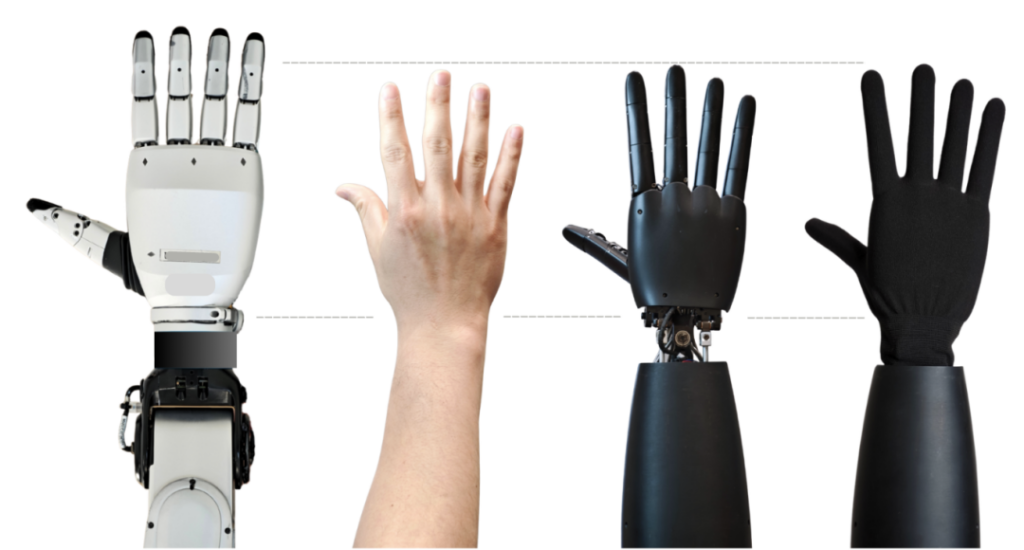
This is not merely about maintaining consistency in shape with humans; the primary reason is data.
If a robot's hand differs significantly from a human hand in terms of size, configuration, driving capability, and reachable workspace, even if large amounts of human manipulation data are collected, problems such as "motions cannot be directly mapped to the robot" may arise.
For instance, spaces that a human can reach into but a robot cannot, or finger coordination tasks that a human can perform but the robot's structure does not support, represent typical "congruence issues."
By benchmarking these key capabilities against human hands, the goal is to place the robot's dexterous hand within the same operational physical space as the human hand. In this scenario, operations that humans can perform become easier for robots to learn.

Tactile Sensing is Crucial for Dexterous Hands
In this latest dexterous hand design, Xiaomi has placed significant emphasis on tactile sensing. To achieve this, they have specifically developed a 'tactile glove' that captures full-palm tactile data—including fingertips, finger pads, and the palm—while allowing humans to wear it to directly collect operational data.
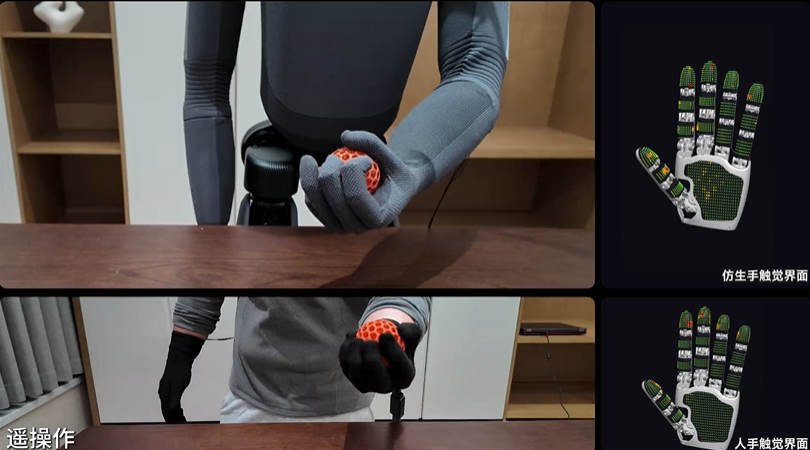
For humans, visual attention is not always necessary during tasks. For example, when tightening a screw, one might first use their eyes to determine the approximate position and then rely primarily on tactile feedback to complete the subsequent actions.
In many scenarios, humans can still perform operations even without seeing the contact details. This is because the palms and fingers continuously provide contact feedback.
However, solving the perception capability alone is insufficient. Another critical issue highlighted by Xiaomi in their presentation is: 'The acquisition of tactile data relies heavily on inefficient teleoperation methods.'
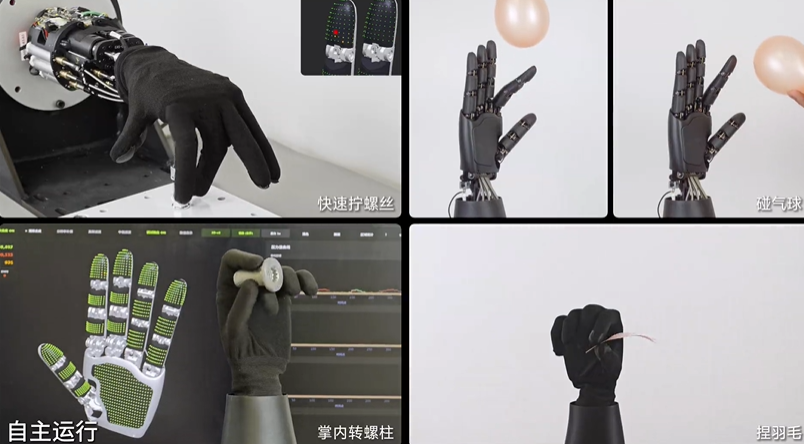
This means that while you can create hands with tactile capabilities, obtaining sufficient tactile operation data remains challenging. Without adequate data, it is difficult for robots to truly learn how to utilize this tactile information.
Therefore, Xiaomi's approach involves humans directly wearing tactile gloves to perform operations, collecting data such as hand grasping actions. Subsequently, in a simulation environment, tactile information is integrated, and imitation and reinforcement learning strategies are applied to learn and train on a large number of digital parts until near-human grasping postures are generated.
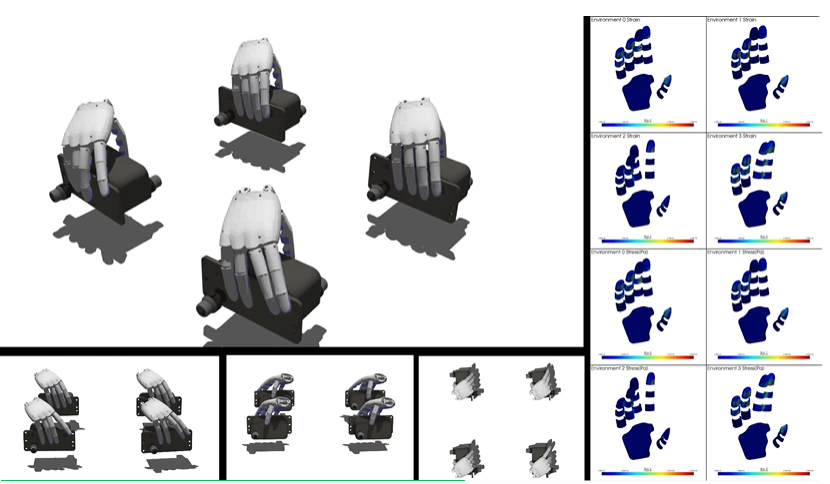
Compared to traditional teleoperation, this method does not require adaptation to control devices; the human operator serves as the 'ground truth.' It provides not only motion data but also tactile information, thereby improving data collection efficiency.
More importantly, combined with the previously mentioned approximations of human hand configurations, the data generated by humans can be relatively directly mapped onto the robot.

The Real Threshold Is Reliability
The dexterous hand configurations and tactile capabilities mentioned earlier primarily address the issue of executing movements. The subsequent discussion on 'reliability' truly determines whether robots can operate stably in factory settings.
Xiaomi also noted that achieving a level of freedom comparable to the human hand faces major challenges regarding hardware reliability and heat dissipation. During this process, many dexterous hands often fail after fewer than ten thousand repeated operations, with components such as tendon cables, springs, and sleeves prone to failure.
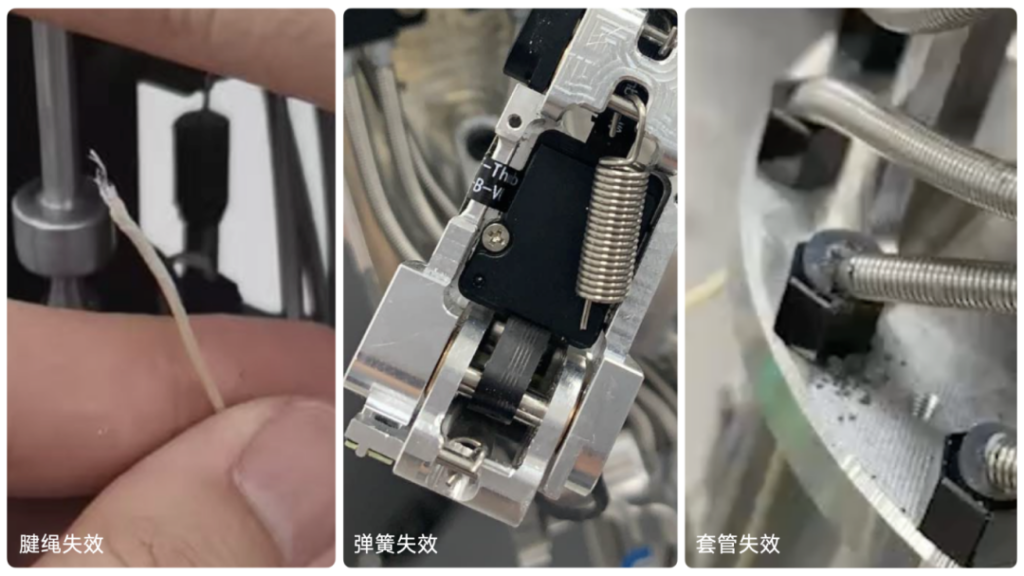
This is a key challenge for many dexterous hands in achieving real-world application, as components within such a confined space undergo high-intensity, long-duration repetitive motion, making wear and cracking difficult to avoid.
In response, Xiaomi has adopted an iterative approach involving design, simulation, and testing to enhance the durability of every internal component tailored to actual operational scenarios. After one year of continuous iteration, the dexterous hand can achieve a cycle life of over 150,000 repetitions in practical grasping operations while maintaining stable tactile data acquisition.
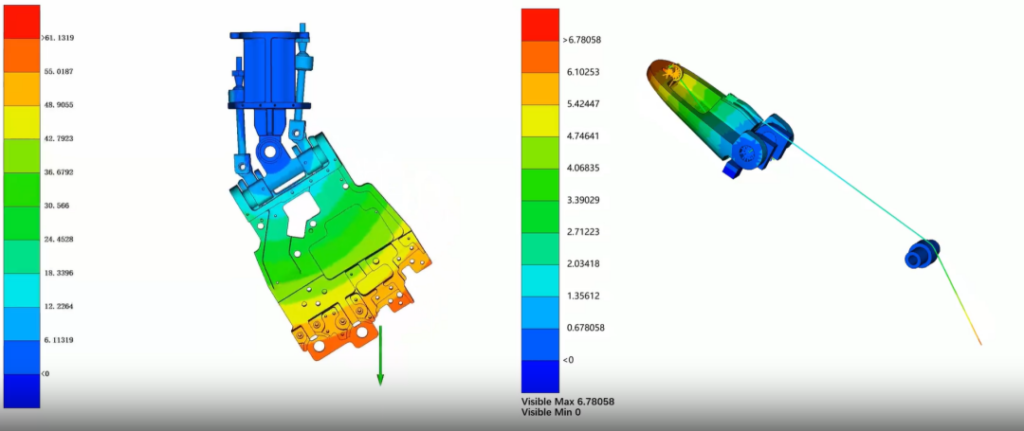
However, another critical issue in the deployment of dexterous hands is heat dissipation.
Many people assume that higher temperatures only lead to performance degradation. In reality, in systems like dexterous hands, it triggers a chain reaction:
- Motor performance decline: Increased temperature leads to reduced torque output and unstable grasping.
- Sensor inaccuracy: Tactile and force-control sensors are highly sensitive to temperature, directly affecting operational precision.
- Accelerated material aging: High temperatures cause plastic deformation, lubrication failure, and increased structural fatigue.
- Extreme cases: Thermal runaway, especially when the hand is jammed but continues to exert force, causing heat to accumulate rapidly and leading to direct system damage.
Therefore, from a deployment perspective, the heat dissipation problem is essentially a reliability issue.
To address this issue, Xiaomi introduced a different approach: the "bionic sweat gland system," which mimics humans by dissipating heat through evaporative sweating.
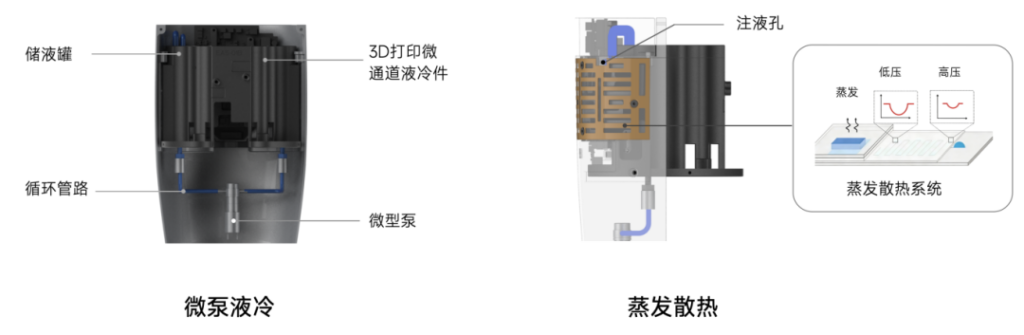
Specifically, in the forearm structure, Xiaomi uses metal 3D printing to create liquid cooling circulation channels, transferring motor heat to the evaporation zone via micro-pumps and utilizing evaporative heat absorption for rapid cooling. In actual tests:
- Can evaporate approximately 0.5 ml of water per minute
- Can provide approximately 10 watts of active cooling capability
Getting the heat dissipation right means that dexterous hands have the foundational capability to handle "sustainable work," especially in real-world scenarios involving high loads, long durations, and continuous operations, where these differences become even more pronounced.

In Conclusion
For a considerable period, the focus was on whether dexterous hands could move like human hands, but in recent years, the more pressing question has been whether they can perform long-term tasks as humans do.
From this perspective, Xiaomi's new dexterous hand solution focuses on practical implementation, addressing key issues such as configuration, tactile feedback, reliability, and heat dissipation. This reflects the pragmatic approach of automakers in the robotics field.
For robots, the dexterous hand is one of the most challenging hardware components to develop, yet its potential to enable large-scale real-world applications makes overcoming these challenges essential.
As dexterous hands gradually overcome the 'reliability' threshold, capabilities once limited to demonstrations can finally enter factories and operate in more complex, real-world environments.