
A $200 Glove That Could Change How Robots Are Trained
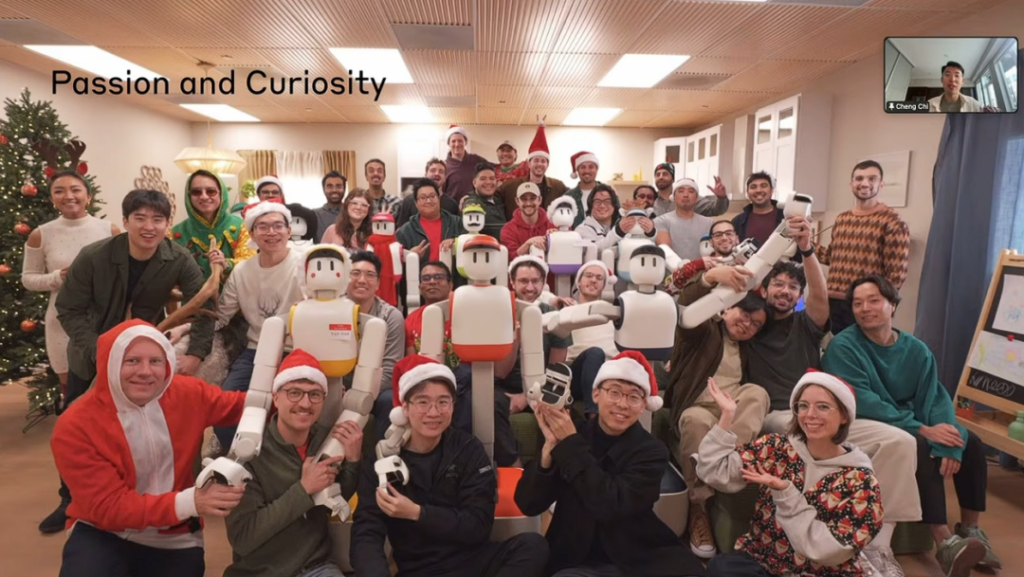
Recently, Sunday Robotics co-founder and CTO Chi Cheng delivered a public speech at ETHZ Robot Learning 2026, sharing the company's approaches to data collection, hardware supply chains, and other key concerns in the robotics industry.
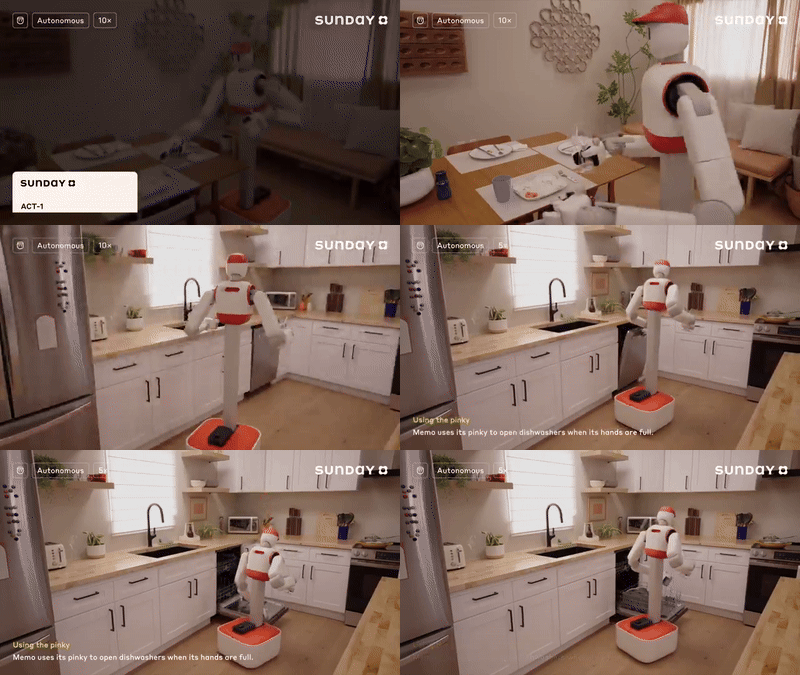
For many, Sunday Robotics is not a familiar name. As a startup robotics company, it only emerged from its 'stealth mode' last November, unveiling its first home wheeled humanoid robot, Memo.
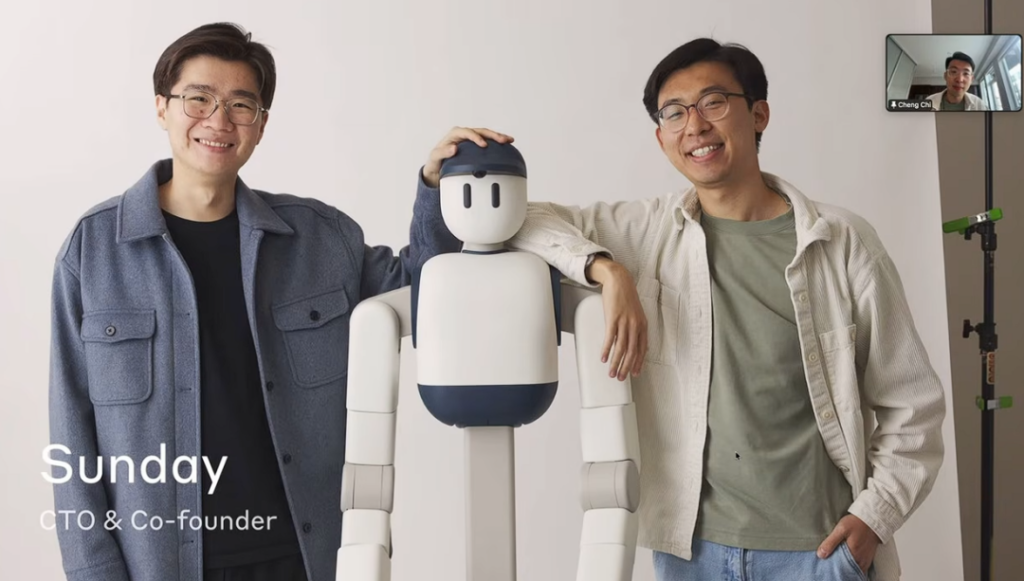
(Left: CEO Zhao Zihao; Right: CTO Chi Cheng)
What sets Sunday Robotics apart from other robotics companies is its focus on data. The company has specifically designed a Skill Capture Glove that allows users to perform household chores while wearing it, directly converting their movements into training samples for robots, thereby making data collection more convenient.
As the company's co-founder and CTO, Chi Cheng comes from Stanford University. He contributed to building the Embodied AI dataset Open X-Embodiment and DROID, and is also a core contributor to projects such as UMI and Diffusion Policy.
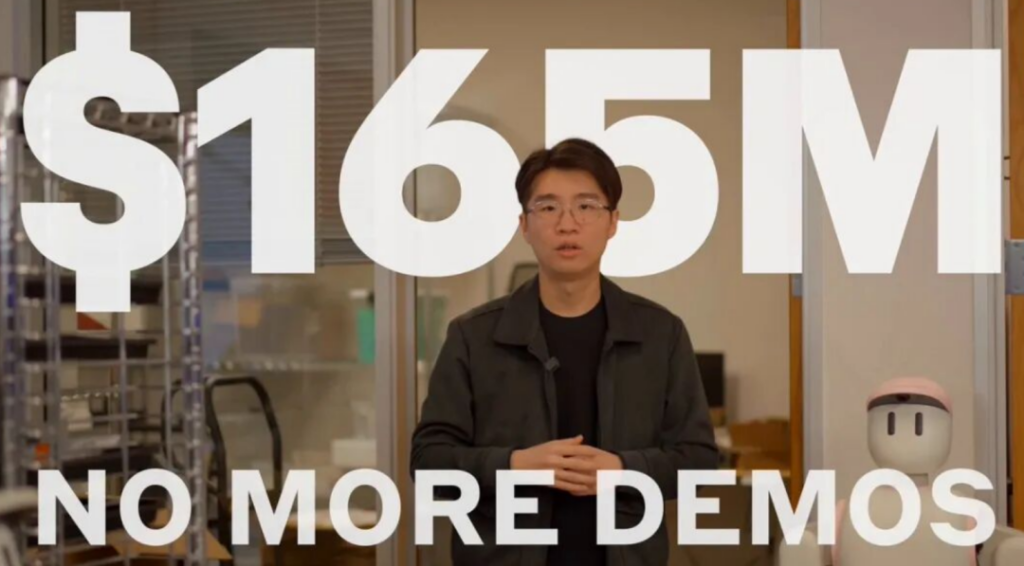
Shortly after officially announcing the completion of its $165 million Series B funding round, Sunday's current valuation has reached $1.15 billion. In the announcement video, they also explicitly stated: 'We are no longer just doing demos.'
More importantly, Sunday plans to deliver Memo to real households before Thanksgiving this year.
With such determination, Chi Cheng shared Sunday's pragmatic technical strategy in his speech, offering the industry a different reference direction—from the minimalist design logic of Memo robot hardware to the application details of data collection.

The Core of Data is 'Humans'
Over the past one or two years, people have increasingly emphasized the importance of data. The reason there are now many different technical routes like VLA and world models is largely due to issues with data sources.
Everyone knows that real data is valuable, but the cost of collecting it is indeed too high. Therefore, internet data, synthetic data, and other types of data have become the primary data sources for many robotics companies.
However, during this process, Sunday's current focus remains on real data, albeit using a different data collection method than many other companies.
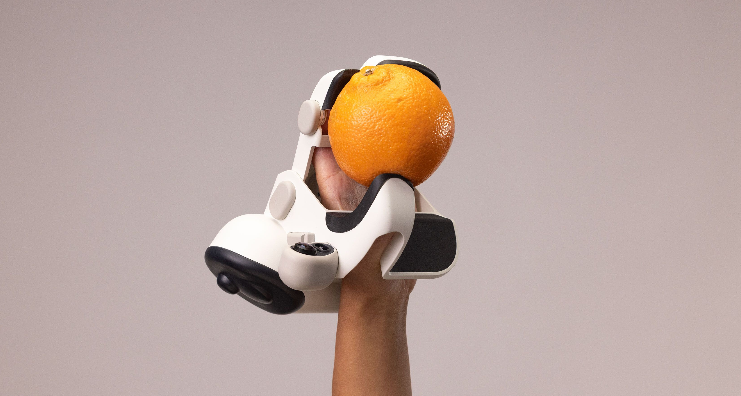
Last November, when Sunday "came out of the shadows," its product lineup included not only Memo but also a core offering: a skill-collection glove. When users wear this glove to perform tasks such as folding clothes or wiping tables, the data is recorded and transmitted to Sunday's training system.
So, how can one obtain such large-scale real-world data?
Chi Cheng stated that Sunday chose to distribute the gloves to actual users and pay them a certain fee to help collect everyday household data needed for robots.
This approach easily recalls JD.com's recent announcement of "the largest data collection campaign in human history," which aims to mobilize hundreds of thousands of people to collect data in scenarios such as homes and factories.
Theoretically, the larger the number of participants, the greater the scale of real-world data collected. In this process, Sunday's advantage lies in the low cost of its skill-collection gloves, which are only $200, giving it a cost advantage compared to some teleoperation-based human demonstration data.
However, regarding other types of data used by competitors, such as internet data and synthetic data, Chi Cheng did not claim that Sunday relies solely on real-world data. He stated: "Even within our company, our data collection methods have been changing significantly, and the types of data we use are constantly being adjusted."

A journey from CEOs personally recruiting 20 data collectors, to executives managing 200 individually, and finally to the scaled management of thousands collecting data.
In Chi Cheng's understanding, the essence of data collection is operations, and the core of operations is people. Ultimately, data revolves around people; technology is only a part, while talent is the most critical element.

The supply chain is vital; software can solve hardware problems
To build a robot, one must effectively integrate various components. For startups, it is nearly impossible to self-develop everything, making the supply chain crucial.
Chi Cheng used camera modules as an example to detail the entire hardware R&D process—from creating BOM (Bill of Materials) lists and screening procurement channels to tiered supply chain management. Every step focuses on mass producibility, reliability, and low cost.
He pointed out a common pitfall among many developers: 'Wanting to build everything in-house, despite mature solutions already being available on the market.'
Furthermore, Sunday has always adhered to the principle of extreme simplicity in hardware design, because every increase in hardware complexity causes the failure rate to rise exponentially.
So their core product, skill-capture gloves, has undergone 100 to 150 iterations while maintaining a minimalist sensor configuration and architecture.
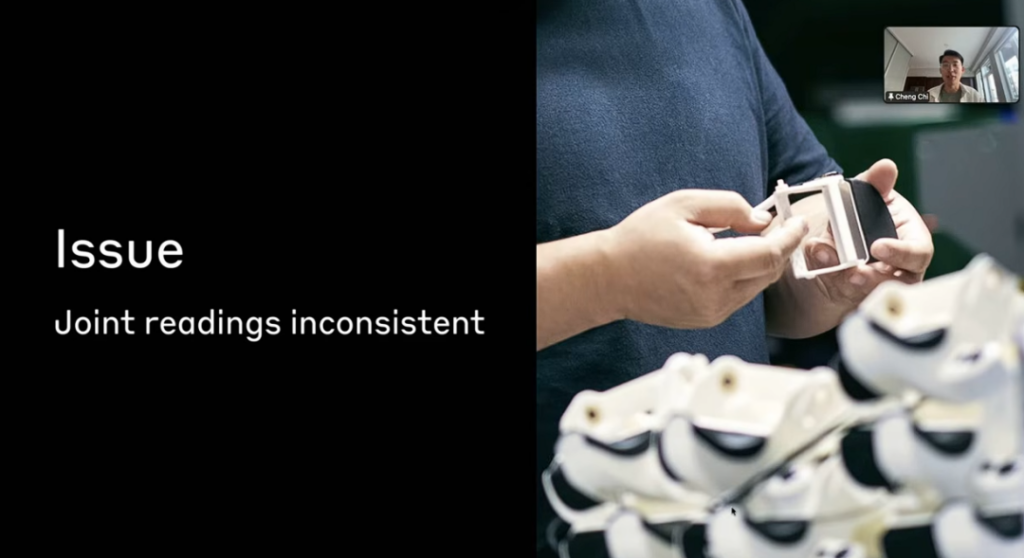
However, when it came to manufacturing and assembly, "poor consistency" became a very critical issue:
- Supply chain: Core components such as sensors and PCBs have slight deviations in parameters and materials even among the same model but different batches.
- Production and assembly: Human errors during assembly, such as inconsistencies in screw tightening force and part alignment angles, further exacerbate hardware deviations.
In this situation, Sunday chose to solve hardware problems through software tools. From component traceability and assembly calibration to quality inspection, if researchers find that data from a certain type of glove is inadequate, they can simply adjust the data loading configuration to filter them out.
In the current robotics industry, few companies focus solely on hardware or software; most are pursuing both simultaneously, especially in the relatively new field of humanoid robots.
Therefore, Chi Cheng emphasized a core point: many hardware problems can be solved with software, and vice versa. Problems and solutions often lie in different domains, so individuals who understand full-stack technologies and multiple fields are needed to find the optimal solution.

**Final Thoughts
After completing its Series B funding round, Sunday has remained consistently confident. Beyond the statement of "no longer just doing demos," they also committed to bringing Memo into real homes before Thanksgiving in 2026.
From a timeline perspective, there are only about 8 months left. If Sunday can fulfill his promise, they have the hope of becoming one of the first embodied AI companies to deliver humanoid robots into homes globally.
In response, Sunday has also implemented a series of planned measures:
- The funding will be used for basic research and immediate deployment;
- A team will begin to be formed in China this year, with CEO Zhao Zihao revealing that the planned location is Shenzhen;
- Engineering direction, research direction, and data collection volume will each expand by three times, four times, and five times respectively.
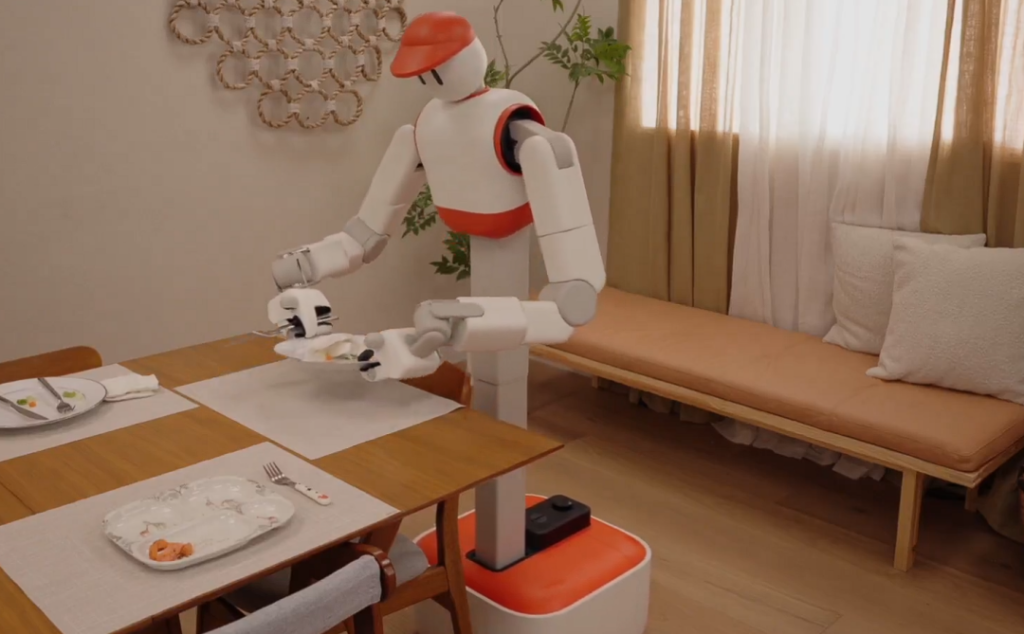
Although the timeline for Memo robots entering homes appears aggressive, the Sunday team overall has taken a fairly pragmatic approach.
Amidst the industry-wide push for bipedal humanoid robots, Chi Cheng believes that startups and large corporations follow different strategies. As a startup, Sunday must focus on a niche audience and thoroughly address their needs; wheeled designs are also relatively more stable than bipedal ones.
Therefore, until consensus forms on safety standards for humanoid robots in home environments, Sunday will remain highly cautious regarding bipedal models.
Regardless, very few companies in the robotics sector dare to schedule robot entry into homes with specific monthly milestones. Let's wait and see whether Memo can actually begin working in households during this year's Thanksgiving holiday.