
Li Auto's Livis Day: Moving Beyond Car Manufacturing to Define Embodied AI
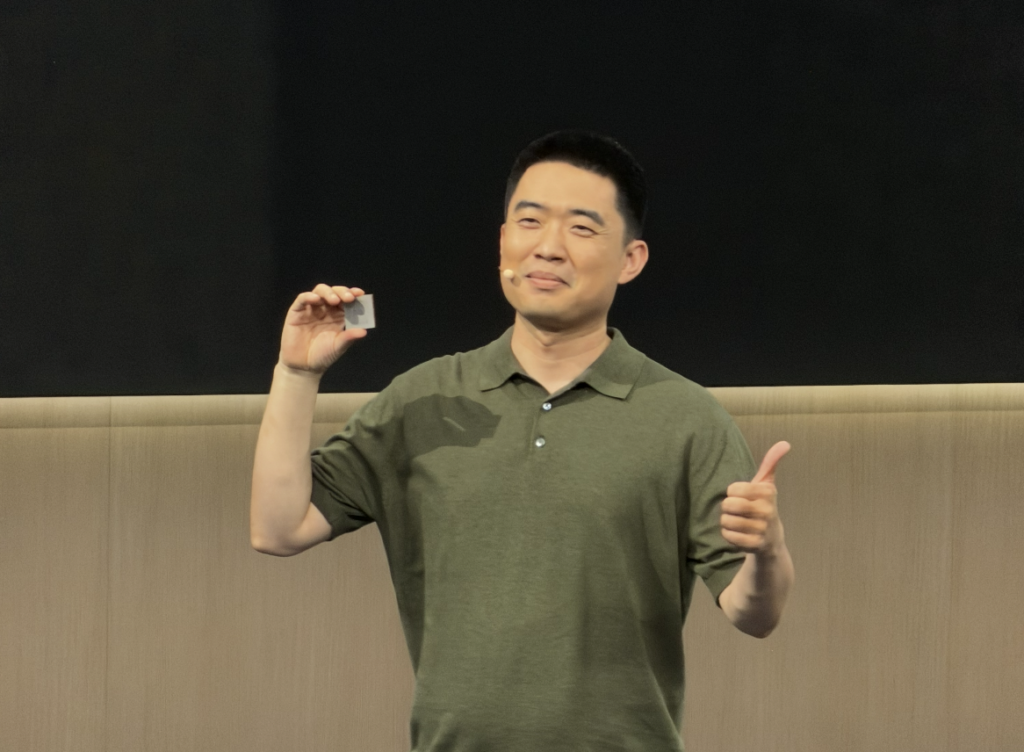
After watching this Livis Day, my most immediate feeling is: Li Auto is becoming less and less like a traditional automaker.
Of course, that's not meant as a criticism.
If we rewind a few years, the Li Auto we were familiar with was still the company that meticulously dissected family needs. It would earnestly explain why a car should have a refrigerator, a large TV screen, and plush sofas; why the second-row seats need to be comfortable; why the third row shouldn't just be for emergencies; and why a vehicle should possess a newly defined intelligent attribute.
But this time, the atmosphere on site was distinctly different.
At the previous launch event, the CEO was dancing on screen. This time, he played along with his own memes while paying homage to various film and television works. The AI video shown at the end of the event featured numerous familiar elements, making the presentation lively and breaking stereotypes. At some moments, it didn't feel like an automotive launch event at all, but rather as if Li Auto was telling the outside world: it no longer wants to be understood solely as a manufacturer of family SUVs.

In the past, Li Auto's strongest capability was defining the needs of families. At this launch event, it sought to further prove its ability to define the form of next-generation smart vehicles.
So, while the Livis Day event covered a wide array of topics—including smart cockpits, AI models, Agent products, in-house chips, and autonomous driving models—almost every aspect related to intelligence was thoroughly discussed. However, after reviewing the event, I had an unexpected impression: Li Auto no longer feels like just a car company. Moreover, the autonomous driving segment is no longer the dominant focus of this launch event as it has been in previous years.

Defining the Next-Generation Smart Cockpit with the Brain
Many of Li Auto's product concepts over the past decade have emerged from its cockpit designs. It may not have been the first company to introduce large screens or champion the concept of smart cockouts, but it is undoubtedly the company that highlighted the significance of "refrigerators, color TVs, and large sofas."
From the Li Auto ONE to the L9, and later to the L series and MEGA, the evolution of Li Auto's cockpits has fundamentally revolved around the real-world scenarios of family users: the driver needs usability, the front passenger requires independent space, the second row must offer entertainment and rest capabilities, and the third row cannot merely serve as filler. This is why the phrase "refrigerators, color TVs, and large sofas," though seemingly blunt, accurately encapsulates Li Auto's product success for a significant period.
At this year's Livis Day, Li Auto pushed its cockpit technology forward by another generation.
The new flagship cockpit features improved screens and debuts with Qualcomm's Snapdragon 8797 Elite flagship chip. Its CPU task processing capability reaches 504K, GPU high-precision rendering power stands at 8.1T, and the NPU's on-device AI computing power achieves 320 TOPS. The most noteworthy aspect here is actually the NPU. While current high-end cockpit chips can already deliver smooth experiences for basic infotainment tasks, if future cockpots are to host on-device AI agents, multimodal perception, voice understanding, proactive interaction, and local vehicle control, the 320 TOPS provided by the NPU will become a crucial platform.
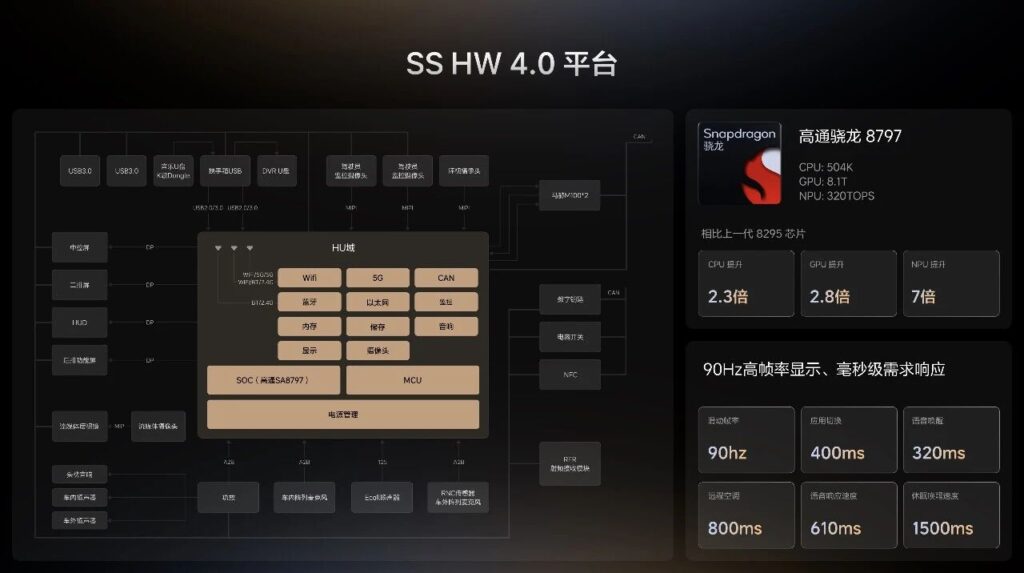
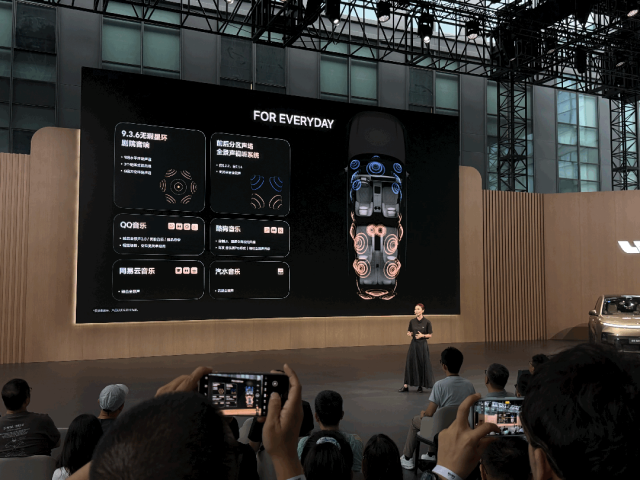
These details may appear to be merely an upgrade of cabin hardware, but they reflect Li Auto's long-standing understanding of in-car ecosystem experiences. Li Auto isn't simply enlarging screens; it is redefining the interaction space for every occupant. This includes a fully integrated audio system with high-quality sound sources and content synchronized with multiple music platforms, as well as finally reintroducing CarPlay and Apple Music after years of absence.
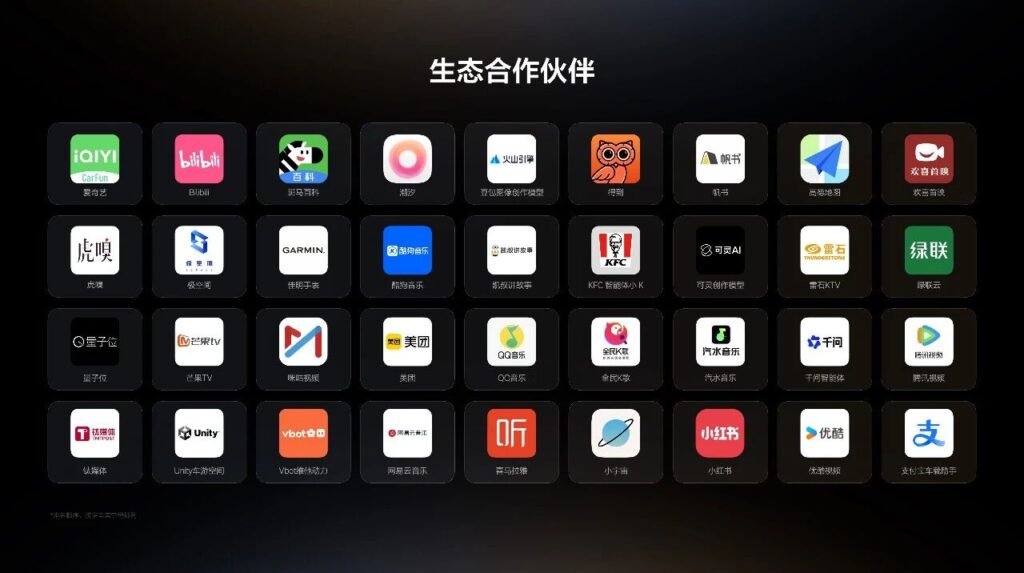
The software ecosystem is crucial because, in the past, it directly shaped user experience. Moving forward, as a more direct content entry point from the user perspective, it will significantly influence adoption rates and retention within the upcoming AI agent interaction paradigm.
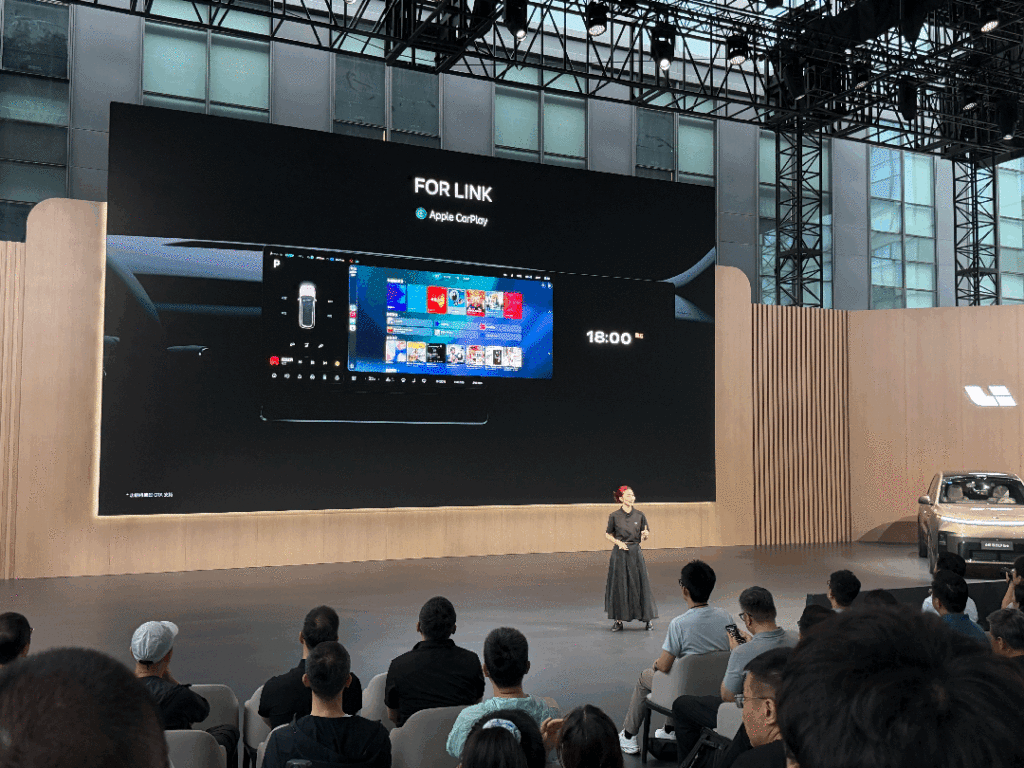
This brings us to the core focus of this launch event: Li Auto's latest advancements in AI.
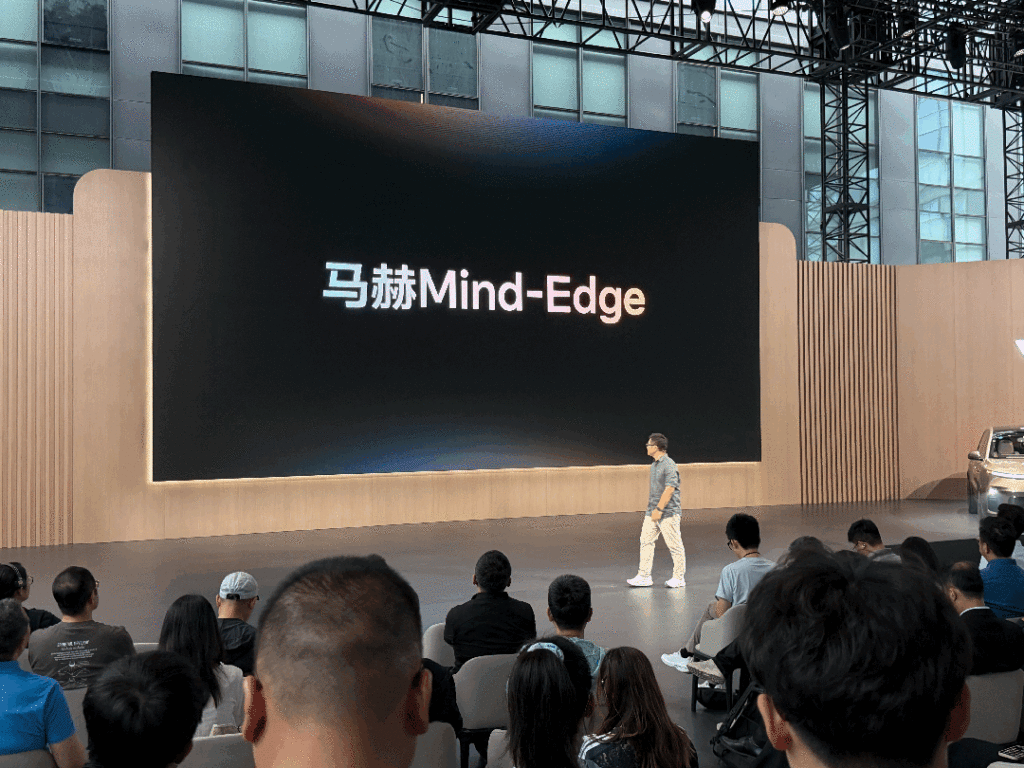
Li Auto has split the 'brain' of its embodied intelligence into two parts: language intelligence and machine intelligence. The language intelligence component features two newly released proprietary models, Mach Mind-Pro and Mach Mind-Edge. Machine intelligence is handled by Mach VLA, responsible for 3D visual perception and vehicle motion control—essentially seeing the physical world and enabling the car to act upon it.
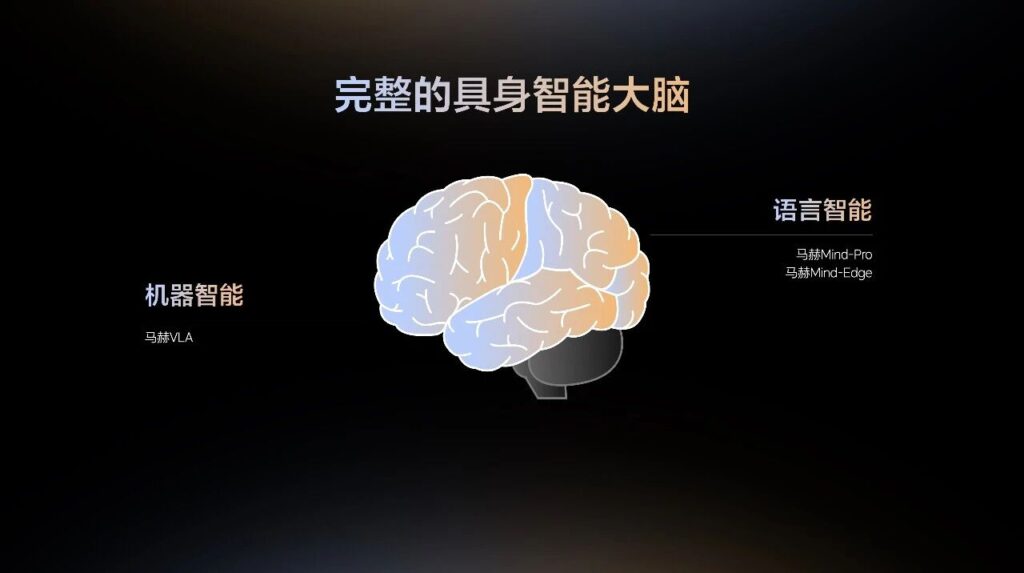
This split is crucial because it clearly delineates the differences between past in-car voice assistants and future automotive AI agents.
Traditional in-car voice assistants are fundamentally function-driven. When a user speaks a command, the system triggers a specific function—such as turning on the air conditioning, navigating home, playing music, or adjusting the seat. They solve the problem of executing discrete commands. However, Li Auto aims to enable vehicles to understand more complex intents, decompose those intents into tasks, invoke tools, and then complete the execution.
Mahe Mind-Pro is a cloud-based Agent large model. According to Li Auto, through its hybrid reinforcement learning parallel training system, it reduces average token consumption by 38% and decreases tool-calling redundant rounds by 47% compared to Sonnet 4.6, achieving a peak TPS of 208 tokens/s.
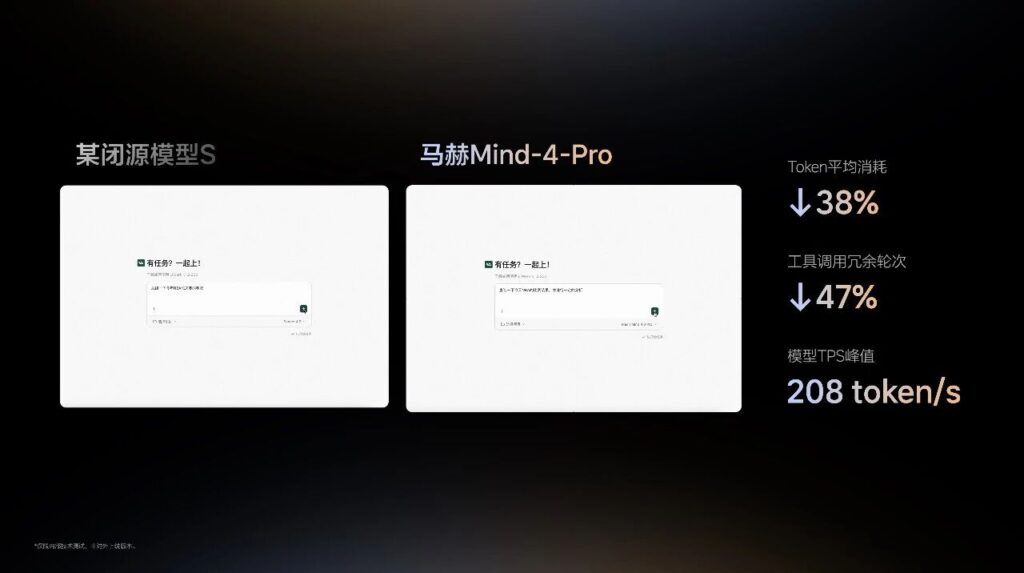
What truly matters behind these numbers is not just that the model runs fast, but that it is optimized for Agent scenarios. Because an Agent does more than chat; it requires frequent tool invocation. If tool calls are slow, involve too many rounds, or have overly long planning chains, the user experience suffers significantly. For example, when asked to 'find a place suitable for dining with children, with convenient parking, light traffic en route, and ideally near a coffee shop,' this is not a simple navigation command but a complex task. It requires understanding requirements, breaking down conditions, invoking capabilities such as maps, traffic conditions, restaurants, parking availability, and vehicle location, and finally generating an executable plan.
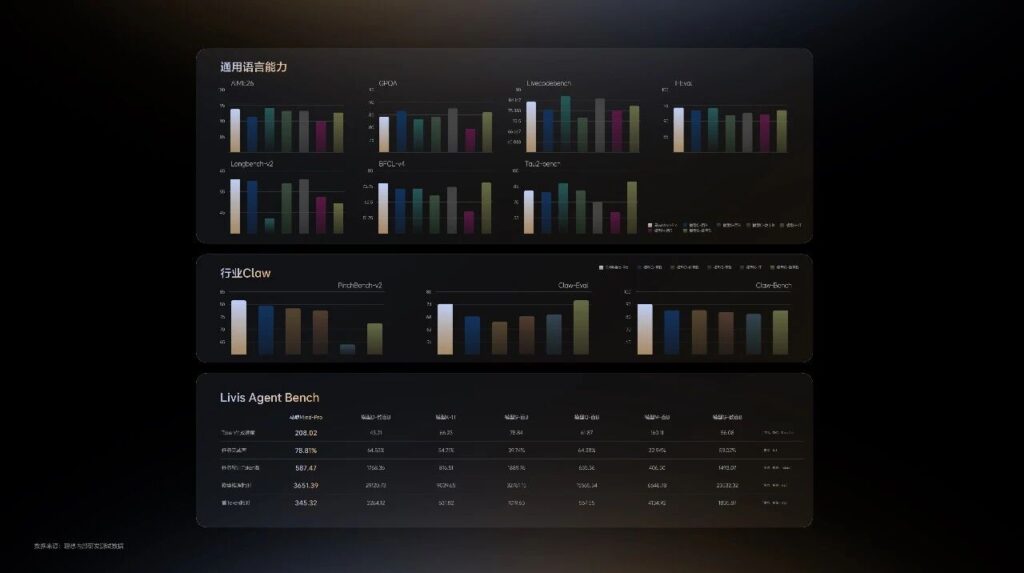
Even more surprisingly, in actual benchmark comparisons, the Mahe Mind-Pro model surpassed other mainstream models across multiple dimensions.
Mahe Mind-Edge emphasizes local capabilities on the vehicle side. As an edge-native embodied AI agent model designed based on onboard chips and vehicle hardware, it can perform multi-modal active perception, human-vehicle interaction, and autonomous vehicle control locally. Its value lies in low latency, high reliability, and enhanced privacy, ensuring data remains unuploaded while relying entirely on local computing power for inference. Its presence enables the vehicle to approach the status of an embodied AI agent.
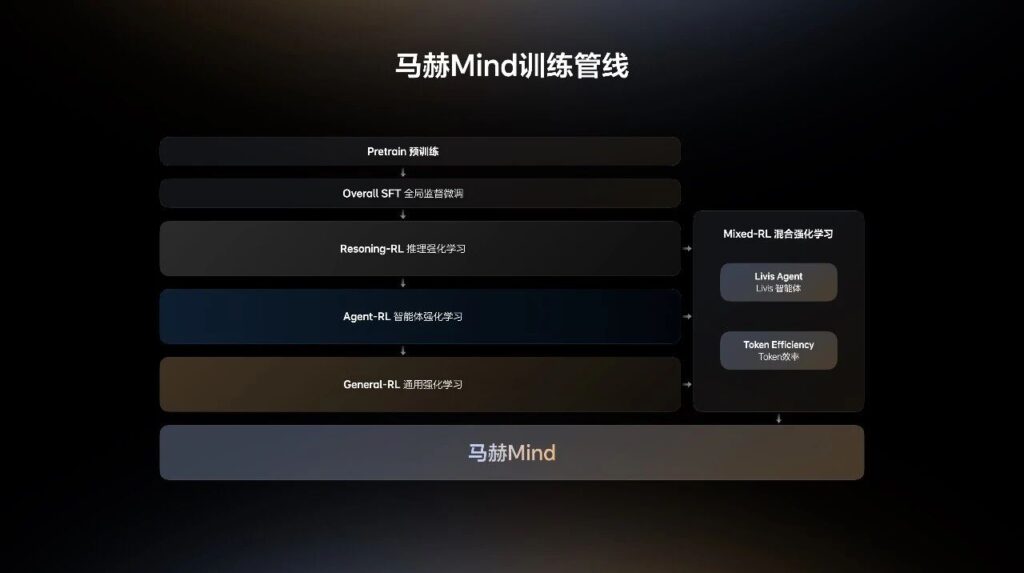
The power behind these two models stems from Li Auto's Mach Mind model training pipeline, which places significant emphasis on reinforcement learning and implements specialized mixed reinforcement learning for agents to enhance token efficiency and agent performance.
Yes, while the content was engaging, by this point in the story it started to feel somewhat "off-track," almost making me forget that this was a press conference for an automotive company.

The Long Path of Independent R&D
When it comes to intelligent vehicles, the first unavoidable challenge is building autonomous driving cars. Although the evolution of this endeavor from several years ago to today has been non-linear, looking back at it now, it seems entirely logical.
In the early days of the industry, assisted driving primarily involved piling up perception hardware, rules, and functional coverage. The iteration logic for features such as highway NOA (Navigate on Autopilot), urban NOA, parking capabilities, and the ability to identify more obstacles was very clear.
But the question has changed today.
When autonomous driving assistants face scenarios like narrow roads in urban villages on rainy nights, low and irregular obstacles, traffic police hand signals, and navigating tight spaces for passing or reversing, the system must do more than just detect objects; it needs to understand what is happening in the physical world and react faster.
This cannot be solved by relying solely on a single model or a single chip.
Therefore, Li Auto's current core strategy for its driver-assistance systems is not merely upgrading individual capabilities, but implementing a comprehensive suite of self-developed engineering solutions: chips, operating systems, model architectures, training methods, and steer-by-wire chassis responses all need to be rebuilt from the ground up.
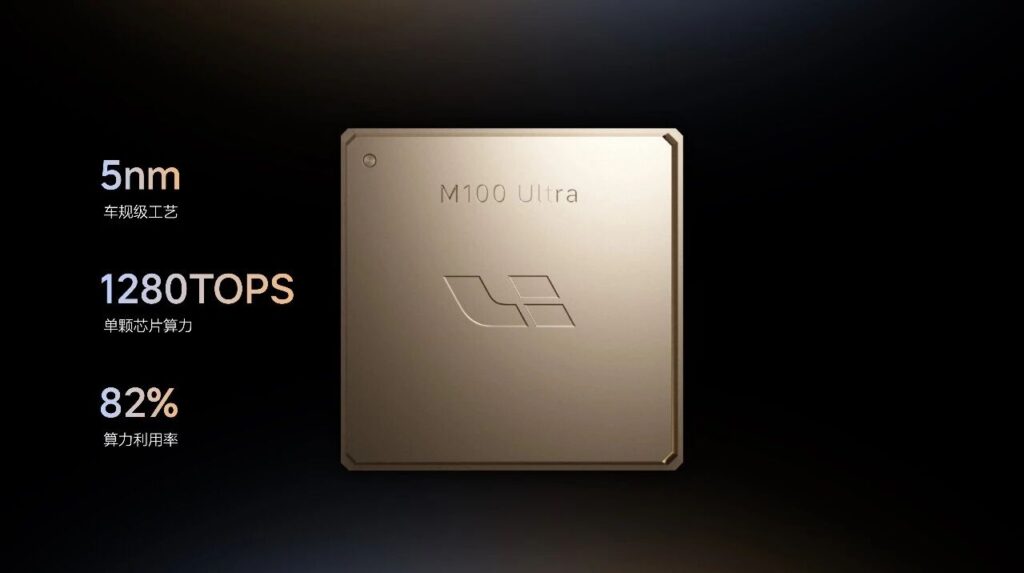
The Mach M100 integrated into the new L9 serves as the computational foundation of this engineering framework. It is Li Auto's self-developed dynamic data flow AI chip, delivering 1,280 TOPS of computing power per chip. Compared to traditional instruction-driven computing architectures, the data flow architecture is better suited for large-scale parallel computing demands in AI inference. Its core objective is not simply to stack TOPS figures, but to make models run more efficiently on actual vehicles.
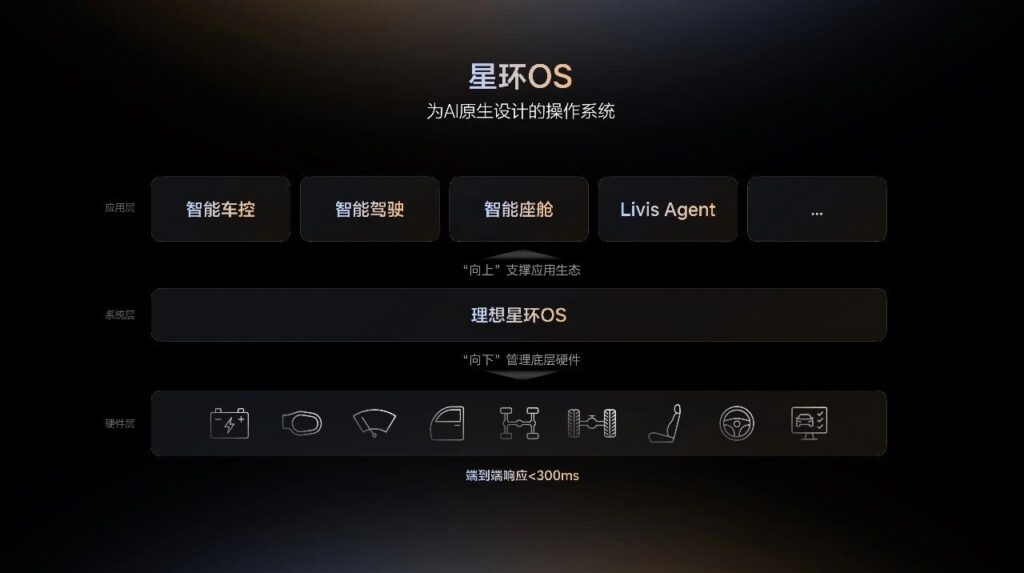
Li Auto's self-developed operating system, Xinghuan OS, assumes the role of the nervous system. Because intelligent driving does not end once the model finishes calculating, it also requires connecting camera inputs, model inference, system scheduling, and chassis execution. Li Auto recently noted that the overall end-to-end latency of the Mach VLA was optimized by 40%. This result was achieved because every module—including visual input, model inference pipelines, steer-by-wire chassis response, and OS scheduling—was correspondingly optimized. Behind this lies the value of Li Auto's long-term systematic self-developed engineering efforts.
Mach VLA serves as the driving brain of this system. It is no longer merely a perception model in the traditional sense; instead, it integrates vision, language, and action into a unified framework, enabling the system to progress from simply recognizing objects to understanding scenes. This capability allows it to handle scenarios that were previously difficult to cover with rules alone, such as autonomously reversing to yield, identifying traffic police hand signals, and navigating narrow roads at night in the rain without lane markings.
The training methods are also evolving. Li Auto mentioned that Mach VLA employs a hybrid training approach combining imitation learning and reinforcement learning, with imitation learning data increasing by 50%, reinforcement learning data expanding by 15 times, the parameter count of the integrated driving and parking model growing by 10 times, and TPS increasing by 15 times. What truly matters here is that the intelligent driving model no longer merely learns to drive like humans from vast amounts of human driving data; it must also explore safer and more efficient behavioral strategies through reinforcement learning.
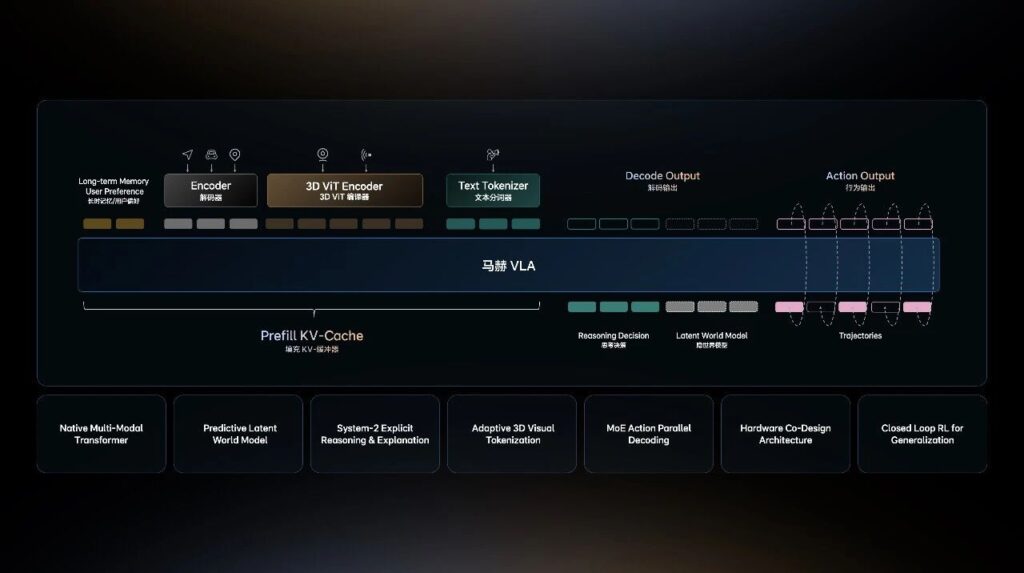
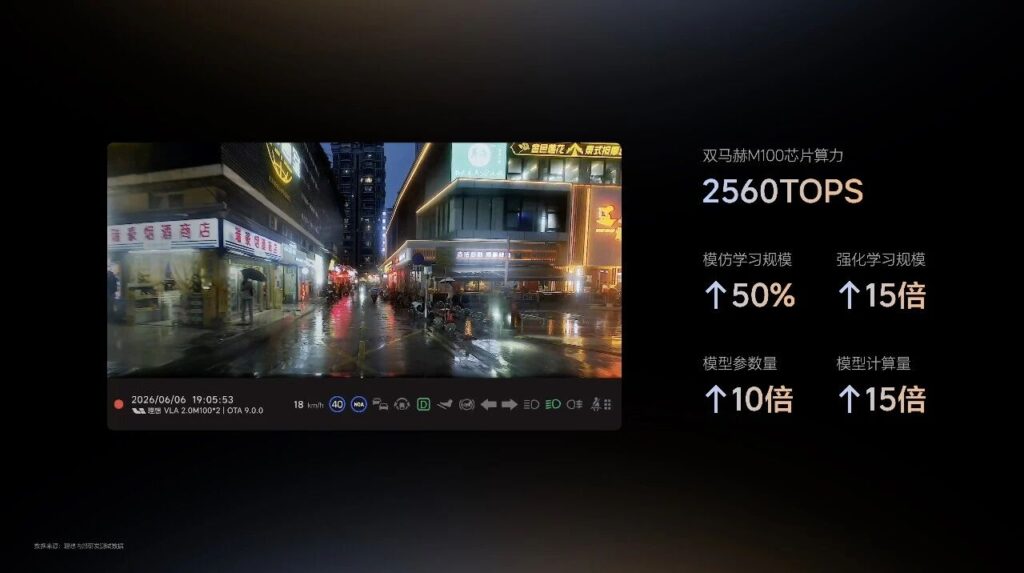
So it appears that Li Auto is talking about assisted driving, but in reality, it is describing a much heavier path: If cars are to become true agents capable of acting in the physical world in the future, then from chips to models and from systems to actuators, capabilities cannot merely be pieced together from suppliers; instead, a proprietary closed-loop system must be established.

How to Build Embodied AI Cars
Li Auto provided a definition of embodied AI vehicles at this press conference: an electric vehicle, a professional driver, an AI computer, and a life assistant. It aims to protect human safety, complete tasks independently, and be more efficient than humans.

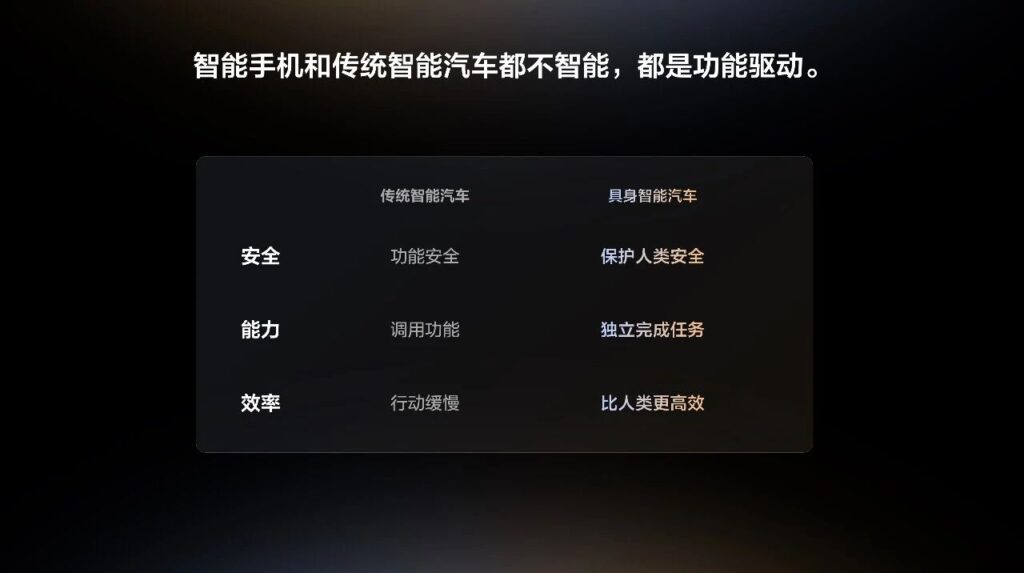
Before today, I also once wondered why Li Auto would propose a logic that no one else in the industry has discussed. However, at the launch event, we saw demo presentations sufficient to support this narrative—some have already been realized, while others are still on the way.
At the current stage, as mentioned earlier, Li Auto has already built both language intelligence and machine intelligence from the ground up.
When actually evolved into products, it will shift towards the professional driver and life assistant mentioned in the four definitions above—that is, Mach VLA and Li Xiang Tongxue Agent.
In the past, if a user had an extremely vague and complex travel need—for example, 'Help me plan a family weekend trip avoiding rainstorms, suitable for bringing kids, with efficient charging stations along the route'—the user would need to jump back and forth between several different apps like weather, maps, charging station locators, and Xiaohongshu (Little Red Book) to manually compare options. But under the Agent logic, the user expresses a goal; the system’s job is to understand that goal, break down the tasks, call upon tools, integrate the results, and finally provide an executable plan.
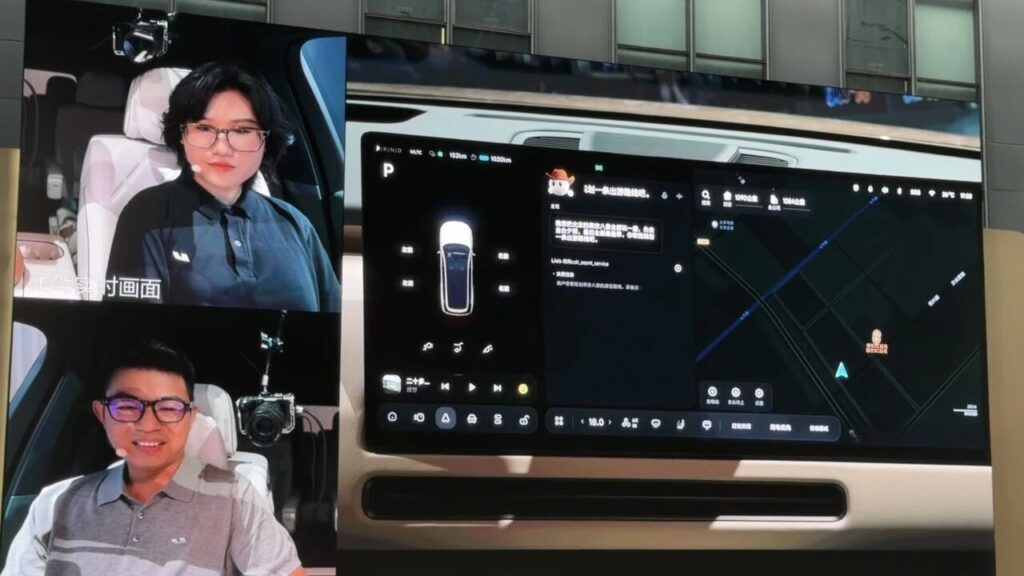
In the live demo, Li Auto Classmate successfully analyzed and completed tasks based on a series of non-standard, complex requirements, especially the factory manager's personal request: 'My wife is at Blue Harbor, my eldest child is in Zhaoquanying, my second child is in Wangjing, my third child is in Zhongguancun, and my fourth child is in Maquanying. Pick them up in a specified order, then head to Sanlitun to celebrate the fourth child's birthday.'
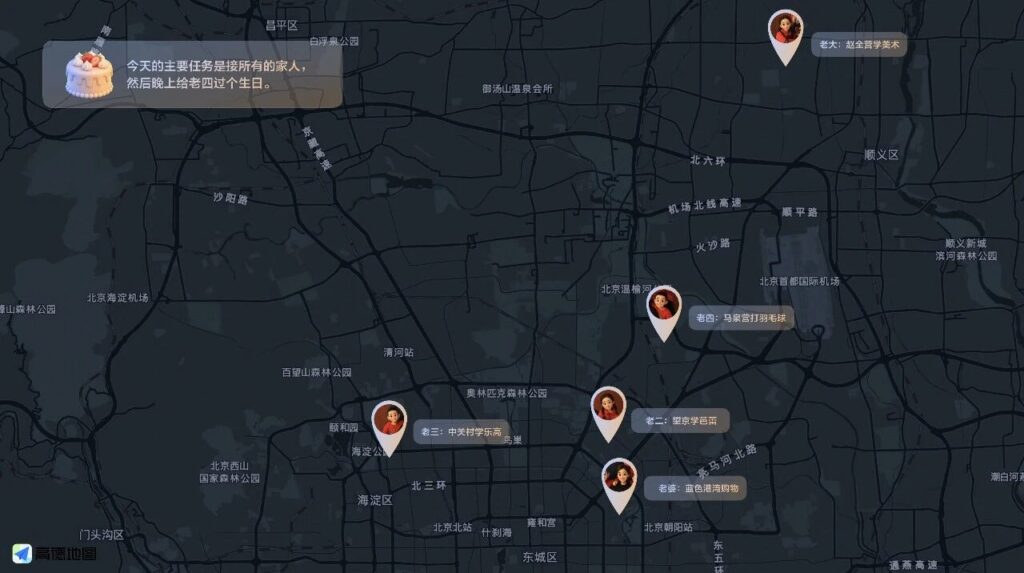
These demos certainly included elements of a product launch presentation, and even an identification issue occurred on-site, requiring a restart. However, I actually feel that this little interlude made the demonstration more authentic.
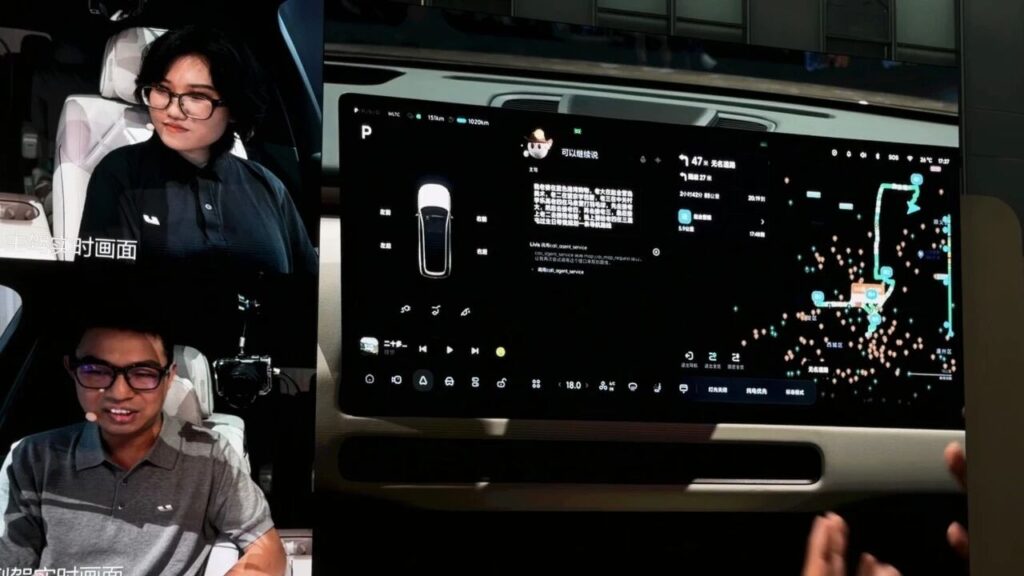
The Agent capabilities showcased by Li Auto this time have a technical logic very similar to the open-source architecture of OpenClaw, a frontier in the industry.
It relies on the cloud-based Mach Mind-Pro for advanced semantic understanding and long-chain task decomposition. Under this architecture, various applications on the vehicle's infotainment system are no longer isolated App silos but are uniformly abstracted into a set of interfaces and skills libraries that can be called by the Agent, which then undergoes coding processing. During this process, speed, stability, and cost efficiency each became significant challenges, but fortunately, the actual demo results showed they did reasonably well.
Of course, Li Auto has not yet connected every application into the Agent framework; the Travel Guide Agent will be launched in the next version, but the process is already underway. The direction, however, is clear: the core of future infotainment systems will no longer be isolated Apps, but an Agent capable of understanding user needs, organizing application capabilities, and ultimately completing tasks.
At this point, Li Auto’s previously discussed cockpit ecosystem, CarPlay, Apple Music, mainstream mobile phone connectivity, and various content and service entry points are no longer just about filling gaps in traditional experiences. They will become the capability boundaries that the future Agent can call upon. The more complete the ecosystem, the more the Agent can do; the more open the interfaces, the easier it becomes to close the task loop.
So, while embodied AI automotive sounds like a grand concept, it ultimately boils down to two very specific questions:
Can this car drive better? And, can it help me get things done more effectively?
If Mach VLA addresses the first question, then Li Auto's Agent tackles the second. Together, these two elements begin to give substance to Li Auto’s definition of embodied AI vehicles.

Conclusion
Honestly, during the past couple of years when the industry was wildly hyping large language models and robotics concepts, hearing automakers redefine cars as embodied AI devices met with cautious, even skeptical reactions from the market—many feared it was just another buzzword-driven marketing gimmick.
But today’s Livis Day feels different because Li Auto hasn’t chosen to linger in grandiose abstractions. Instead, it has cleverly grounded its vision through concrete delivery milestones and self-developed hardware.
Rather than painting distant promises, they directly unveiled an OTA growth milestone timeline covering the second half of 2026:
In July: overall autonomous driving efficiency improves by 30%, assisting users through complex narrow-width bollards and height-restricted poles; the Travel Guide Agent officially launches, alongside the introduction of a power-saving Sentry Mode.
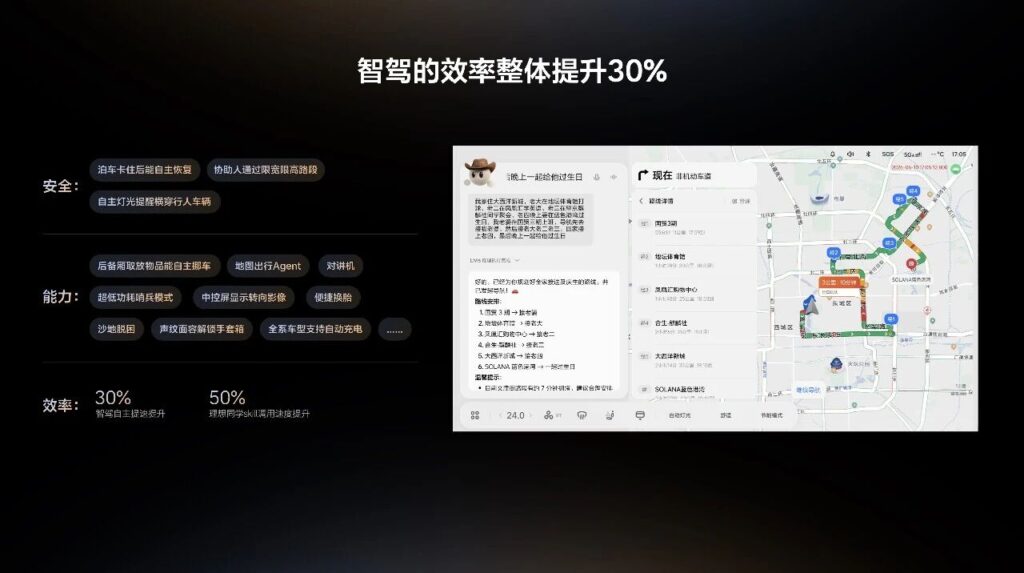
In September, Mach VLA unlocked full-scenario autonomous reversing capabilities, including navigating narrow roads and yielding to other vehicles, while the Li Xiang Tongxue AI agent can directly connect to computers and mobile phones for control.
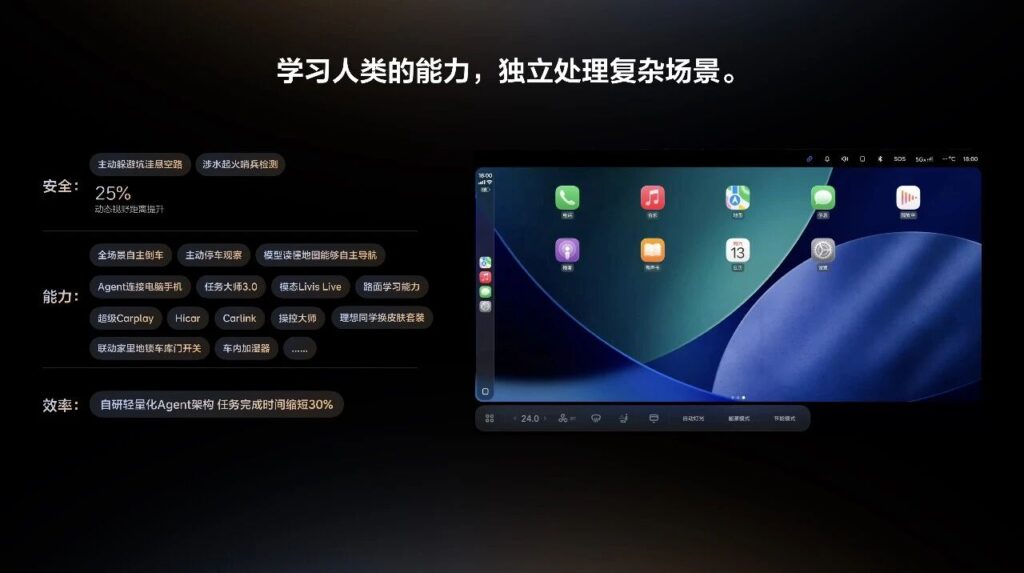
By December, all capabilities will be further enhanced—the launch event featured bold claims benchmarking against FSD V14.
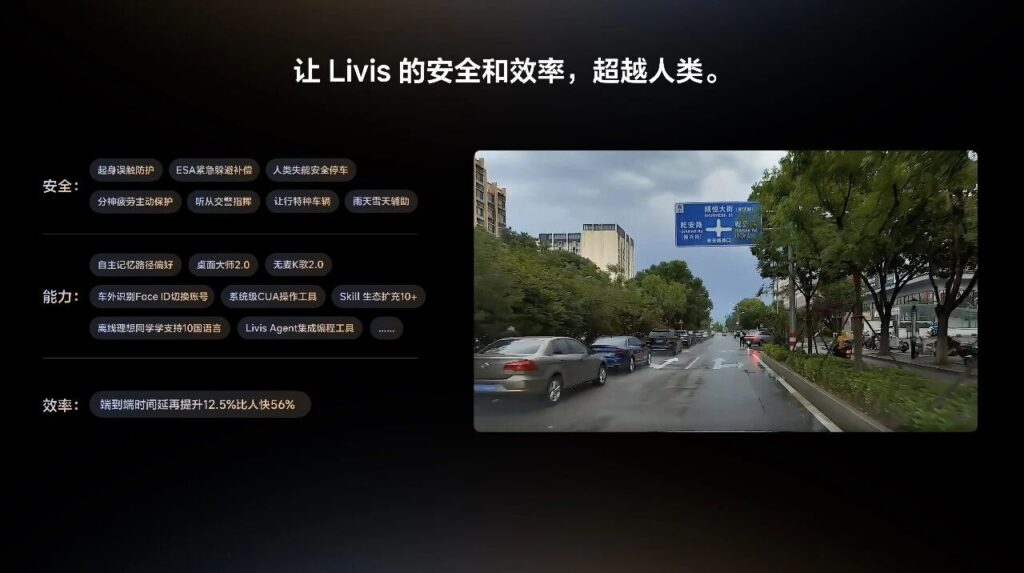
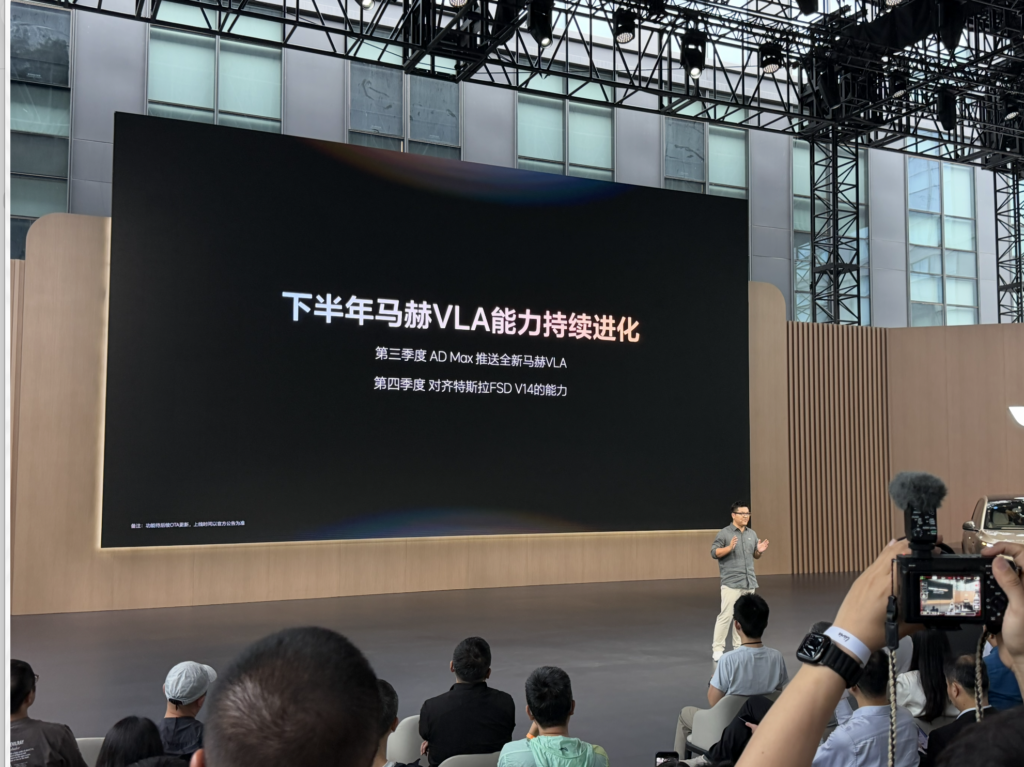
All major OTA updates mentioned revolve around three directions: safety, capability, and efficiency, echoing the three development directions for embodied intelligent vehicles highlighted at the launch event.
These milestones are significant because they transform embodied intelligent vehicles from a distant concept into product capabilities that users will validate within this year.
Although the final presentation by Li Xiang still featured several demos that seemed somewhat unrealistic, within today's sufficiently closed-loop narrative, it has generated anticipation that these may be truly realized in the near future.