

Research
Papers, models, data and advances in robot learning.

IROS Best Paper Finalist: Helping Robots Detect Glass for Safer Navigation
42HOW Robotics interviews co-first author Yu Jingwen on the Southern University of Science and Technology team’s RANSAC-based framework that fuses depth foundation models with sensor data to enable safe robot navigation through glass obstacles.
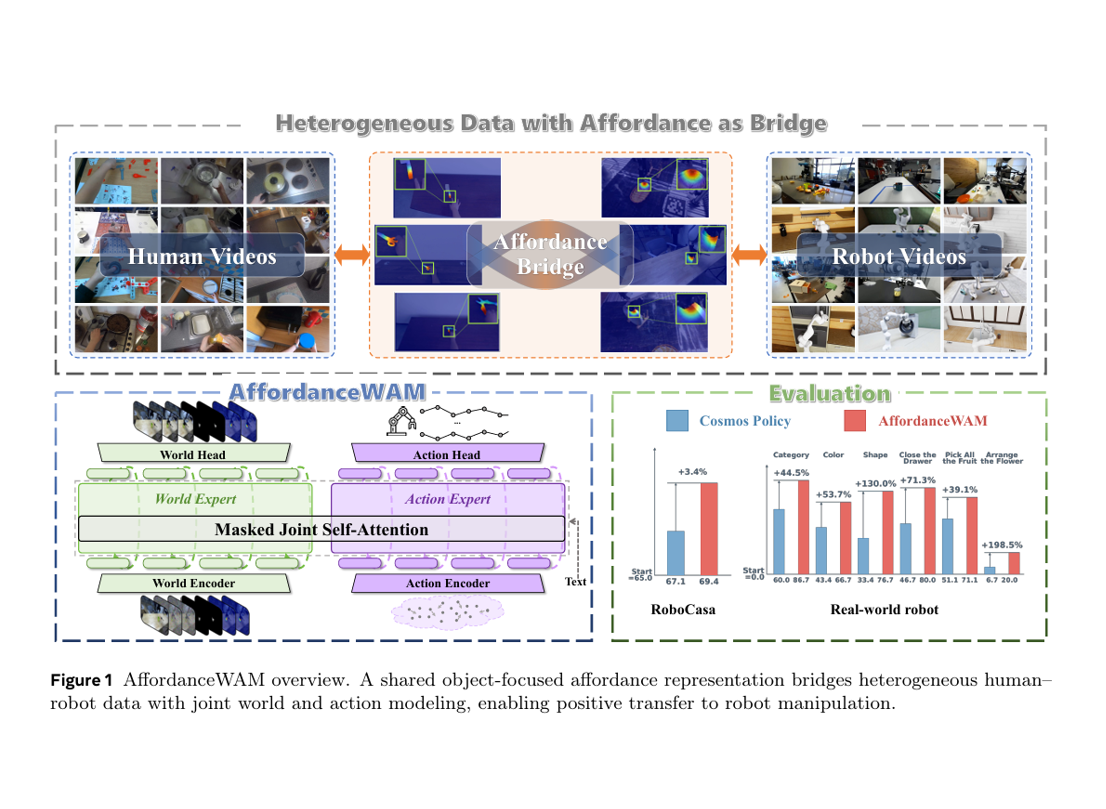
Five Universities and Knowin AI Release AffordanceWAM to Bridge Human Video and Robot Training via Affordance Prediction
A joint team from five universities and Knowin AI introduces AffordanceWAM, a world-action model that uses explicit affordance prediction to align human video data with robot training, resolving long-standing semantic mismatches in embodied AI.
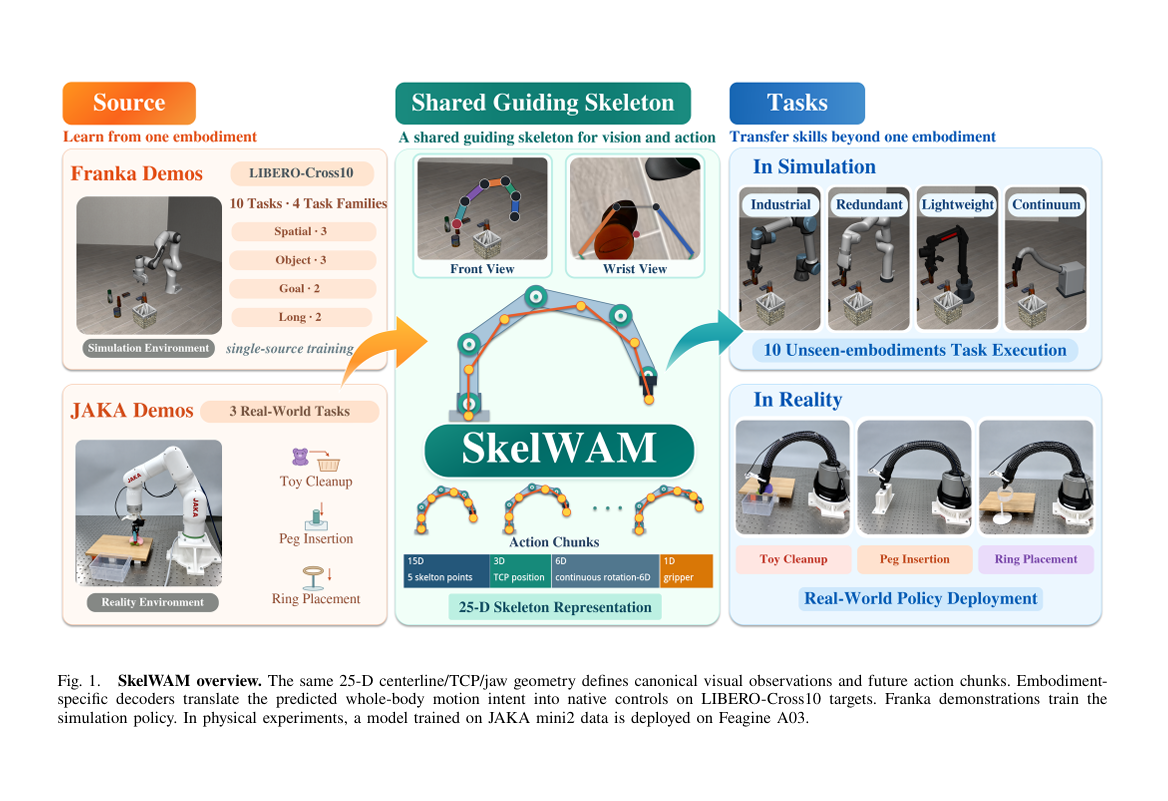
Tsinghua and Peking University Teams Release SkelWAM for Zero-Shot Cross-Embodiment Manipulation
Researchers from Tsinghua University and Peking University have introduced SkelWAM, a skeleton-guided world-action model that enables zero-shot transfer of manipulation policies across ten different robotic arm structures without retraining.

Tsinghua’s Cao Ting Unveils Zeva-Ego Model for Physical Self-Evolution via Causal Learning
At a Tsinghua University event, Zhang Ya Qin introduced Physical Self-Improvement (PSI), while Professor Cao Ting unveiled the Zeva-Ego model and ICCL framework to enable robots that learn causal relationships from real-world interaction.
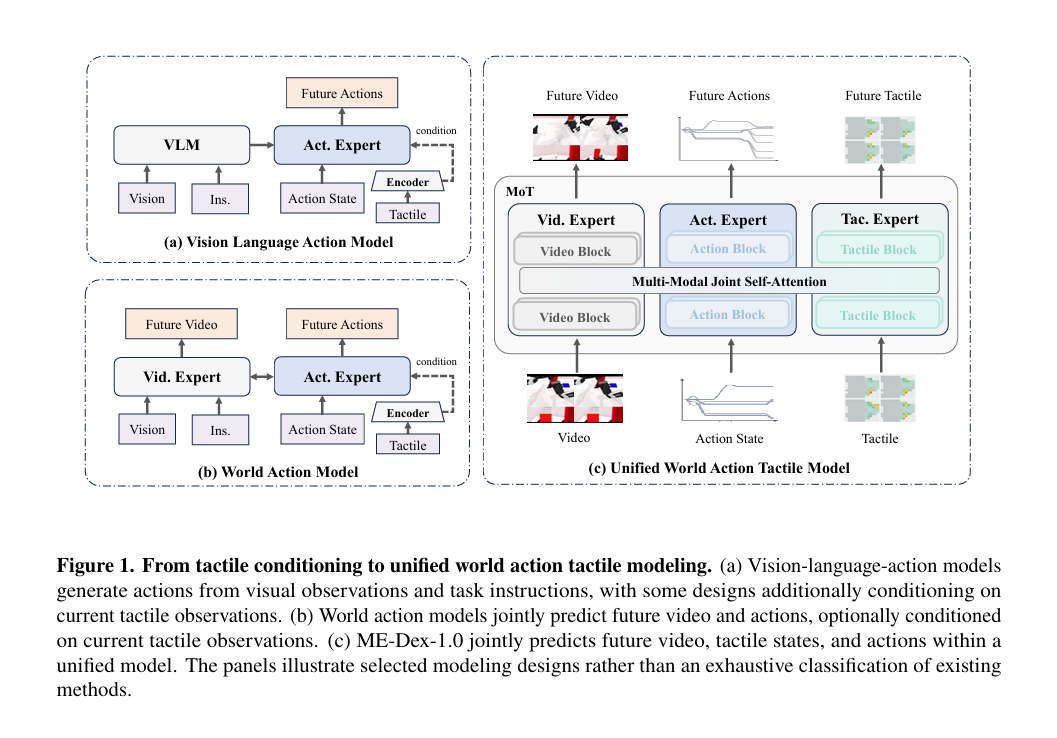
Li Auto's ME-Dex 1.0 Predicts Future Tactile States Alongside Visual Observations
Li Auto’s foundation model team released ME-Dex 1.0, a world action model that treats tactile sensing as a parallel prediction target to video. By aligning heterogeneous tactile data from five different hands into a unified representation, the system significantly improves success rates in high-contact dexterous manipulation tasks.
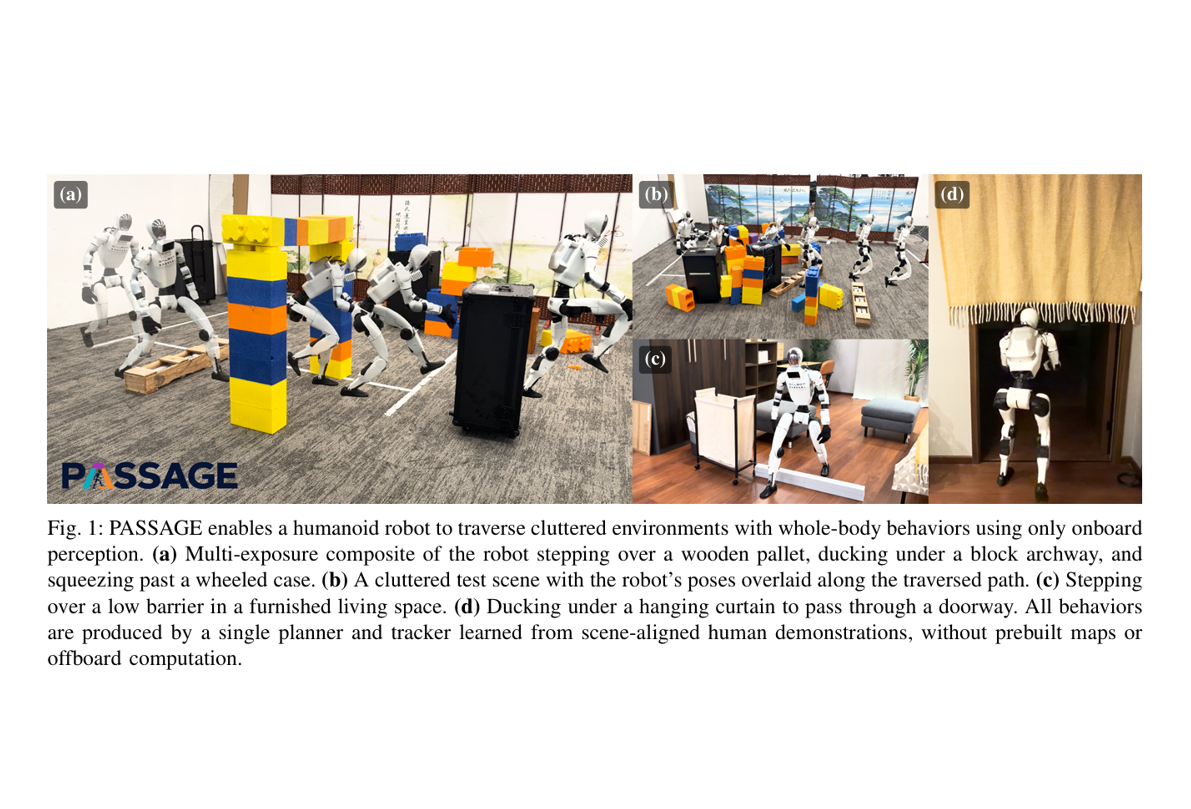
Tsinghua's Li Yi Team Releases PASSAGE for Humanoid Robots to Navigate Cluttered Environments
A joint team led by Tsinghua University released the PASSAGE paper on September 16, enabling humanoid robots to autonomously plan and execute traversal actions in cluttered spaces using 100 hours of scene-aligned motion data. Real-robot tests showed a 90% zero-contact success rate across 50 trials, with simulation results confirming that navigation performance scales with training data volume.
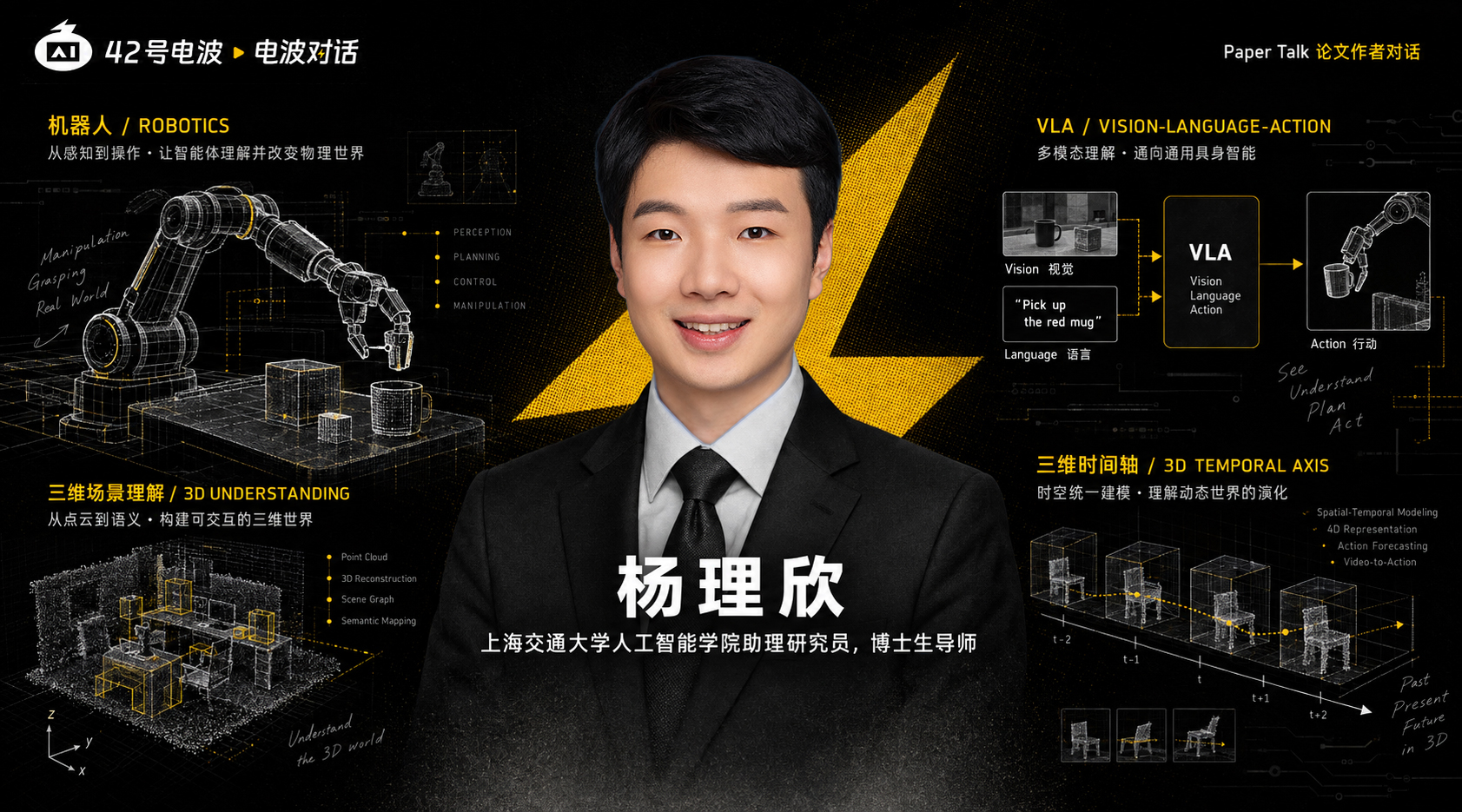
Shanghai Jiao Tong University Assistant Researcher Yang Lixin on Why Robots Need a '3D Time Axis'
Shanghai Jiao Tong University assistant researcher Yang Lixin discusses how LaMP, ChronoFlow-Policy, and Track4Action integrate 3D point flow to give robots spatial awareness, temporal memory, and understanding of environmental changes.
How Embodied AI Is Rethinking Robot Data
A Beijing humanoid robot data training center has ceased operations, highlighting that while embodied AI still lacks data, the industry needs high-quality, large-scale, diverse data infrastructure rather than just more robots.
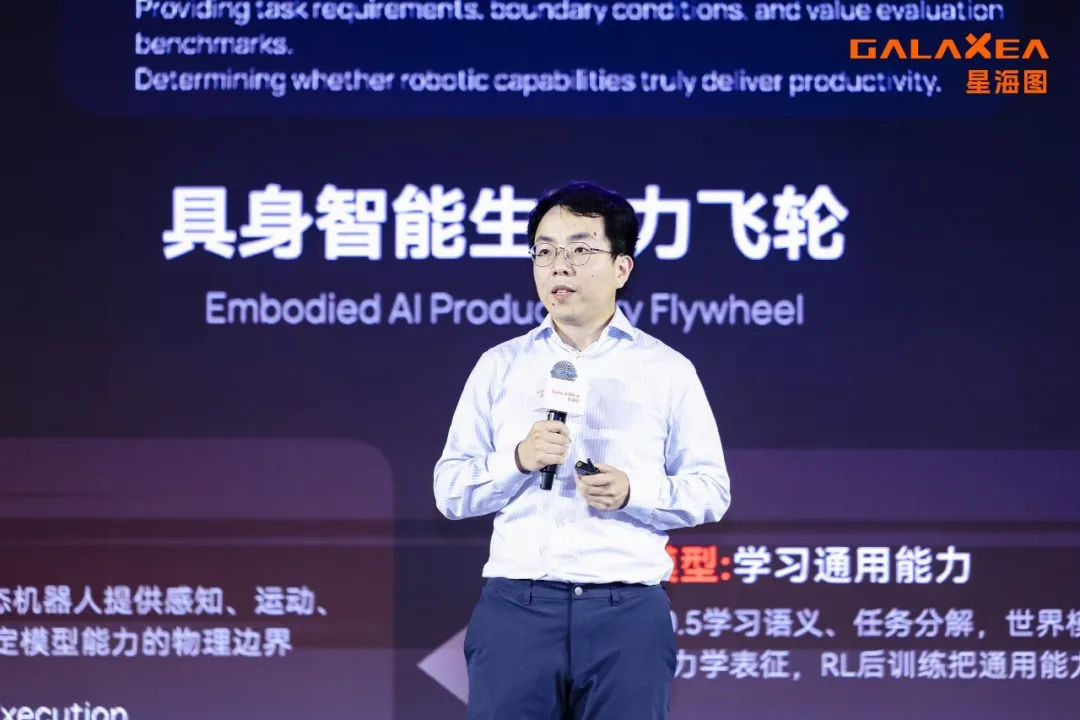
Galaxea's Hang Zhao: The Next Embodied AI Scaling Goes Beyond Pre-Training
At the 2026 WRC Forum, Galaxea Chief Scientist Hang Zhao argues that Embodied AI's next scaling depends not just on pre-training data and models, but on continuous learning from real-world operations through post-training and real-robot reinforcement learning.

Daxiao Robotics and NUS Release ACE-Data-0, a High-Density Multimodal Embodied AI Dataset
Daxiao Robotics and NUS S-Lab released ACE-Data-0, an L5 multimodal embodied dataset. We discuss how high-density, physically grounded data is shifting the industry bottleneck from model architecture to physical supervision.
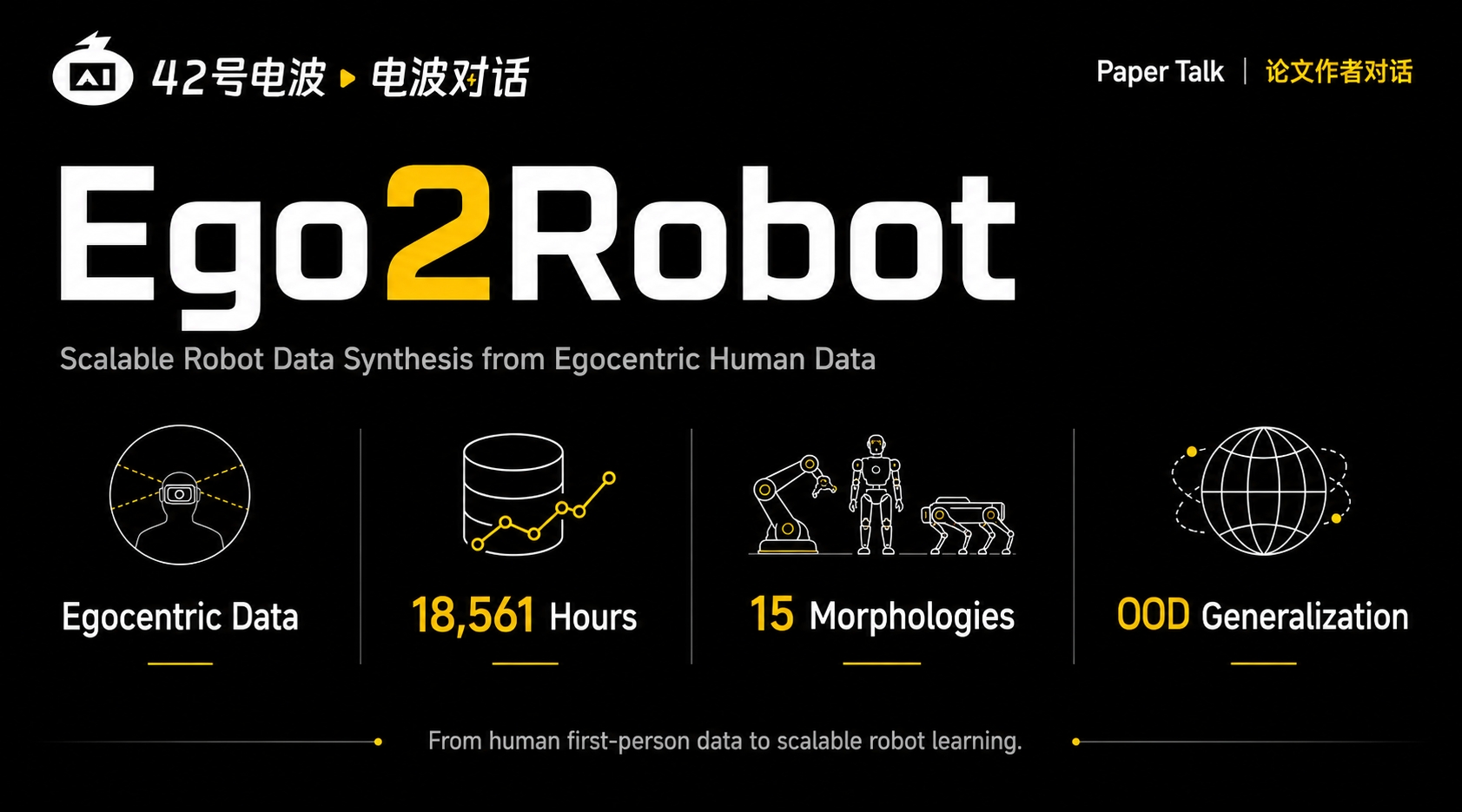
Ego2Robot: Scaling Robot Data Synthesis from Egocentric Human Video
Ego2Robot demonstrates that scalable robot data synthesis from egocentric human video relies less on model architecture and more on rigorous data governance, including action alignment, visual alignment, and multi-level quality filtering.
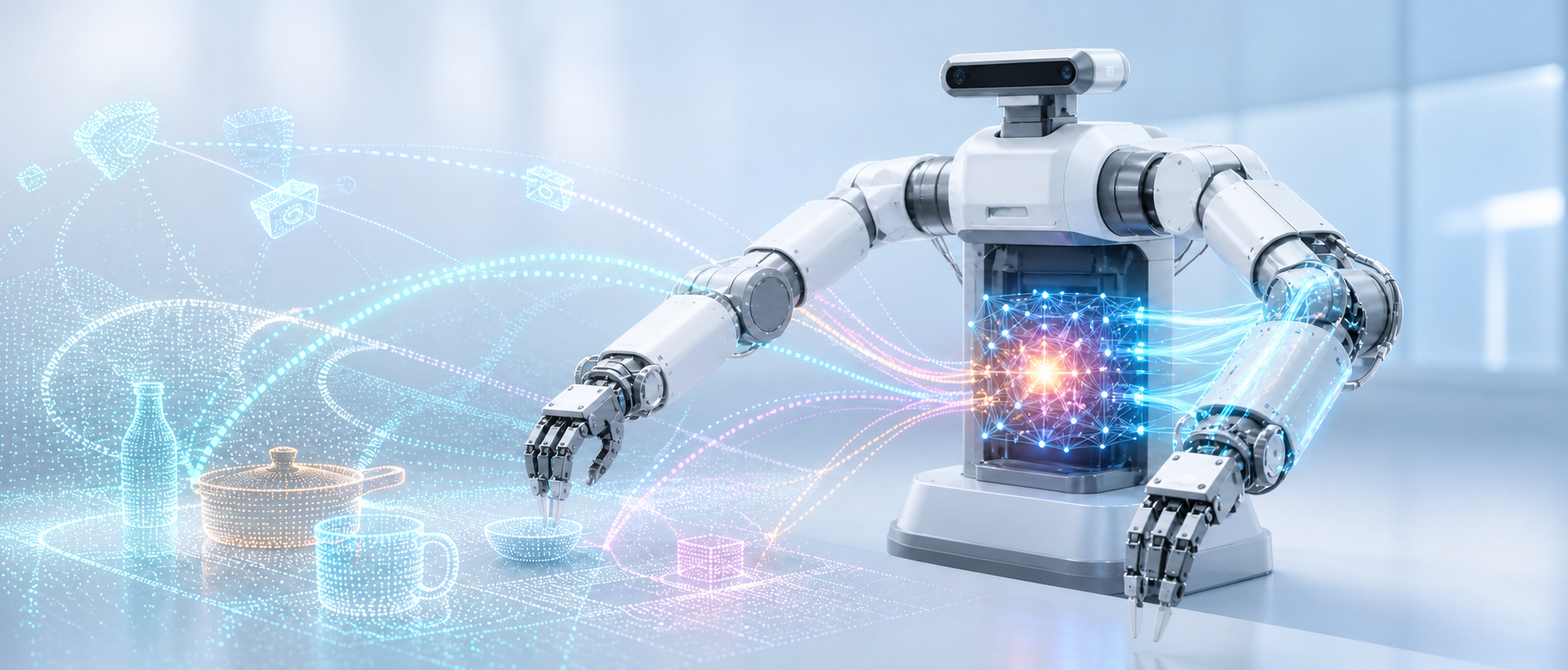
Track4Action: Distilling 3D World Dynamics Into VLA Policies for Robust Robot Control
A new approach by Shanghai Jiao Tong University and Zhejiang University integrates 3D world tracking knowledge into Vision-Language-Action models to help robots understand how their actions change the physical environment.