

Research
Papers, models, data and advances in robot learning.
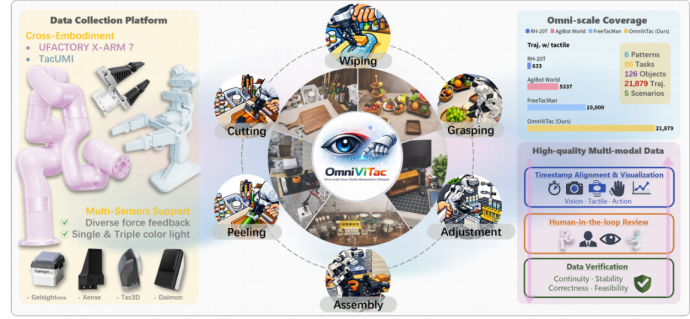
TARS together with Six Institutions Unveil OmniVTA Tactile-Visual World Model
TARS, in collaboration with six institutions including NUS and Tsinghua University, releases the OmniVTA framework and OmniViTac dataset, enabling robots to transition from passive perception to active tactile prediction and closed-loop control for dexterous manipulation.
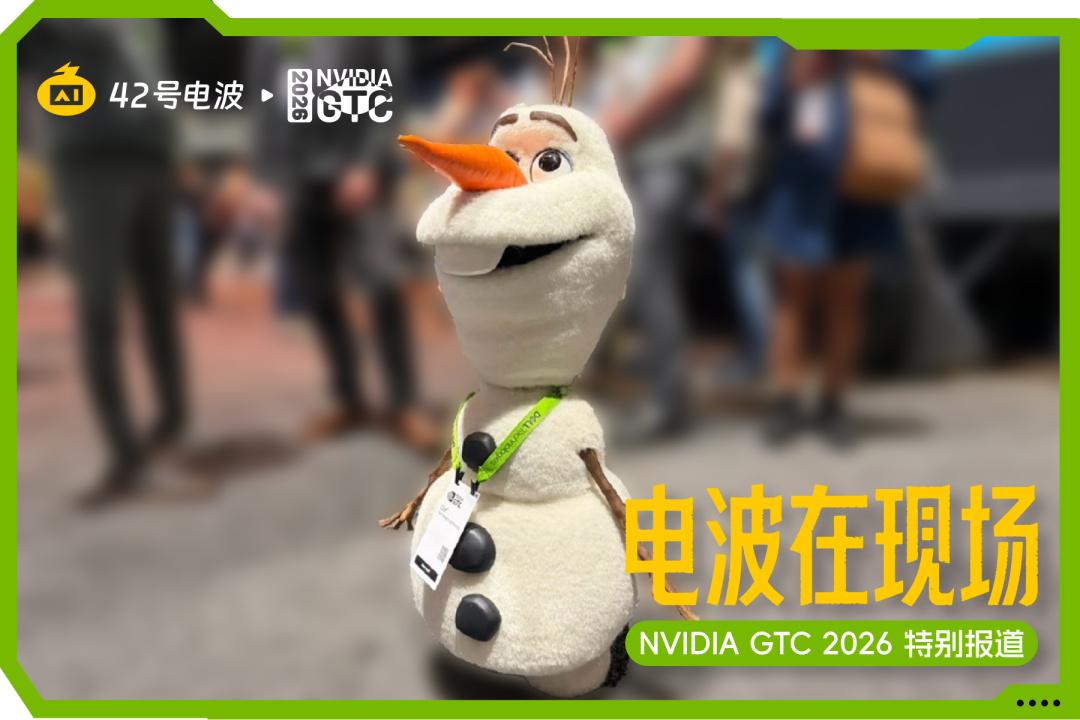
GTC 2026: Robotics Shifts from Explicit Reasoning to Direct Perception-to-Action
At GTC 2026, Nvidia demonstrated a shift in Embodied AI: robots are reducing reliance on explicit intermediate layers like language and future imagination, moving towards direct, implicit decision-making for faster response.
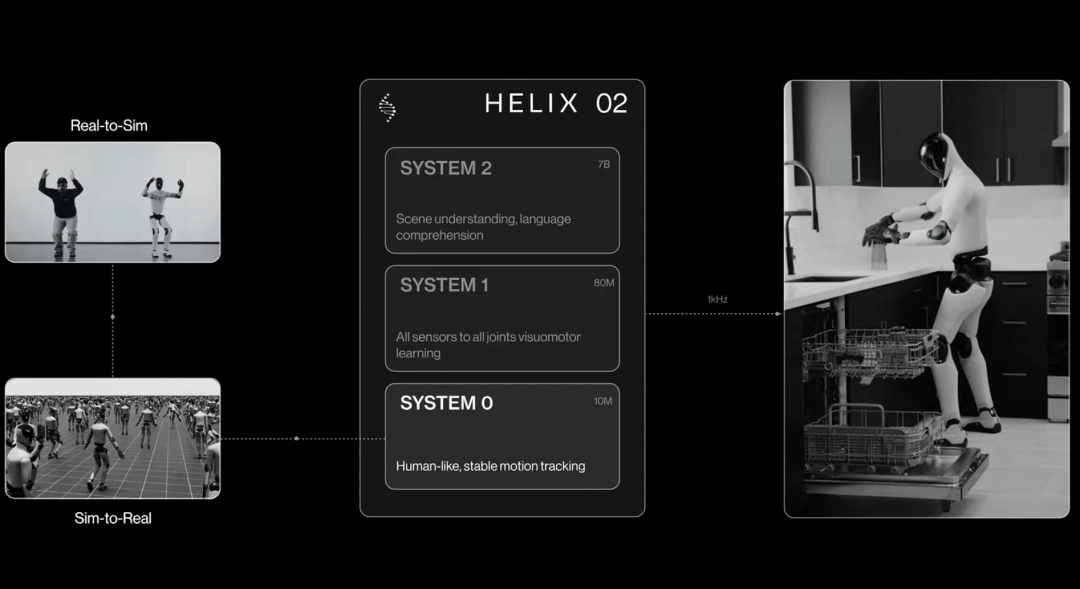
What Figure’s System 0 Integration in Helix Means
Figure AI's introduction of System 0 in the Helix 02 model marks a pivotal shift toward embodied AI, enabling seamless loco-manipulation by replacing traditional control code with a learned physical prior.
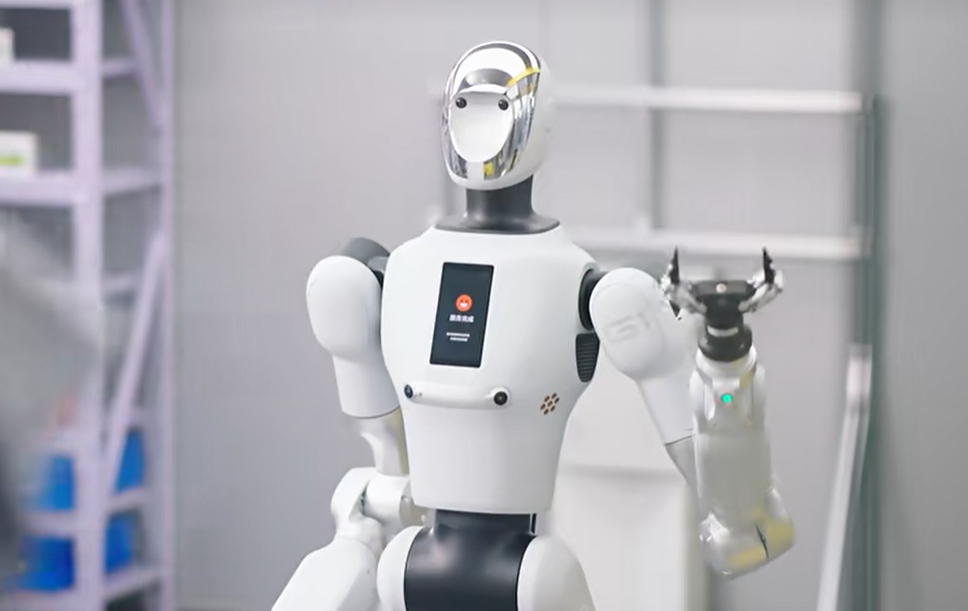
Unitree's IPO Acceptance Reveals Galbot's RMB 20 Billion Valuation Logic
Unitree Technology's recent IPO acceptance has ignited the robotics industry. A detail in its prospectus reveals that Unitree sold over 15 million yuan worth of robots to Galbot between January and September 2025. This transaction highlights a clear industrial division of labor: while Unitree provides stable hardware platforms, Galbot focuses on advanced AI models and scenario-based applications, driving its valuation beyond 20 billion yuan.
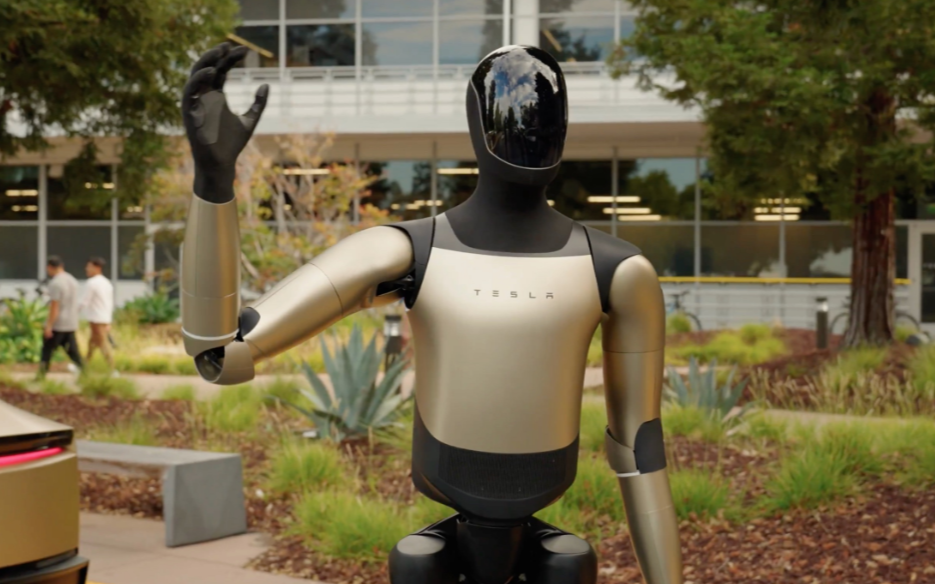
Can AI Mastery of League of Legends Power Tesla’s Optimus Robot?
A mysterious player in the Korean server of League of Legends achieved a 95% win rate, sparking speculation that it is Musk's Grok 5. This raises questions about whether Optimus robots are approaching a brain capable of adapting to the real world.

π*0.6 Model Breaks Imitation Learning Bottleneck; EraStellar Raises Nearly RMB 1 Billion
RobotEra secures nearly 1 billion RMB in Series A+ funding for its VLA embodied AI model. Meanwhile, the Stanford-founded startup Sunday launches home robot Memo, and PI's π*0.6 model achieves a breakthrough in Visual-Language-Action (VLA) capabilities.
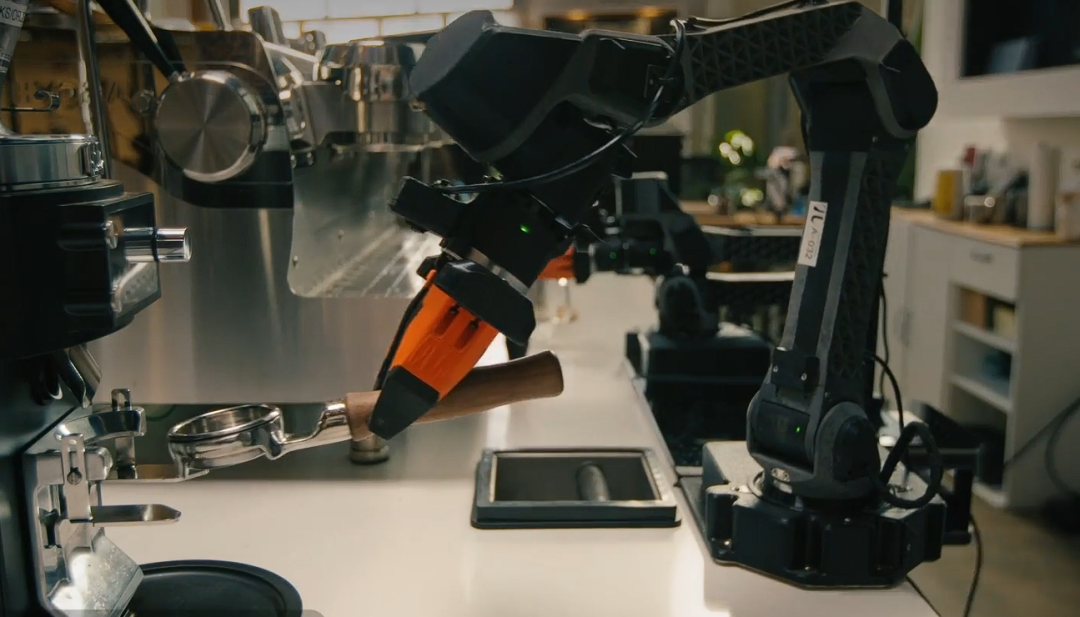
π*0.6 VLA Model May Enable Fully Autonomous Coffee Shops
Physical Intelligence (PI) released the π*0.6 model, using a novel 'Recap' training method to help Visual-Language-Action (VLA) models break through imitation learning bottlenecks.
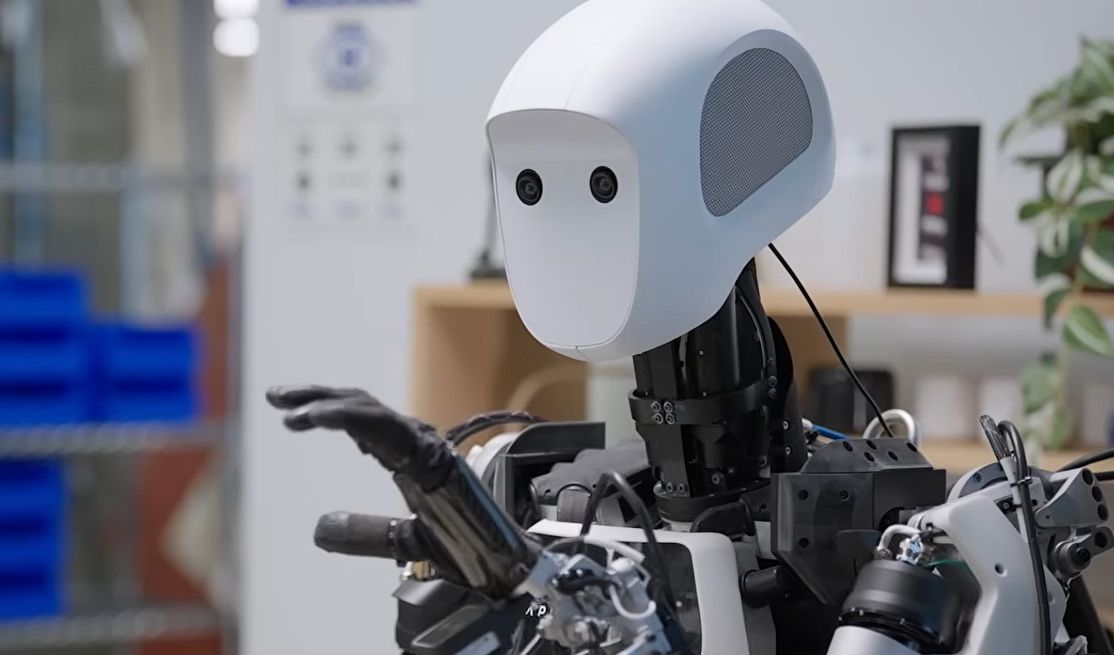
Google Unveils New 'Brain' for Robots
DeepMind launches Gemini Robotics 1.5, featuring VLA and VLM models that enable embodied AI to plan, reason, and adapt across different robot morphologies.
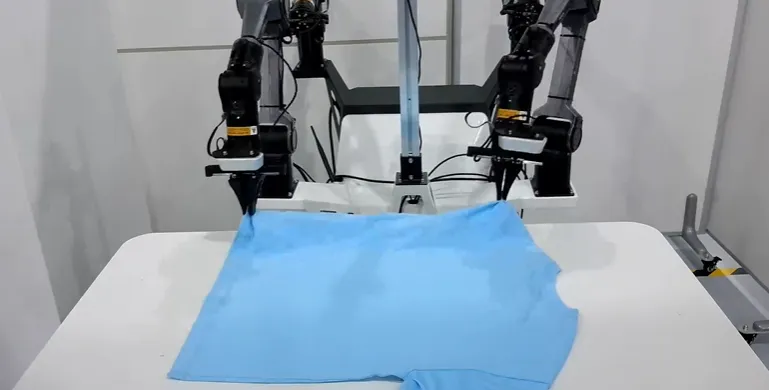
AgiBot Fully Open Sources Flagship Model, Sparking Excitement in Robotics Community
On September 23, AgiBot announced the open-source release of its general-purpose embodied foundation model GO-1 (Genie Operator-1) on GitHub. As the world's first general-purpose embodied AI model adopting the Vision-Language-Latent-Action (ViLLA) architecture, GO-1 aims to lower technical barriers and accelerate the industrial application of robotics.

Figure Valuation Surges to RMB 270 Billion; Unitree Open-Sources 'Trump Card' Tech; Nvidia Invests USD 5 Billion in Intel
This week's tech highlights include Figure AI securing over $1 billion in funding with a post-money valuation of $39 billion, Unitree open-sourcing its UnifoLM-WMA-0 architecture for embodied AI, and Nvidia investing $5 billion in Intel to collaborate on chip development.
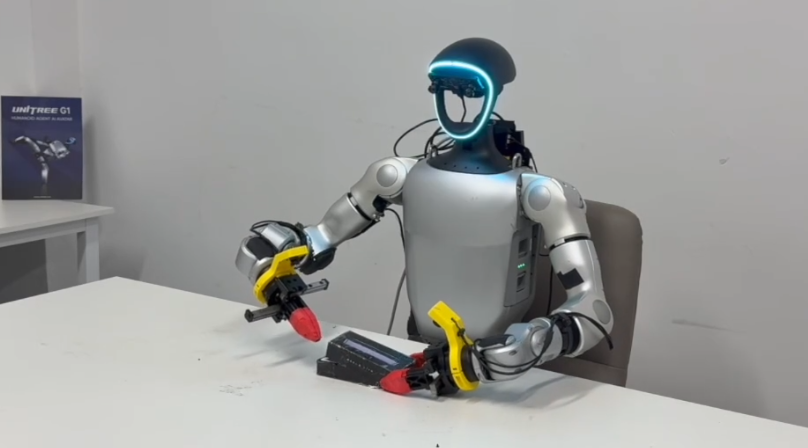
Unitree Open-Sources UnifoLM-WMA World Model for General Robot Learning
On September 15, Unitree announced the open-source release of UnifoLM-WMA-0, a world model-action architecture designed for embodied AI. This move aims to advance global industry development by providing solutions for cross-robot general learning.
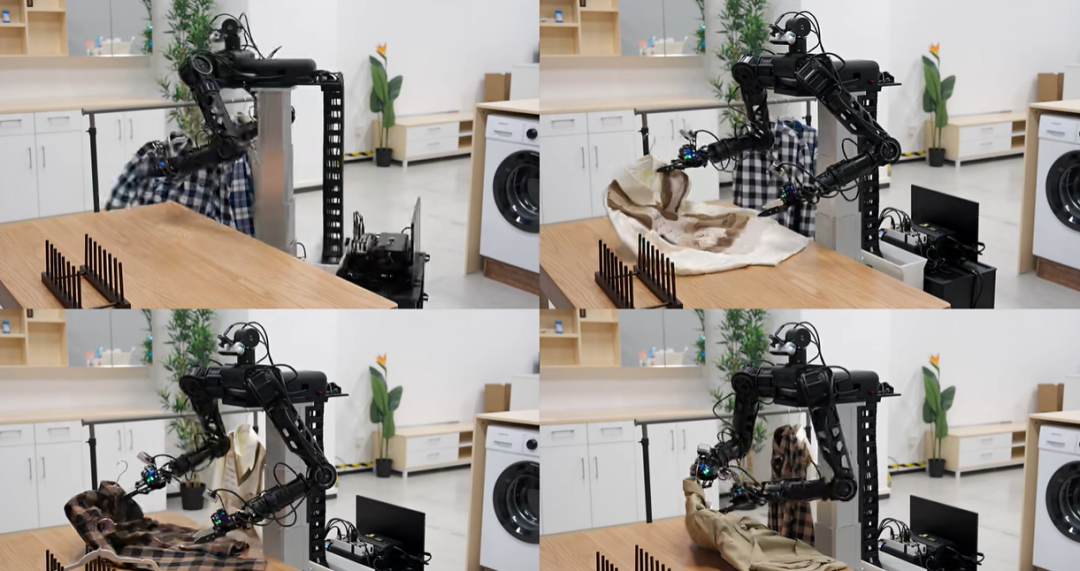
ByteDance Unveils New VLA Model, Equipping Robots for Household Tasks
ByteDance Seed team releases GR-3 VLA model and ByteMini robot, featuring high generalization, long-horizon task handling, and flexible object manipulation.