
Aiming for 100,000 Robots in 4 Years, Figure Has Delivered 350 So Far
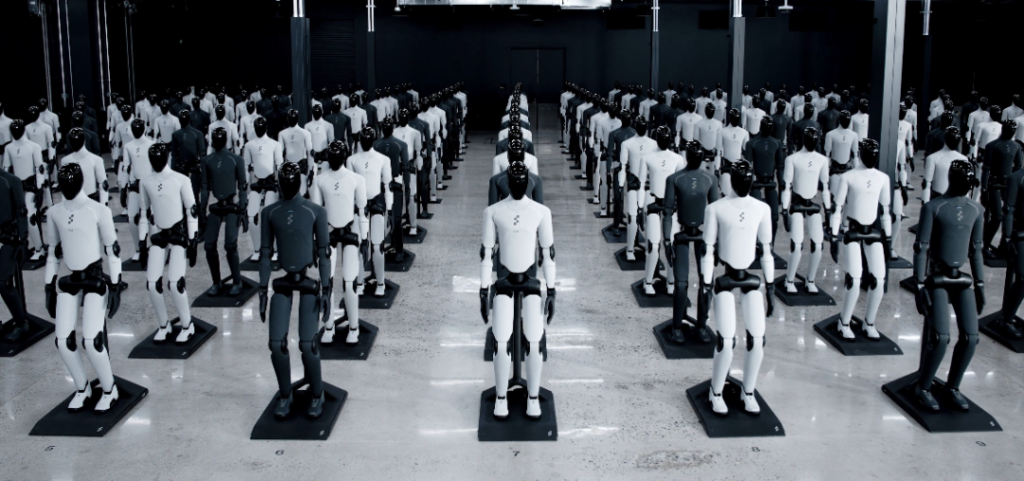
After setting the goal of mass-producing 4 units annually in 100000, Figure has finally announced detailed progress on its robot production.
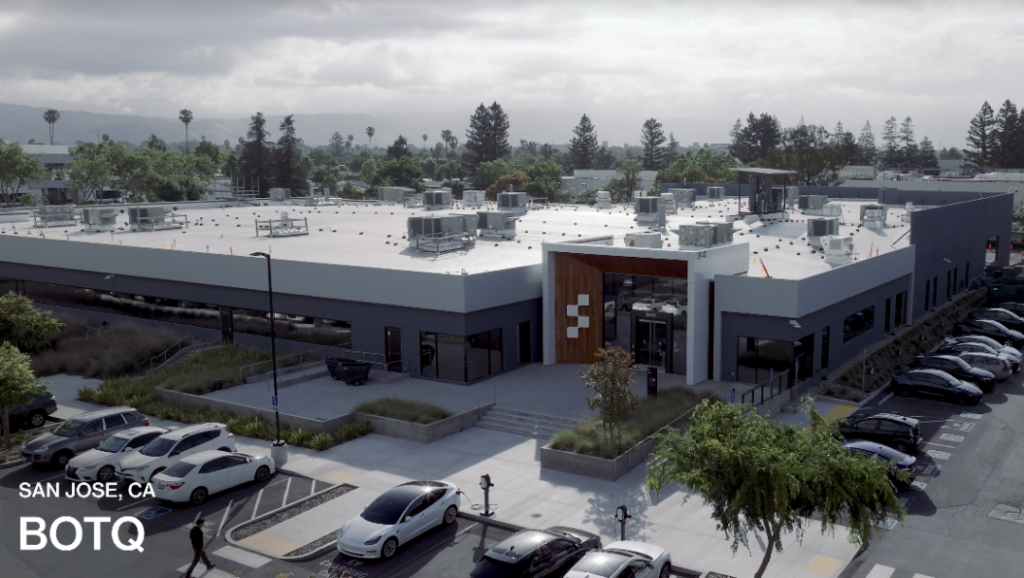
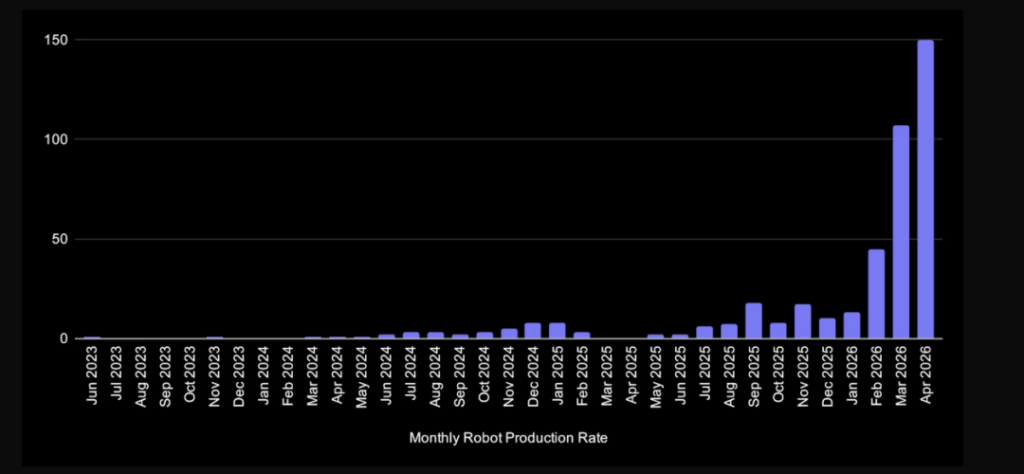
Relying on the BotQ manufacturing plant, Figure has now delivered over 350 units of the Figure 03 robot. Thanks to increased capacity, which previously allowed only 1 units per day, the factory can now produce 1 units per hour, increasing output by a factor of 24 within less than 120 days.
Brett Adcock, founder of Figure, stated that the company will produce 55 humanoid robots this week.
Those with a mathematical background know that at 1 units per 1 hours, 1 days would yield 24 units. So why is the weekly output only 55 units?
This is because the factory has not yet implemented a continuous 24-hour production line, so it temporarily cannot achieve the target of producing 1 units per 24 days, totaling 7 units over 168 days.

As the world's most highly valued (at 39000000000 USD) robotics company, although Figure's mass-production progress has not been as rapid as expected, its advancements in model capabilities are relatively leading. With Helix 02, the Figure 03 can autonomously organize kitchens and living rooms.
Scaling robots for widespread adoption inevitably brings mass production into focus. Since the release of its third-generation robot in 10 last year, Figure has provided little public information on its manufacturing progress. Brett Adcock even publicly questioned the mass production delivery videos of other companies, casting doubt on Figure’s own capabilities.
However, this time Figure has finally disclosed detailed progress on its mass production efforts, integrating scale-up with enhancements in robotic performance.

What Lies Between Prototype and Mass Production?
The robotics industry faces a harsh reality: there is a significant chasm between prototype models and mass-produced units.
A humanoid robot typically integrates dozens of high-precision joints, hundreds of sensors, complex control systems, and battery management units. Yield issues with any single component are amplified multiplicatively across the entire system.
If the yield rate for each of the 100 parts is 99%, the overall unit yield drops to approximately 37%—a catastrophic figure in manufacturing.
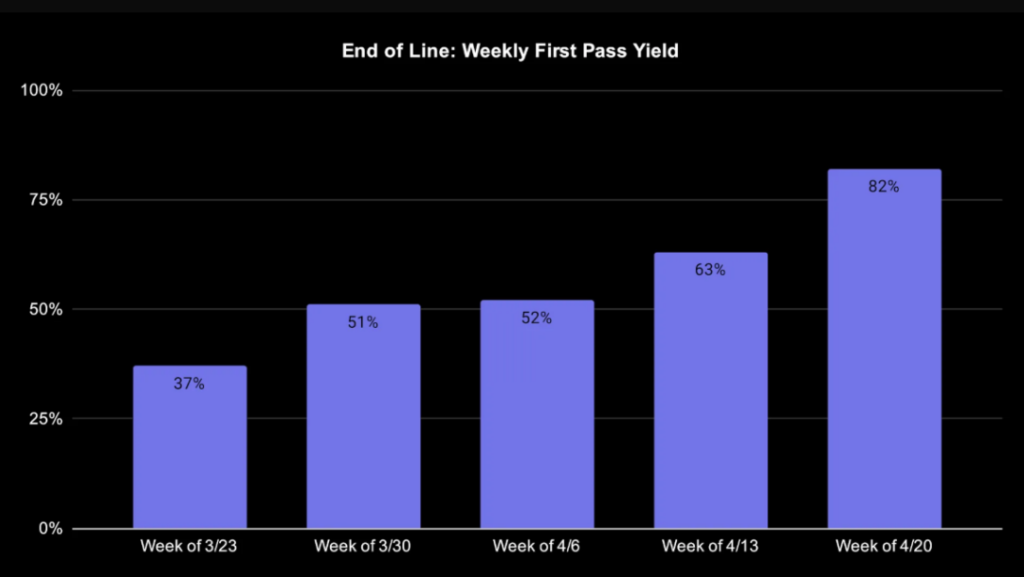
A detail in Figure's report is worth noting: to address such issues, the company conducted rigorous incoming material inspection qualification reviews for hundreds of suppliers and established 50 multiple work-in-process (WIP) inspection nodes on the production line. This ultimately raised the final-line first pass yield (FPY) of the complete units to above 80%, while the battery pack yield reached 99.3%. To date, more than 500 battery packs have been shipped.
Additionally, Figure has produced more than 9,000 actuators, covering over 10 different model SKUs.
Precise end-of-line (EOL) and process testing are also deployed. Before leaving the factory, each robot must complete verification of more than 80 functions, simulating real-world usage conditions to eliminate early failure risks.
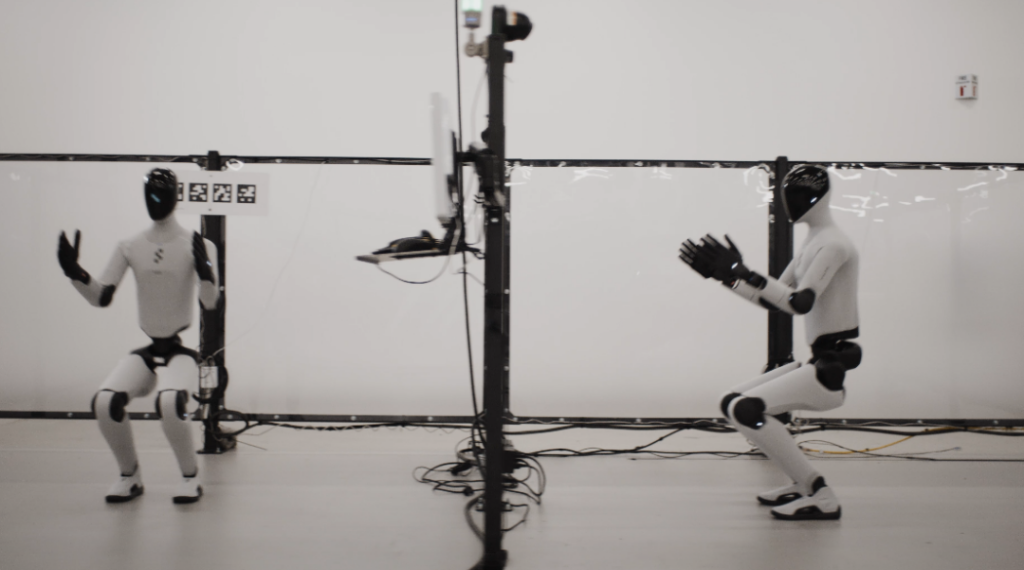
On the basis of ensuring overall unit yield, scaling up robots becomes practically meaningful. This scale, in fact, serves as a necessary process for Figure to further enhance its model capabilities.

Scale is Integral to Model Capability
In the robotics sector, the significance of ramping up production extends far beyond improving factory efficiency; more importantly, it is about building a flywheel that continuously enhances robot capabilities.
Figure explicitly stated that robots coming off the BotQ production line will be allocated to its internal R&D team, data collection projects, and testing for end-to-end household tasks and commercial scenario development.
As scale expands, it directly fuels Figure's model, Helix 02. The more robots deployed, the more real-world data is generated; this data strengthens the model's capabilities, thereby increasing the value of hardware deployment. Once this flywheel starts spinning, it becomes difficult for latecomers to catch up.
During this process, Figure specifically highlighted key technologies within Helix 02, namely System 0 (S0).
The addition of System 0 represents a significant leap in leg control and mobile manipulation capabilities compared to the initial Helix model.
Previously, robots had no issues walking on flat surfaces but required pre-set mode-switching commands when encountering stairs, slopes, or uneven ground.
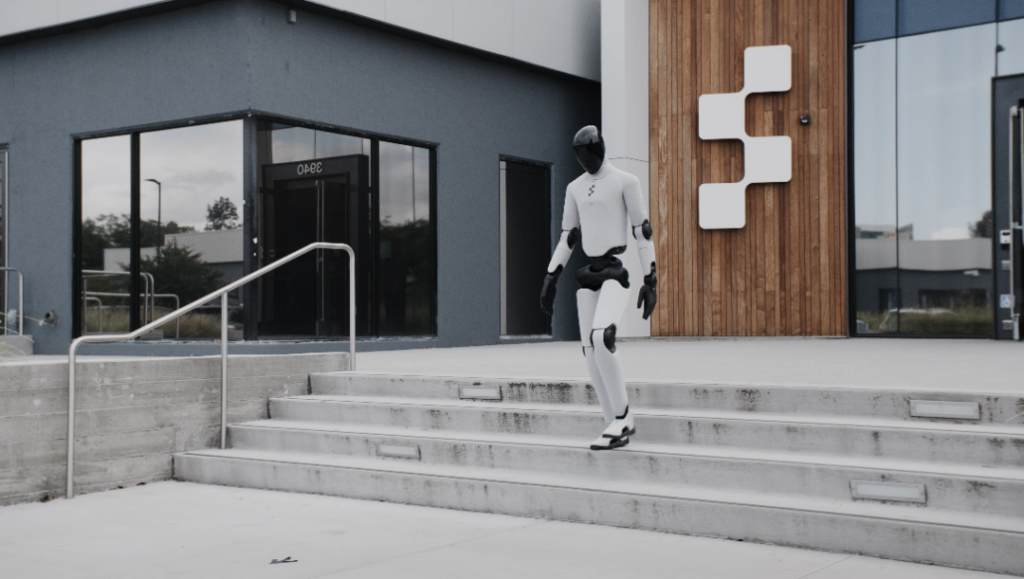
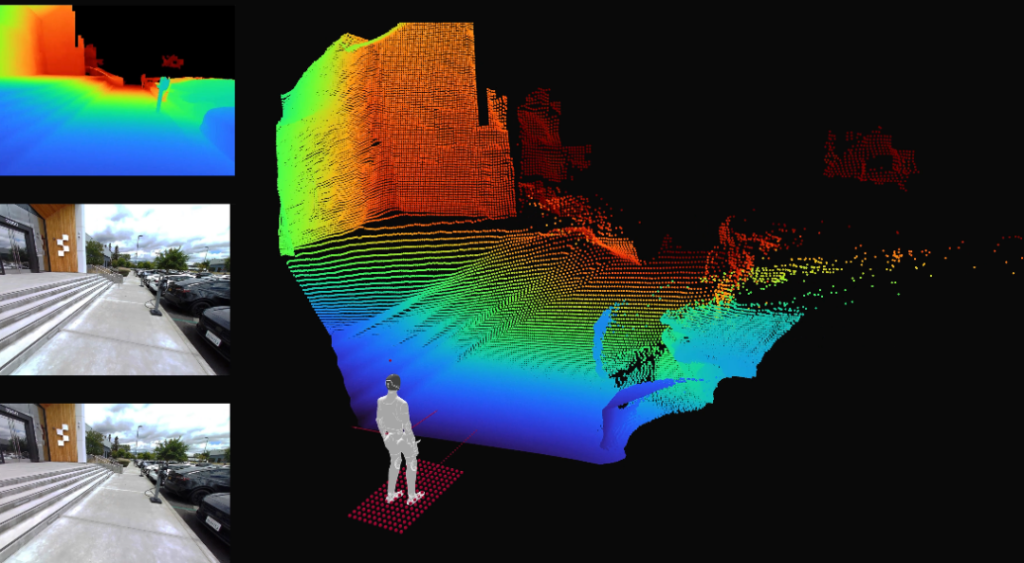
Now, the robot's head RGB camera images are being elevated in real-time to a three-dimensional spatial representation. S0, when making motion decisions, simultaneously possesses a spatial understanding of the environment. In Figure's words, S0 is no longer just "feeling" the ground; it has begun to "see" the ground.
The key lies in the fact that this capability is trained entirely through reinforcement learning in simulation environments, enabling zero-shot transfer to real-world robots without requiring fine-tuning on real data, specific calibration, or human intervention. It also operates stably under varying lighting conditions. For this type of motion control task, simulation can effectively bridge the gap to reality.
What sustains this flywheel's continuous rotation is not merely the accumulation of data volume, but an operational infrastructure that scales alongside it.
Figure noted that after deploying robots at scale, they began encountering failures that were completely hidden during small-scale phases. These "long-tail issues" only surface once the robots have operated for a sufficient duration.
To address this, they established a diagnostic and alert system capable of locating fault root causes within minutes. They also designed a "degradation ladder" mechanism at the software level, allowing robots to gracefully degrade operations rather than abruptly halting tasks when encountering non-fatal faults.
Meanwhile, Figure built its own fleet management system (FMS), which tracks each robot's health status, location, and operational condition in real time. This works in tandem with over-the-air (OTA) updates to synchronize new features across the entire team.
This system ensures that once robots enter mass production, they become the starting point for data collection and capability iteration.

How many peers have produced?
Currently, Figure has delivered only 350 units of the Figure 03 robot. This number is not particularly large within the global industry. When adding the second-generation and initial humanoid robots that saw little to no mass production, the total remains relatively low.
It is worth mentioning that Unitree Robotics announced some specific data earlier this year. In 2025, its pure humanoid robot mass production delivery exceeded 6,500 units, and the actual quantity sold and shipped to end customers exceeded 5,500 units.
Zhiiyuan Robot also announced at the end of 3 that its cumulative output of general-purpose embodied AI robots reached 10,000 units. In 12 last year, this figure was 5,000 units, and in 1 last year it was 1,000 units.
From these figures, we can see that Zhiiyuan went from 5000 to 10000 units in just over 3 months, while the period from 1000 to 5000 units took approximately 11 months.
This reflects the issue of production ramp-up. From the first unit rolling off the line to achieving stable production lines, controllable yield rates, and predictable cycle times, every step poses a comprehensive test of supply chain capabilities, manufacturing processes, and organizational strength.
This easily brings to mind Tesla’s Model 3 production ramp-up, where Elon Musk slept in the factory for months to personally oversee operations, ultimately managing to艰难ly (difficultly) pull up production capacity.
In fact, not long before this, Tesla also disclosed some relevant information regarding the mass production of robots. Musk predicted that the Optimus would officially start mass production from the end of 7 month to 8 month, with the Fremont factory starting mass production preparations in the second half of this year, and a designed annual production capacity of 1000000 units.
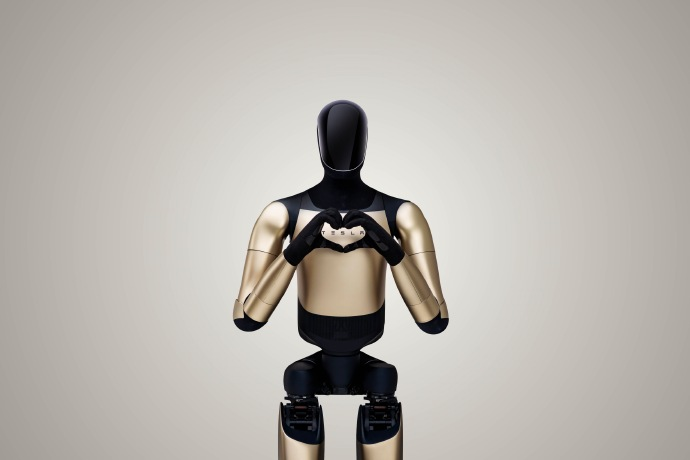
To make way for robot mass production, Tesla previously announced the conversion of the Model S/X production line at its California Fremont factory into an Optimus production line, while the Model S and Model X will be fully discontinued by 5 month.
The Fremont factory has a designed annual production capacity of 1000000 units. Although this number is a long-term goal, the factory transformation itself indicates that infrastructure is already aligning in this direction.
Compared with Figure's current production rate of 1 units per hour and 55 units per week, as well as Zhiyuan's cumulative output breaking ten thousand units, the period from the second half of 2026 to 2027 will be the time window when mass production competition in the entire industry truly enters a frenzied stage.

In Conclusion
Returning to Figure itself, a starting point of 350 units and a 24-fold increase in production capacity represent a significant step from 'able to build' to 'knows how to build'.
But this distance is still quite far from large-scale manufacturing. BotQ has not yet achieved 24 hours of uninterrupted production, and the potential of the production line has not been fully unleashed.
At a rate of 1 units per hour, this means that theoretically, single-shift capacity is close to 8 units. If three shifts operate fully around the clock, the daily production cap is around 20 units, and the weekly production ceiling is approximately 140 units. The figure announced by Brett Adcock is 55 units, which means there is still considerable room for improvement in production line utilization.
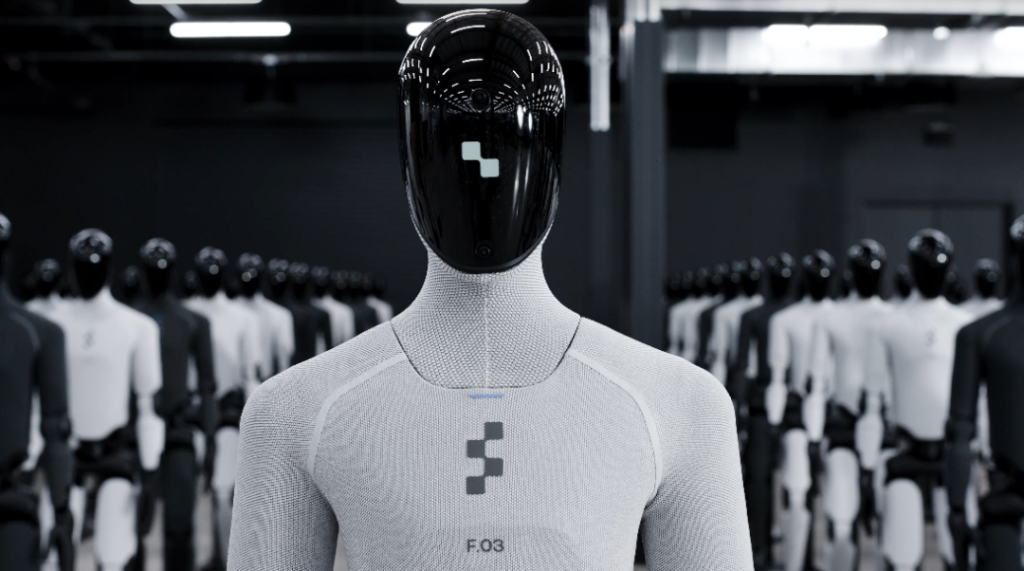
What Figure truly needs to prove is not just the ability to speed up the cycle time, but the ability to synchronize the flywheel of scale and capability. More robots bring more data, more data makes the Helix 02 model stronger, thereby increasing the commercial value of each robot, which in turn feeds back into next-generation hardware and production lines.
Figure has already clearly articulated this logical chain. What is now needed is to deliver on it with subsequent mass production data and model iterations.
The company that率先 (takes the lead) in getting the flywheel truly spinning through mass deployment, data, and models will build a dual barrier of data and deployment, making it increasingly difficult for latecomers to catch up. And this year marks the starting point where this barrier begins to gradually take shape.