
2025: The Year Robots Were Tired to Death
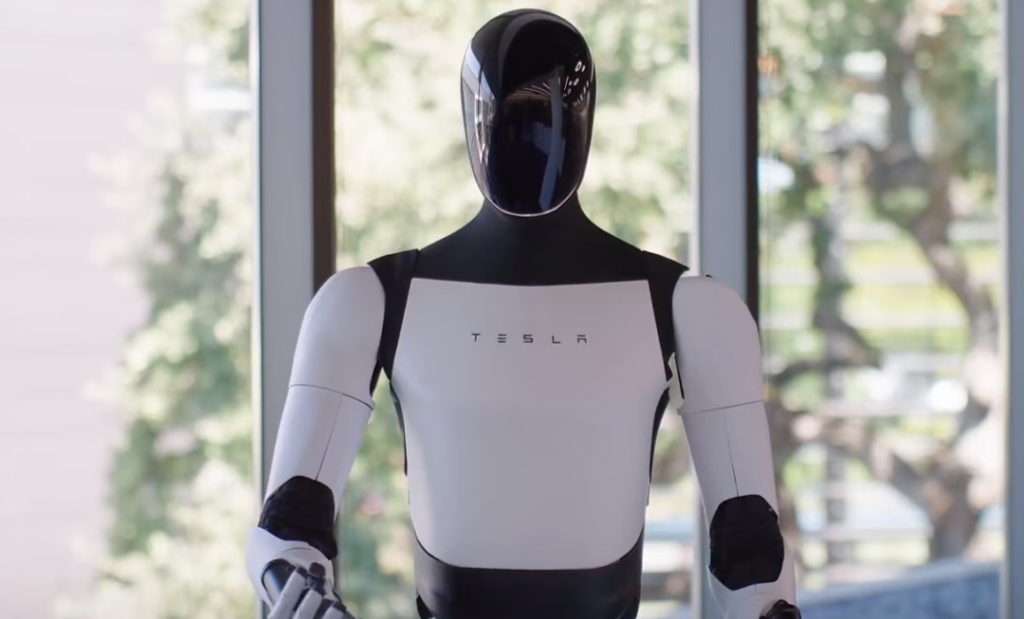
Since their inception, robots have never been as busy as they were in 2025; they resemble a group of children "forced to grow up."
This year, they were thrust onto the Spring Festival Gala stage, breaking out into the mainstream by performing traditional Yangge dances before a national audience, competed alongside 500 other robots at sports events, and were also deployed into factory assembly lines and home environments to begin performing actual tasks.
No longer confined to demonstrating futuristic capabilities in laboratories, robots are now continuously pressured to answer practical questions: Can they run steadily? Stand for long periods? And get work done?
Under such pressure, robots spent nearly an entire year completing an intensive verification of their capabilities.
Whether it was maintaining motion control balance on stage or deploying applications in real-world scenarios, robots in 2025 proved through various means that they are transitioning from "looking impressive" to "beginning to be useful."
This is precisely why 2025 will go down as the most exhausting year for robots.

Robots Have Become the Center of Attention
Before this year, many people still viewed robots as clunky, slow-moving 'lumps of iron.' But after a year of intense exposure, robots have become widely known for their qualitative leap in capabilities. They can now dance, perform boxing routines, and provide emotional value through interaction.
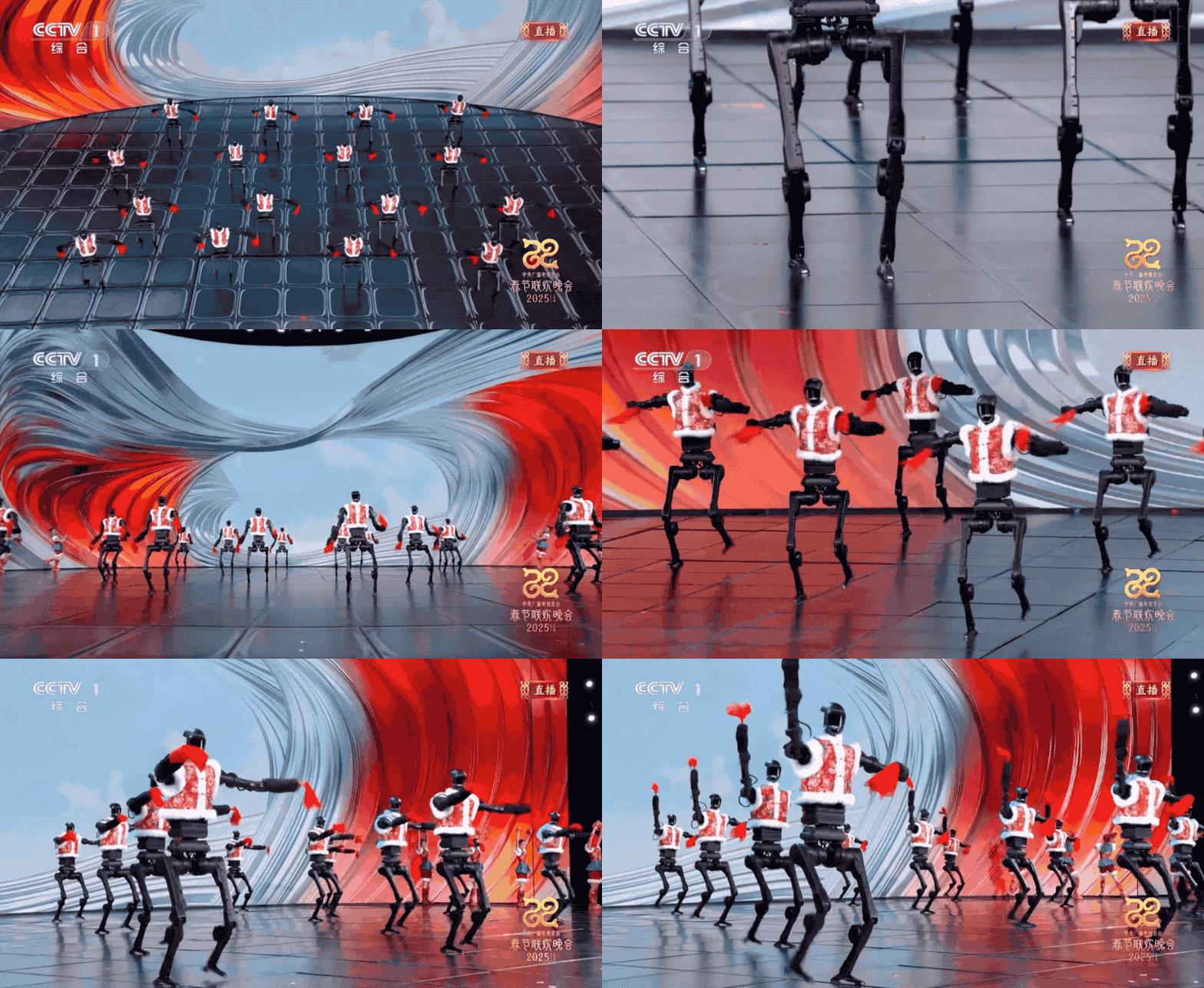
In fact, many people first realized how rapidly the robotics industry is developing during this year's Spring Festival Gala. As audiences watched the gala on TV, rows of Unitree H1 robots took the stage to perform traditional yangko dances. For many viewers, the experience was both thrilling and surreal—robots that once existed only in science fiction were now standing right before them.
From that moment on, public perception of the boundaries of robotic capabilities began to rise rapidly. After breaking out of the mainstream following their Spring Festival Gala appearance, robots continued to gain popularity, becoming standout attractions at various events.
For example, at Wang Leehom’s concert in Chengdu last December, robots became a major highlight. Six Unitree G1 robots, dressed in stylish outfits, appeared on stage as backup dancers, performing alongside Wang Leehom to the song 'Full Firepower.' Compared to their yangko performance on the Spring Festival Gala stage, these robots’ dancing had become remarkably fluid, with all complex moves smoothly executed.

At the end of the performance, all six G1 robots collectively performed backflips, igniting the crowd’s excitement. People began to marvel at how the robots’ dance moves surpassed those of humans. The video even went viral internationally, prompting Elon Musk to comment: 'Impressive.'
Meanwhile, the fervor surrounding the application of robots in cultural and entertainment performances has also spawned another track: robot leasing. Roughly a month after the Spring Festival Gala, it was also the period when renting robots was at its most expensive. In February, the rental price for Unitree's G1 robot reached as high as 15,000 yuan per day.
During that time, robots might have been the busiest and most expensive 'extra' actors across the industry, gaining the ability to support themselves through 'appearance fees' for the first time.

For event organizers, renting a batch of robots for performance is often more attractive than inviting human performers. Robots can exert a 'hard control' effect during events; their performances, which come with inherent topics and viral attributes, can captivate audiences and make them stop and watch.
For robot manufacturers and channel partners, the leasing model provides a faster path to recoup costs and makes high-threshold, low-frequency-use equipment more easily accepted by the market.
Thus, within a very short time, robots began appearing frequently on commercial performance stages, almost becoming regular guests at many events, leaving a substantial mark on their busy 2025. This also proved that robots are not useless ornaments but important carriers capable of being applied in the cultural and entertainment sector to create emotional value.
Of course, cultural and entertainment performances are not the only way for robots to showcase their capabilities. They have also stepped onto more challenging stages: the Beijing Yizhuang Humanoid Robot Half Marathon, the World Humanoid Robot Games, and others. On these tracks that lean towards 'capability limit testing,' robots continue to prove how far they can go in another way.

For the half-marathon track, which heavily tests stability, robots responded to external doubts about their "only capable of short-term showmanship" by running continuously without interruption. Every gait adjustment during long-distance running is a genuine test of the robot's overall engineering capabilities.
In the games competition, 500 robots competed on the same stage, ranging from sprinting, fighting, and soccer to complex movement demonstrations. Products with different technical routes were brought together for comparison under the same standards. Robots also validated the overall maturity of their perception, control, decision-making, and execution in various competition events.

Start Exploring More Usage Scenarios
Throughout this year, robots have become conspicuous figures in various public places, but this halo is not easy; it means they cannot afford to falter for even a moment.
Besides showcasing their athletic abilities on these stages and tracks, robots are being pushed into more complex and realistic application environments to actively answer an unavoidable question: if they leave the spotlight, what else can they actually do?
This reflects the industry's conscious effort to shake off the label of "large toys." After leaving the stage, robots must face longer, more mundane workdays.
So at this time, robots begin to "grow up" and gradually become reliable.
In scenic areas, exhibitions, and public service spaces, robots are beginning to take on roles as guides and commentators. They do not require complex creativity; simply stably performing tasks such as giving directions and answering questions is enough to alleviate some of the human workload in high-traffic environments.

For example, the AGIBOT Expedition A2, in guided tour scenarios, can proactively greet visitors, distribute drinking water, and then lead tourists along the route with interactive commentary until they reach their destination.
In certain shopping malls and brand stores, robots are integrated into the customer service chain for greeting and shopping assistance. When customers approach, they interact with them, recommend products, and answer related inquiries.
For users, interacting with robots offers a sense of novelty, while for operators, robots serve as "traffic entry points" that can remain online for extended periods without fatigue.
Simultaneously, in retail consumption scenarios, robots are being genuinely utilized as "store clerks."

Wheeled humanoid robots equipped by Galaxy Robotics with a retail VLA model can act as store clerks; after customers select items on a tablet, the robot retrieves the corresponding products from shelves and places them on a table.
In these scenarios, robots acting as convenience store "operators" can maintain stable operations within the store. For business owners, robots are not intended to completely replace human labor; instead, they take on roles such as shop monitoring and backup support. During nighttime hours, periods of staff shortages, or low-frequency consumption scenarios, robots ensure continuous store operation, reducing labor costs while avoiding operational disruptions caused by unmanned shifts.
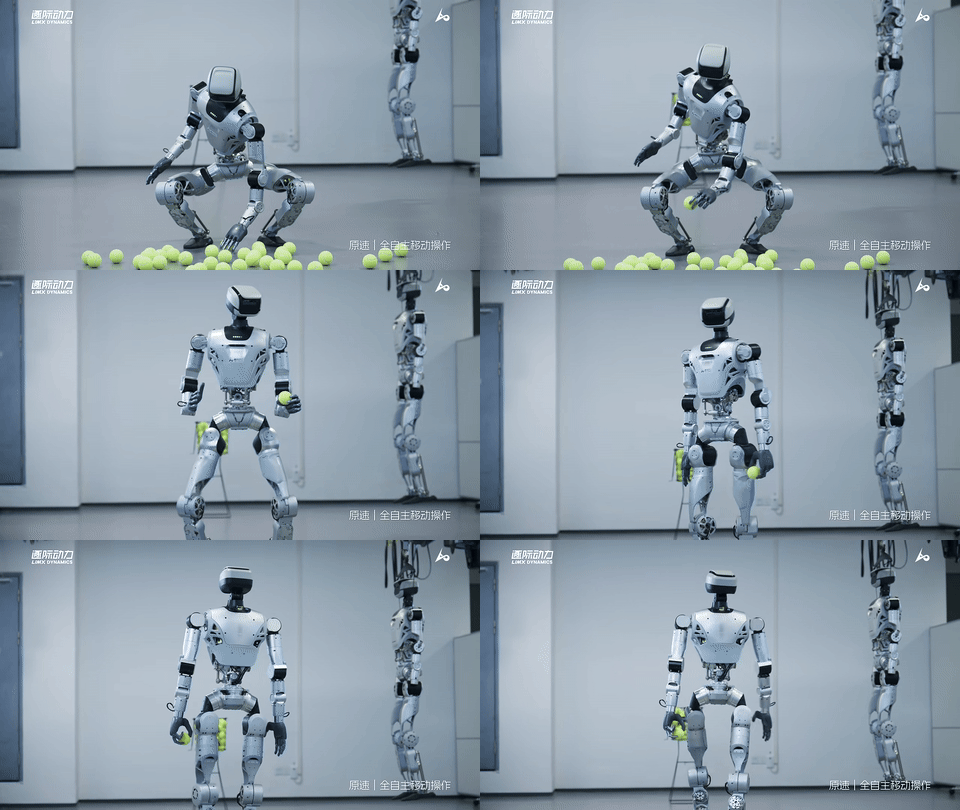
Moreover, in entertainment contexts, robots can handle tasks that humans are reluctant to perform. For instance, in tennis matches, Oli, a robot from Limitless Dynamics, can serve as a ball boy, collecting scattered tennis balls and storing them away, allowing people to focus more energy on competitive play and recreation.
Additionally, in long-thread tasks such as brewing coffee, robots can demonstrate other values that serve humanity.
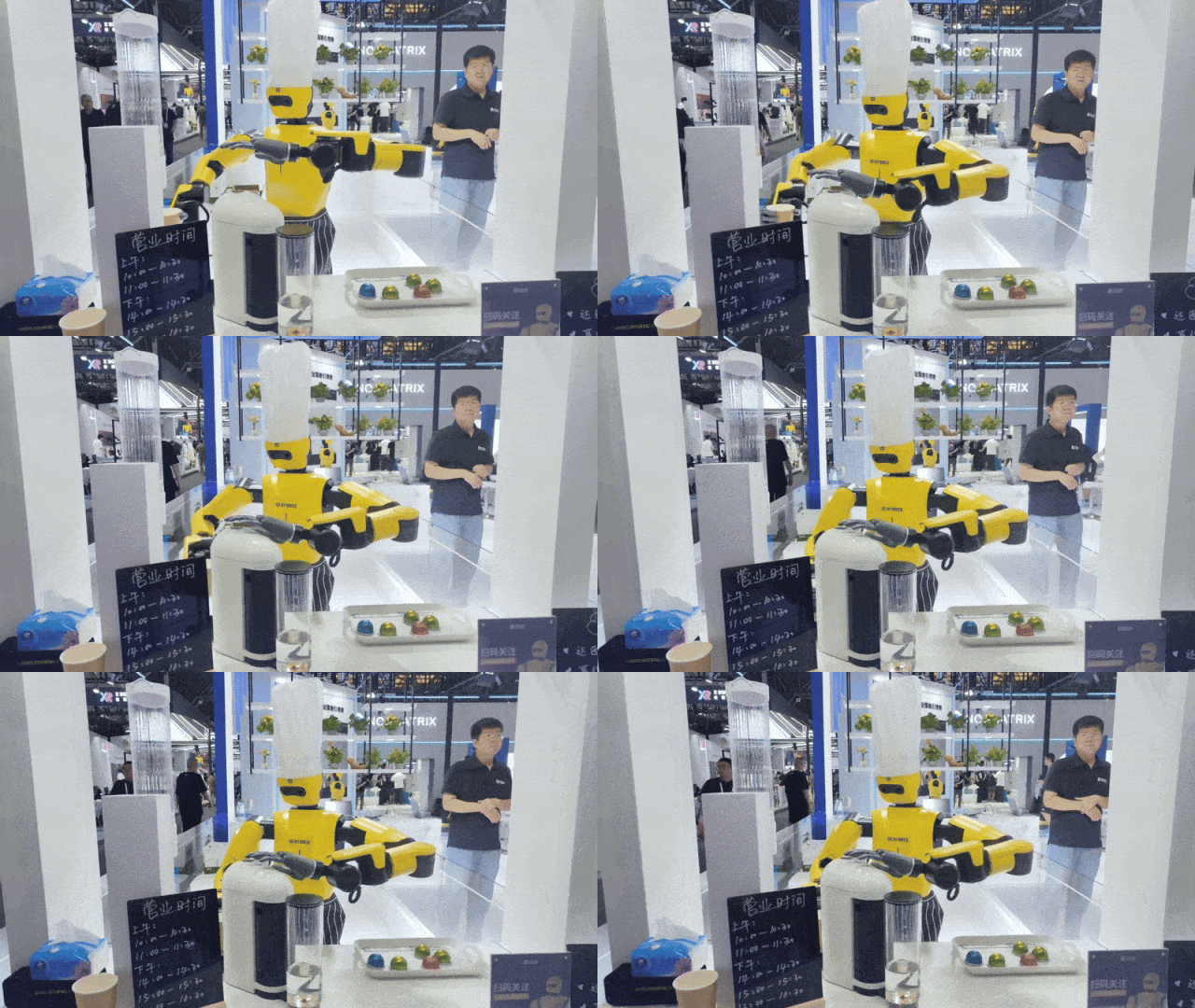
For example, DexForce W1 Pro, a humanoid robot from Cross-Dimensional Intelligence, exhibits stable performance in long-thread tasks like brewing coffee, demonstrating that robots are already capable of providing convenience in daily life.
Of course, these gradually explored scenarios do not indicate that the industry is mature. However, at least one thing has changed: robots are no longer busy proving how "cool" they are; instead, reality is now asking them: "So, what exactly can you help me with?"

Creating Economic Value is the Ultimate Goal
In the past year, the value of robots that was most immediately perceived was emotional: they were fun, eye-catching, and capable of generating buzz.
However, emotional value can only solve the problem of "being remembered"; it cannot support a long-term, sustainable industry. For robots to truly establish themselves, they must ultimately answer a more pragmatic question: Can they create economic value? Whether by entering factories to help companies reduce costs or by entering homes to alleviate people's daily burdens.
Among these, labor-intensive scenarios such as factories represent the best stage for the large-scale application and implementation of robots. They can undertake repetitive tasks like material handling, sorting, and inspection, and also add value in precision processes that rely heavily on human labor.
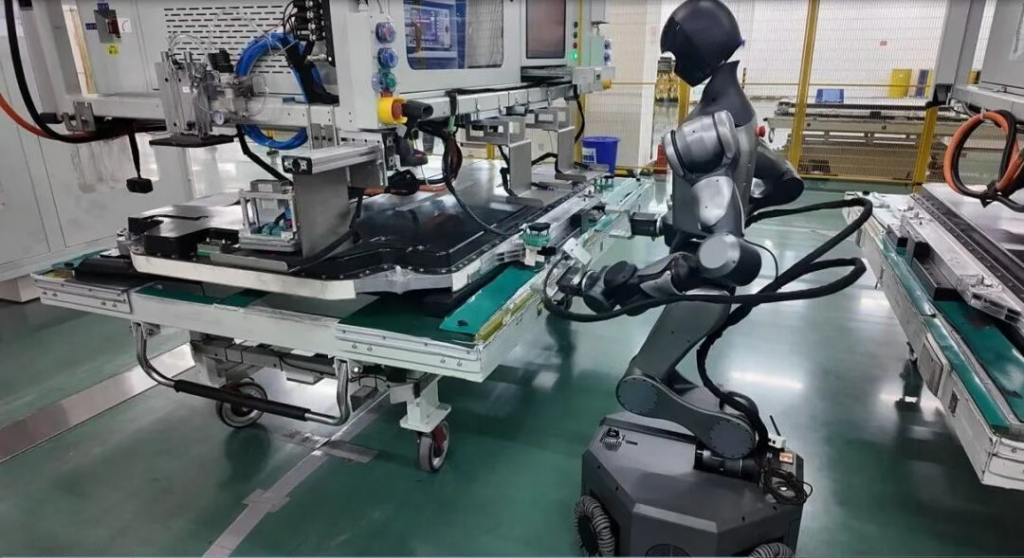
For example, on CATL’s (Contemporary Amperex Technology Co. Limited) new energy power battery PACK production line, Qianxun Intelligence’s humanoid robot "Xiao Mo" has officially begun work. It can precisely complete complex operations such as plugging in battery connectors. It can also autonomously detect the status of harness connections, report abnormalities immediately, and proactively switch to inspection mode during breaks in operation.
Among overseas manufacturers, Tesla continues to make strides in applying its Optimus robot in factories. Currently, it is iterating on the robot’s version, with Optimus V3 expected to be launched in the first quarter of next year. According to Elon Musk, the scaling of Optimus represents "infinite possibilities for wealth creation," because robots can work 24 hours a day without stopping, bringing substantial returns to Tesla.
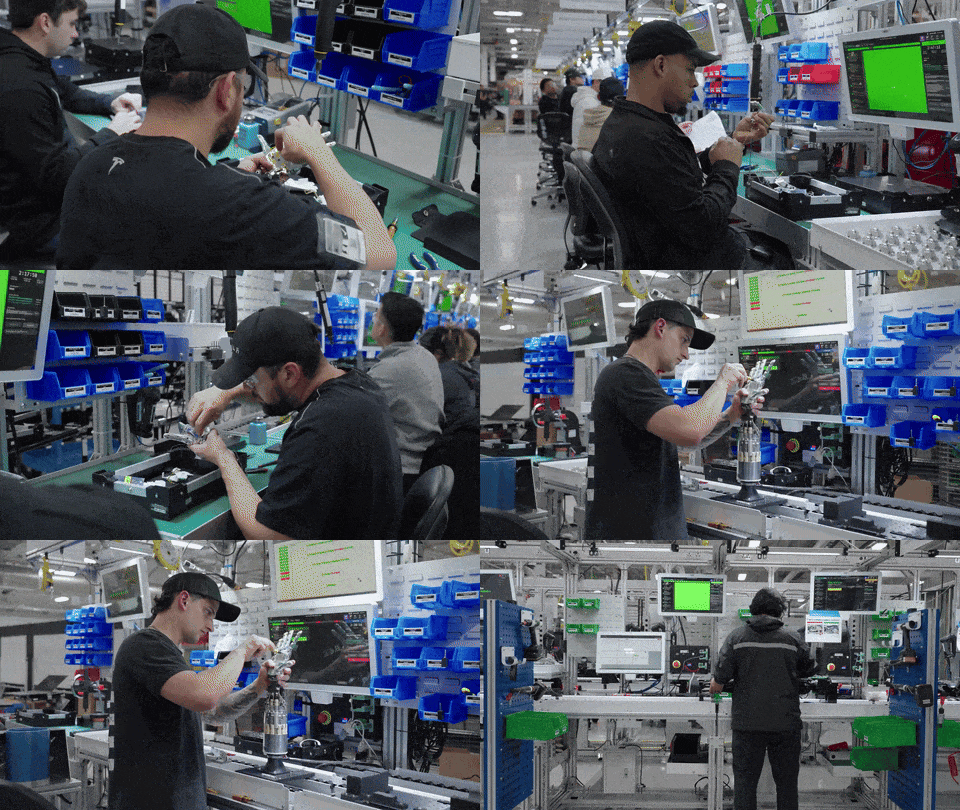
In terms of mass production, Tesla plans to first build an annual production capacity of 1 million units in Fremont by 2026, and its pilot production line has already begun operating at the Fremont factory.
Meanwhile, Figure's third-generation robot, Figure 03, has made progress in areas such as factories and homes. In addition to sorting items in factories, Figure 03 can perform various tasks in home settings, including watering plants, delivering meals, washing dishes, and doing laundry. Relying on its BotQ manufacturing plant, Figure plans for a total robot production capacity of 100,000 units over the next four years.
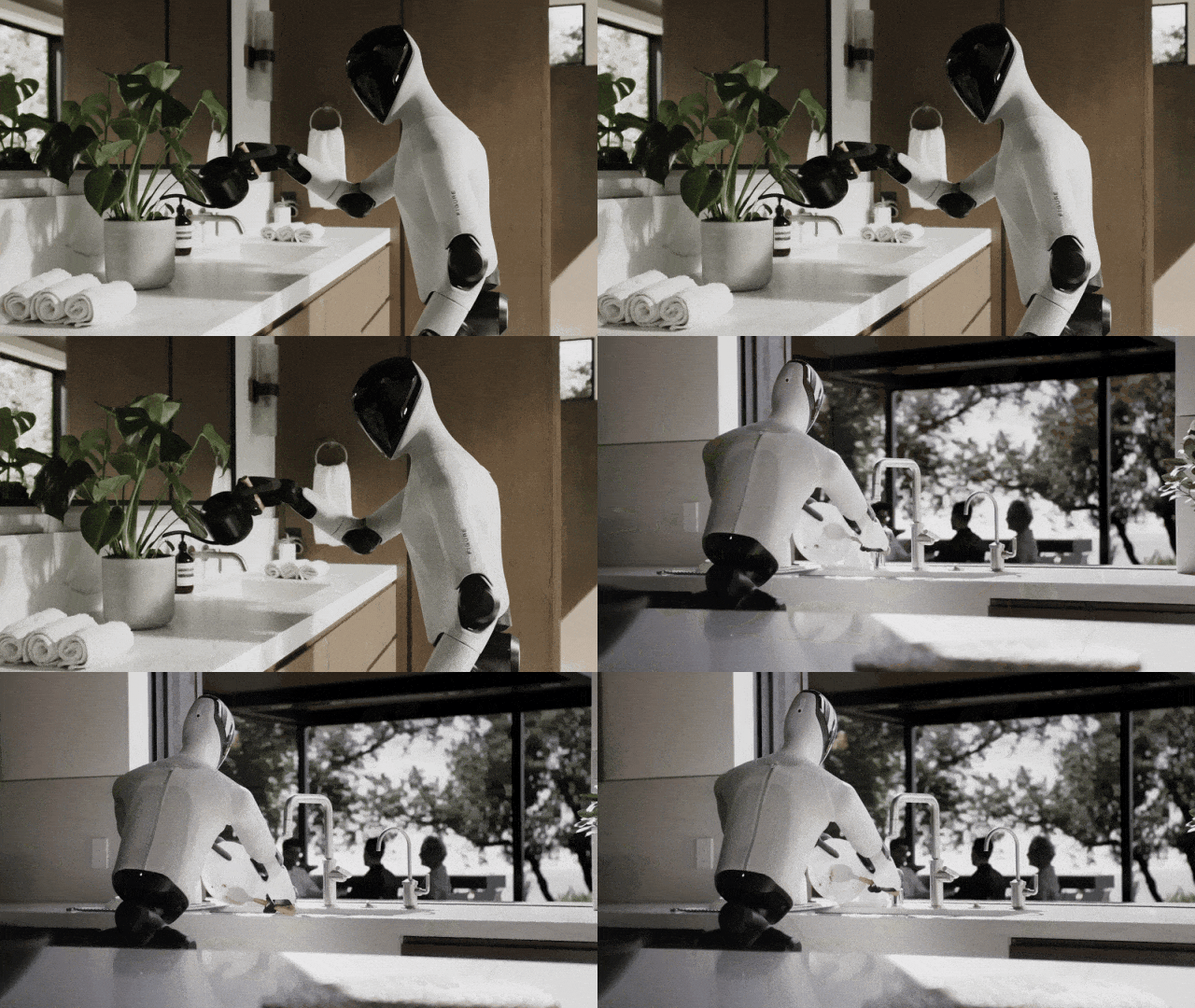
For robots, implementation in factories leans toward repetitive and standardized processes, primarily testing the reliability of the robots. Implementation in home settings, however, tests the robot's ability to handle complex environments more heavily; the overall decision-making and execution processes are more complex, but this track also lacks no explorers.
Among them, Embodied AI company 1X has contributed a different understanding to the industry. Its newly launched robot NEO is specifically designed for home scenarios. When family members are out, they can give household chore instructions to NEO via their mobile phones and schedule a start time; NEO will then handle household chores according to the plan.
Specifically, NEO can wash clothes, sweep floors, carry heavy objects, and interact with users to answer questions at home.
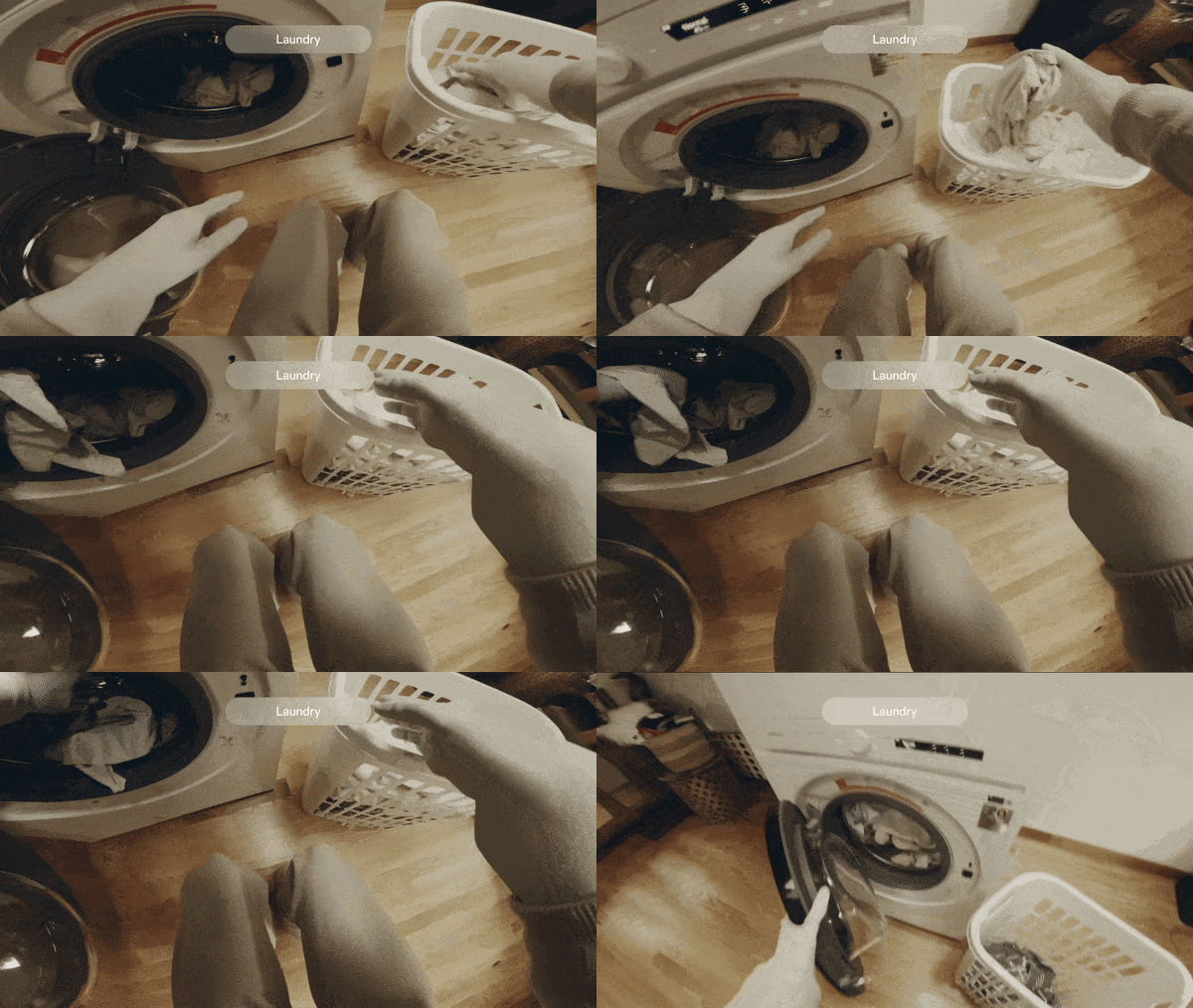
However, the biggest difference between the NEO robot and other manufacturers' products is that 1X experts can remotely guide it to work. This means NEO does not work entirely autonomously inside the home; instead, when encountering tasks it cannot execute, it solves problems through remote control operations by the manufacturer, while simultaneously collecting real-world data of robots performing chores in home scenarios.
In the current state where embodied models cannot adequately support the deployment of robots in home environments, approaches like 1X's provide some inspiration for the industry regarding the batch deployment of home robots.
In short, whether entering factories or homes, what robots are actually doing is the same thing: exchanging continuous, reusable labor for tangible returns. It is this economic value that marks the true starting point for the robotics industry to achieve scale and long-term viability.

Final Thoughts
Looking back at 2025, robots were indeed very busy.
This year, they frequently appeared on stages, in competitions, and other public venues, gradually entering factories and homes, shedding their past awkward role as mere decorative items. Whether providing emotional value through performance and interaction or undertaking specific tasks in real-world scenarios, robots are increasingly being regarded by more people as a "present" presence.
However, it is important to recognize clearly that the overall capabilities of current robots still fall far short of humans. Their performance in understanding complex environments and executing autonomous decisions remains in its early stages. To truly approach human-like general capabilities, further accumulation of time is still required.
It is precisely for this reason that robots are destined not to stop. If 2025 was a year for concentrated validation of robots, then in 2026, they will likely be pushed into more real-world scenarios to begin long-term operational roles.
Perhaps, robots' 2026 will only be busier. But this time, it will be much harder for them to grow with the gentle "tolerance" of everyone as they did this year.