

Former Xiaomi Executive Pivots to AI Sleep Data as Smart Ring Hardware Margins Shrink
By Huang Si Zhe
At his first launch event since leaving Xiaomi on the evening of October 29 in Beijing, Wang Teng introduced two sleep products from his startup Jinri Yixiu: the ISHO Ring smart ring and the iFlow smart temperature-control system. The launch signals a business model shift toward AI data services as hardware margins for smart rings shrink to mere cents per unit in local supply chains.
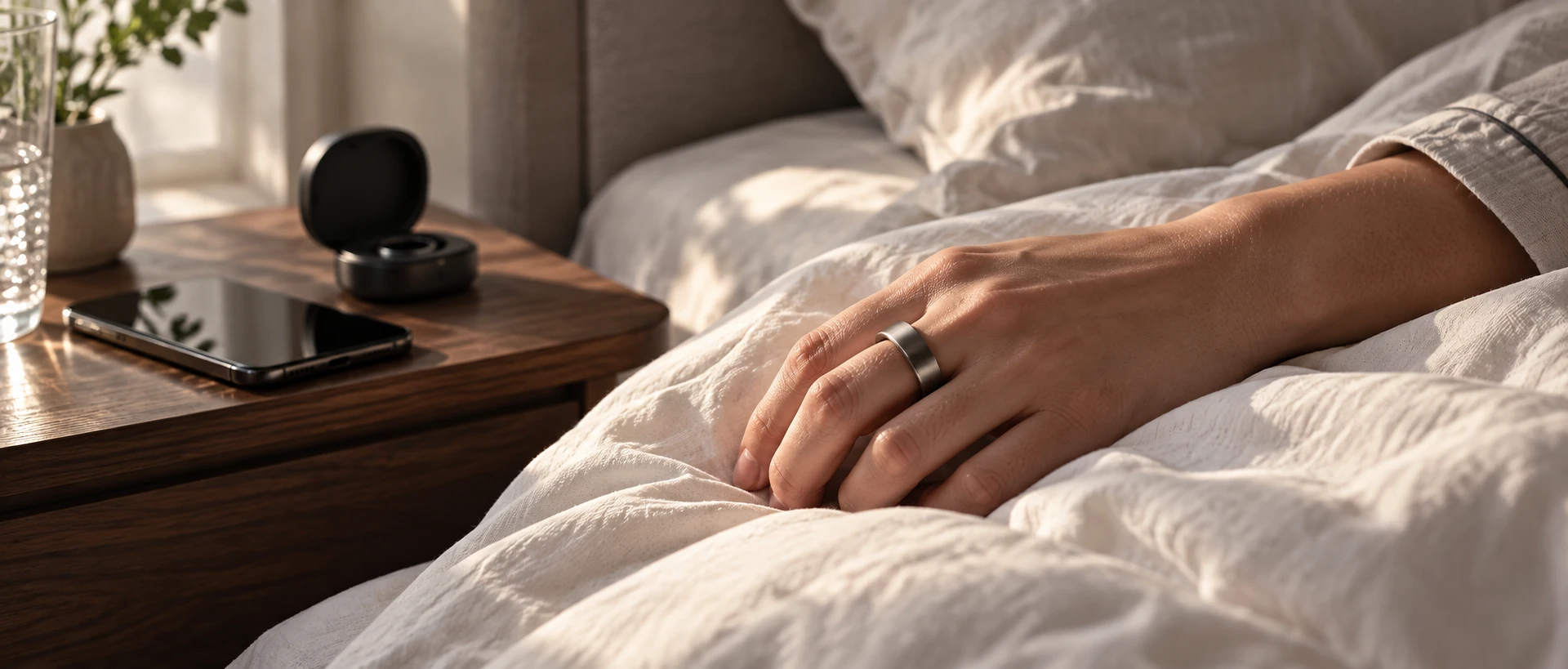
On the evening of October 29, Wang Teng held his first launch event in Beijing since leaving Xiaomi. During the event, Jinri Yixiu, the company he founded, unveiled two sleep products: the ISHO Ring smart ring and the iFlow smart temperature control system.
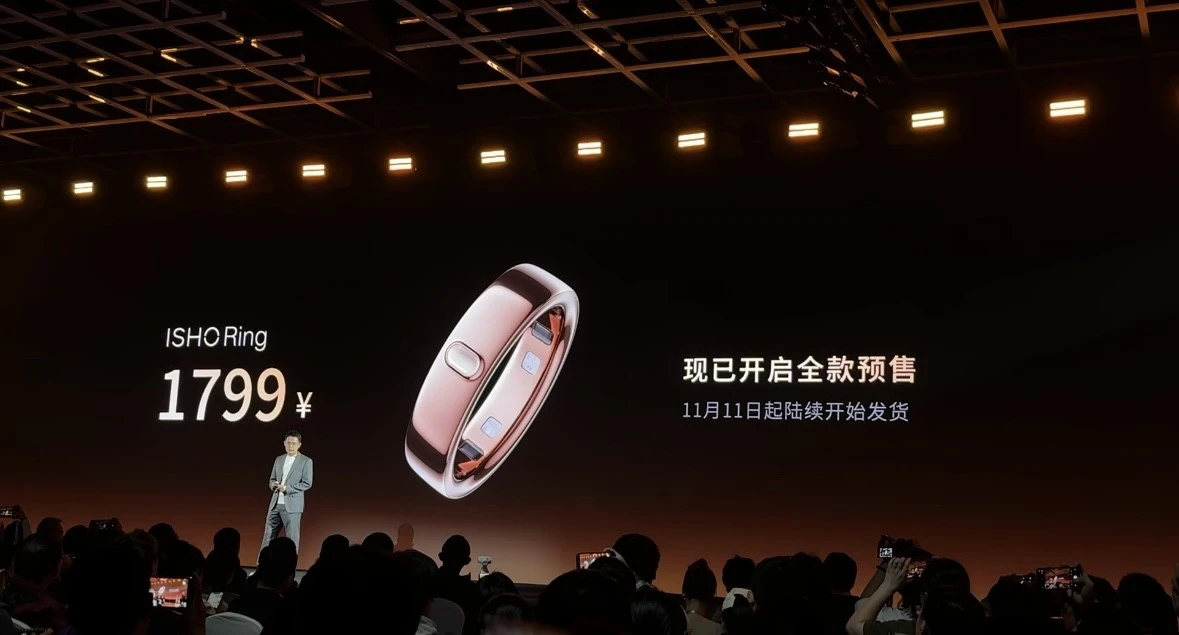
In a post-event interview, he shared his experience navigating the supply chain: at contract manufacturers in Shenzhen, the cost of a single smart ring can be driven down to around RMB 100, leaving the factory with a profit of just a few cents. He ultimately decided against white-labeling, instead assembling a team to build R&D from the ground up and setting the price at RMB 1,799.
Yet, leading up to this launch, the smart ring sector had seen plenty of bad news. On September 29, Oura, the world's largest smart ring company, abruptly postponed its IPO just hours before pricing. During this year's WAIC, more than three investors publicly stated they were no longer looking at smart ring projects. Meanwhile, more than 200 new brands have flooded the domestic market this year, and contract manufacturers in Shenzhen and Dongguan are already fighting for orders with processing fees of just a few cents. It is precisely at this juncture that Wang Teng has entered the market with his new company, while ZEALER founder Wang Ziru has also been repeatedly teasing his own ring project over the past few months.
As seasoned veterans in the tech industry, they clearly understand these signals. Entering the market now, they are obviously not after the slim margins of hardware sales. Breaking down the economics they are calculating also perfectly explains another phenomenon: why are nearly all domestic smart rings competing fiercely on health features?
Selling rings alone doesn't make much money, even for Oura
In February this year, a factory manager at a contract manufacturer in Dongguan said in an interview that in 2022, the ex-factory price of a smart ring could still be maintained at RMB 180 to 190, but now processing profits are often just RMB 0.5 to 1. "Making five yuan is considered a massive profit," he noted. Some white-label rings have production costs of around RMB 50 to 60 and are sold on cross-border e-commerce platforms overseas for USD 7 to 8. In Shenzhen, a ring capable of measuring heart rate and blood oxygen can be delivered within 20 days of ordering.
While the supply chain has lowered the barriers to entry, the overall market is actually much smaller than the public assumes. IDC projects that global smart ring shipments will reach 4.9 million units in 2026, compared to approximately 160 million smartwatch units during the same period. Within this market of a few million units, third-party agency Smart Analytics Global reports that Oura alone captured approximately 79% of global shipment share in the first quarter of this year, leaving all other manufacturers with less than 20% of the market.
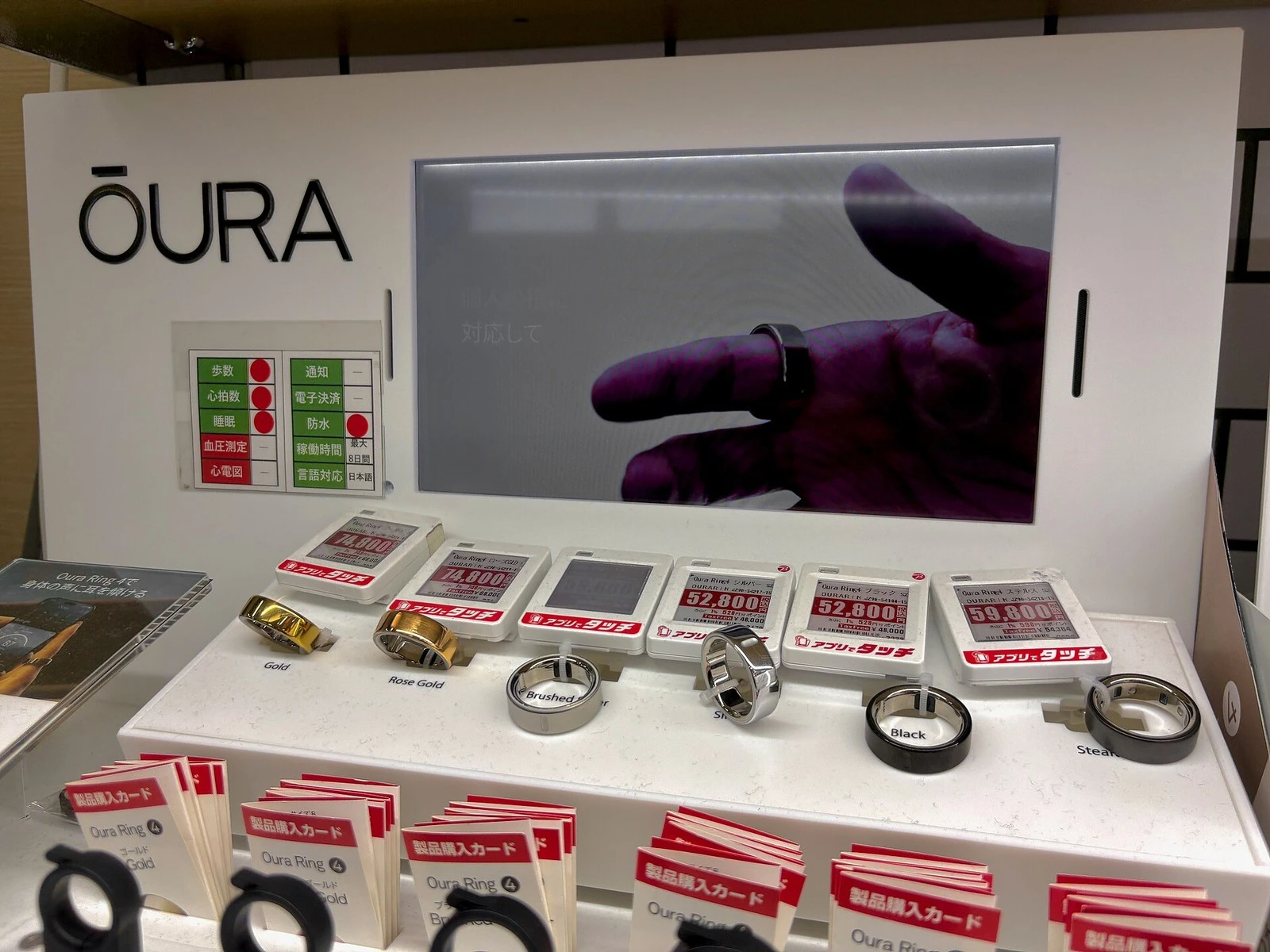
Even with this level of market dominance, Oura does not make much money from hardware sales alone. Its prospectus shows that over the 12 months ending June 2026, Oura sold 3.6 million rings, with a hardware gross margin of only 24%. For a consumer electronics company, this margin is quite tight. What truly supports its USD 10 billion valuation is its membership subscription service, which boasts a gross margin of up to 89%. Oura has 5 million paying members, with a 12-month retention rate of approximately 85%.
If Chinese brands want to bypass the cutthroat domestic price war and capture this revenue in European and U.S. markets, they will also hit the patent wall erected by Oura. In August 2025, the U.S. International Trade Commission (ITC) ruled that Chinese brand RingConn and Indian brand Ultrahuman infringed on Oura's patents, issuing an outright import ban. RingConn ultimately had to sign a patent licensing agreement with Oura, paying ongoing royalties to re-enter the U.S. market. Furthermore, Oura subsequently filed complaints against major players like Samsung and Huami at the ITC.
Therefore, if the goal is merely to sell a smart ring, this business is highly unforgiving to new entrants: hardware features are homogenizing, the market is small, and patent fees must be paid for overseas sales. It is hardly a good business.
The Ring Is Just a Data Collector
In an exclusive interview with Jiemian News, Wang Teng discussed the three questions he considered when selecting a sector: the size of market demand; the value this industry can unlock in the AI era; and how a startup could withstand the competition if Xiaomi and Huawei were to enter the space.
His screening process itself is quite revealing. The largest sector in the consumer market is real estate, but "we can't do that." Next is automobiles, where "Lei Jun and Yu Chengdong are already at it." Below that are smartphones and large home appliances, both requiring investments in the tens of billions. He also considered robots and smart glasses, but by the time he decided to start a company, "there were already two or three hundred robot companies in the industry," making it too fiercely competitive. As for health, both Xiaomi and Huawei are active in the space, but his assessment is that their focus is "mainly on smartwatches," and AI-upgrading the bedroom would not be their primary business.
The ultimate answer was sleep, with the ring serving as the first piece of hardware to enter the bedroom. The ISHO Ring is positioned as a "24/7 probe." To encourage continuous 24-hour wear, it omits a screen and offers a battery life of 6 to 10 days on a single charge, with built-in 32MB storage sufficient to log 7 days of data offline. In addition to using OSRAM and ADI sensors to measure heart rate, blood oxygen, and body temperature, the ring incorporates an ambient light sensor—a rarity in smart rings—to track how much sunlight the user gets during the day and how dark the bedroom is at night. For an additional RMB 400, the Pro version includes a charging case that can also measure the bedroom's temperature, humidity, carbon dioxide levels, and noise at night. All this physiological and environmental data is ultimately fed into a personal agent in the app, which translates it into an "energy index" to advise when to work during the day and when to go to bed at night.
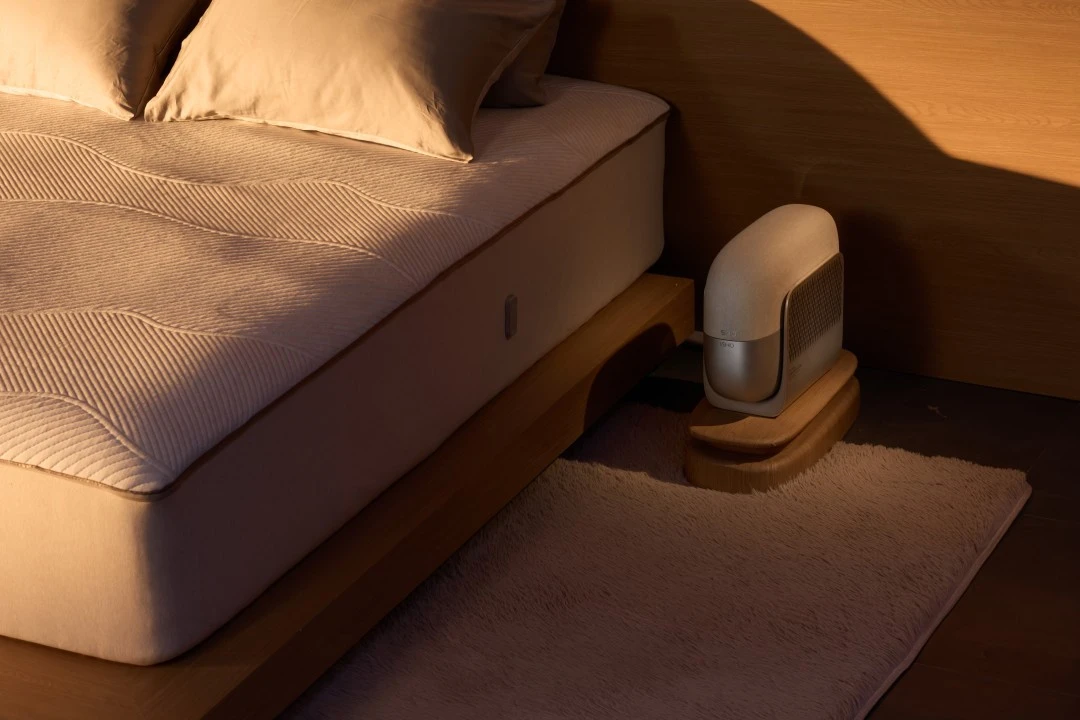
But simply knowing you slept poorly is not enough. Another piece of hardware launched at the same event, the iFlow smart temperature control system, handles "nighttime intervention." Priced starting at RMB 9,999, this device targets the popular U.S. sleep hardware brand Eight Sleep. It features water circulation tubes embedded in the mattress and uses a ballistocardiography (BCG) sensor strip to capture heart rate, respiration, and body movements throughout the night, actively adjusting the water temperature based on sleep stages. Wang Teng noted that similar overseas products sell for RMB 20,000, and he priced the iFlow at 60% to 70% of that level, adding, "Frankly, I am under quite a bit of pressure with this pricing."
Wang Teng envisions a system where "at least one product understands you 24 hours a day," paired with bedroom devices capable of executing actions, forming a closed loop from perception and analysis to decision-making and action. The shareholder list reflects this vision. The seed round for Jinri Yixiu was led by Hillhouse Ventures, with follow-on investors including AgiBot, Sleemon, and Ennead Capital. Sleemon is a mattress manufacturer. The fact that a mattress company invested in a smart ring company underscores that both parties view the ring as the first step into the bedroom ecosystem.
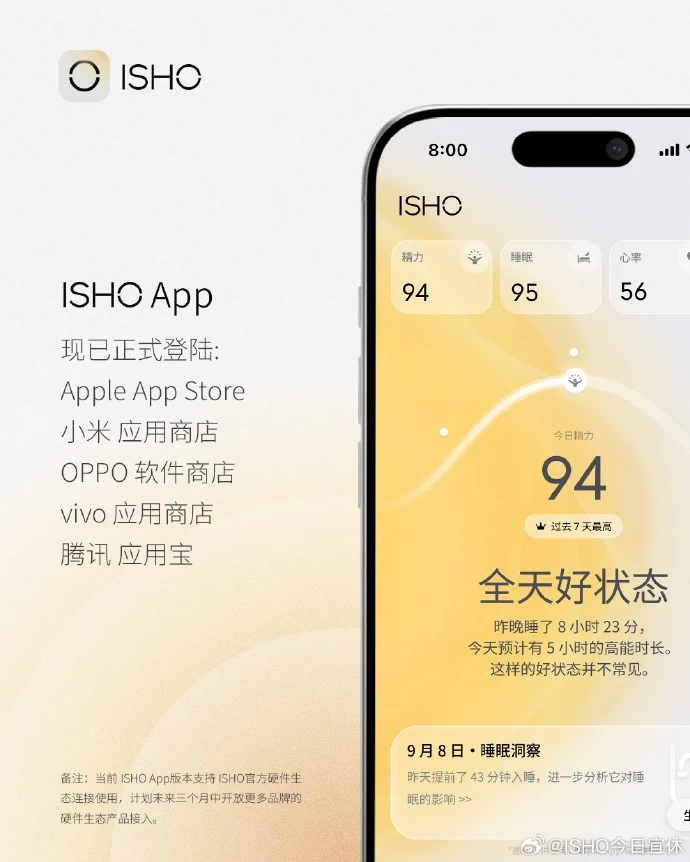
Regarding long-term monetization, Wang Teng broke it down into two layers in a post-event interview: the first layer relies on hardware to maintain a healthy gross margin to sustain the team; the second layer relies on data. The more devices sold, the more physiological data collected, and feeding this into large models for analysis consumes computing power. His exact words were: "We will become an AI health data service company. A token that costs one cent; after we process it, users might be willing to pay three cents or ten cents." In the early stages, these AI features will be offered for free. Once the knowledge base and accuracy are established, they will charge for in-depth analysis. This essentially replaces Oura's monthly subscription with a "pay-per-token" model that is easier to understand in the era of large models.
Wang Ziru's vision overlaps significantly. In late August this year, he explained in a 25-minute video why he is determined to make a health ring: only by getting into the hardware business himself, building a unified data platform, and integrating and accumulating health data can health AI deliver long-term value. In a leaked fundraising video from May, he was even more direct with investors: "There is a Number One globally, but there will inevitably be a Chinese version for China."
Both founders treat the ring as a starting point for collecting data and building user relationships. But here is the question: given that it is the same type of ring, why can a Shenzhen factory only sell it for 100 RMB, while they dare to price it at 1,800 or even 4,000 RMB?
The biggest hurdle between product and brand is actually public skepticism over whether smart rings are just an "IQ tax." On August 21 this year, industry pioneer Oura faced a consumer class-action lawsuit in San Francisco, with plaintiffs accusing it of false advertising regarding the accuracy of its sleep tracking. The medical community's gold standard for sleep staging is polysomnography (PSG), which requires attaching electrodes to the scalp, around the eyes, and on the chin to directly measure brainwaves, eye movements, and muscle tension. A ring worn on a finger cannot detect brain electrical signals at all; it can only rely on peripheral signals like heart rate, body temperature, and body movement, leaving the algorithm to "guess." The lawsuit cited data from a study of 45 subjects over 45 nights, pointing out that Oura's accuracy in distinguishing the four stages of wake, light sleep, deep sleep, and rapid eye movement (REM) was only 53.18%.
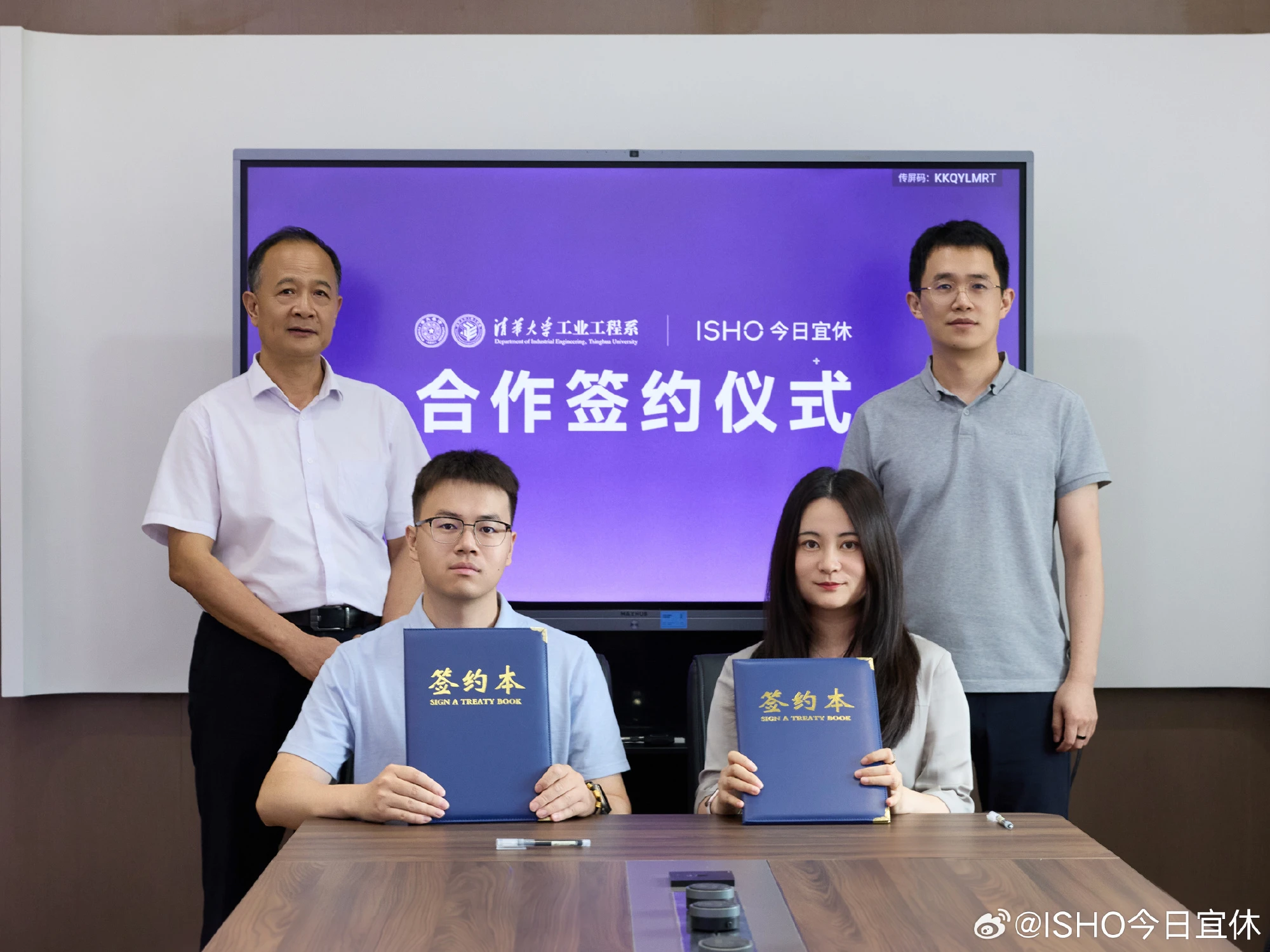
Even Oura, valued at tens of billions of dollars, has been taken to court for "inaccurate measurements." Domestic consumers spending over a thousand RMB on a domestic ring are naturally even more afraid of paying an "IQ tax." At the launch event, Wang Teng made a specific statement: "We are absolutely determined not to make an 'IQ tax' product." To make this more than just a slogan on stage, they first need to spend real money to make up for clinical calibration. Jinri Yixiu plans to collect more than 1,000 clinical PSG cases within a year, bringing in teams from Tsinghua University, the Chinese Academy of Sciences, and top-tier hospitals to collaborate, using data from hospital sleep centers to feed back into and calibrate the ring's estimation models. This is an R&D cost that white-label manufacturers would absolutely never pay.
Ultimately, whether it is doing PSG calibration or collaborating with hospitals, ordinary consumers cannot perceive this before placing an order. After all, there is no sleep lab at home, making it impossible for them to verify the ring's accuracy themselves. In a category where users cannot verify the results on their own and even the industry leader is being sued, to sell 100 RMB hardware at a premium of several thousand RMB, what ultimately guarantees the product is actually the founders' own names.
A star executive from a major smartphone company brings inherent public attention and endorsement from top-tier funds, effectively using his professional reputation as collateral. This perfectly bridges the gap between white-label factories and consumer brands. Wang Ziru holds the same cards: he plans to take a branding route in the domestic market, leveraging his years of accumulation in content and e-commerce channels to "aim high and strike hard." In the ring category, the hardware barrier is very low, but the barrier to building a brand remains high.
What does the real consumer market look like?
Since everyone wants to build the "Chinese Oura," just how big is the domestic market right now?
According to AVC, in August 2026, online retail sales of smart rings in China reached RMB 26.496 million, with retail volume hitting 17,000 units. This figure already includes the boost from Qixi Festival gifting, 88 Member Day, and national digital subsidies. By retail revenue, RingConn captured 59.3%, Oura took 11.5%, and Dreame held 7.5%. Even if untracked offline channels are included, the scale remains clear: the total number of smart rings sold online in China in a single month is what Oura sells globally in just two days.
The domestic market is therefore still in a very early stage, and manufacturers must first give consumers a reason to ask, "Why should I wear a smart ring?" At this stage, health is almost the only proven reason that can convince domestic consumers to open their wallets.
Dreame's pivot in the ring market is a prime example. In October 2025, Dreame launched its first smart ring, the Dreame Ring, with haptic feedback from a built-in motor as its main selling point. Its second ring, the Glow, dropped the vibration motor and shifted its core focus to AI-powered fingertip ECG monitoring. Zhidong Pan, President of Dreame's Global AI Hardware Business Group, explained in an interview that health is the "backdrop and foundation" of a smart ring, while features like audio recording and meeting minutes are things to tackle in the "future." After testing the waters, a major company with both supply chain and distribution channels chose to retreat to pure health monitoring.
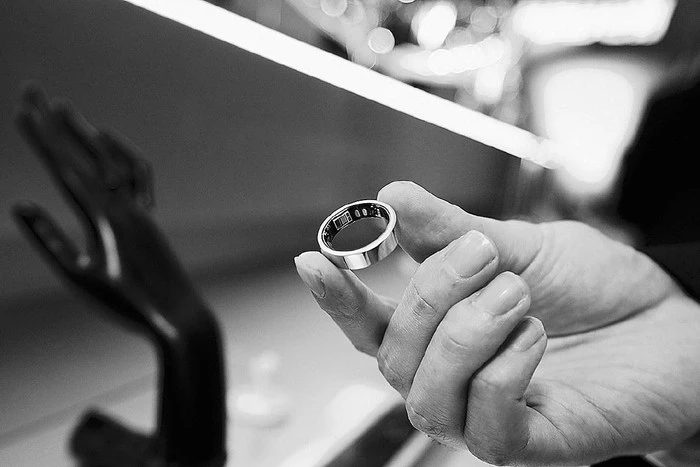
Consequently, the domestic competitive landscape is characterized by high homogeneity and an intense race to differentiate in niche areas: Dreame is competing on ECG, RingConn on blood pressure trend insights and sleep apnea monitoring, traditional medical device giant Yuwell is pushing its R3 for chronic disease screening and medical endorsement, and female menstrual cycle monitoring has become a standard feature across all leading brands. Meanwhile, when analyzing why RingConn captured nearly 60% of the market share, AVC specifically highlighted one factor: its "subscription-free model" constitutes its core differentiation. In China, even the simple fact of "no monthly fee" is a major selling point.
Overseas, the situation is entirely different. The health ring sector has been completely blocked by Oura, which controls market share, user mindshare, the subscription ecosystem, and even patents. If new startups entering the market still focus on health monitoring, they must either pay patent fees and fight a prolonged war like RingConn, or completely change direction. Over the past year, new rings emerging overseas have almost unanimously ditched health sensors, pivoting entirely to voice interaction.
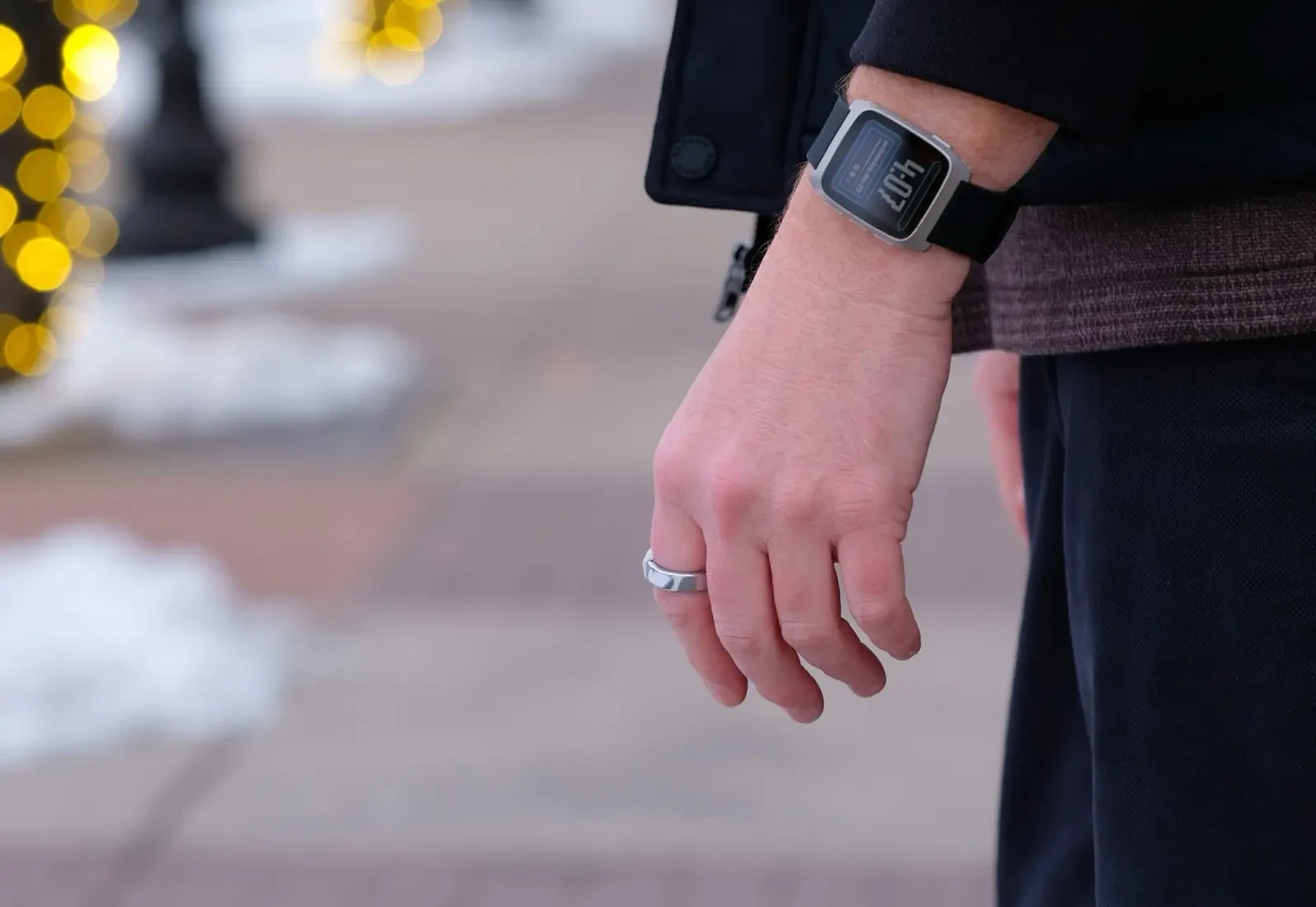
Index 01, launched by Pebble founder Eric Migicovsky, features only a physical button, a microphone, and a non-rechargeable battery that lasts for two years in its body; it does not measure heart rate or track sleep. Users raise their hand, press the button, and whisper; the audio is transmitted to a phone, converted to text by a locally running open-source model, and automatically categorized into memos, reminders, or timers. It is priced at USD 75 with no subscription fee. Sandbar, founded in New York by former Meta employees, released the Stream Ring, which similarly requires users to press the ring's touchpad and whisper to capture fleeting thoughts or converse with an AI assistant at any time. It is priced at USD 249, with unlimited interactions requiring a USD 10 monthly subscription.
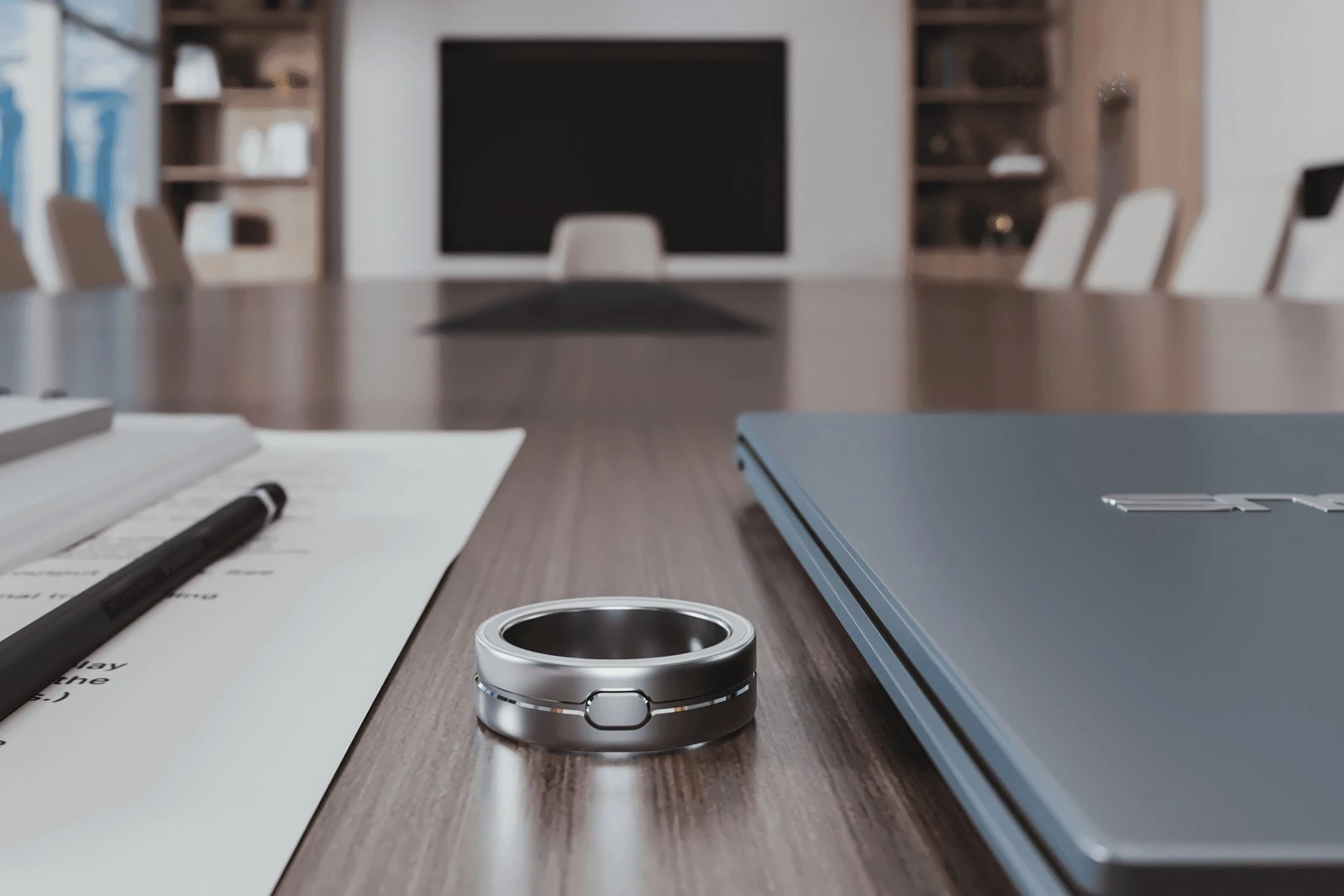
Interestingly, among the players making these pure-interaction rings, there are actually quite a few Chinese teams. At CES earlier this year, Gyges Labs showcased the Vocci Ring, an AI note-taking ring. Co-founder Xudong Deng's idea was straightforward: "If smart glasses can take meeting minutes, why can't a ring just record audio directly?" However, there are currently no plans to promote this ring in China. Deng flies between Shenzhen and the US year-round, with his focus entirely on the overseas market. Another startup, Nuoyi Innovation, launched the Spark Ring, which features double-tap recording and voiceprint recognition. Its founder, Tang Chang, was born after 1995 and left ByteDance's large model team to start the company. He priced the product below USD 200 and plans to launch a Kickstarter crowdfunding campaign directly in the third quarter of this year, targeting the US market. The rationale is that US users have a high willingness to pay for productivity tools and a high acceptance of innovative hardware.
These Chinese teams target domestic users with health features and U.S. users with voice interaction. The U.S. market has been shaped by Oura for over a decade, meaning the health monitoring space is fully captured and new players must find alternative paths. In China, however, the initial habit of wearing smart rings hasn't even taken off yet, so companies must leverage easily understood health necessities like sleep, heart rate, and ECG to unlock the market.
Wang Teng and Wang Ziru have taken opposite sides of this dividing line. Wang Teng sticks strictly to pure health monitoring, omitting any buttons or microphones on the ring and instead expanding into bedroom hardware to deepen his health focus. Wang Ziru attempts to combine both approaches at once: his ring automatically records sleep and heart rate while featuring a physical button for voice commands, which also functions as a voice input method when connected to a PC. According to a plan Wang Ziru revealed in May, he intends to pursue a premium brand strategy domestically, while using a "better features, lower price" trade logic to push volume overseas.
The Inescapable Former Employer
Wang Teng’s launch event strategy relied on the classic Redmi playbook: before announcing the price, he brought out major overseas brands for a spec comparison, then told the audience that if Xiaomi made the ring, the price would be half as much. Supply chain control, spec sheet comparisons, and aggressive price positioning are the very skills he honed during his years at Xiaomi.
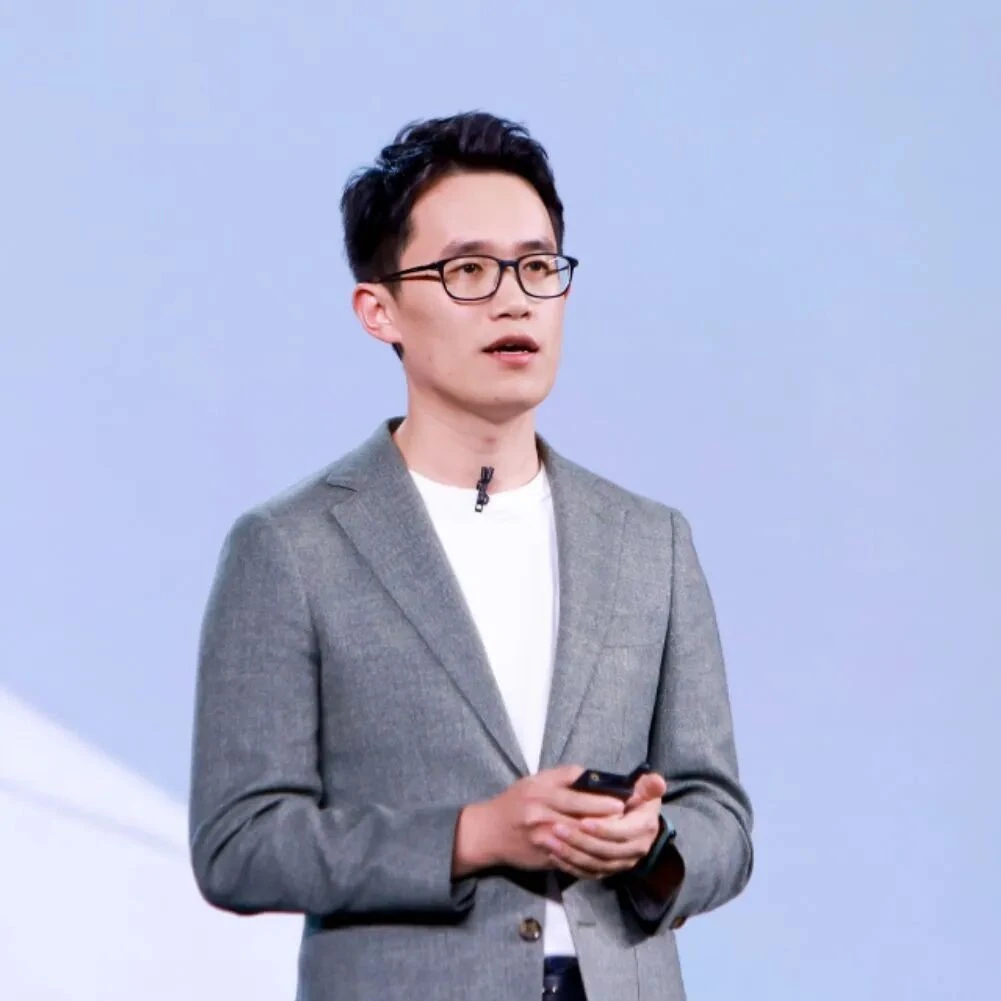
This strategy works flawlessly for smartphones because once the user pays and pockets the device, the transaction is essentially over. Wang Teng, however, is now playing a different game: the hardware merely amortizes R&D and operational costs, while the real profit must come from users paying long-term for AI analysis. Oura has successfully paved this path, but collecting software revenue requires that users haven't uninstalled the health app after three months and actually find the daily morning sleep advice valuable. Marketing and the founder's personal halo can help ISHO sell its first batch of rings, but they cannot solve the three-month retention problem.
Furthermore, monetizing data services requires a massive volume of data for analysis. At the launch event, Wang Teng announced that the ISHO app would open to third-party hardware over the next two to three months, aiming to build a platform that aggregates wearable data from various sources and feeds it to large models for analysis. However, this position in China is already occupied. Huawei Health and Xiaomi Health boast over 100 million users, connecting to smartwatches, bands, and body fat scales. Not to mention, Xiaomi also wields Mijia, its killer smart home ecosystem.
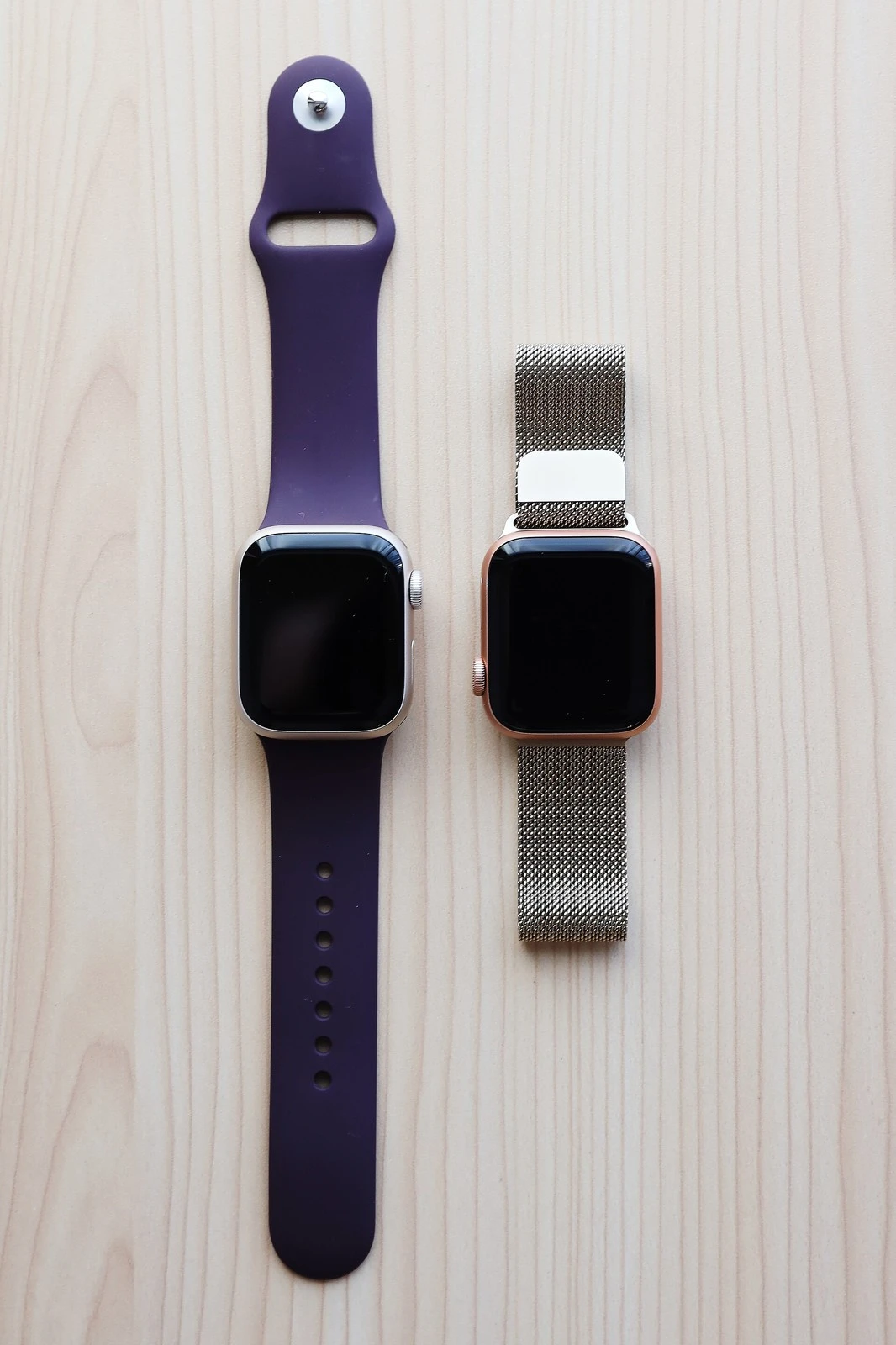
Independent wearable companies being flanked by smartphone giants is a scenario that played out a decade ago. Fitbit was once the world's largest wearable brand, but in Q1 2017, its shipments were simultaneously overtaken by Apple and Xiaomi: the Apple Watch, deeply integrated with the iPhone, on one side, and the value-driven Xiaomi Mi Band on the other. Having lost its standalone ecosystem, Fitbit was ultimately sold to Google in 2021 for USD 2.1 billion.
If ISHO truly connects biometric data with bedroom hardware and proves that users are willing to pay for sleep services, it will become a market worthy of direct intervention by the tech giants. At the launch event, Wang Teng joked, "I hope Boss Lei leaves us a fighting chance," but the time window for startups to build data moats will not stay open forever.