
Becoming a Top-Three National Player in Months, Lingxi Zhiyong Brings ROSS Harness to the Industrial Arena
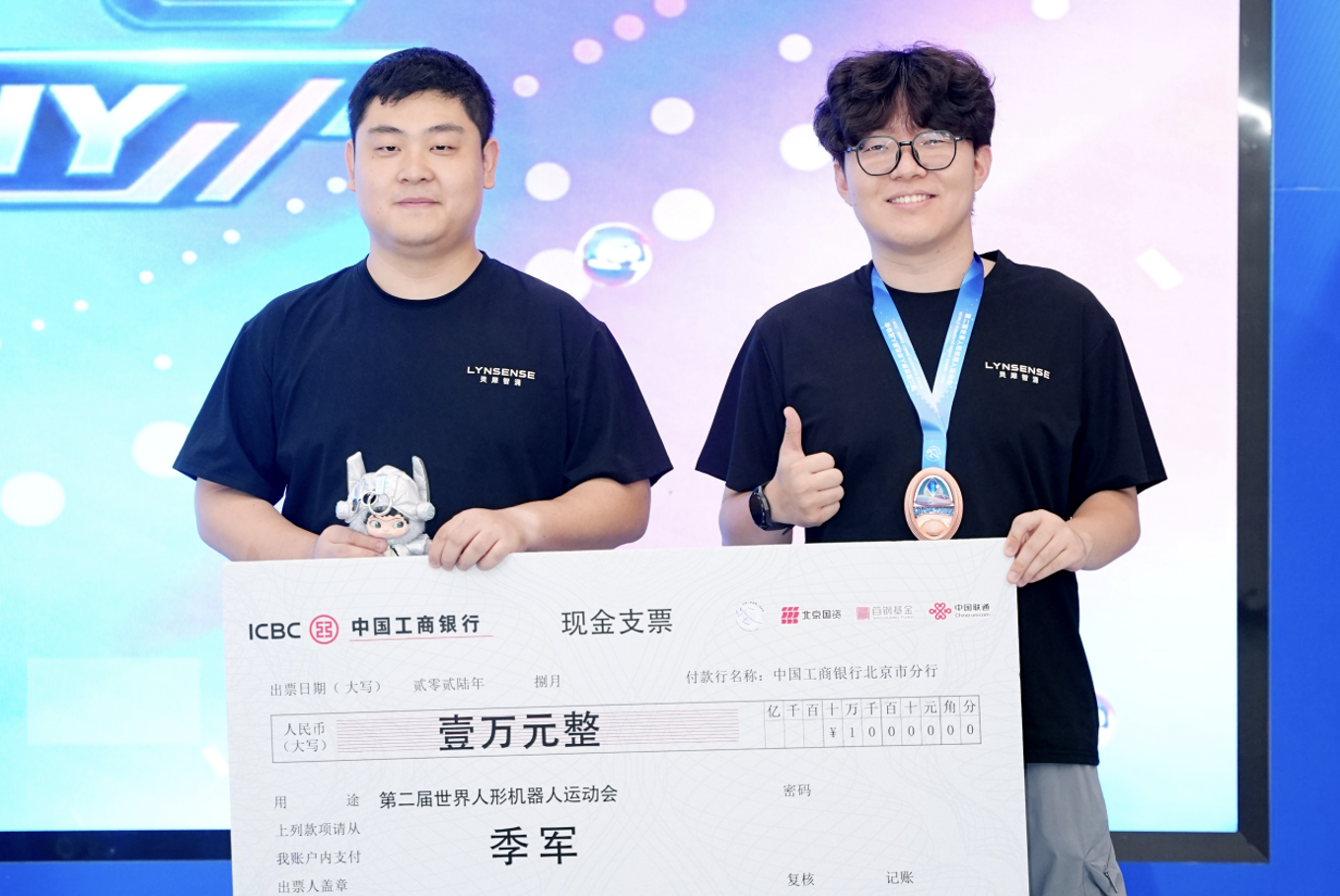
Moving 10 kg material bins, picking and selecting seven types of parts, and installing 18 valve stems into an engine cylinder head—the 'Assembly and Loading Station' at the industrial scene category of the Second World Humanoid Robot Games required robots to complete a set of tasks resembling a real production line continuously within a limited time. Unlike competitive events that highlight speed and strength, these scenario-based competitions focus more on operational precision, long-term stability, and whether the robot can string together multiple actions.
Lingxi Zhiyong, founded in Shanghai in 2026 by Duan Yifan, a robotics PhD from the University of Science and Technology of China, is a robotic startup focused on industrial embodied AI. Currently, its competition robot was assembled from a Demo chassis, yet it scored 84 points in moving and shelving, 65 points in picking and loading, and 21 points in material assembly. After deducting 10 points for specific penalties, it finished with a total score of 160, ranking among the top three nationally. It became the only robotics company other than industry leaders to win an award in the industrial scenario competition. For a company established only a few months ago, this also served as a public stress test.
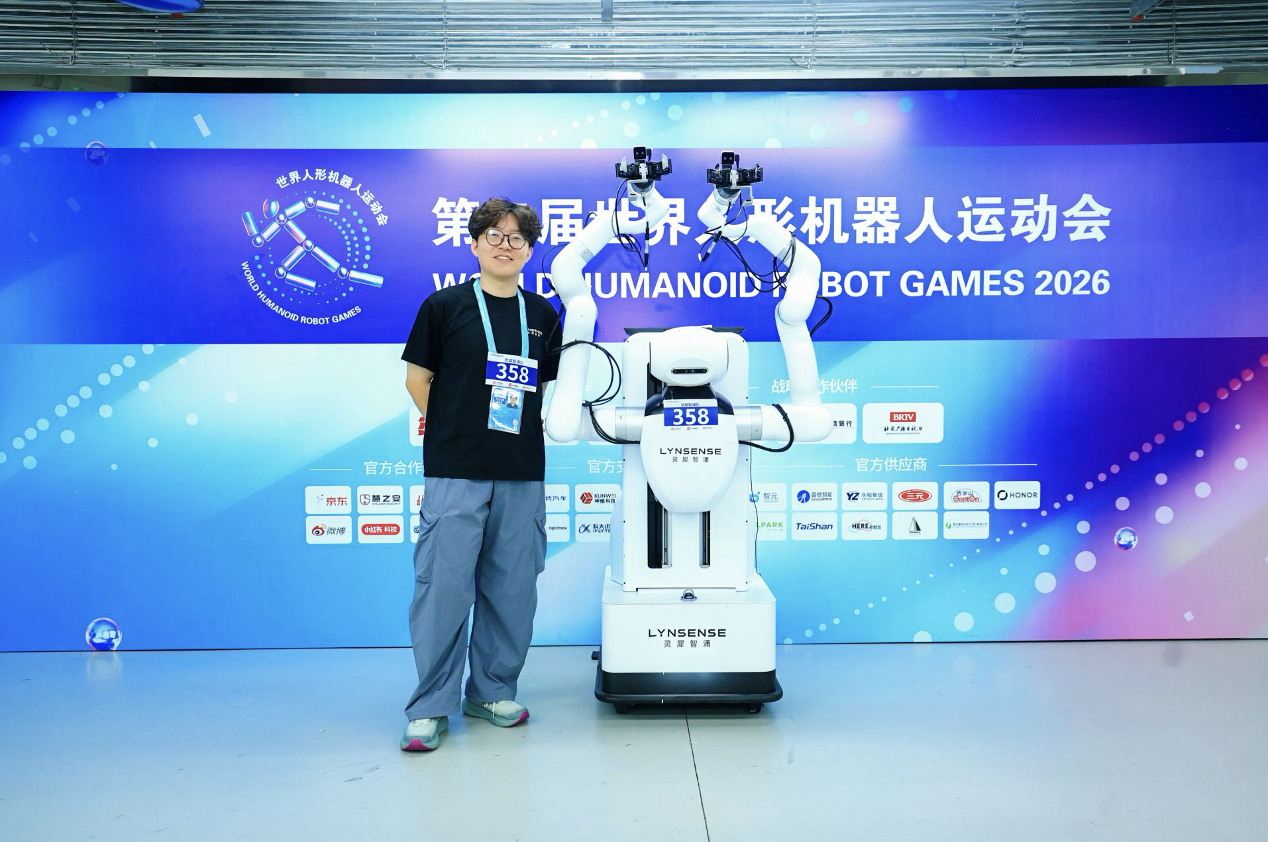
Lingxi Zhiyong attributes its performance primarily to its self-developed ROSS Harness Agent. If the embodied model is considered the robot's 'brain', Harness acts more like an execution system connecting the model to hardware. After the model generates actions, the system must understand the goal, decompose the task, call skills, and continuously judge whether execution deviates from the plan; in case of anomalies, it chooses to interrupt, retry, roll back, or replan based on the situation.
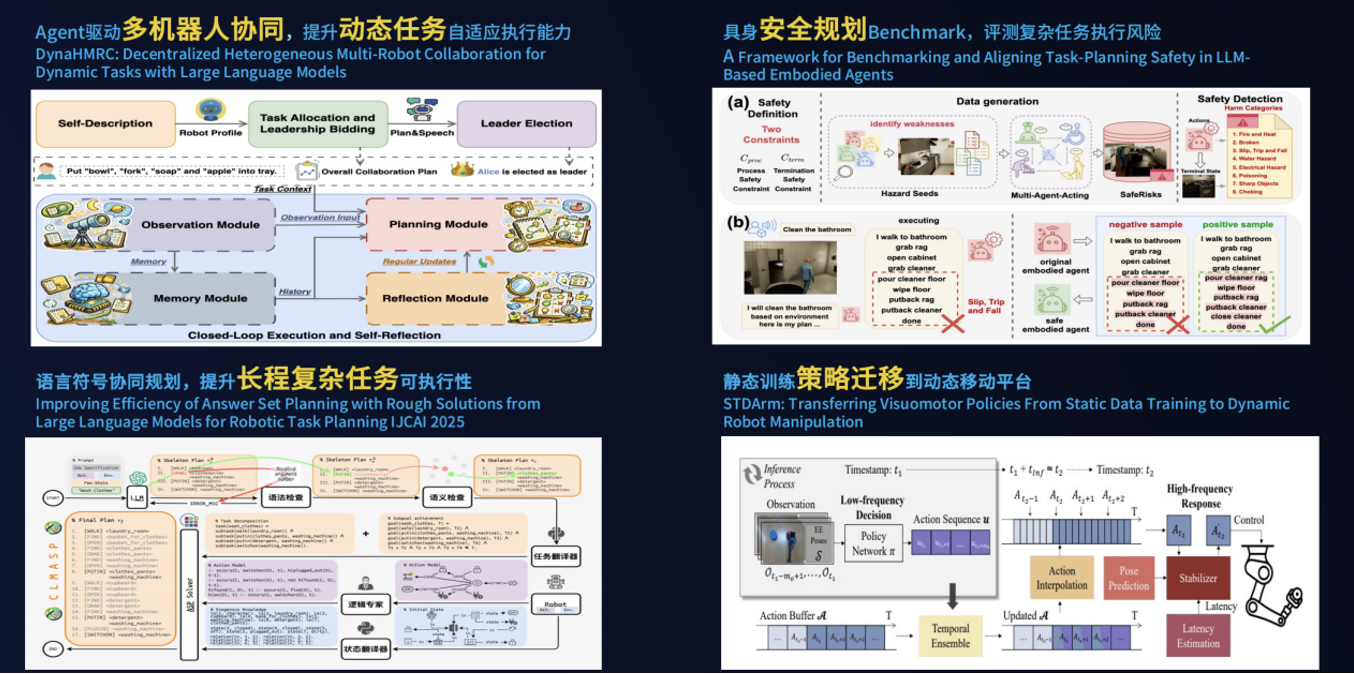
According to the company, ROSS Harness includes capabilities such as model and skill abstraction, task orchestration, hierarchical safety monitoring, and data closed-loop. A unified interface reduces refactoring costs when changing underlying models, while skill modules encapsulate capabilities like navigation, grasping, force control, and engineering experience. Task status, failure cases, and recovery paths are recorded for subsequent optimization. The company refers to this process as 'self-evolution,' though actual effects require longer-term validation through production line data.
Emphasizing Harness does not mean abandoning models. Lingxi Zhiyong is simultaneously developing the CONWAY Industrial Native Model, focusing on haptic enhancement, fast inference, action alignment, and safety control. In their vision, the model is responsible for forming local action decisions, while ROSS Harness organizes these actions into relatively stable and controllable continuous tasks.

According to available information, ROSS Harness was spearheaded by co-founder and CTO Duan Yifan, while Ji Jianmin, Associate Professor at the University of Science and Technology of China, serves as co-founder and Chief Scientist at Lingxi Zhiyong. The company states that the relevant solution has been validated in scenarios such as machining loading and unloading, precision screw fastening, and stator pressing. The next step is to advance productization through a standardized hardware platform.
However, winning awards on the competition stage does not equate to completing industrial delivery. Whether robots can operate reliably in factories long-term must be tested against success rates, throughput, maintenance costs, and cross-scenario replicability. A more critical question lies ahead: whether outstanding performance on the competition stage can be translated into stable output on the production line.