

LingBot Embodied AI Challenge Concludes With Real-Robot Deployments in 48-Hour Hackathon
The inaugural LingBot Embodied Foundation Model Challenge held its offline finals from November 14 to 16 at the Zhangjiang Science Convention Center in Shanghai. The event marks LingBot's first embodied AI competition for developers and stands as the industry's largest embodied developer contest to date.
LingBot Challenge: Young Developers' 48-Hour Real-Robot War
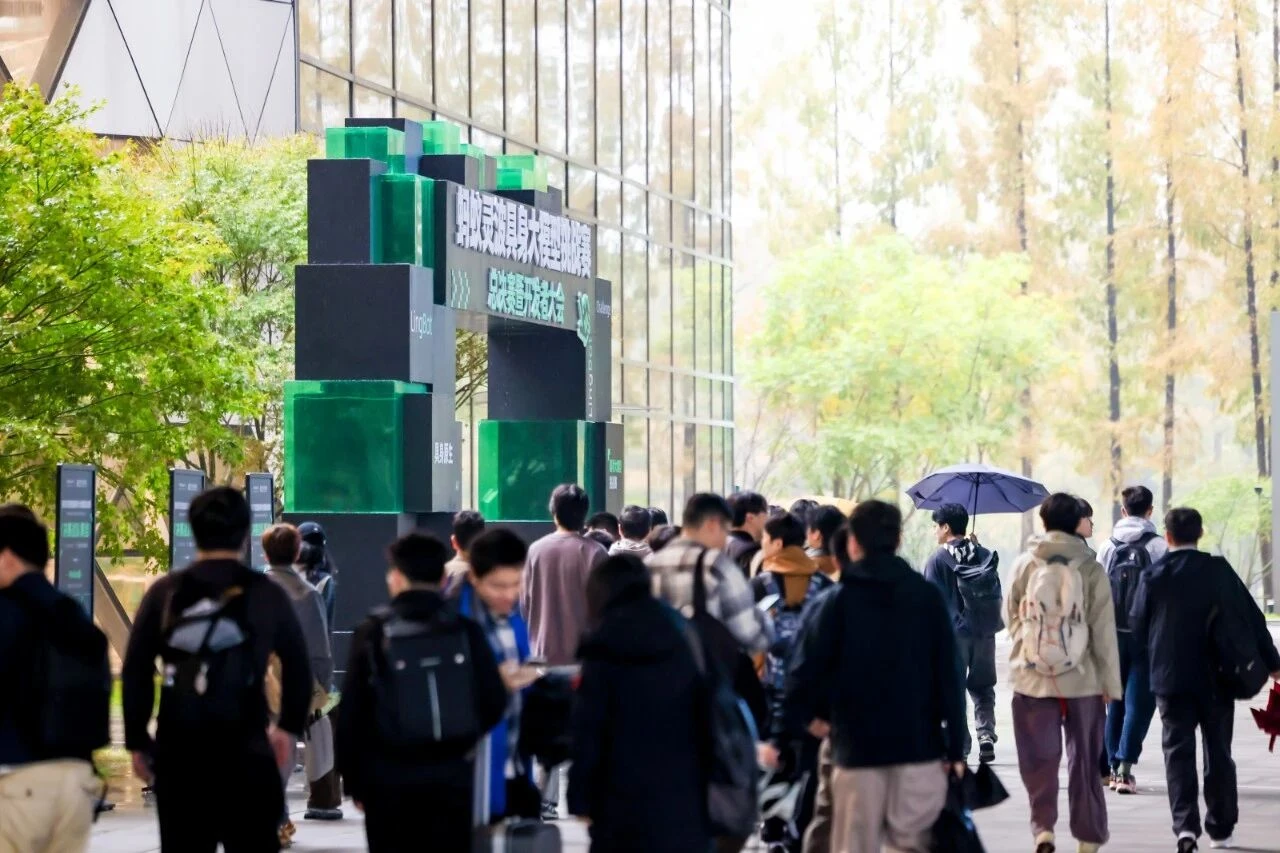
From November 14 to 16, the Zhangjiang Science Hall in Pudong, Shanghai, hosted the inaugural in-person final of the LingBot Embodied Foundation Model Challenge.
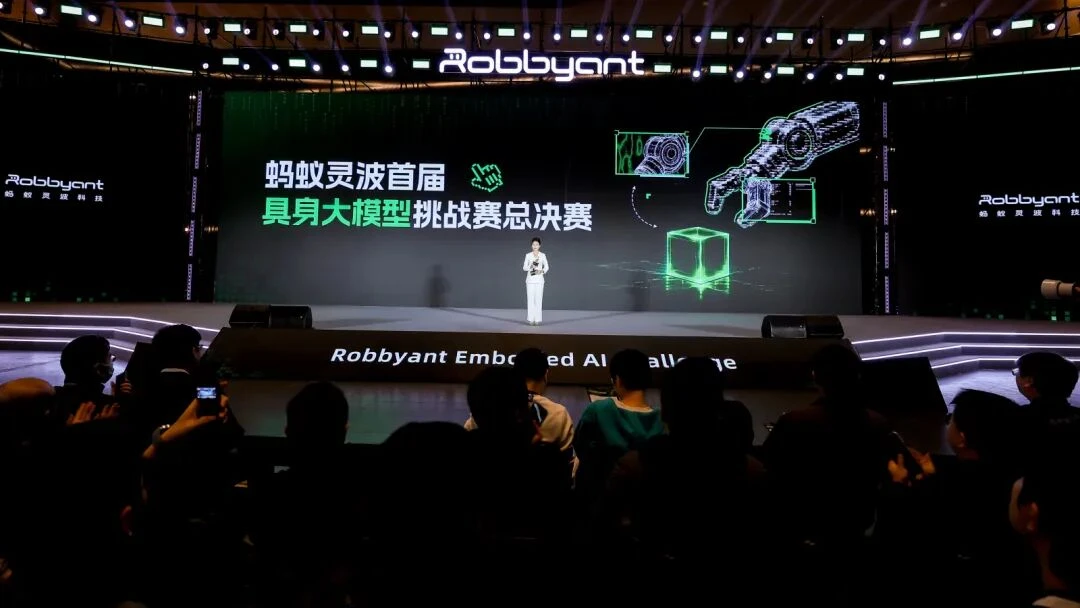
This is not only the first embodied foundation model challenge for developers hosted by LingBot, but also the largest embodied developer competition in the industry to date. According to reports, the preliminary round attracted 1,855 teams and 3,252 top university contestants from 13 countries and regions, including mainland China and Hong Kong, as well as the United States, the United Kingdom, Germany, Singapore, Australia, Sweden, and Japan. Over the 48-hour final, 15 teams collected data and fine-tuned models using the open-source LingBot-VLA 2.0 model and unified hardware platforms, before deploying them on physical robots to complete tasks, competing for a total prize pool of RMB 280,000. Ultimately, Wu Haonan from Tianjin University and the Shenzhen Futian Laboratory led the TARS team to win the championship.
To enable developers to fully dedicate themselves to real-robot development for embodied models, LingBot provided comprehensive infrastructure support for the participants. All contestants were equipped with physical robot platforms, data collection hardware, task materials, standard pre-collected datasets, and edge inference computing resources. This allowed them to complete model fine-tuning, deployment debugging, and task evaluation within the time limit, bringing their preliminary ideas to life on physical hardware. LingBot also provided stress-relief items and rest areas at the venue to help developers unwind.
What were the highlights of this developer challenge, and what kind of experience did the 48-hour hackathon bring to the participants? 42HOW Robotics visited the venue of the LingBot Embodied Foundation Model Challenge and the inaugural developer conference on November 16 to find out.

A Diverse Cohort of Developers
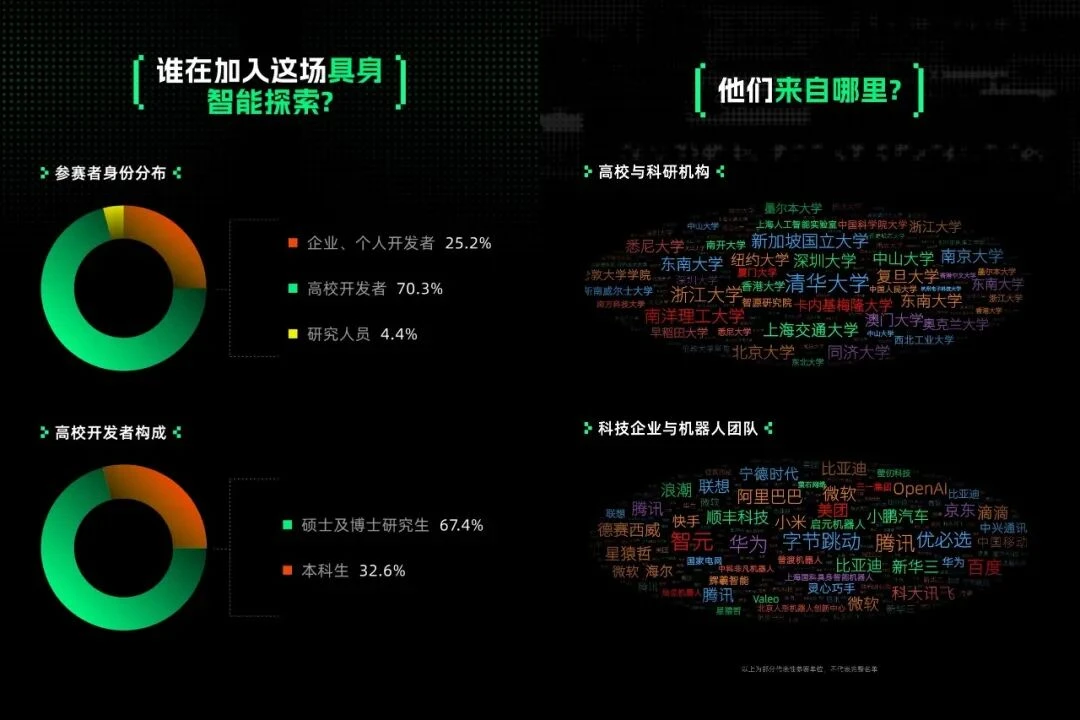
Participant profiles show that the concentrated participation of highly educated talent is a major highlight of this competition's demographic. Master's and doctoral students formed the main force, alongside corporate and independent developers, as well as university researchers who reached the final. Moreover, some developers came directly from leading technology and robotics companies such as Alibaba, ByteDance, Tencent, Microsoft, XPENG, Unitree, and Zhiyuan. Many of them already possess extensive experience in vision-language-action (VLA) models, multimodal foundation models, deep learning, reinforcement learning, and real-robot debugging. Brought together by various circumstances, many young developers formed teams, even though some of them had never met before.
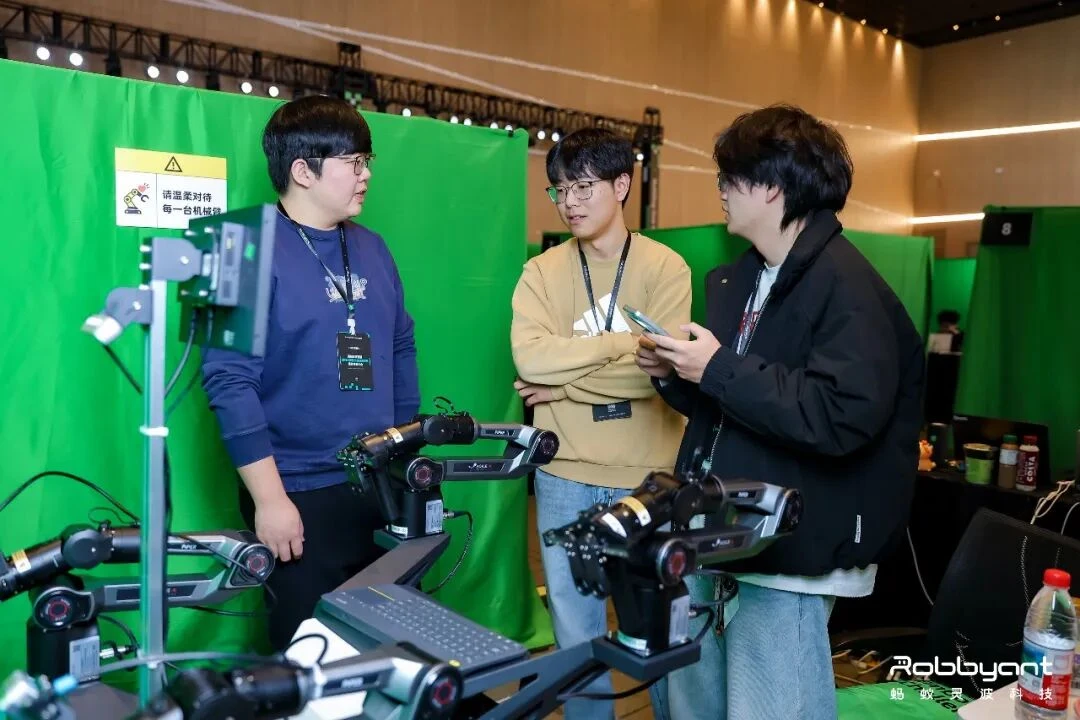
"EVA" is a distributed cloud team spanning three cities: Beijing, Wuhan, and Shenzhen. Team captain Wu Xianjin is a first-year doctoral student at Huazhong University of Science and Technology, currently interning at a technology company in Beijing. Her teammates include Fang Heng, a doctoral student at Huazhong University of Science and Technology, and Zhang Yu, who is based at the Tsinghua University Shenzhen Graduate School.
The three studied at the same university before going their separate ways after graduation to deepen their work in algorithms. They accumulated extensive hands-on experience in inference optimization, mathematical reasoning for large models, and computer vision, developing a strong mutual respect. Given their geographic separation during the preliminary round, the trio established a precise distributed collaboration system: Zhang Yu was responsible for frontline real-robot data collection, Wu Xianjin led model training and full fine-tuning, and Fang Heng assisted with subsequent data processing and validation.
"We had been apart for a long time but kept in touch. This competition, along with our deep friendship as former classmates and our shared passion for technology, brought us back together."
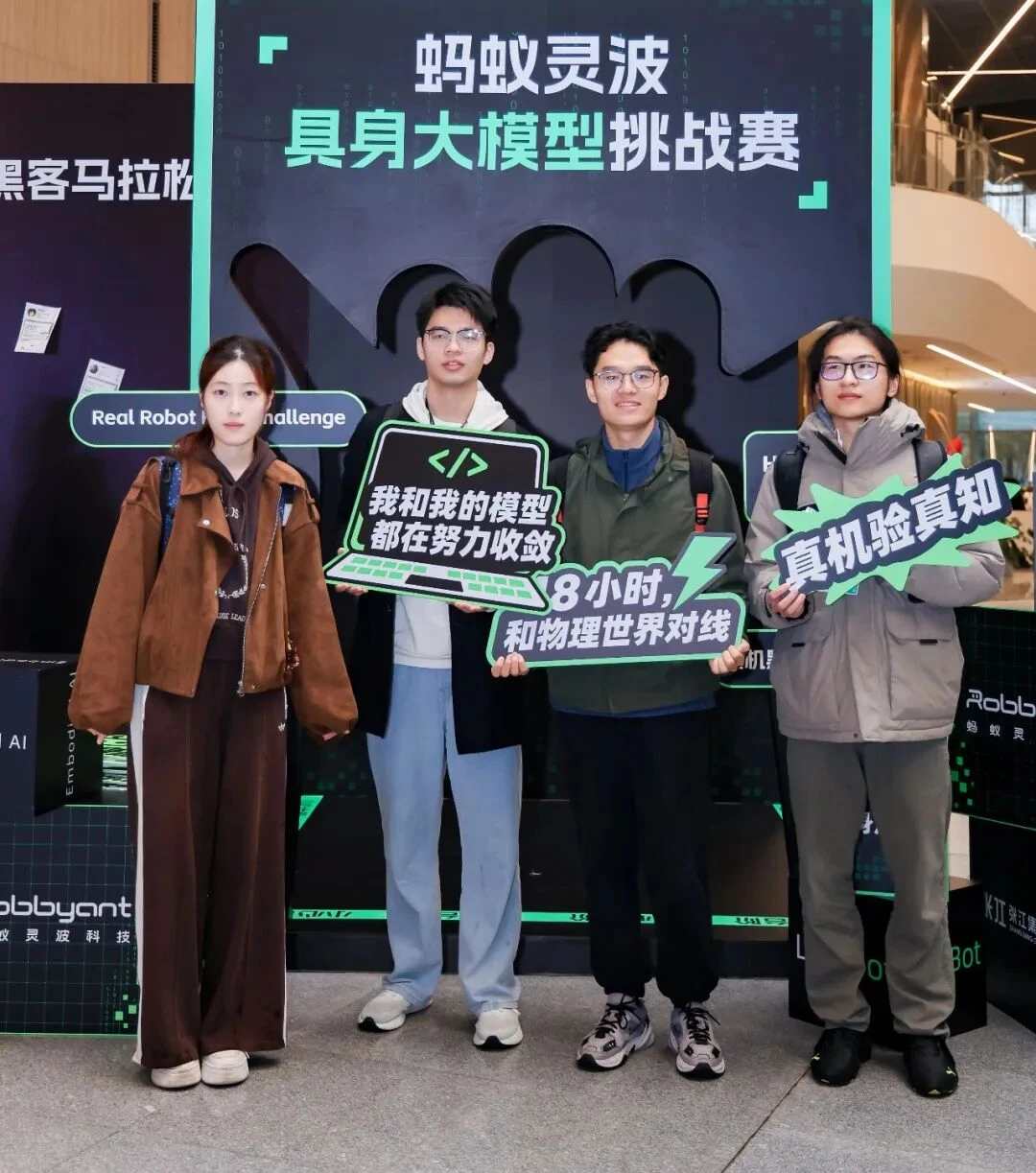
Curiosity about VLA real-robot technology also drew Chen Sen, Chen Xin, Zhuang Zishuo, and Zhu Yakun into the hackathon. Chen Sen is a first-year direct-track PhD student at the School of Computer Science, Tongji University, and all four belong to the research group led by Tongji University doctoral supervisor Bin Yi. He noted that the group is just getting started in embodied AI; although they have already produced simulation results such as GeoAAC, they had never before participated in a hackathon—a technically intense event requiring high-density input and output under tight deadlines. "We had tested GeoAAC on real robots before, but never under the intense pressure of a hackathon," he said. "We hope this format will help us quickly run through the entire real-robot pipeline and gain deeper insights."
Among the three high-performing teams, Tongji VIDA stood out for its steady approach. During the preliminary round, the team leveraged the visual capabilities of GeoAAC to advance their model to the finals, laying a crucial foundation for the intense, time-constrained development that followed. Chen Sen noted that using visual prompts for data augmentation proved highly effective. For the first and second tasks in the finals, the team used bounding boxes to highlight the objects to be grasped; in the second task, they specifically boxed the target layers inside the transparent makeup organizer. These technical innovations yielded excellent results. "During the placement phase, if the grasping stage has high certainty, we can extend the action sequence length to reduce inference time and computational overhead," Chen Sen explained. "However, during the alignment stage, which requires precise manipulation and a fast servo closed-loop control, we need to shorten the sequence accordingly. These optimizations gave us much greater confidence in our work."
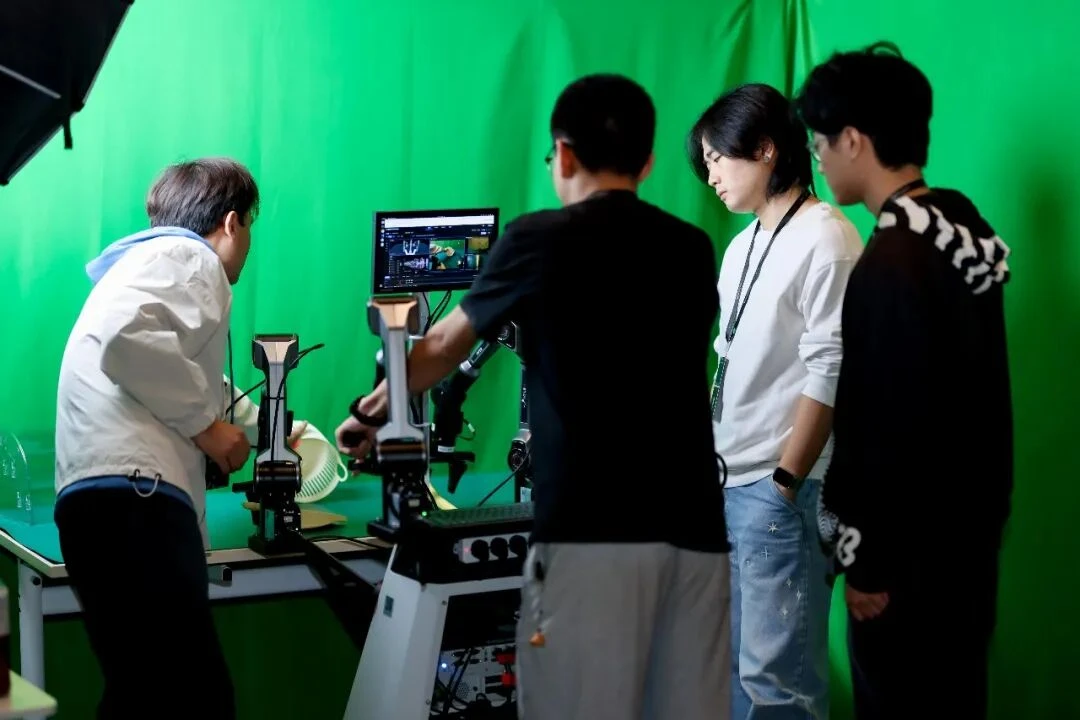
Among the many developer teams, numerous young people came together driven by serendipity and mutual trust. The "TARS" team, named after the robot from the classic sci-fi film Interstellar (), was initiated online by Wu Haonan from Tianjin University. In the early stages of the competition, Wu Haonan single-handedly tackled the heavy simulation workload. It was not until late October that he teamed up with his roommate, Bai Qili. Capitalizing on their strong initial results, they used social media to recruit Wang Xiaoteng from Northwestern Polytechnical University, Li Haohao from Tianjin University, and Gu Ruicheng, an engineer at Pudu Robotics with years of industry experience.
The team members have distinct personalities. Wang Xiaoteng and Gu Ruicheng are more outgoing; in addition to focusing on algorithm exploration and engineering optimization, they constantly monitor social platforms and official communication groups, keeping the team updated on the latest results from other teams and any changes to the competition rules. Li Haohao and Bai Qili, on the other hand, prefer to quietly focus on their own tasks. Despite their differing temperaments, everyone actively contributed to the technical work. They collaborated on validating algorithmic concepts, model training, and inference optimization, while also encouraging each other through challenges, ultimately securing their spots in the finals together.
"I wanted to participate and had already achieved some initial results, so I gathered my roommate and some online friends, and we quickly came together. We turned out to be a highly efficient team."

Intense competition and unexpected moments
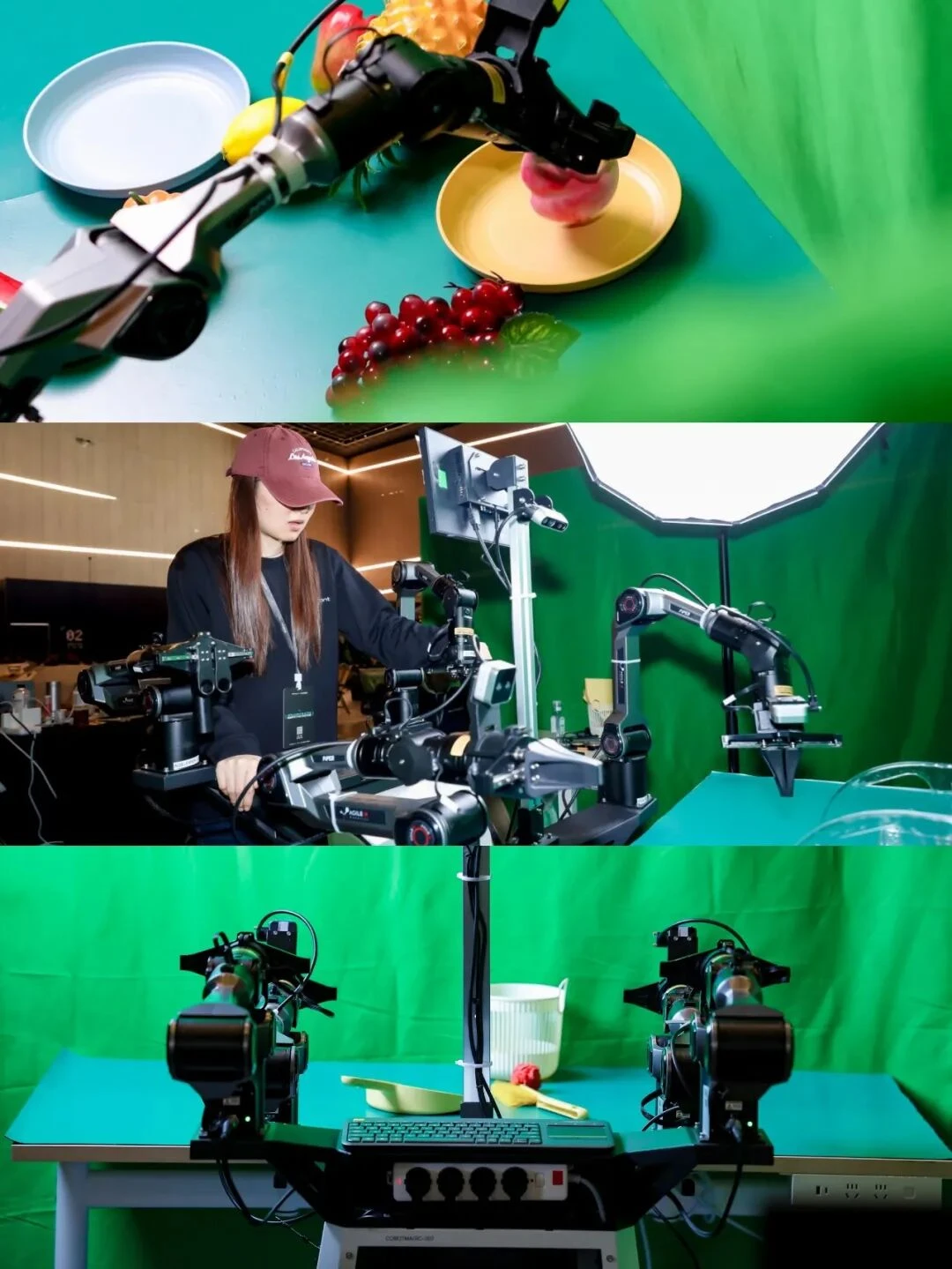
Real-robot deployment was the primary technical focus of the competition. Unlike the preliminary round, the finals abandoned simulation for real-robot evaluation, presenting an entirely different level of difficulty. Over 48 hours, developers had to deeply engage with an open-source Vision-Language-Action (VLA) model, completing model fine-tuning, deployment, and debugging under a unified task paradigm and in real-world robotic scenarios. The tasks required the robot to identify designated fruits and vegetables and place them in a fruit plate, organize a transparent, multi-tiered makeup organizer, and sweep garbage into a dustpan before placing it into a trash can. The organizing committee scored the robots based on their on-site task completion performance, with a total of three submission opportunities for evaluation.
However, each task included out-of-distribution scenarios. For instance, the dataset lacked the specific fruit required for the task, the makeup organizer had poorly defined layers, and trash can data was missing, all of which hindered the competing teams to varying degrees. Meanwhile, classic challenges in real-robot deployment, such as lighting variations and real-world disturbances like the actual physical contact between the camera and the robot arm's gripper and the objects, also affected the teams' actual performance.
All interviewed teams highlighted the immense difficulty of the finals. "The first major challenge is the significant gap between real-robot and simulation. On the real robot, you encounter many real-world issues: the scene might shift, the inference and training data won't align, and performance drops; the objects or the robot arm itself might malfunction. You don't face these problems in simulation; on a real robot, you have to solve them step by step. The second challenge is having a small team, tight time, and a heavy workload. To scale up the data volume, the baseline for data collection must be solidified first, and teleoperation skills must be honed."
Shen Yujun, Chief Scientist at Ant Lingbo, stated in an interview that due to the immense uncertainty of a 48-hour hackathon, he was once concerned about whether the event would yield good results. "Initially, we worried whether the timeframe was too tight for external developers who were not very familiar with VLA. If most teams ended up with zero or extremely low scores, it would be awkward and would also discourage the developers. But looking at the results now, it actually turned out quite well."
The most intense phase occurred in the middle of the competition. Among the three representative developer teams, Chen Sen was the first team leader to clearly encounter a moment of crisis.
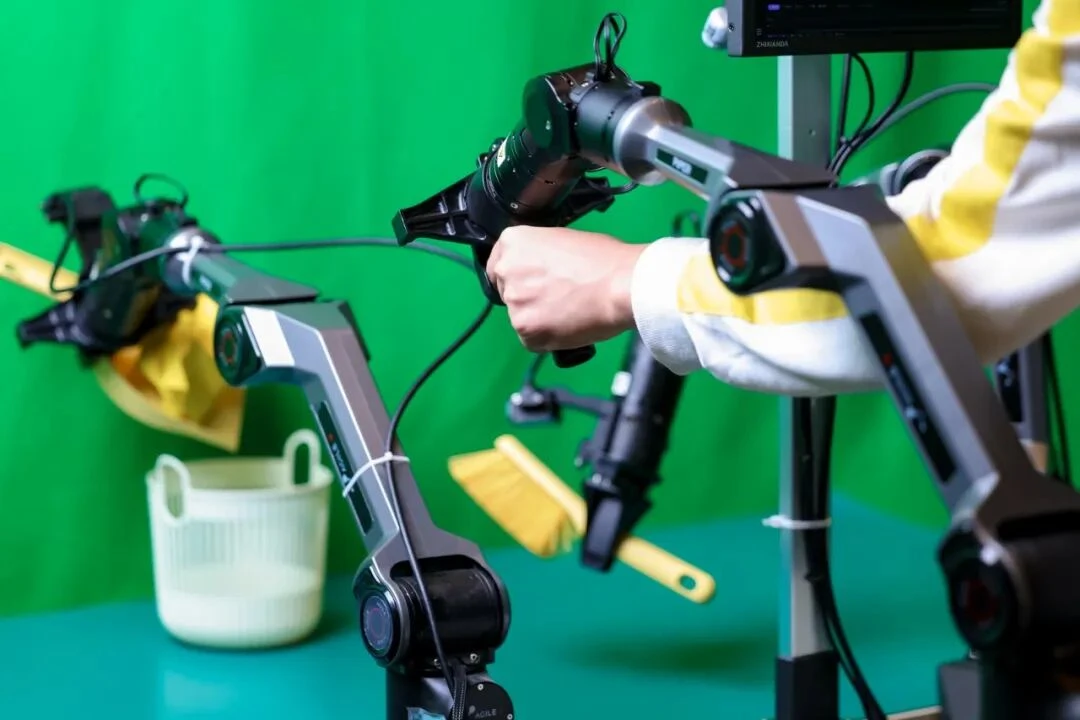
After conquering the first two tasks, the VIDA team hesitated over the third task (which involved dual-arm manipulation to sweep garbage into a dustpan and then dump it into a trash can). "When we saw the tasks before the competition, we immediately identified the key issue with this specific one: the official dataset only contained data of grasping the dustpan handle. In practice, this grasping method is highly likely to fail to hold the dustpan securely, and it would slip in real-world scenarios."
Chen Sen noted that in past development competitions, he had encountered dirty data that needed to be filtered out. However, because the dataset for this event seemed relatively clean, the team fell into hesitation and struggled to make a decision amid the tension. After a group discussion, the VIDA team ultimately could not resist the temptation of the official dataset and trained the model for the third task exactly as the dataset demonstrated. Once data enters the model and forms a distribution, changing it requires training on more data to recover the weights. This also means incurring greater sunk costs.
At this point, the team wanted to backtrack. Zhu Yakun and Zhuang Zishuo proposed adjusting the motion from grasping the dustpan rim to using the other hand, which was originally holding the broom, to grab the trash can, thereby reducing the distance between the objects to facilitate the dumping action. Nevertheless, due to technical hesitation, the team was unwilling to abandon the existing data, and the modifications from the additional training did not yield significant improvements. By then, 10 hours had passed since the two proposed the idea. The team ultimately submitted their third round of testing on Sunday afternoon, securing fourth place with a score of 63.40.
Chen Sen noted that the original batch of relatively noisy data was close to 9,000 steps, and the additional data only added about 1,000 steps of training, totaling 1,500 to 2,000 steps. To correct the previously misguided approach, this amount of training was far from sufficient, as "the sunk cost was too high." He also felt that during the competition, the team's data processing was not good enough; if the data had been more abundant and cleaner, the results would certainly have been better. He even mentioned that during the event, the entire robotic arm provided for their use broke down and had to be replaced with a new one.
"Everyone was quite frustrated. Thinking back now, we should have stuck to our own judgment from the very beginning and not hesitated. Later, we found that the fourth-place result was actually pretty good, so it's fine."
TARS team captain Wu Haonan also recognized the technical difficulties of the third task, but unlike VIDA, he was bolder and more unconventional in his execution strategy. Facing questions on-site, Wu Haonan explained in detail the considerations behind this approach.
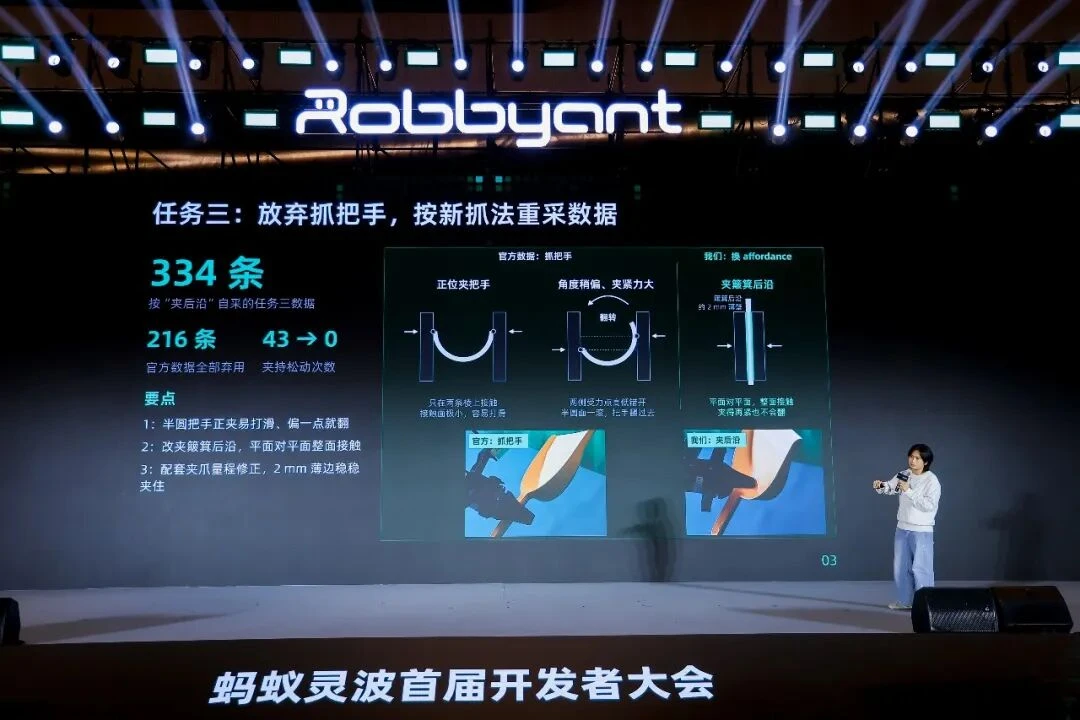
He noted that the standard dataset provided by the competition fixed the gripper's grasping posture, making it unsuitable for grasping a dustpan with a slender handle. Since all the data was collected with the handle in a single upright orientation, the actual contact area between the gripper and the object was very small. Once the angle deviated slightly or the force changed, the gripper's center of gravity would shift, causing it to tip over. Therefore, TARS adopted a targeted strategy to pass the task, dedicating the entire team's data pipeline output to Task 3 and recollecting data for it. The team used surrounding items like bottled water to conduct heavy object tests, allowing them to adjust and calibrate the grasping force for the dustpan. After he persuaded them, the team directly abandoned the official dataset and ultimately generated 334 new data samples better suited to the task using their own methods for few-shot training.
Evidently, he focused more on data validity. If the data itself had obvious affordance issues, it was better not to use it at all. "The most grueling part was data collection and resource allocation. It was a highly repetitive task that made our fingers hurt, requiring us to constantly explain and demonstrate; everyone worked very hard. Another key aspect was the division of labor in methodology: just having them generate data non-stop for 24 hours would actually be harder. We actually used less data than others—the official dataset gave them 200 samples, and they generated another 200 themselves, but we solved the problem using only 300 samples."
Regarding the common issues encountered by VIDA and TARS, Wu Haonan noted that TARS decisively changed its approach after realizing the dataset had problems. The crucial point is that although both VIDA and TARS teams reached the same conclusion, there was a time window of about three hours between them. In a competition, such a time window often plays a decisive role in success or failure. "At the time, my model ran for just over a hundred steps before I spotted the problem. They were two or three hours behind me and had already run five or six hundred steps. The sunk cost was right there, making it harder to make that decision the further along they got. On one hand, my teammates trusted me; on the other hand, we were indeed quite lucky to have discovered the problem slightly earlier."
During the competition, his mindset remained generally calm. Although the team's second and third submissions were both squeezed into the 6:00–8:00 AM and 8:00–10:00 AM windows on Monday morning, which could be described as "cutting it close," there were not many moments that truly made him nervous.
He also admitted that a significant portion of their technical considerations came from "intuition." Because the time for both the preliminary and final rounds was extremely tight, the team sometimes had to rely on intuition accumulated from their research to "gamble" on a training recipe. During the event, a parameter setting deviation caused by Codex unexpectedly shifted the training configuration away from the officially recommended recipe, yet it achieved surprising results in random scenarios. The team subsequently verified this finding through experiments and retained it in their subsequent training plan. Drawing on his previous internship experience at companies like XPENG Robotics and Insta360, Wu Haonan's intuition for solving practical engineering problems became even sharper. During his internship at XPENG Robotics, he had encountered affordance issues similar to Task 3. For example, when annotating data for an object like a curtain, should the model be given a bounding box for the entire curtain, or should it only focus on the small area where the hand interacts? He had already thought deeply about this.
"The root of the affordance problem lies in the gap between human understanding and robot understanding. Drawing on that experience builds intuition, so when you look at the competition scenarios, you can quickly realize, 'Hey, I've encountered this problem before.'"
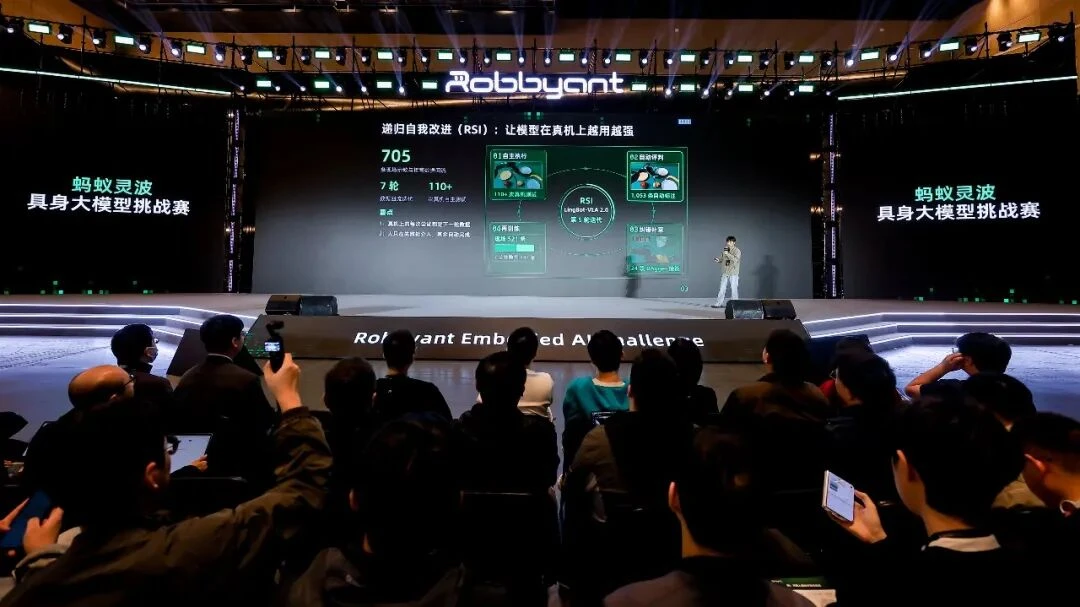
Similar moments of tension also emerged during the EVA team's RSI iteration. Zhang Yu explained that the team initially collected a batch of data for inference, specifically gathering samples where the model performed poorly in certain scenarios. They then mixed these samples back into the dataset for continued training to address these specific shortcomings, producing a new model for further inference and gradually iterating in this manner. However, during the actual process, the team found that the performance of the first RSI version was not ideal. Wu Xianjin initially suspected the issue could stem from multiple factors, including the model, inference-side code, data, and scenario alignment. "At the beginning, we were quite lost and didn't know exactly where the problem was, so we could only troubleshoot step by step."
Consequently, Wu Xianjin and others chose to first evaluate the model side using offline benchmarks. Finding no issues with the model, they then tested the physical robot and ultimately pinpointed the problem in the real-robot inference stage. After resolving this, the team further expanded their training data volume, accumulating approximately 700 real-world demonstrations, which led to their second-round score of 74.77.

The Conventional and the Unconventional
Jiang Bo, head of market operations and the technical ecosystem at Ant Lingbo, believes the competition was deliberately designed to test participants' comprehensive capabilities. Data training, model fine-tuning, engineering tasks, and infrastructure engineering were all aligned more closely with real-world scenario requirements. On the other hand, time constraints and unexpected on-site situations tested the developer teams' ability to tackle unconventional difficulties and their collaborative efficiency. Given the time limits, the competition results carry a degree of randomness; it is entirely normal for different teams to have closely matched scores or to experience significant fluctuations between rounds.
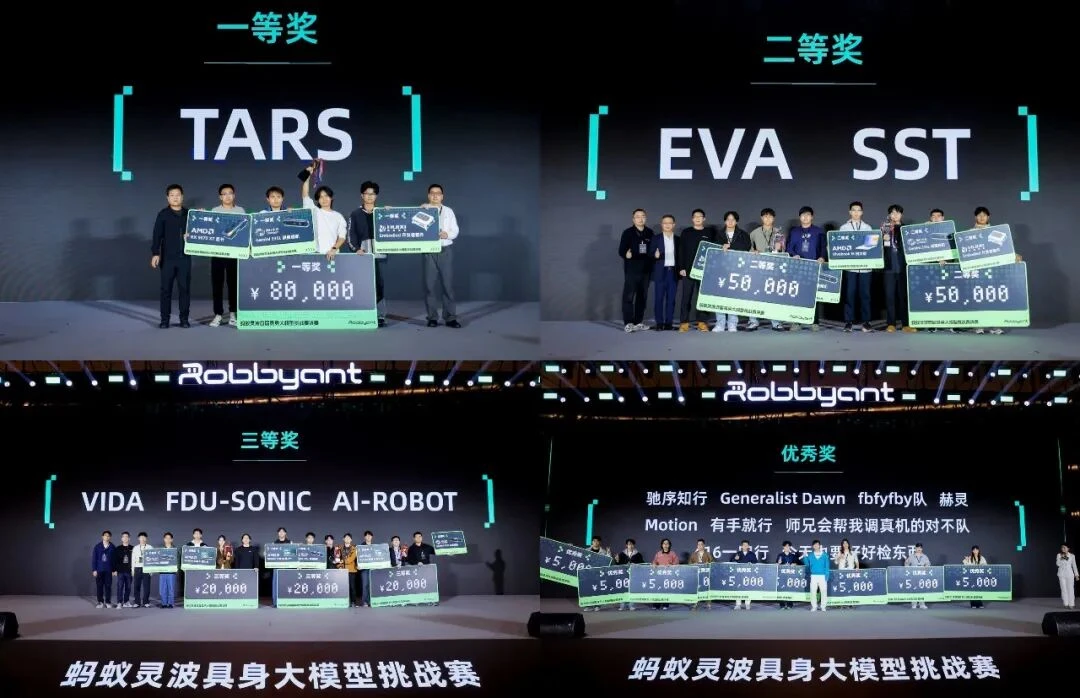
After 48 hours of intense competition and multi-party judging, the TARS team led by Wu Haonan ultimately stood out from 15 teams to win the championship and first prize in the finals. The EVA team led by Wu Xianjin and the SST team led by Yang Zeming won second prize, respectively, while Tongji VIDA, FDU-SONIC, and AI-ROBOT won third prize. An additional nine teams received excellence awards, and three teams received special awards from the observer group.
In this competition, every developer's choices were vastly different, with individual personality traits, professional backgrounds, and team bonds closely intertwined. Among them, Wu Haonan of TARS stands out as a particularly distinctive figure. As the representative of TARS, he exhibited a reaction to pressure that was markedly different from other team leaders. Even if many technical choices seem inevitable in hindsight, making those decisions required extraordinary personal resolve. During the intense 48-hour development process, many teams had various technical insights; ultimately, they either adopted a safe approach, chose the most effective short-term solution, proceeded steadily, or shifted resources from one area to patch another. Under the same fatigue and pressure, Wu Haonan broke through the conventional thinking of most people around him, continuously proposing new ideas with strong strategic intent: these new ideas maintained continuity in overall engineering, supporting step-by-step rapid verification and minimizing sunk costs. This is perhaps the fundamental reason why TARS pulled ahead of the runners-up by a full 8 points.
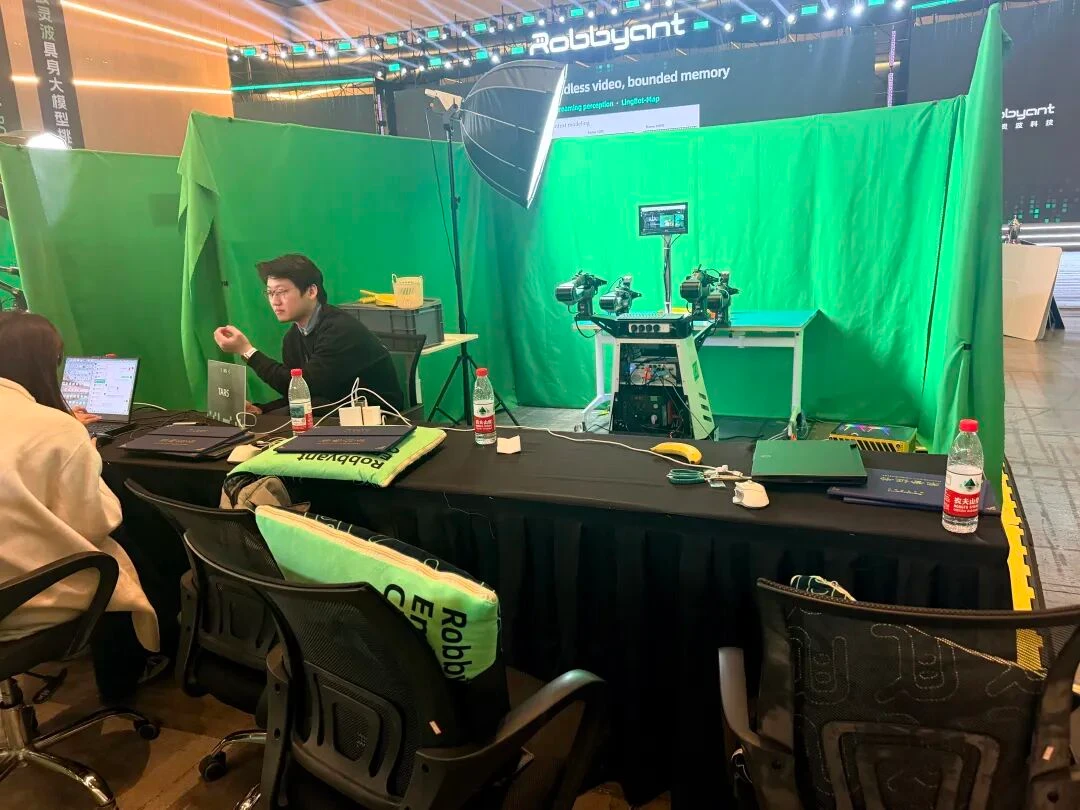
Wu Haonan led us to the TARS workspace, where their newly acquired award certificates rested quietly on the table; the workspace was already looking somewhat empty. He mentioned that after the competition concluded in the morning, some members hurriedly packed their bags and headed their separate ways. He will divide the prize money equally among every team member to thank them for their trust in him. When asked about his own plans for the prize money, he said he would use it to pay part of his rent for living in Shenzhen.
"Even though I rent a place in an urban village in Shenzhen for RMB 2,000, I don't mind it at all. It only takes me 5 to 10 minutes to cycle from my home to the beach. During the preliminary round, I would run my experiments around 6 or 7 PM every evening. Not wanting to be bored, I'd go to the beach to watch the sunset and sit there for a while. I love Shenzhen Bay, Qianhai, and the Dameisha Peninsula." He believes that living in Shenzhen has, to some extent, amplified his brave and unconventional traits. When mentioning this, his eyes sparkled with the unique light of a young developer.

Developer ecosystem and the open-source spirit
Grounded in real-world robotic scenarios and industry pain points, Ant Lingbo hopes to leverage the competition to drive more effective technology dissemination. On the one hand, cutting-edge robotics technology is advancing rapidly, with innovation occurring within enterprises. On the other hand, many external developers, driven by curiosity and passion for the technology, want to enter the field and work on the front lines, only to be immediately blocked by a lack of computing power and equipment. Many developers reported that the LingBot-VLA 2.0 open-source pre-trained model "is indeed a very good model with excellent versatility across the board, and it also leaves room for competing teams to further fine-tune it for the competition." This allows participants to directly conduct training, fine-tuning, and inference optimization based on a leading open-source VLA model, greatly lowering the barrier for developers and enabling them to focus more energy on truly challenging and meaningful problems: How can model performance in specific tasks be improved? How can the model's generalization and real-robot performance be enhanced? This approach of "continuing to innovate on the foundation of open source" is more likely to yield practical results than training a model from scratch, and it has indeed attracted many young developers on the front lines.
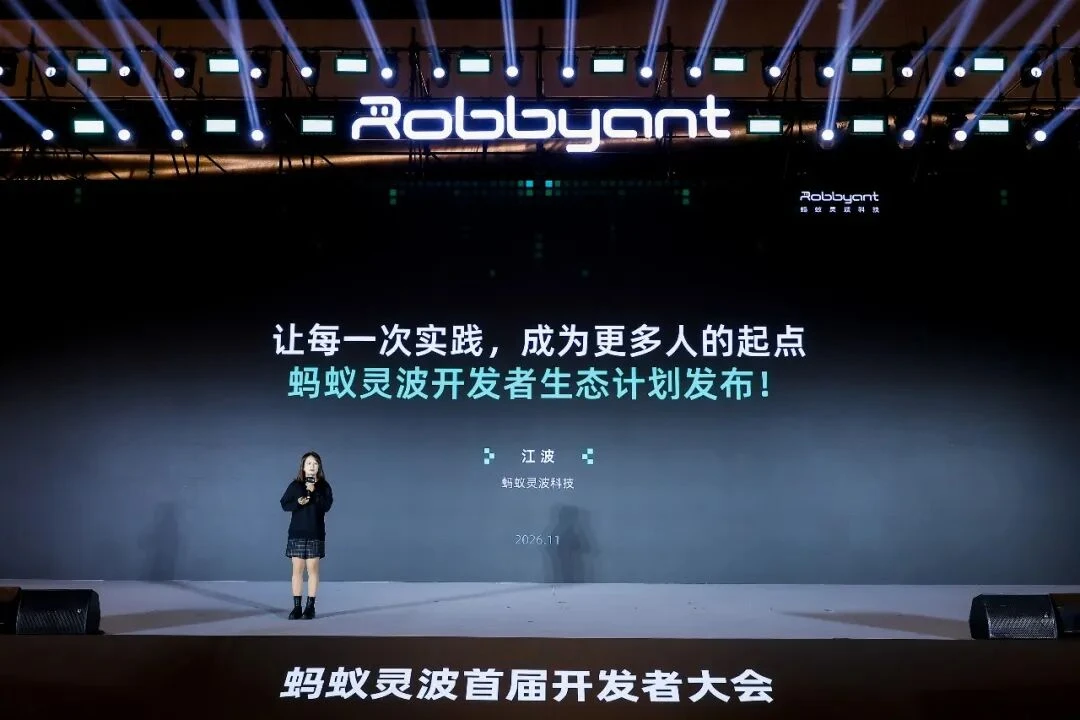
As cutting-edge technologies such as LingBot-VLA, LingBot-Vision, and LingBot-World are widely adopted in universities, research institutions, and enterprises, Ant Lingbo has cultivated a thriving developer ecosystem. At the first Developer Conference held that day, Ant Lingbo launched its developer ecosystem plan, pledging to invite 20 top experts to support teaching and academic innovation and jointly cultivate embodied AI talent. At the same time, it will recruit 40 developer experts to support technical practice and professional growth, co-building the developer ecosystem and bringing more support to front-line developers engaged in the frontiers of AI and robotics.
"We hope to provide tangible support to experts in the tech community, helping them engage in real-world scenarios, research, and coursework, supporting developer growth and forming a positive ecosystem loop. Ultimately, this will help us iterate our models better and provide the industry with a more powerful technological foundation."
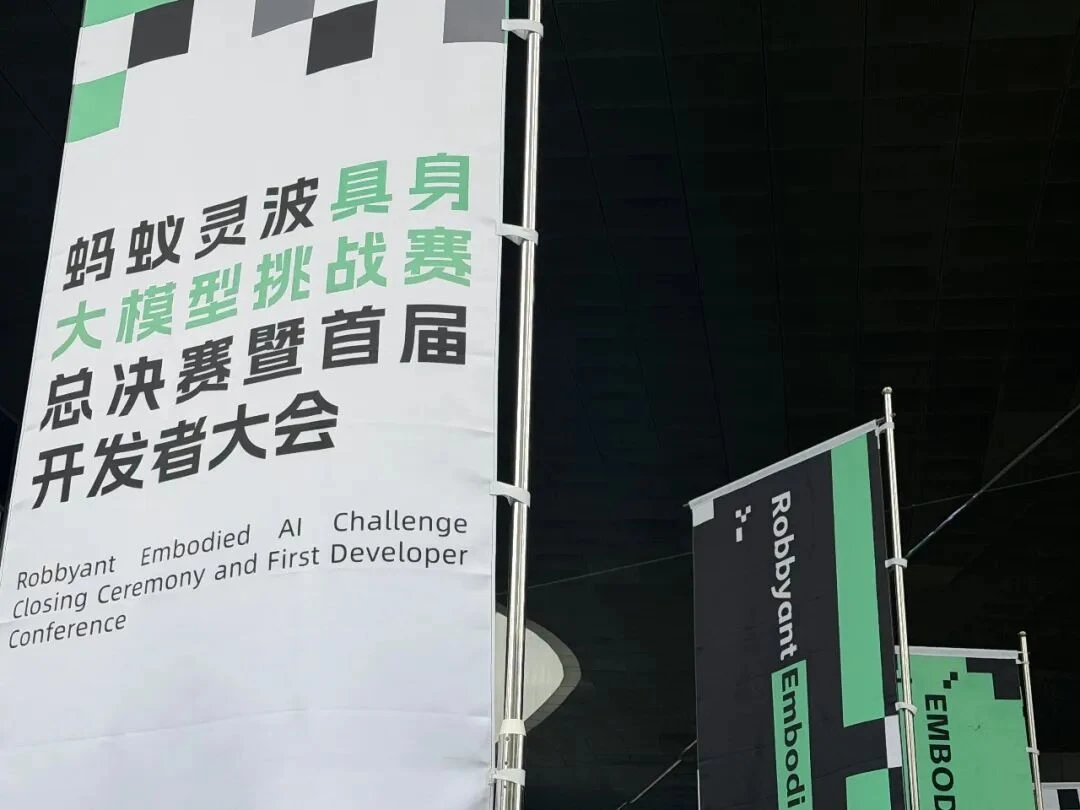
The first Embodied Foundation Model Challenge hosted by Ant Lingbo concluded amid applause from front-line industry developers and geeks. Many interviewed teams gave positive feedback on their competition experience, noting that the hackathon sparked their technical passion and provided university students, researchers, and external developers with immense practical insights. Given more time, many of their methods would not only have significant room for improvement but also indirectly inspired some participants' future research directions. Zhang Yu from the EVA team noted that because this embodied-level competition connected the chain of data, models, inference, and scenarios, the high intensity indeed deepened his understanding of real-world scenarios, which might help his ongoing research on hierarchical agent architectures. Wu Haonan from the TARS team said the competition led him to discover new ideas. Although not yet validated during the event, he will carry out his next steps at the Futian Laboratory, continuing to explore along the direction inspired by the competition.
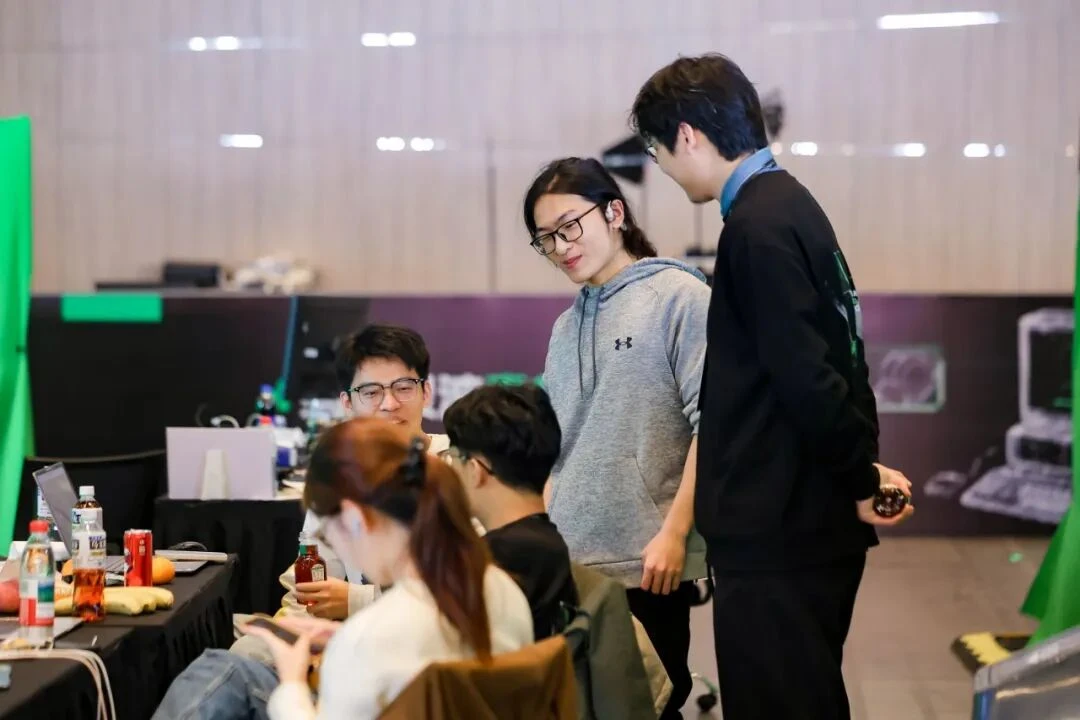
Meanwhile, Chen Sen from VIDA also mentioned that because participants generally share a consistent passion and curiosity for AI technology, during the finals, teams not only conducted intensive internal problem-solving but also occasionally exchanged ideas. "During the competition, we are certainly in a competitive relationship, but in the long run, since everyone is moving towards the frontier, we are all fellow travelers. Also, rankings are not important to me. If the other side has insights that let us know something we didn't know, that is very valuable. If I see some teams using equipment I don't recognize, I'll quickly search and learn about it online. Being able to see these excellent teams pulling out all the stops and showcasing their unique skills is in itself a good thing." This healthy competitive atmosphere enabled most teams to perform ideally under high pressure, and the platform effect of the challenge was further amplified through the exchange and mutual learning among developers.
Many developers also shared their technical visions. Some believe that foundation models have significant potential in the embodied AI field, and it is crucial to leverage the capabilities of foundation models through Agentic VLA to unlock greater embodied returns. Others believe that there is still room to expand robot form factors, but the human-like system must be perfected first before applicability in the real world can improve. Currently, the lack of convergence in technical routes is the main factor driving developers to explore and observe more in similar competitions, even if they were previously unfamiliar with certain specific routes.
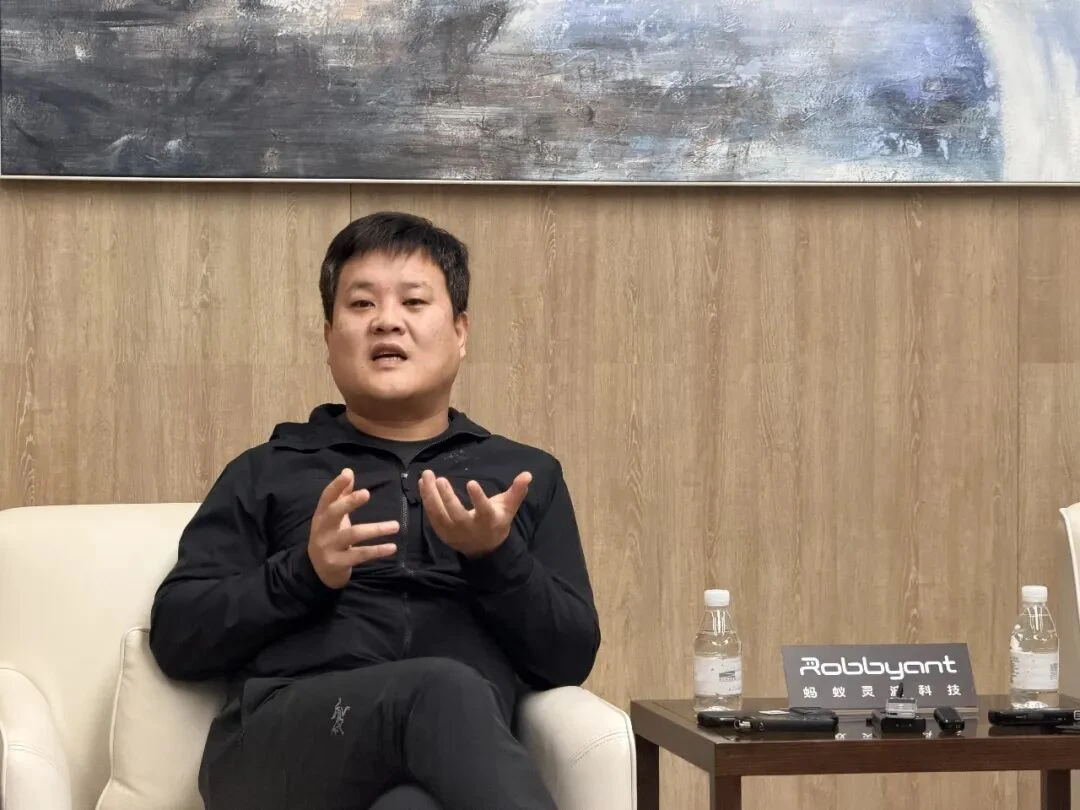
On the afternoon of the 16th, Zhu Xing, CEO of Ant Lingbo, also noted that in the rapidly evolving AI industry, attracting more developers requires prioritizing exchange and mutual learning over winning or losing, and maintaining an open attitude toward the technology itself: "Do not be blindly optimistic, nor overly pessimistic." Many developers formed teams and entered the competition initially plagued by anxiety and self-doubt: "Can we do a good job? With so many excellent competitors, can we stand out? I'm not familiar with VLA, how do I get started with the model?..." They all gradually gained confidence as the competition progressed. Fully immersing themselves in a competition featuring top talent, experiencing failure, analyzing those failures, and adjusting strategies—this accumulation of error-correction experience, resilience, and practical know-how is invaluable for young frontline developers and the broader technical community. Whether deploying embodied agents or developing embodied-native solutions, progress requires both technical support and continuous encouragement from the industry, as well as sufficient courage from the developers themselves. We saw a true reflection of both at the competition venue at the Zhangjiang Science Conference Center in Shanghai.
In fact, stories like these from developers have long extended beyond the competition itself. Since the open-sourcing of the LingBot series models, universities and research institutions in the United States, Germany, Japan, Singapore, and elsewhere have applied them to their own research and educational settings. Secondary development and the reproduction of results based on the LingBot series continue to emerge in international communities. The global developer ecosystem cultivated by Ant Lingbo is flourishing, which may further cement its industry reputation and demonstrate its long-term technical potential. It is reasonable to expect that more stories of young developers will ignite entirely new intellectual breakthroughs across this open, tech-friendly ecosystem.
Found an error? Tell us