

World Models
40 related stories
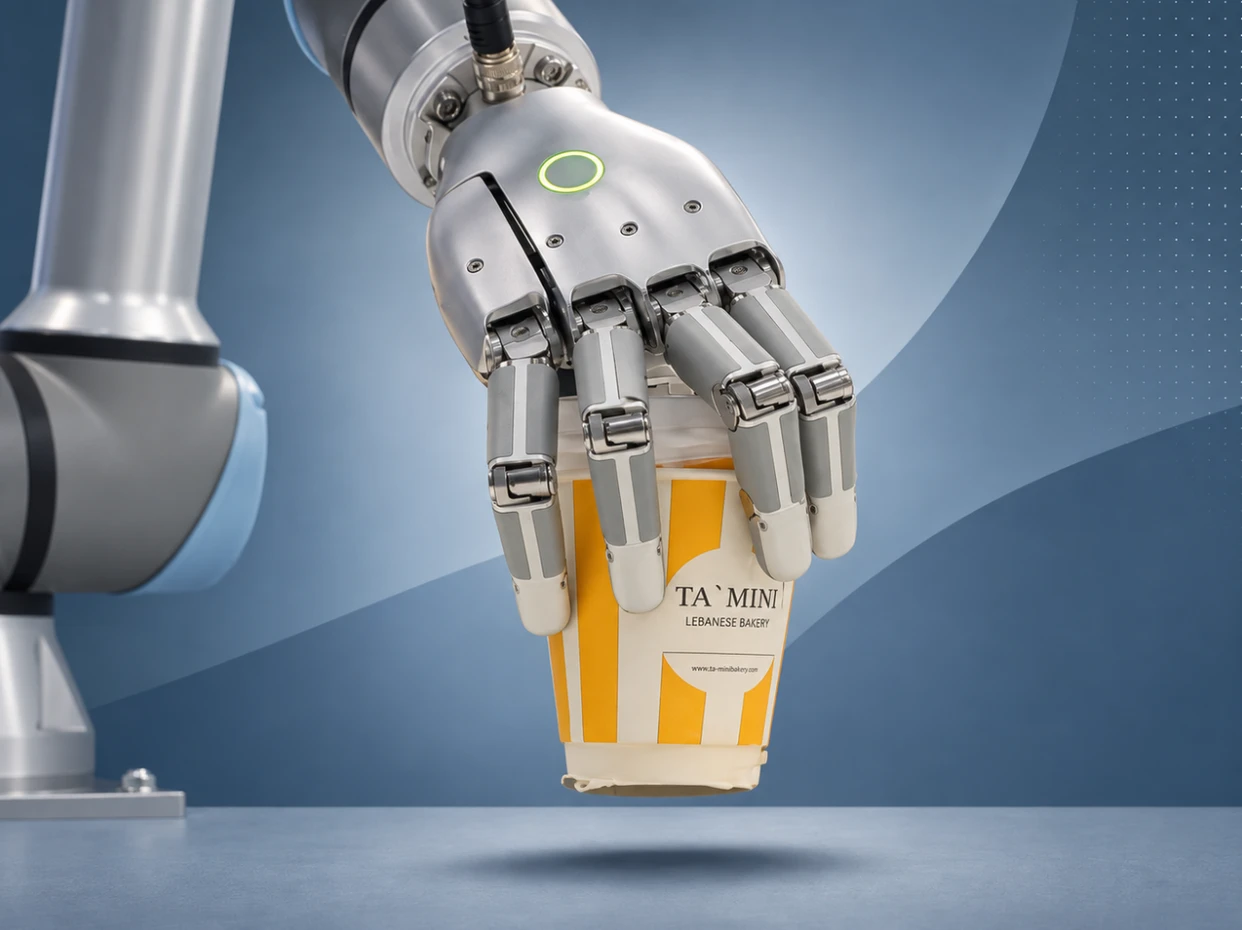
Imperial College Team Deploys Single World Model Across Unseen Dexterous Hands
Imperial College London’s DexLab introduces DexLatentWorld, a 3D world model that transfers human demonstration data to unseen multi-fingered robot hands without hardware-specific fine-tuning, achieving an 86% success rate across five real-robot manipulation tasks.

SADL Author Junhan Sun on Tracing the Origin of Representation Collapse in JEPA World Models
Researchers from Zhejiang University and Tsinghua University have introduced SADL, a training method that prevents representation collapse in Joint-Embedding Predictive Architecture (JEPA) world models by applying constraints directly to the visual encoder. The approach significantly improves multi-task training stability and control success rates in robotic simulations.
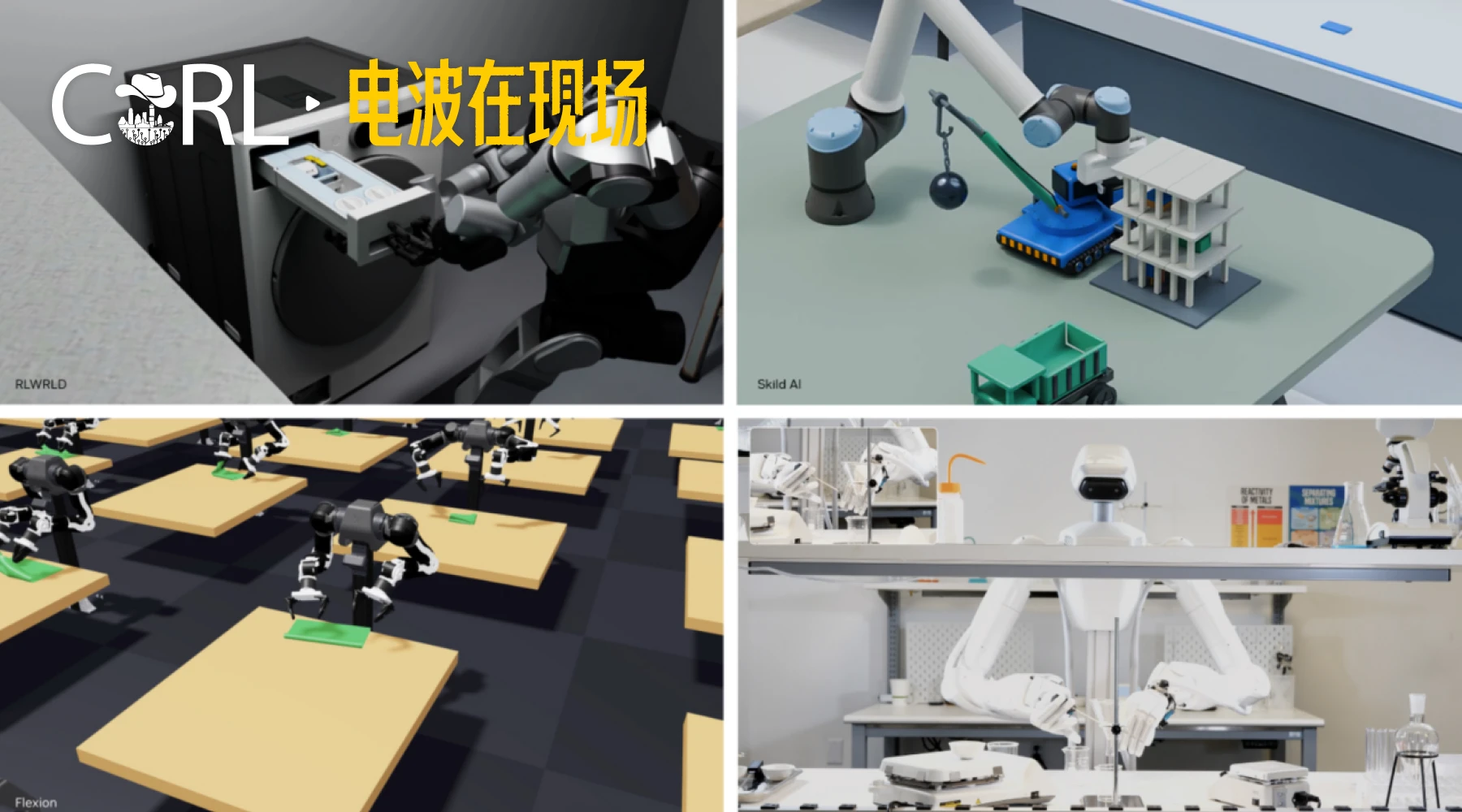
DreamZero's First Author Reflects on a Year of World Action Models
On November 9, NVIDIA released GR00T 2 at the CoRL conference in Austin. In a published test suite, a bimanual robot achieved a 40% average success rate on 50 tasks with no prior demonstrations for the target robot using only its pre-trained capabilities; adding five demonstrations per task for fine-tuning increased the success rate to 95%.
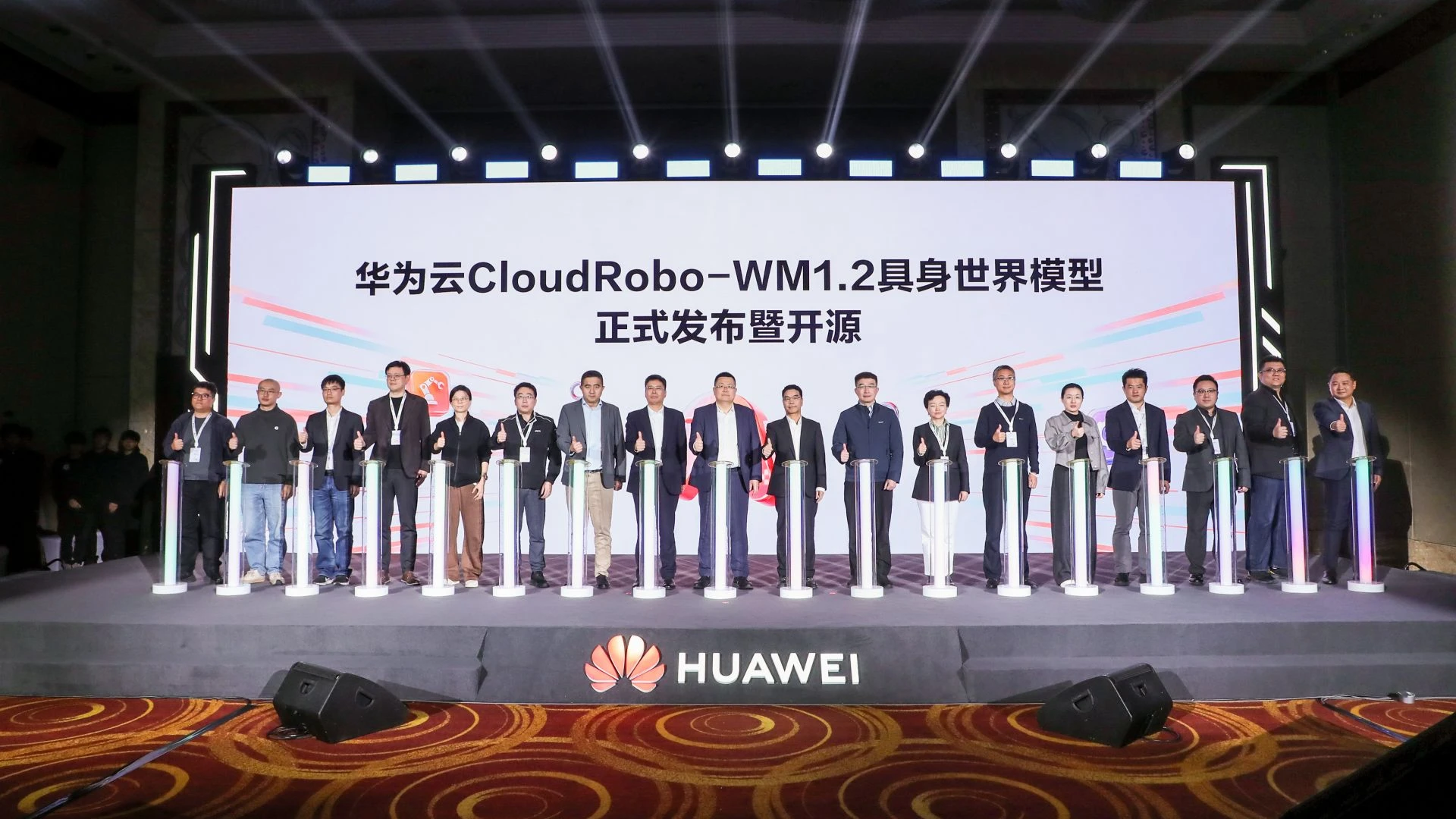
Huawei Cloud Open-Sources CloudRobo-WM1.2 Embodied World Model
Huawei Cloud President of Embodied Product Line Wu Xiaodong unveiled CloudRobo-WM1.2, the company's first Ascend-native embodied world model, and open-sourced its weights, inference, and code. Huawei Cloud states the model ranks first on the RoboTwin 2.0 and LiberoPro 2.0 benchmarks.
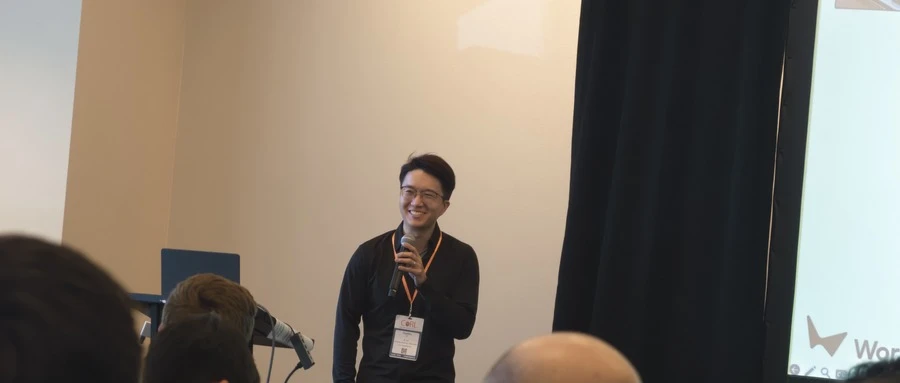
Yunzhu Li: World Models Must Be Controllable to Train and Evaluate Robots | CoRL 2026
At the "Do Robots Need World Models?" workshop at CoRL 2026 on November 12, Columbia University's Yunzhu Li argued that world models must be highly controllable to serve as scalable data sources for robot training and policy evaluation.

Do Robots Need World Models? Live Vote Reverses After Finn and Max Li Debate at CoRL 2026
At noon on November 12, 2026, the 'Do Robots Need World Models?' workshop at the Conference on Robot Learning (CoRL) concluded its final debate session in the Brazos room of the JW Marriott in Austin.

Chelsea Finn: End-to-End Policies Can Handle Long-Horizon Tasks Without Explicit World Models
At the CoRL 2026 workshop 'Do Robots Need World Models?' in Austin on November 12, Chelsea Finn presented research showing that end-to-end policies equipped with implicit supervision, multi-scale memory, and detailed multimodal prompting can manage long-horizon tasks without building explicit world models.
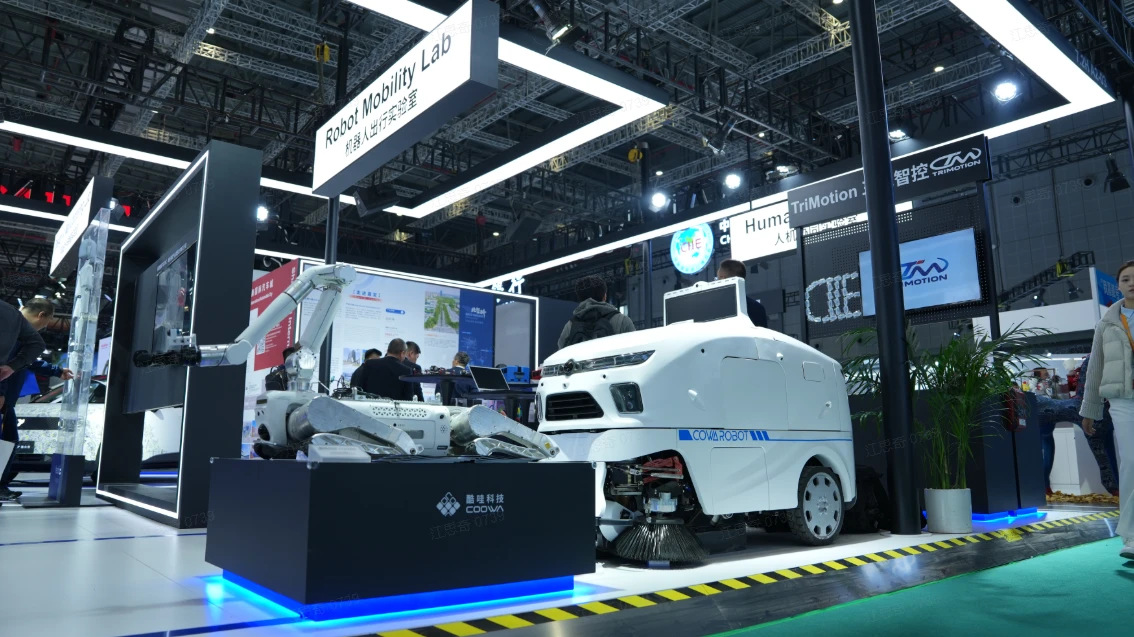
Coowam Debuts at CIIE With Edge-Deployed World Models for Multi-Form Robots
At the 9th China International Import Expo on November 6, Coowam made its debut by showcasing the D0 heavy-duty quadruped and X1 urban service robots. Both machines run on the company's proprietary COOWAM dual-layer agent world model, demonstrating its approach to driving diverse robot form factors with edge-deployed world models.
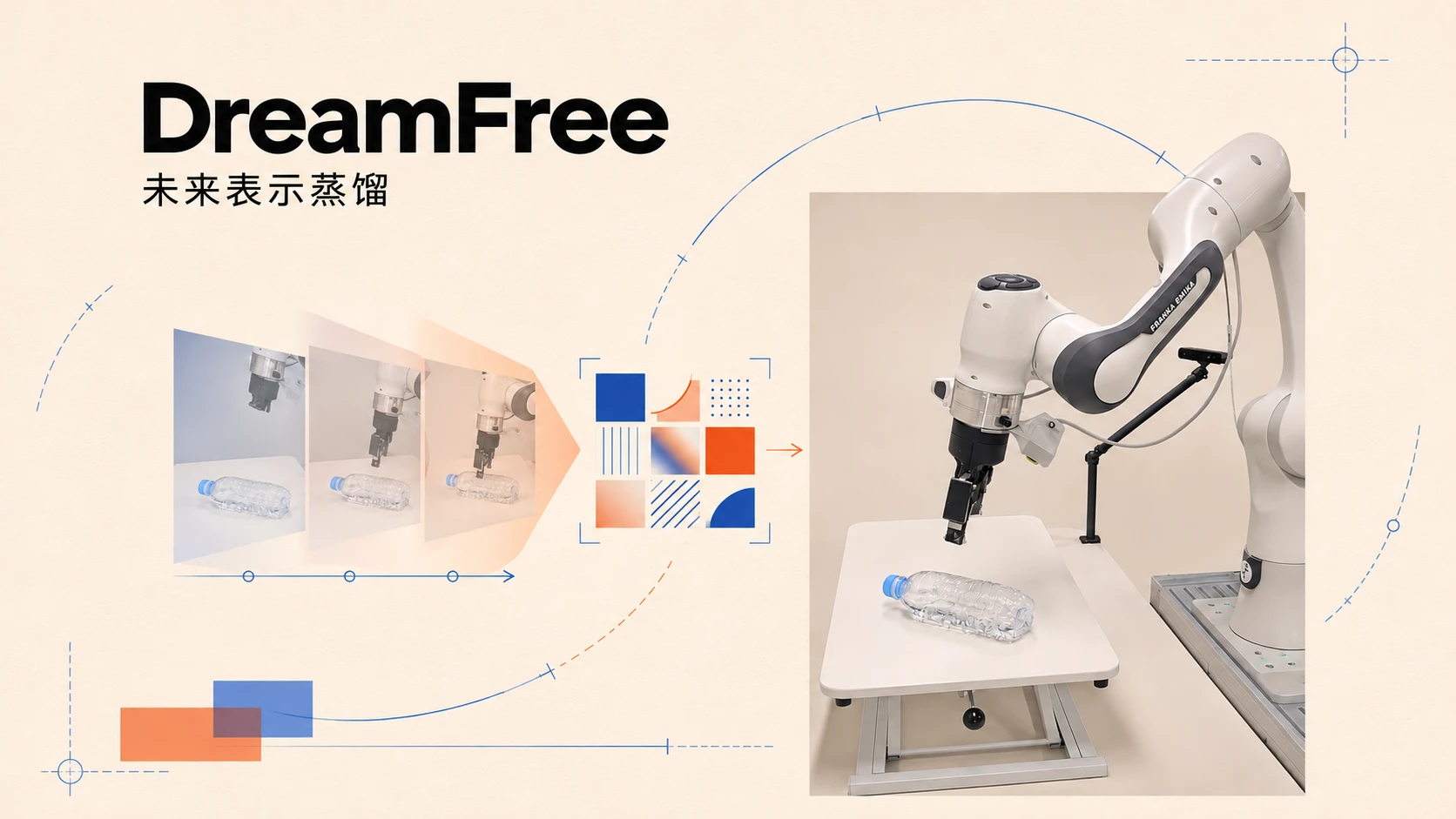
DreamFree Distills Future Representations for Imagination-Free Robot Control
KAIST researchers introduce DreamFree, a world-action model that distills predictive capabilities from a video diffusion model into a visual encoder. This enables robots to output actions from a single current frame, bypassing the computationally expensive step of generating future video sequences during deployment.

Qiyuan Embodied Research Center Unveils PrimeSim, Exploring Video Generation Models for Robot Simulation
On November 4, Qiyuan Embodied Research Center released PrimeSim, a world model simulator for robot manipulation policy training built on a pretrained video generation model. The team plans to open-source the model weights, inference code, and training code on November 6.
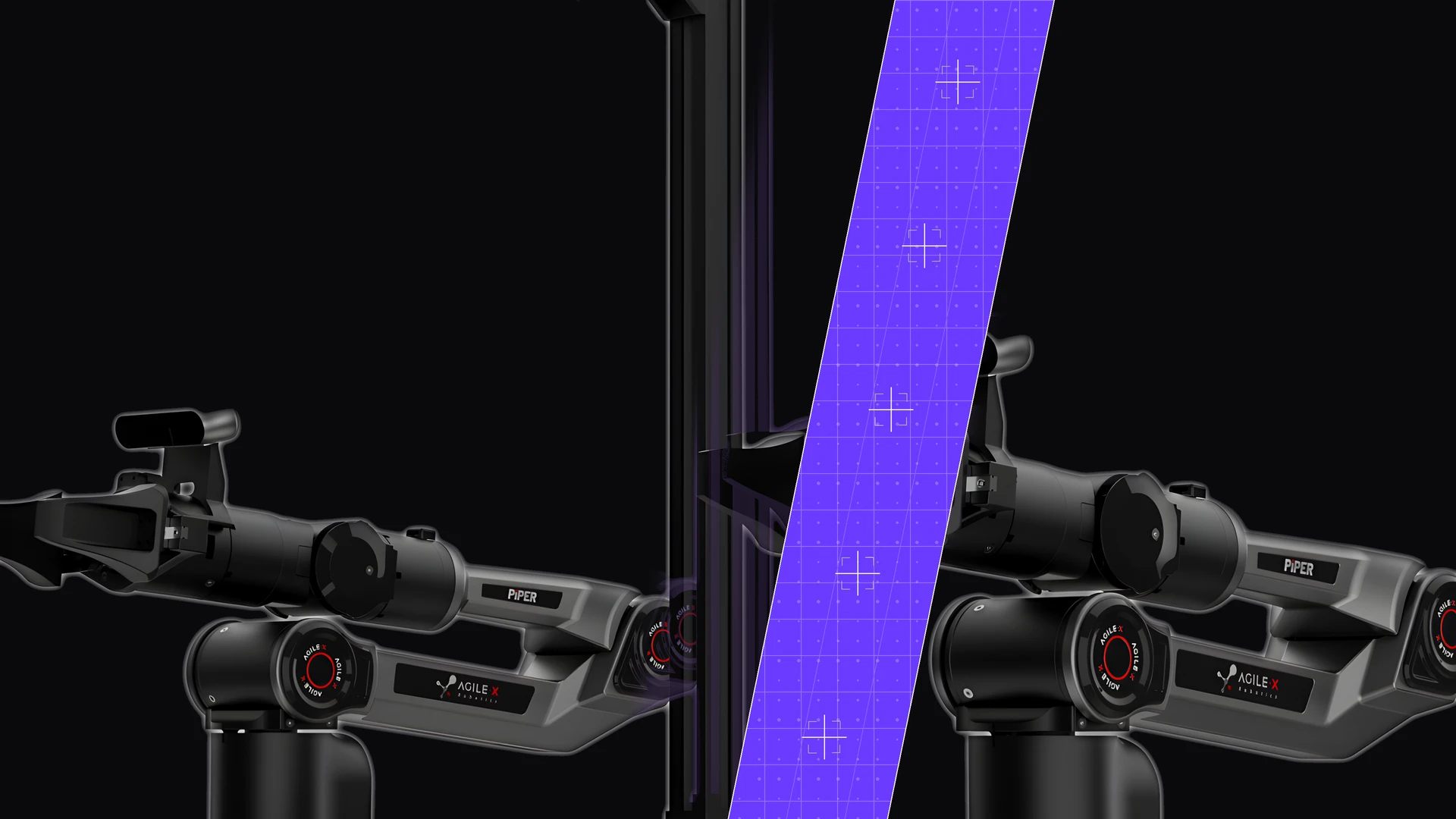
Tsinghua University Researchers Propose Utility-WAM for On-Demand Future Video Generation in Robot Action Planning
Predicting future video frames for action planning offers dynamic foresight for long-horizon tasks in embodied AI, but the mixed effects on action outputs yield negligible net gains in average success rates while incurring full computational costs.

Shanghai Jiao Tong University and Partners Introduce UniFlowWAM, Elevating 3D Scene Flow to a Core Modality
Shanghai Jiao Tong University, Shanghai Chuangzhi Academy, and Qianzhi Intelligent introduce UniFlowWAM. Over the past six months, research on world-action models has increasingly trended toward extracting physical signals into abstract modalities, feeding them into encoders to train embodied AI models.