

Tesla Begins Optimus Production; Musk Says Reaching 20,000 Units a Week Will Take at Least a Year
By Jiang Si Qi
Tesla's third-quarter 2026 shareholder letter confirms Optimus has entered early high-volume production at the Fremont factory, marking the first units to meet mass-production quality standards, though the company notes that hardware and manufacturing processes will continue to iterate as it approaches commercial readiness.
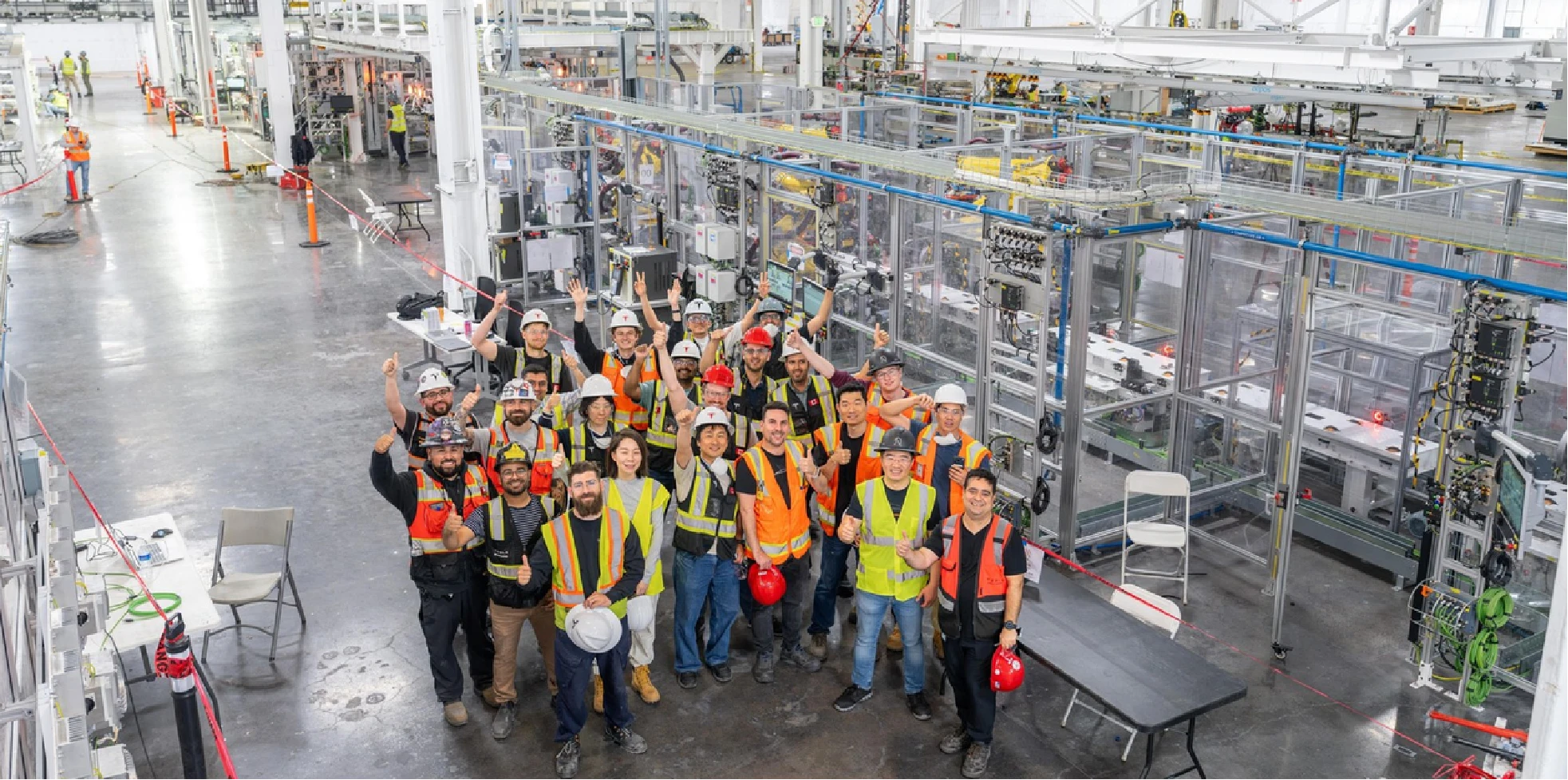
In the early hours of October 22, Beijing time, Tesla published its third-quarter 2026 shareholder letter. In the robotics section, Tesla included only three sentences: Optimus has started production on the high-volume manufacturing line in Fremont. These newly rolled-off units are Tesla's first robots to meet "mass production quality" standards. While hardware and manufacturing processes will continue to iterate, the current process already satisfies the basic requirements for a commercial product.
This is the first time Optimus has appeared in an earnings report with a status indicating that production has begun.
The capacity table in the shareholder letter lists it alongside the Model Y, Cybercab, and Megapack. The status for Optimus in California is listed as "early ramp," and for Texas as "under construction," with the capacity column left blank for both.

During the subsequent earnings call, Musk spent a significant amount of time tempering expectations around this milestone. He noted that while the production line is in place, it will still take approximately one year to achieve true mass production and begin external deliveries.
How far along the Fremont production line has actually progressed
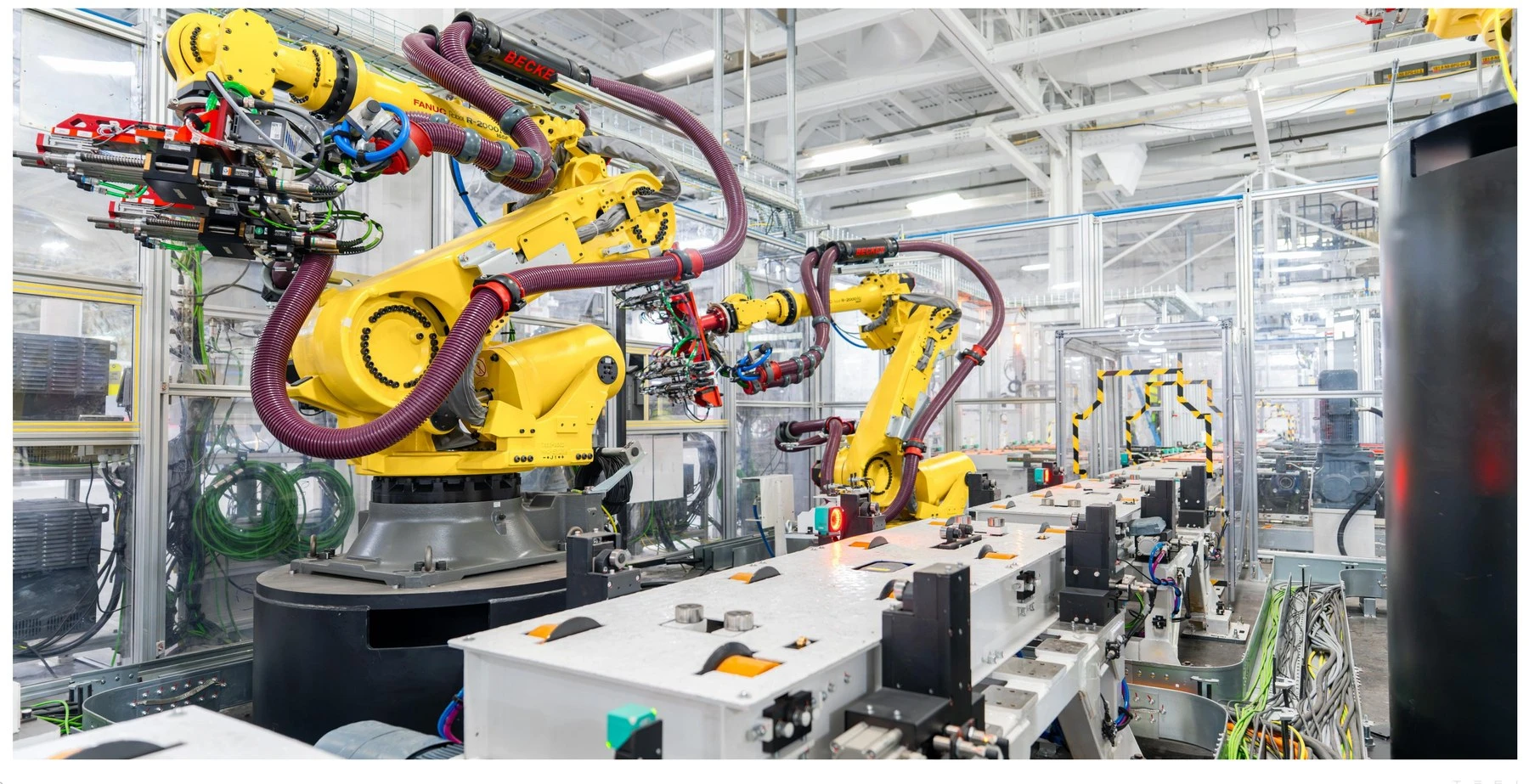
The Optimus production line in Fremont was converted from an automotive assembly line. During the first-quarter earnings call in April of this year, Musk confirmed that Model S and Model X production would cease in early May, freeing up factory space to build the Optimus line. The designed annual capacity is 1 million units, and he indicated that production would begin in late July or August.
At the time, he cautioned that Optimus comprises approximately 10,000 unique components and represents an entirely new production line, making it "almost impossible to predict this year's output." In the same first-quarter materials, a second, larger robot production line was planned for the Texas Gigafactory, with a long-term target of 10 million units.
These two figures correspond to two different generations of the product. On February 5 of this year, Musk stated on the Dwarkesh Patel podcast that the third-generation Optimus is suited for an annual production scale of 1 million units, whereas reaching 10 million units would require a fourth generation. He has consistently held high expectations for this business. In the same podcast, he described Optimus as an "infinite money printing glitch," reasoning that Optimus can be used to build more Optimus units. On October 18, he replied to a user on X, stating, "Optimus and Cybercab will make up the vast majority of Tesla's value."
Half a year later, during the third-quarter earnings call, Musk provided an update on the progress: "We have started what I call early production on the high-volume manufacturing line in Fremont." He added that a production line capable of an annual output of one million units is "mostly" in place in Fremont, but reaching the corresponding annualized rate of 20,000 units per week "will probably take at least a year, maybe a little longer."
Why so slow? Musk explained that Optimus growth follows an S-curve, but the initial stage has a "very flat slope and will be a bit bumpy" because it is an entirely new product. "There are probably 10,000 things that have to be right, and the overall speed depends on the slowest, most unlucky of those 10,000 things," he said. He noted that many people ask why they cannot just build a large batch and ship it out immediately. "The answer is you can't. You have to build an entire massive global supply chain, have a very large factory domestically, and make sure every single link in the chain works," he added.
From a financial perspective, this production line currently generates only expenses. Chief Financial Officer Vaibhav Taneja stated on the call that the increase in third-quarter operating expenses was primarily driven by R&D, including pre-volume ramp costs for new products like Optimus, Megapack 3, and Semi. He noted this trend will continue until these products are commercialized, and capital expenditures over the next few years will also continue to rise due to projects like expanding Optimus capacity. The shareholder letter showed that Tesla's R&D expenses in the third quarter were USD 2.761 billion, compared to USD 1.63 billion in the same period last year. When asked about the per-unit cost, Taneja said internal cost tracking is "pretty good," but the design is still undergoing frequent iterations, so it is "too early" to say it has met the target. From a cost perspective, it is approaching the final cost level of the Cybercab. He also mentioned that Tesla has already broken ground on another robot factory in Austin, which will have a much higher output than Fremont.
What isn't finalized is the hand, and what isn't in place is the "brain"
The production line is already running, but the design is still being modified.
A Deutsche Bank analyst pressed during the call on where the remaining design changes are concentrated, asking if it is still the hands. Musk asked Constantinos, an engineer on the Optimus team, to answer. Constantinos said the hands are one of the most challenging parts of the hardware. Most of the robot's electromechanical systems have converged on a "pretty good" solution, but from an electromechanical perspective, the hands are much more complex than the actuators used for leg movement. Additionally, some custom gears that bear significant energy consumption and reliability stresses are still under development.
Musk added that the remaining work is mostly on the hands, especially the fine-tuning of the fingers. He explained that human hands can self-repair; fingers are soft and the skin is filled with sensors, whereas robots cannot self-repair. "It is very hard to make a hand that can withstand a lot of wear and tear, is soft enough to pick up fragile items, has a full suite of sensors, and can perform repetitive motions without damaging those sensors," he said.
Regarding the difficulty of the hands, Musk was even more direct on the same episode of the Dwarkesh podcast: there are only three truly hard things about humanoid robots—real-world intelligence, hands, and scalable manufacturing—and "from an electromechanical perspective, the hands are harder than all the other parts combined."
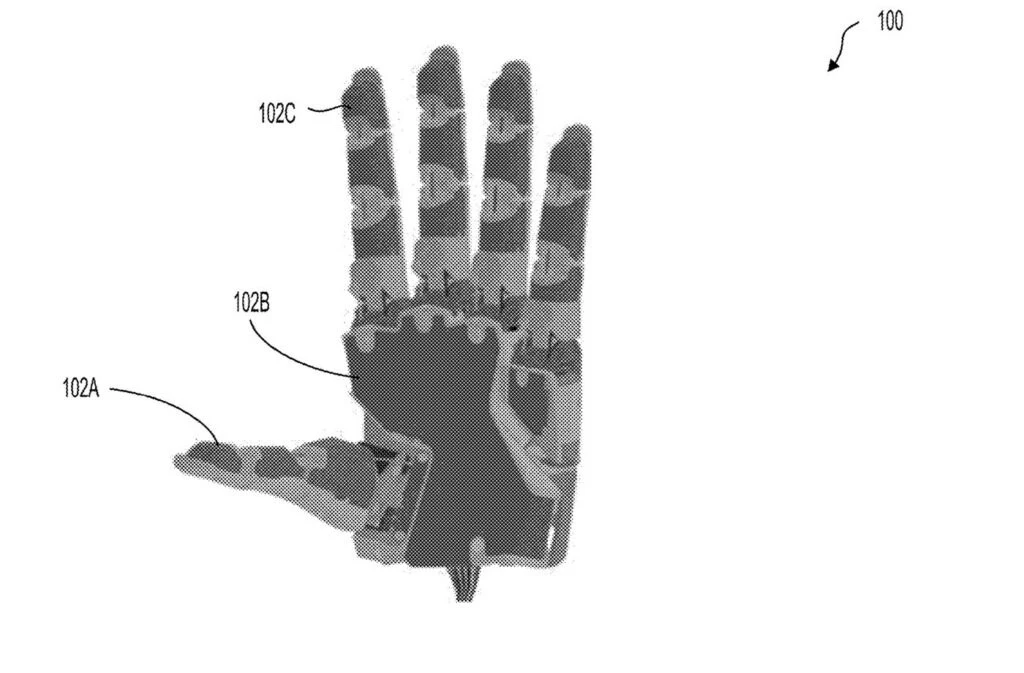
Two Tesla patents published in April this year also reveal the design philosophy behind this hand: actuators are housed in the forearm, driving the fingers via tendon cables routed through the wrist, with each finger featuring four degrees of freedom.
On October 8, the U.S. Patent and Trademark Office published another Tesla patent application for a tactile sensor. It describes a flexible array sensor that conforms to the contours of fingers and palms to measure contact forces and pressure, potentially serving as the tactile "skin" for humanoid robots. The application does not explicitly name Optimus, and Tesla has not indicated whether it will be used on mass-produced robots.
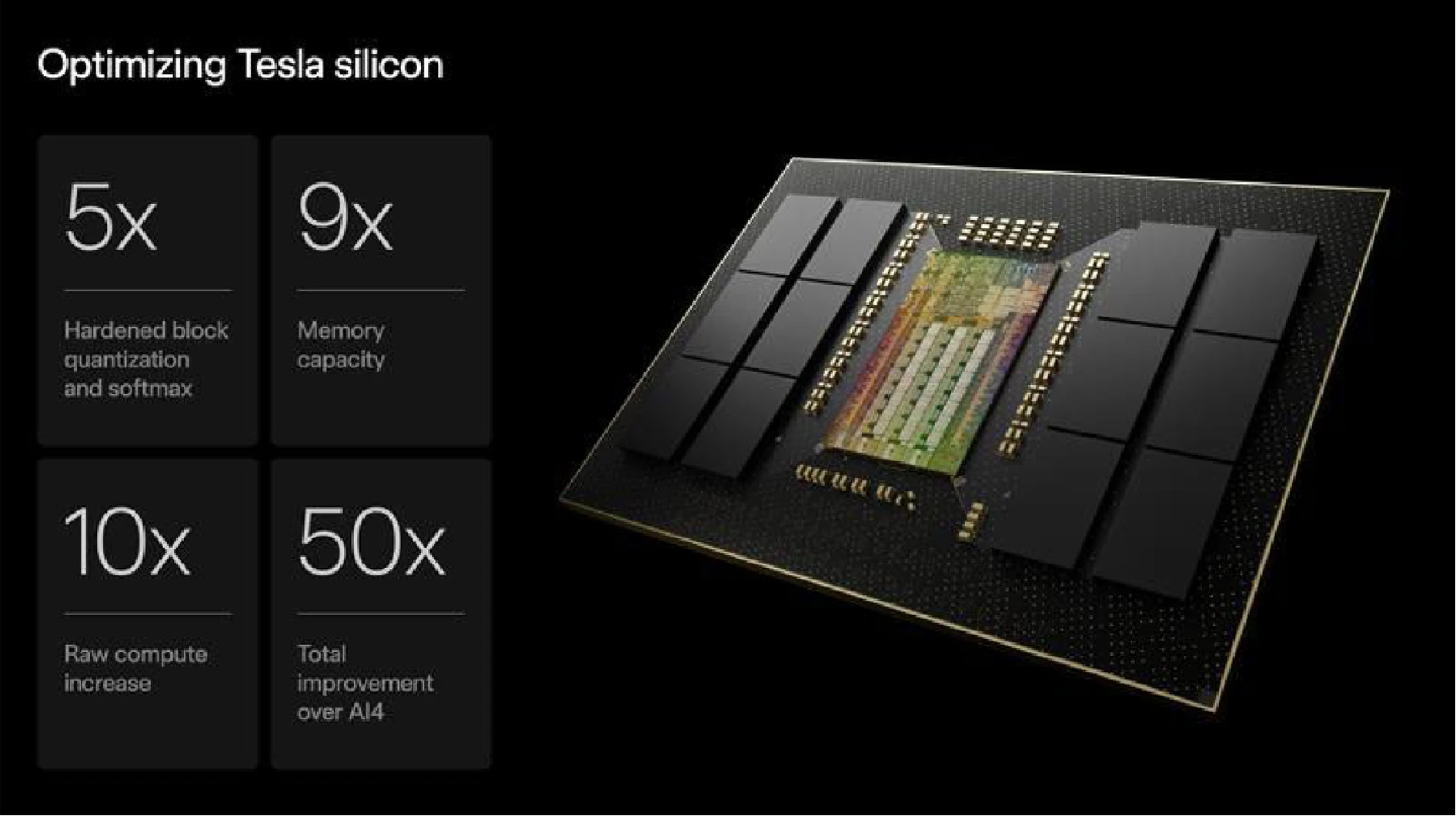
Beyond the hand, the other bottleneck Musk highlighted during the earnings call is onboard compute. He stated that the next major milestone is integrating Tesla's in-house AI5 chip into Optimus, which, "if everything goes according to plan," should happen around April next year. The AI5 chip offers an order of magnitude more compute than the AI4. This is critical for Optimus because humanoid robots must manage far more degrees of freedom than cars; as Musk noted, "cramming everything in to control all of Optimus's degrees of freedom and various tasks is a bit of a stretch right now." To ensure sufficient AI5 supply for Optimus, Musk revealed on X on October 1 that Tesla has halved the AI5's memory to 72 GB of LPDDR5, a change he believes will have a negligible impact on Optimus's performance.
How robots learn to work: build them first, then let them 'play'
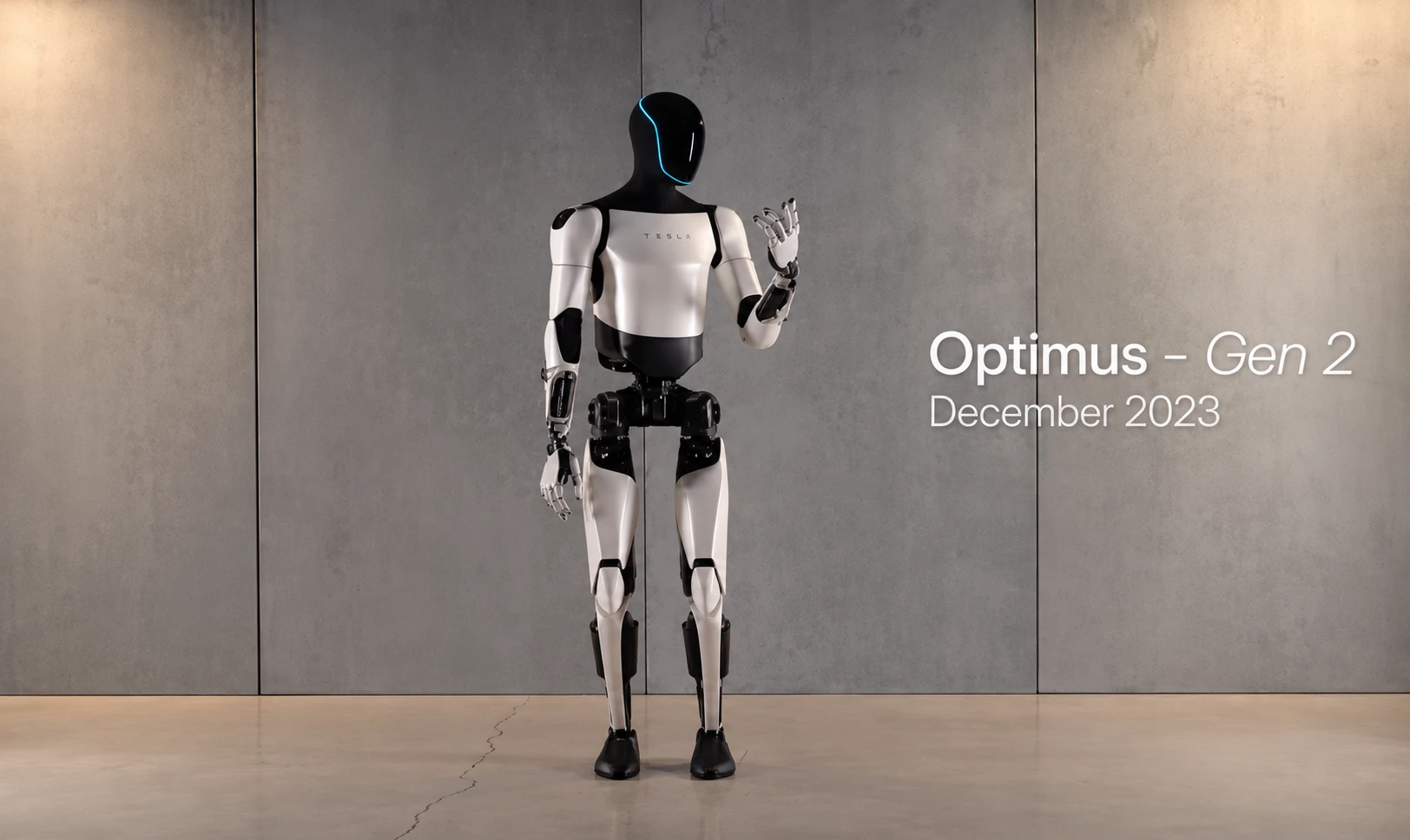
Training data represents the most significant difference between Optimus and Tesla vehicles. During the earnings call, a shareholder asked whether data is currently the primary bottleneck for Optimus. Musk responded that crowdsourced data is not the issue and that there is still much to get right in the AI architecture. More importantly, while Tesla has a massive fleet of cars continuously streaming data back, Optimus does not. "To get the training data we need, we first have to build a lot of Optimus, roughly 10,000 to 20,000 units, and then let them spar with each other," he said.
To achieve this, Tesla is building an "Optimus Academy" where robots can practice various tasks and feed the resulting data back into the model to create a flywheel effect. Ashok Elluswamy, Tesla's Vice President of AI Software, added that Optimus first undergoes foundational training by watching humans perform tasks, followed by extensive self-sparring in both simulation and the real world to learn on its own physical body. "We are already very close to getting very good results within this large closed loop," he said. During a February podcast with Dwarkesh, Musk provided more specific scale estimates: at least 10,000, and perhaps 20,000 to 30,000 robots, will be sparring and testing different tasks at the academy.
This also explains why production is starting before the hand design is finalized. When an Oppenheimer analyst asked if they could scale up production first for training purposes, Musk replied that this is exactly what Tesla is doing. "We are building robots with imperfect hands," he said, noting that training, supply chain, production line, and design adjustments are all advancing simultaneously.
As for what the public can expect to see, Musk mentioned that a new Optimus video might be released in about "a month or two." He emphasized that the focus is on the robot performing "non-preprogrammed" actions. "Many humanoid robot demos look very impressive, but they actually use preprogrammed, deterministic movements, which would be very difficult to deploy in the real world," he noted.
Combining the workstreams for grippers, durability, AI software, and AI5, Elon Musk provided the following timeline: these issues are expected to be resolved around the end of next year. That is also when Optimus will begin deliveries to companies outside Tesla, with production approaching commercial scale. He said, "I am very confident that Optimus will be the biggest product on Earth," but also "want to temper expectations; we have a lot of things to get through, probably about another year."
Regarding the target for the first batch of customers, Musk specified industrial settings: tasks that are dangerous, repetitive, undesirable, require 24/7 operation, or are prone to causing repetitive strain injuries. Only as production scales up will the focus shift to consumer products that households can buy.
Orders first, mass production follows design
On the Dwarkesh podcast, Musk noted that there is no off-the-shelf supply chain for humanoid robots. Optimus's actuators, electronics, and other components are all custom-built from physical first principles, meaning "nothing can be picked from a catalog." This also causes the initial pace of its S-curve growth to be slower than that of products with mature supporting ecosystems.
Ahead of Tesla's official production announcement, supply chain integration had already commenced and undergone multiple rounds of adjustments.
According to a July report by LatePost, which cited multiple sources within the Tesla supply chain, Tesla had periodically slowed down its component procurement. From the fourth quarter of last year until the time of publication, the monthly procurement of parts could only support the assembly of approximately 50 robots.
It was not until late June, when the new version of Optimus passed an executive review chaired by Musk, that Tesla issued procurement guidelines. These required suppliers to ramp up capacity to 1,000 units per week by September, and to 2,000 to 2,500 units per week by year-end, while placing orders approximately two months in advance.
The same report also disclosed several design changes in the third-generation Optimus: some actuators in the waist, hands, and neck were adjusted to increase the degrees of freedom, utilizing more lightweight materials and thinner, longer ball screws. The tendon-driven dexterous hands were equipped with tactile sensors and gloves. The body features a total of 38 degrees of freedom (22 rotational joints and 16 linear joints), with 22 degrees of freedom per hand.
A participating supplier estimates that the volume of key actuators is approximately 10% smaller than that of the previous generation. Multiple supply chain personnel highlighted the lengthy R&D cycle, noting, "The lead screws for the robot hands were modified for nearly four years before the design was finalized, and the wiring inside the motors all had to be redone."
By September, supply chain activities became more concrete. According to the 21st Century Business Herald, a Tesla team arrived in Ningbo on September 16 and launched a new round of mass production factory audits for its robotics business the following day. This audit cycle will directly drive Optimus mass production, and Tesla has already issued relevant orders to supply chain companies. On the day the news broke, Joyson Electronics hit the daily price limit, while Tuopu Group and Sanhua Intelligent Controls rose 4.36% and 2.70%, respectively.
The latest signal from the lead screw segment comes from a listed company's regulatory filing. On the evening of October 12, in its response to an inquiry regarding its ChiNext listing, Xinjian Transmission stated that it believes the hardware design for Optimus V3 has been largely frozen and finalized. For linear joint actuators, particularly in heavy-load scenarios, planetary roller screws are primarily used as the core transmission components. The company also disclosed that "Company A" has placed mass production orders with it for humanoid robot lead screw products, with order volumes set to increase gradually as mass production ramps up. The response further noted that a small number of Optimus units are currently operating internally at the Fremont factory, primarily for AI training and data collection.
Supplier attitudes toward these orders are mixed. According to a report by LatePost, some supply chain insiders remain cautious: "You can't say Tesla is preparing to build this many robots; you can only say Tesla is preparing to buy this many parts." Meanwhile, Tesla did not explain during the conference call how Musk's stated ramp-up timeline of "at least one year" aligns with the previously rumored supply chain target of producing several thousand units per week by the end of the year.