


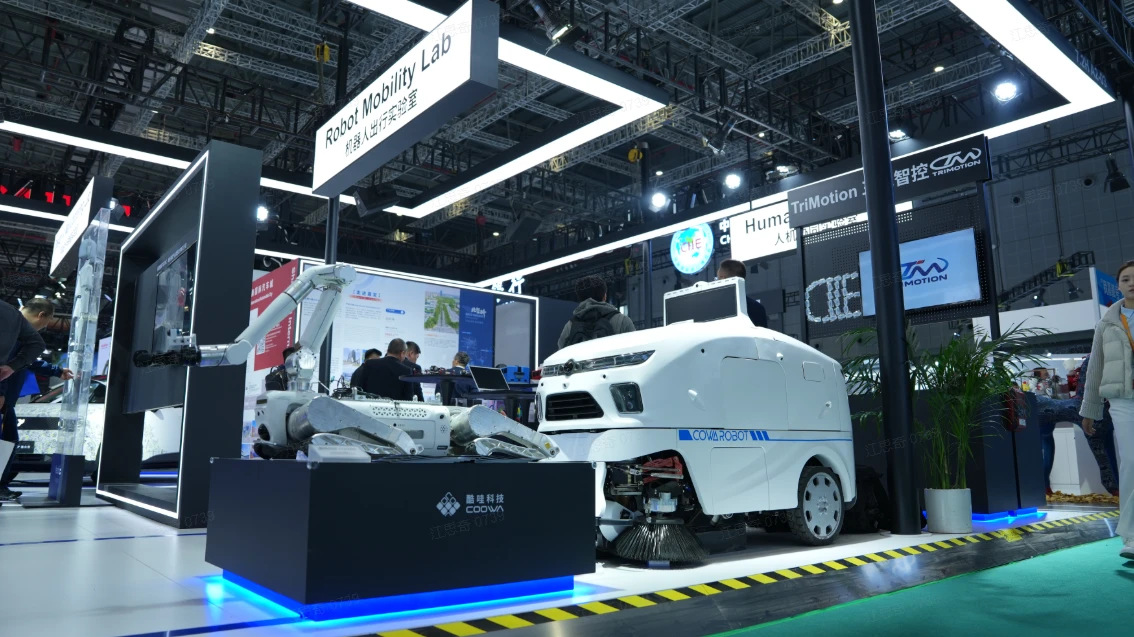
Coowam Debuts at CIIE With Edge-Deployed World Models for Multi-Form Robots
At the 9th China International Import Expo on November 6, Coowam made its debut by showcasing the D0 heavy-duty quadruped and X1 urban service robots. Both machines run on the company's proprietary COOWAM dual-layer agent world model, demonstrating its approach to driving diverse robot form factors with edge-deployed world models.

MoWorld 2.0 Advances Chinese 4D World Model, Accelerating Deployment on Huawei Ascend
At the World Internet Conference on November 4, Moxin Technology founder and CEO Chen Tianrun, alongside representatives from the national AI application pilot bases for embodied AI, cultural tourism, and spatiotemporal geographic information, officially released MoWorld 2.0, a 4D world model natively built on Huawei Ascend.
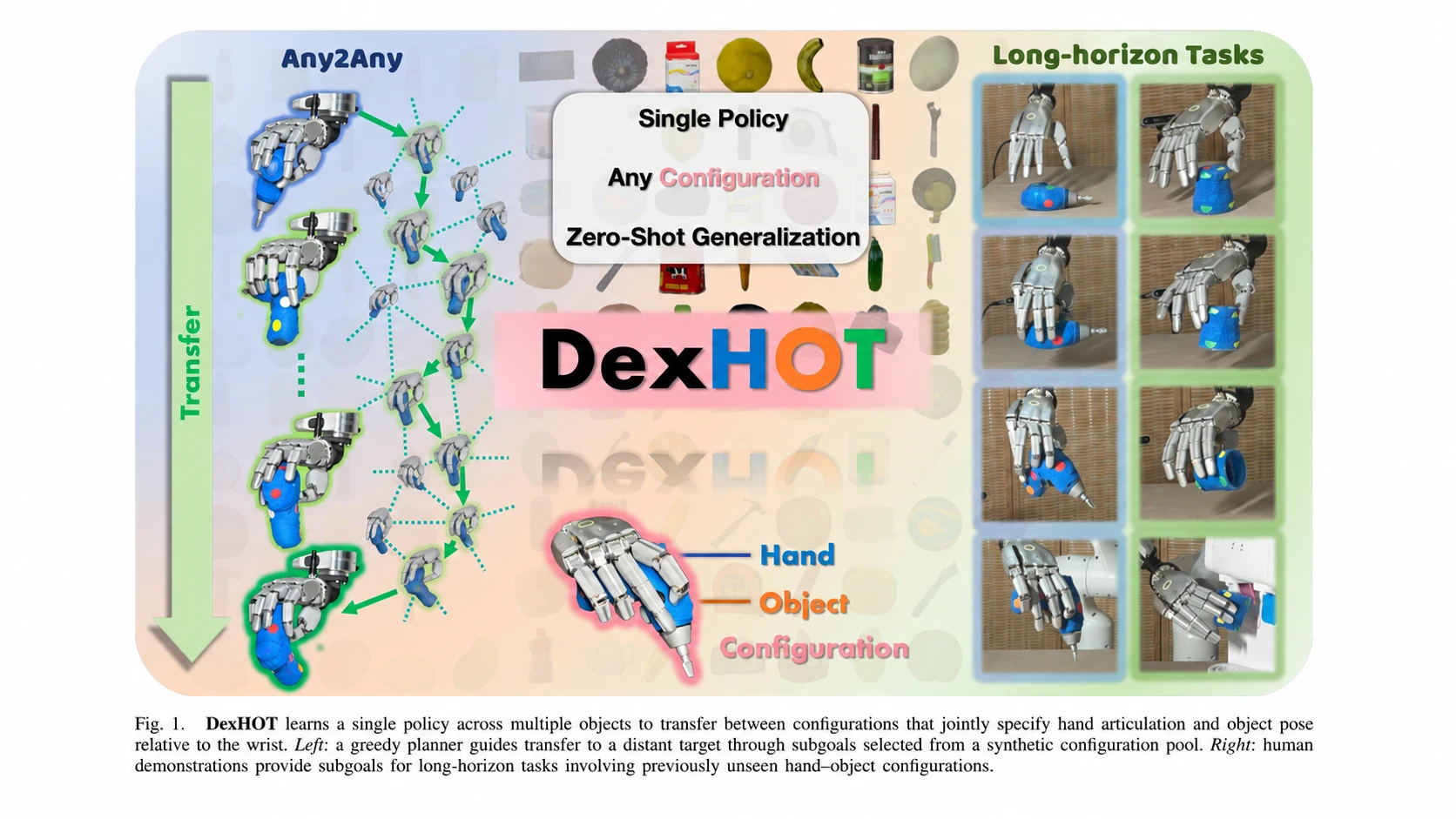
Peking University Team Succeeds in 27 of 30 Real-Robot Dexterous Task Tests by Optimizing Hand-Object Configurations
A joint team from Peking University, PrimeBot, and the Beijing Institute for General AI has introduced DexHOT, a framework that optimizes hand-object configurations rather than just object poses, achieving a 90% success rate in real-robot dexterous manipulation tasks.
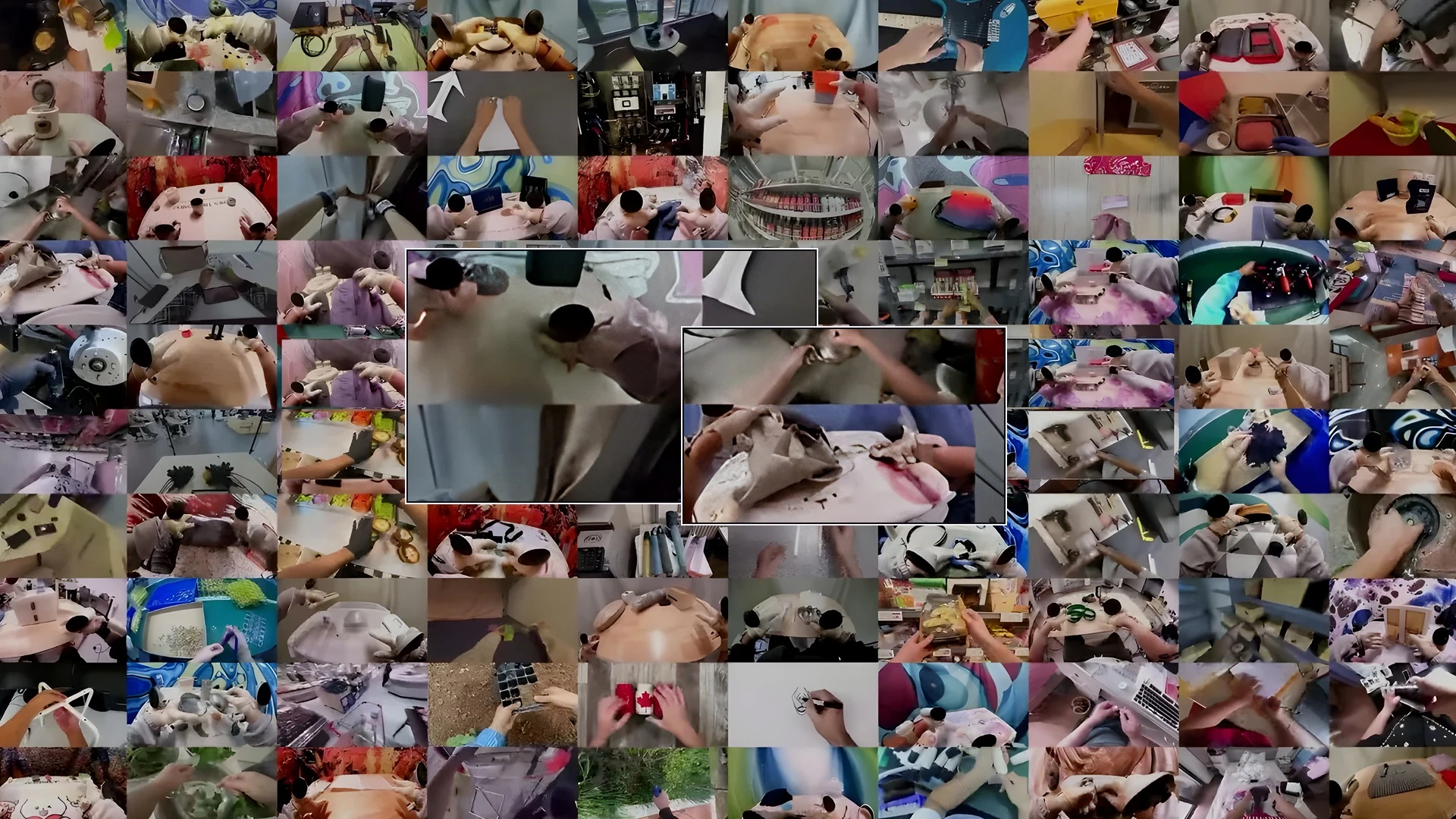
LiberAI Launches Liber-0 to Transfer Human Action Experience to Robots
On November 4, physical world model startup LiberAI released its world action model, Liber-0. The model was pretrained on more than 2.2 million hours of human experience data. The team evaluated its zero-shot performance on 60 manipulation tasks proposed by GPT-6, conducting 600 test rounds across three categories of 20 tasks each, with every task repeated 10 times.
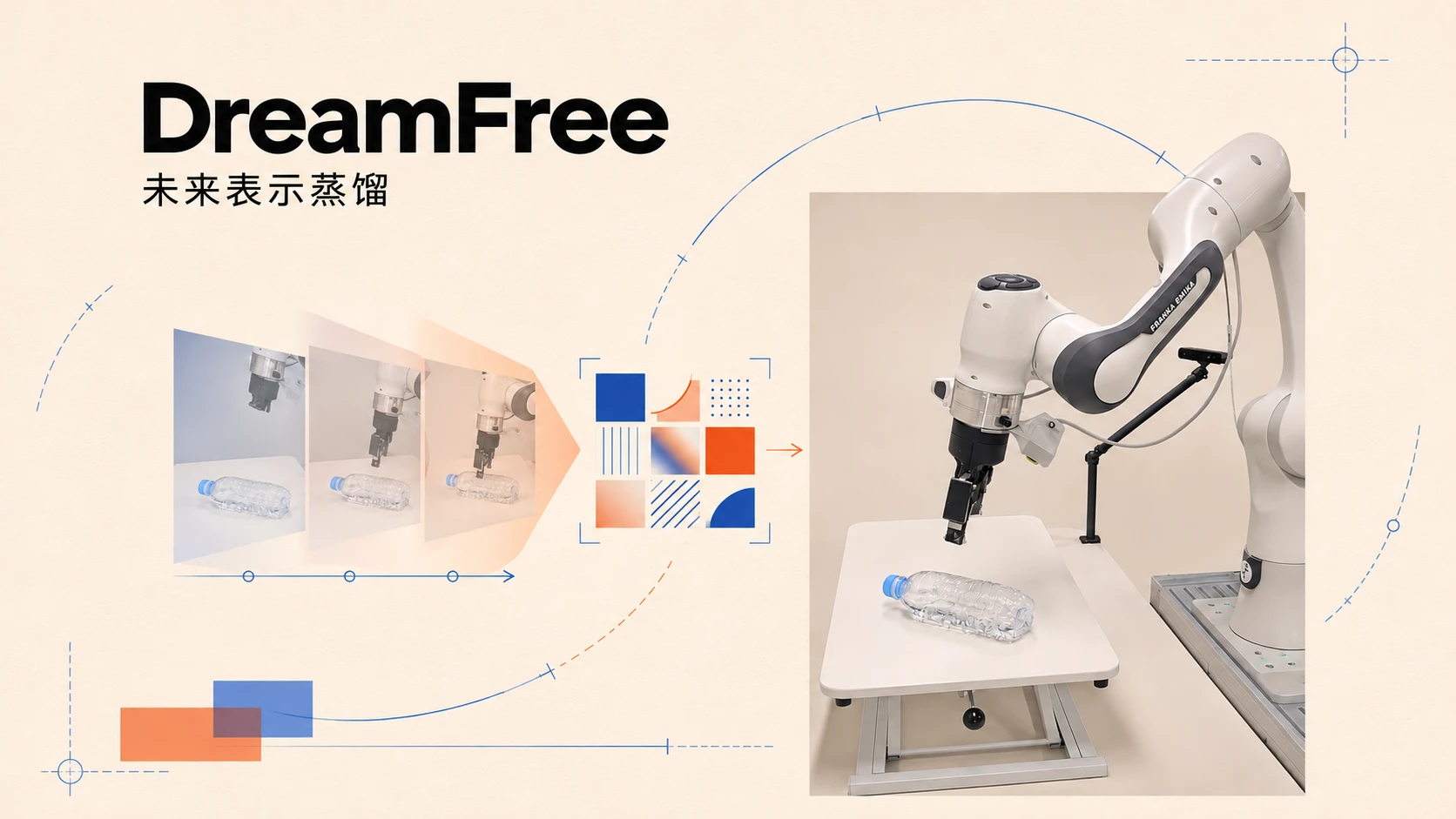
DreamFree Distills Future Representations for Imagination-Free Robot Control
KAIST researchers introduce DreamFree, a world-action model that distills predictive capabilities from a video diffusion model into a visual encoder. This enables robots to output actions from a single current frame, bypassing the computationally expensive step of generating future video sequences during deployment.
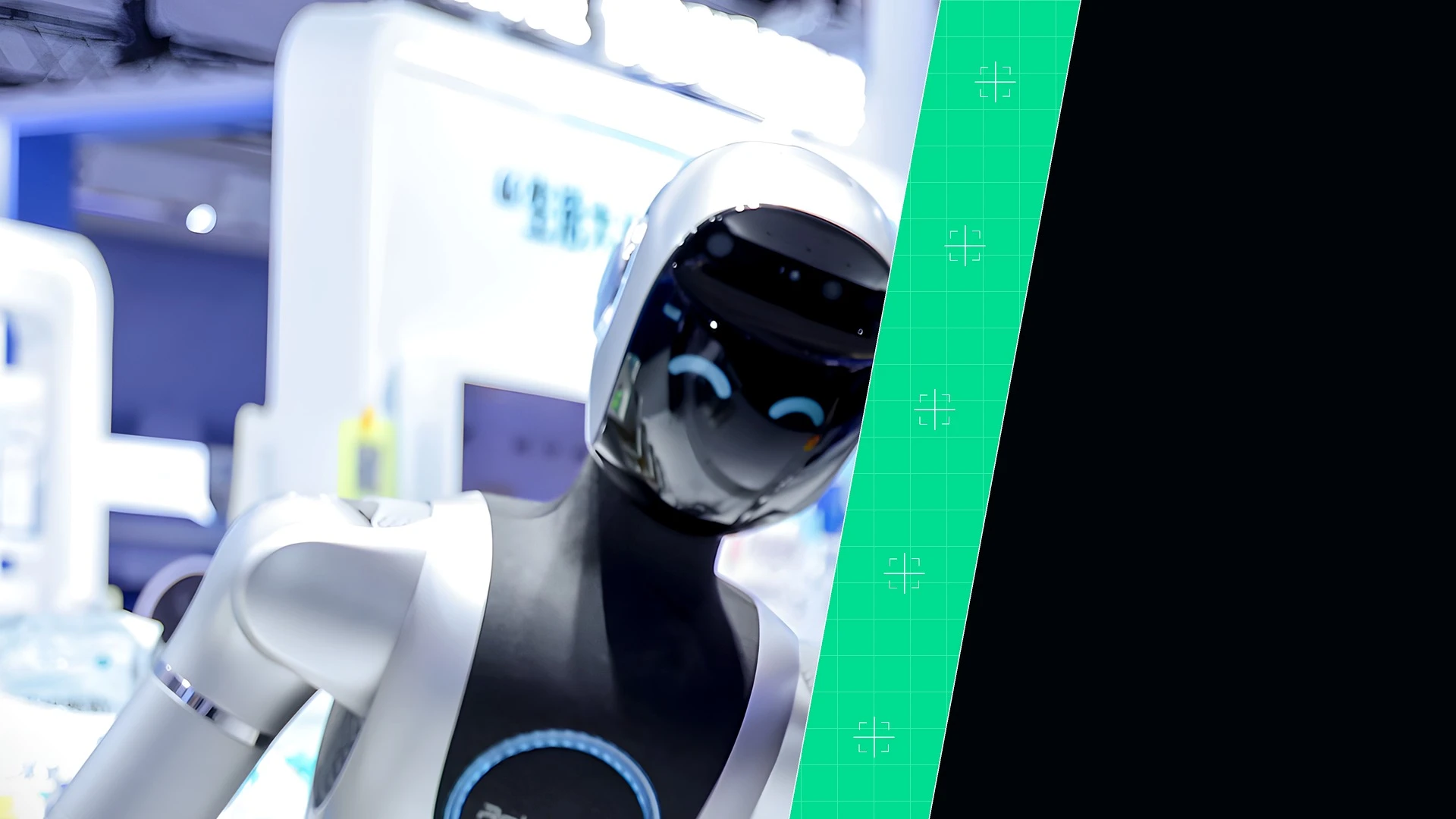
Ant Group’s LingBot Open-Source Robot Brain Surpasses 2.2 Million Downloads at Wuzhen Summit
At the 2026 World Internet Conference in Wuzhen, Ant Group’s embodied AI subsidiary LingBot showcased its fully open-source robot foundation models and a smart pharmacy deployment developed with Guoda Pharmacy.

Qiyuan Embodied Research Center Unveils PrimeSim, Exploring Video Generation Models for Robot Simulation
On November 4, Qiyuan Embodied Research Center released PrimeSim, a world model simulator for robot manipulation policy training built on a pretrained video generation model. The team plans to open-source the model weights, inference code, and training code on November 6.
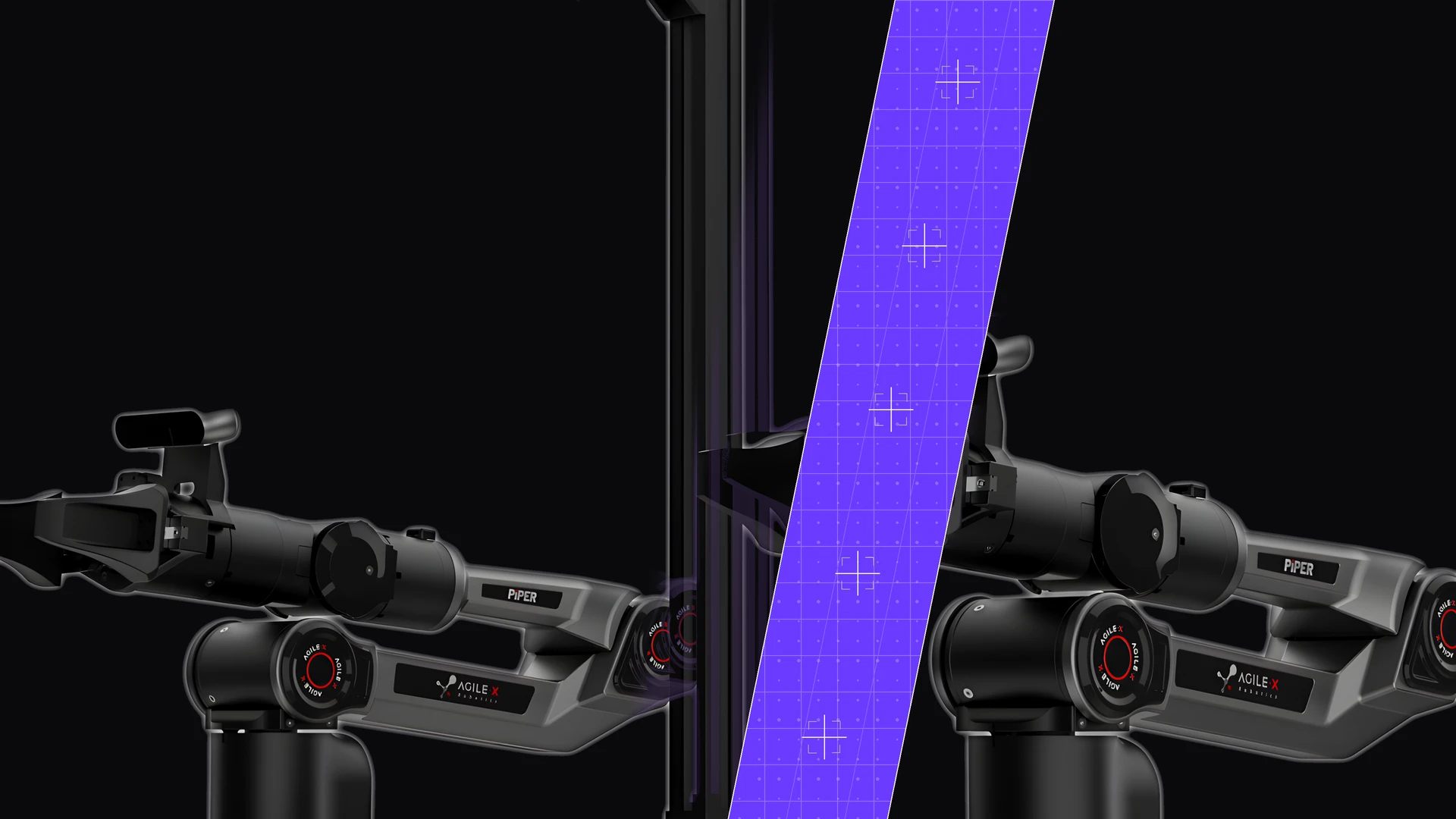
Tsinghua University Researchers Propose Utility-WAM for On-Demand Future Video Generation in Robot Action Planning
Predicting future video frames for action planning offers dynamic foresight for long-horizon tasks in embodied AI, but the mixed effects on action outputs yield negligible net gains in average success rates while incurring full computational costs.
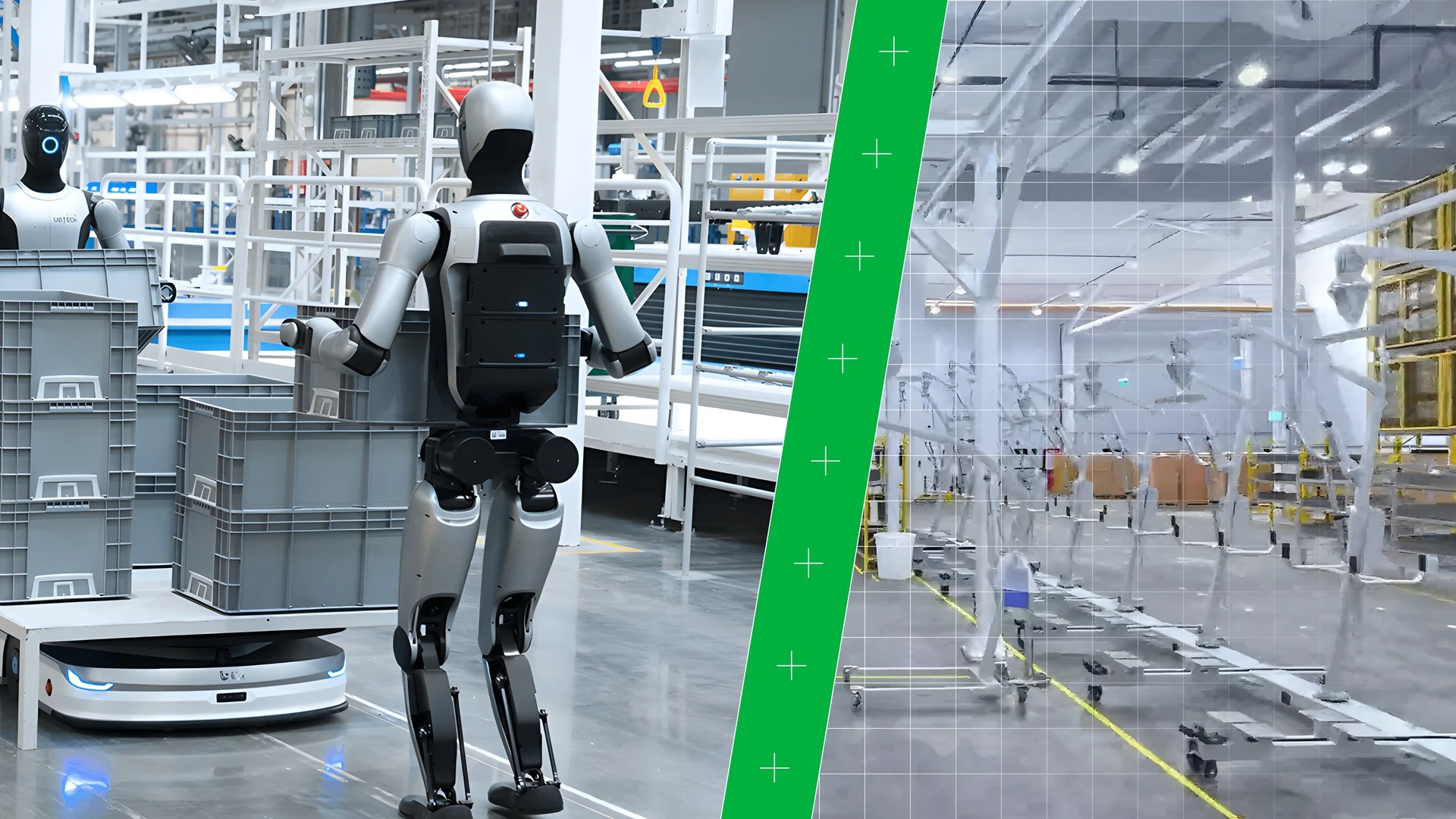
UBTECH Launches Thinker-Sim Platform for Embodied AI Simulation, Data Synthesis, and Evaluation
Unveiled on November 2, Thinker-Sim integrates real-to-sim-to-real scene digitization, large-scale data synthesis, and robot capability evaluation into a single system, with a single 8-GPU node synthesizing 390 hours of simulation data daily.
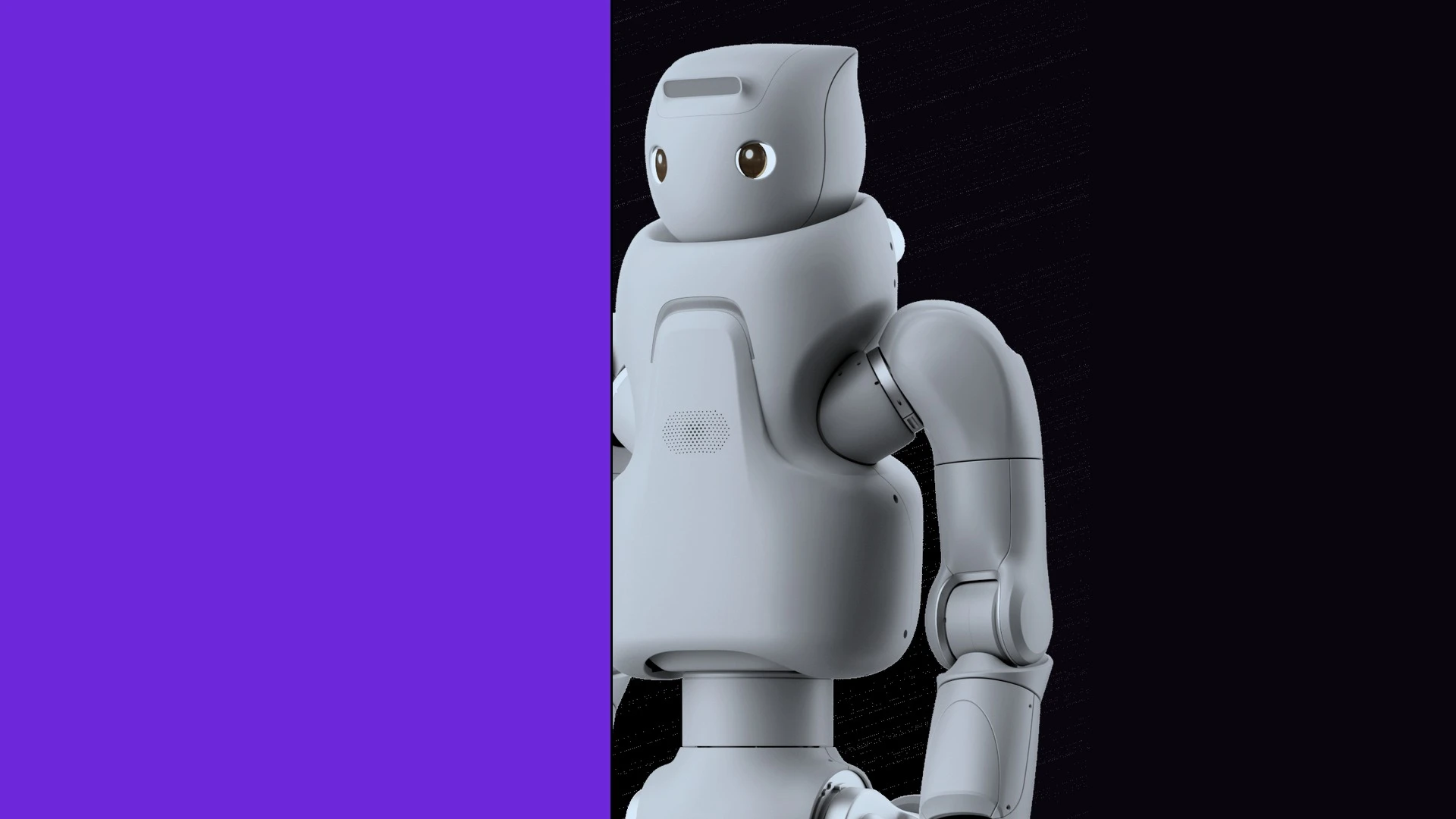
Meta and Fourier Develop Humanoid Robot Prototype Codenamed Max
According to The Information, Meta and Chinese robotics company Fourier have jointly developed a humanoid robot prototype codenamed Max, with development of a second-generation Max 2 underway since September 2026.
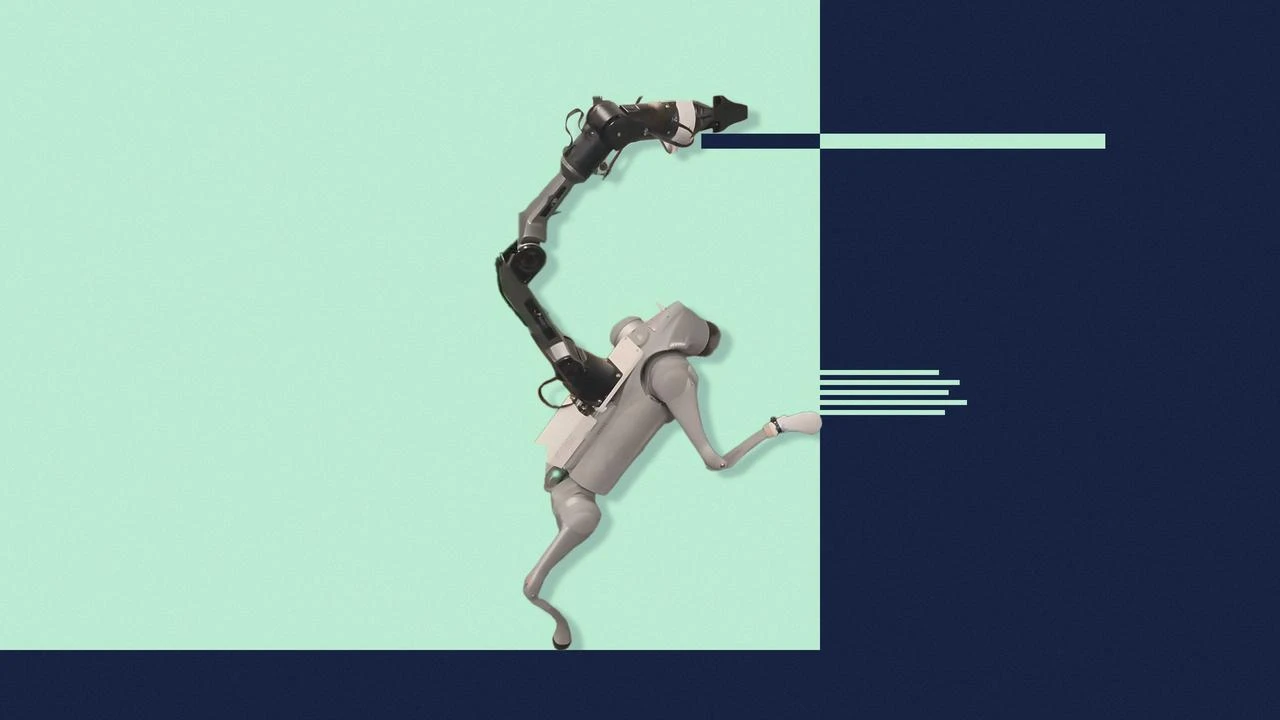
Carnegie Mellon Researchers Introduce ELEVATE Framework to Help Quadrupeds Acquire New Controllers from Task Failures
Quadruped robots with manipulators face a hard limit when required motions are absent from pre-trained libraries. The new ELEVATE framework enables these robots to autonomously diagnose missing physical capabilities during task failures and train new whole-body controllers using reinforcement learning.

ACE Robotics and Nanyang Technological University Release Mundo, an Interactive World Model
On October 30, ACE Robotics and the S-Lab at Nanyang Technological University released Mundo, an environment-specific world model that converts a small number of images or videos into explorable, interactive 3D scenes for robot navigation and manipulation training. The system integrates 3D scene representation, physical simulation, and video generation with Astra to enable spatial understanding.