

Latest
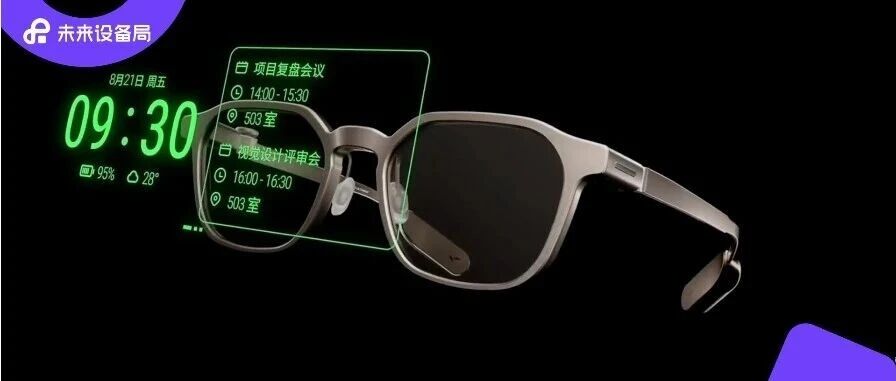
RayNeo iO Launches With 'All-Day Memory' Feature, Betting on Wearable Form Factor
RayNeo has launched the iO AI glasses at RMB 1,996 after subsidies, prioritizing an all-day memory assistant over camera or speaker features. The device aims to prove that comfortable form factor is the prerequisite for viable embodied AI applications.
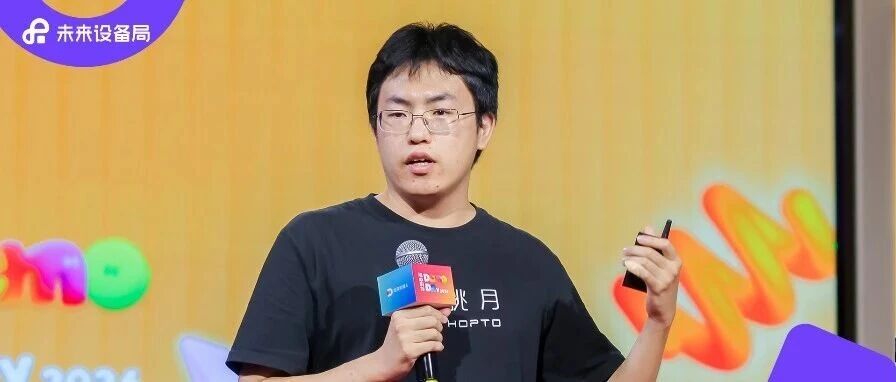
HopTo Technology CEO Fangzheng Wang: Building a Robot That Jumps and Flies
In an interview, HopTo Technology CEO Fangzheng Wang discusses the commercialization of Hopcopter, a hybrid drone-leg robot that transitions between jumping and flying. The company aims to launch its first product for overseas markets at under USD 1,000.
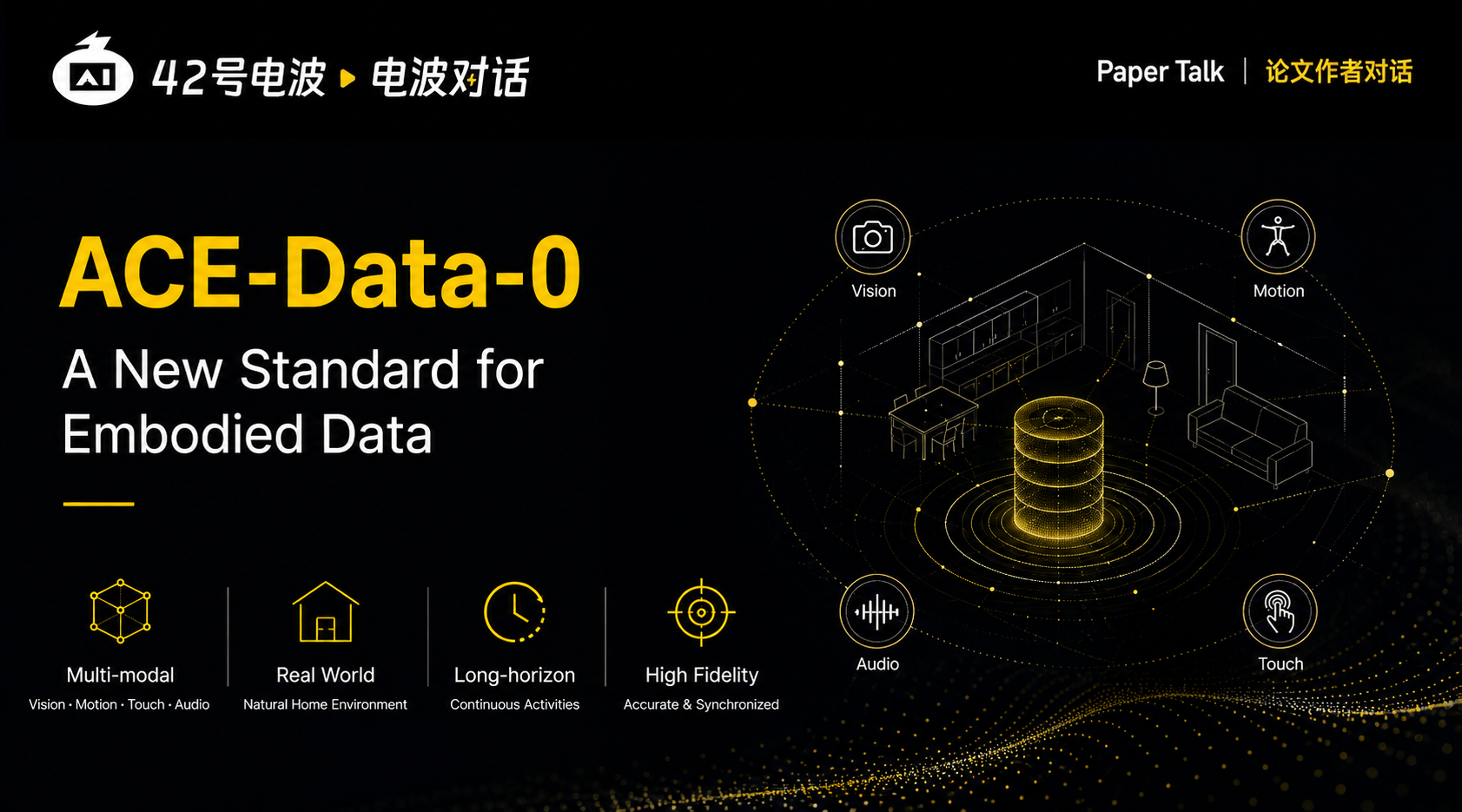
Daxiao Robotics and NUS Release ACE-Data-0, a High-Density Multimodal Embodied AI Dataset
Daxiao Robotics and NUS S-Lab released ACE-Data-0, an L5 multimodal embodied dataset. We discuss how high-density, physically grounded data is shifting the industry bottleneck from model architecture to physical supervision.

Huawei Veteran Zhou Shunbo’s New Home Robot Startup Secures Hundreds of Millions in Funding
Zhou Shunbo, founder of Ou La Wan Xiang, discusses his journey from Huawei to creating a wheeled home robot. He argues that data is the first principle of embodied AI and believes that high-value, non-AGI-dependent robots can succeed in family scenarios.
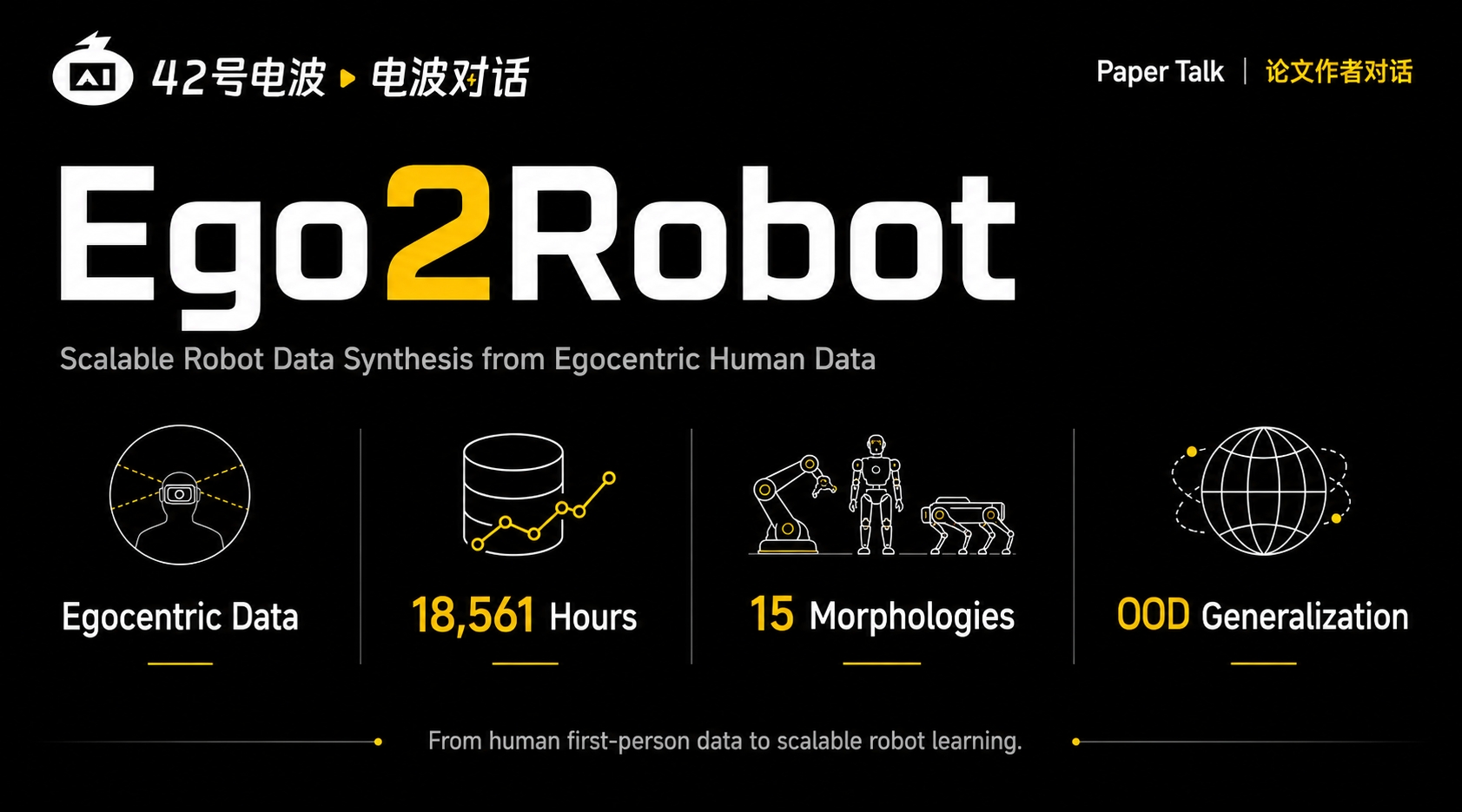
Ego2Robot: Scaling Robot Data Synthesis from Egocentric Human Video
Ego2Robot demonstrates that scalable robot data synthesis from egocentric human video relies less on model architecture and more on rigorous data governance, including action alignment, visual alignment, and multi-level quality filtering.
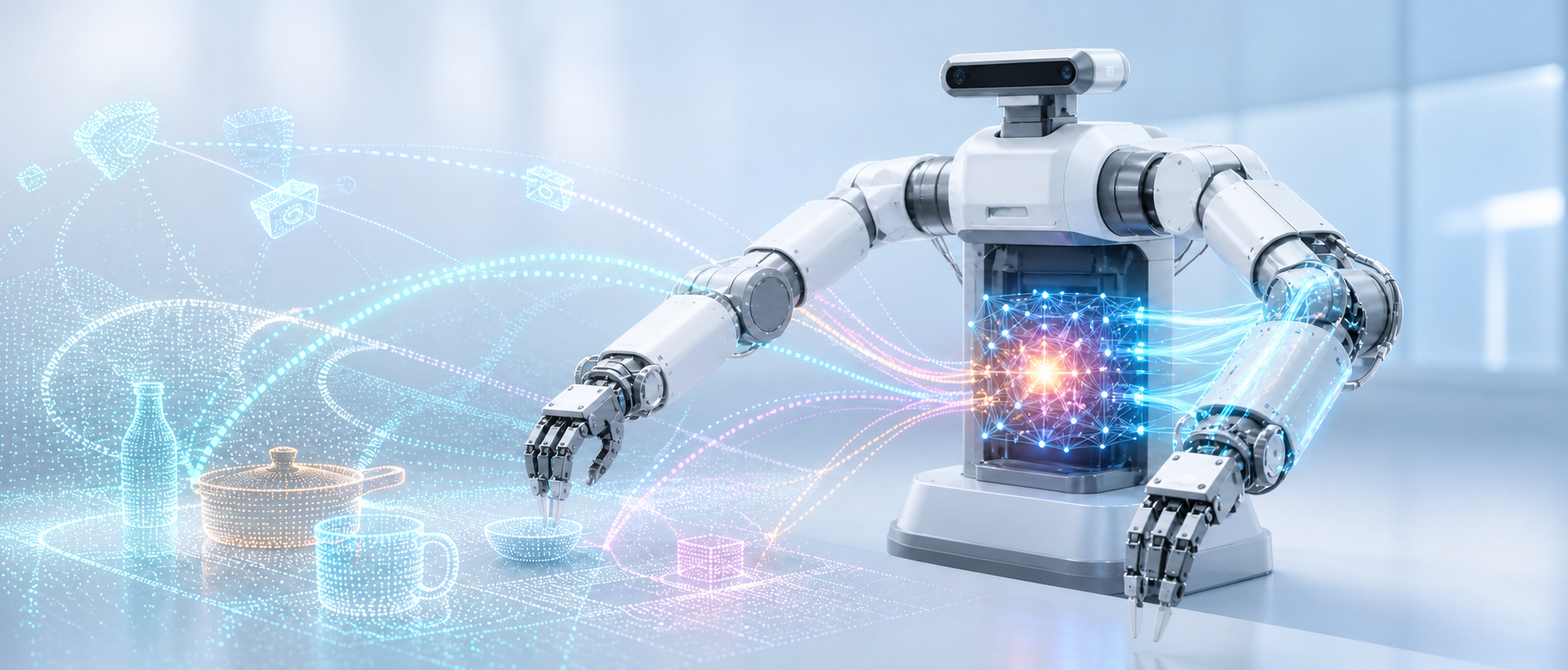
Track4Action: Distilling 3D World Dynamics Into VLA Policies for Robust Robot Control
A new approach by Shanghai Jiao Tong University and Zhejiang University integrates 3D world tracking knowledge into Vision-Language-Action models to help robots understand how their actions change the physical environment.

Three Major Embodied AI Papers Reveal the Gap Between VLMs and Reliable Robotic Agents
Recent reports from Anthropic highlight the race to make LLMs and VLMs the brains of robots. Three new papers from Meta/NUS/University of Washington, Sungkyunkwan University, and Tsinghua/Purdue propose different frameworks to bridge the gap between frozen models and reliable robotic agents.
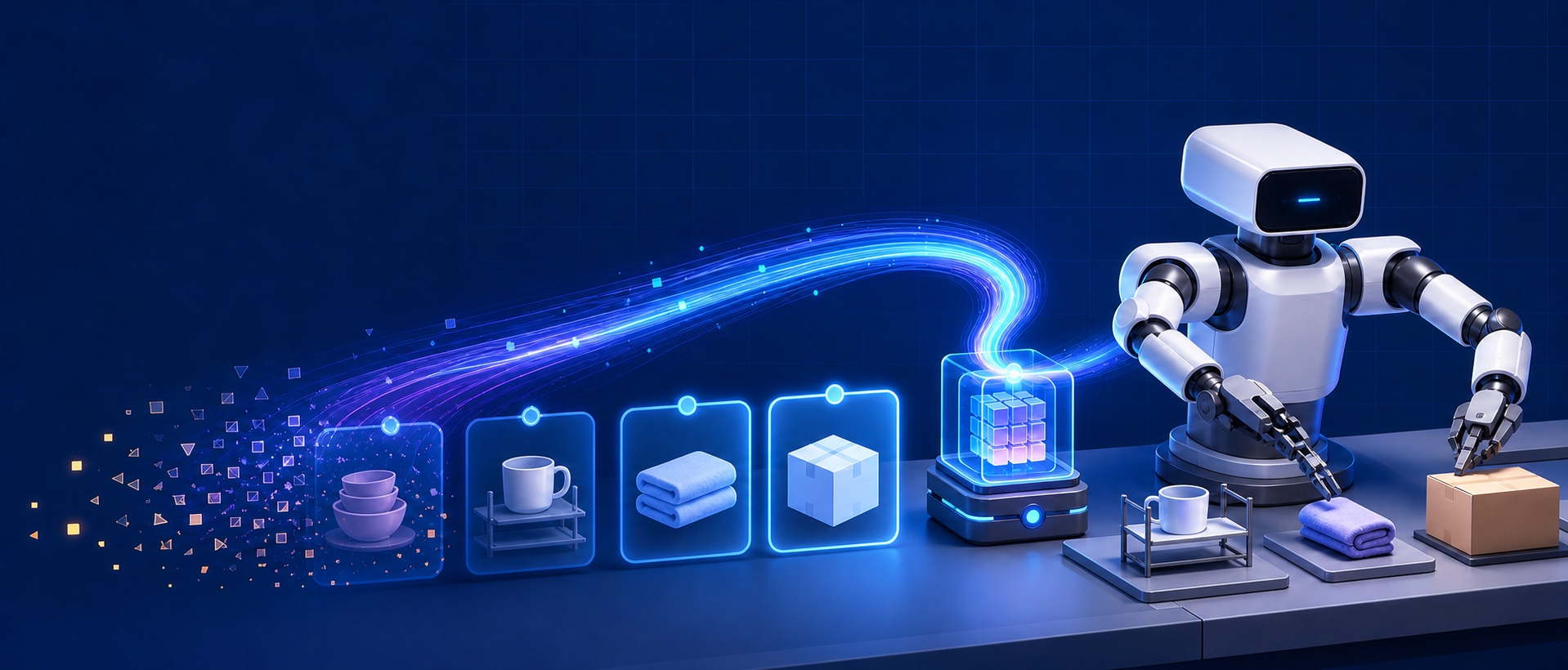
The University of Hong Kong and INFIFORCE Team Tests VLA Continual Learning on Real Robots
A new study from HKU and other institutions demonstrates how experience replay and action normalization can prevent catastrophic forgetting in Vision-Language-Action models during continuous learning on real-world robots.
INTACT: Search-Free World Model for Robotics Achieves Faster, More Reliable Control
Researchers propose INTACT, a search-free world model framework that aligns physical and goal intentions using a shared operator. Achieving 95.33% success rate with 300x faster inference than LeWM, it upgrades JEPA from prediction to deployable control.

First collaborative study by 30 researchers from PKU, NTU & others maps the embodied data pyramid
A comprehensive review by nearly 30 researchers clarifies the five-layer embodied data pyramid, exploring data scaling laws, model-specific requirements, and the synergy between simulation and real-world data.

Chemical Materials Firm's Subsidiary Launches Consumer Robot Division in Shanghai
PrimeBot New Ventures (Shanghai) Technology Co., Ltd., a robotics subsidiary of Shangwei New Materials Technology Co., Ltd., has officially settled in Zhangjiang Robotics Valley, Pudong, Shanghai. The project was signed during the 2026 World Artificial Intelligence Conference (WAIC).
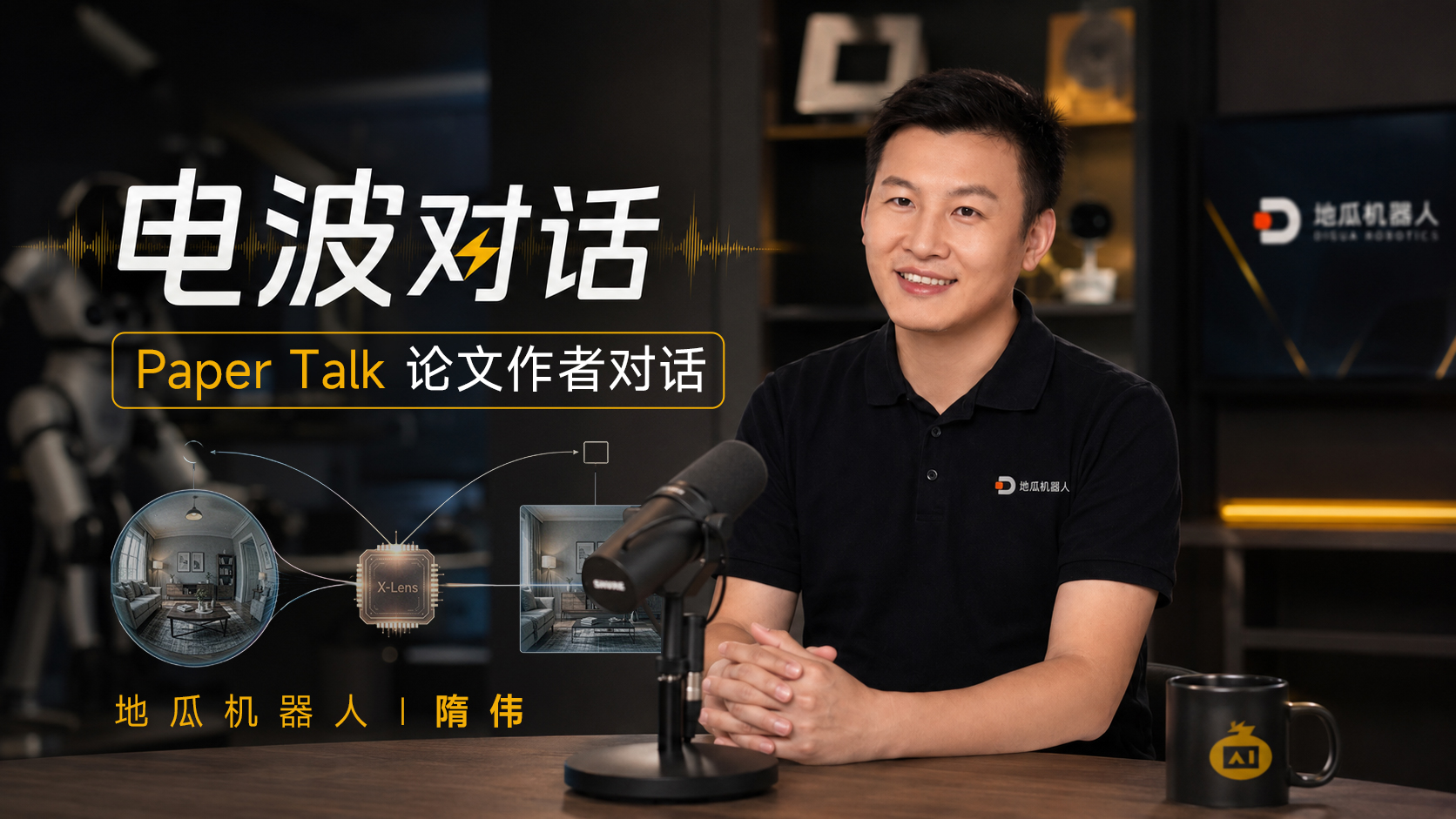
D-Robotics Unveils 0.04B X-Lens for Real-Time Depth Estimation on Heterogeneous Cameras
D-Robotics, in collaboration with Tokyo University and Suzhou University, released a technical report on July 15 introducing X-Lens, a lightweight depth estimation model with only 0.04B parameters. Capable of real-time metric depth estimation with heterogeneous cameras on edge devices, X-Lens uses a 'ray space' approach to unify fisheye and pinhole camera inputs, achieving high accuracy and efficiency compared to larger models.