

Latest
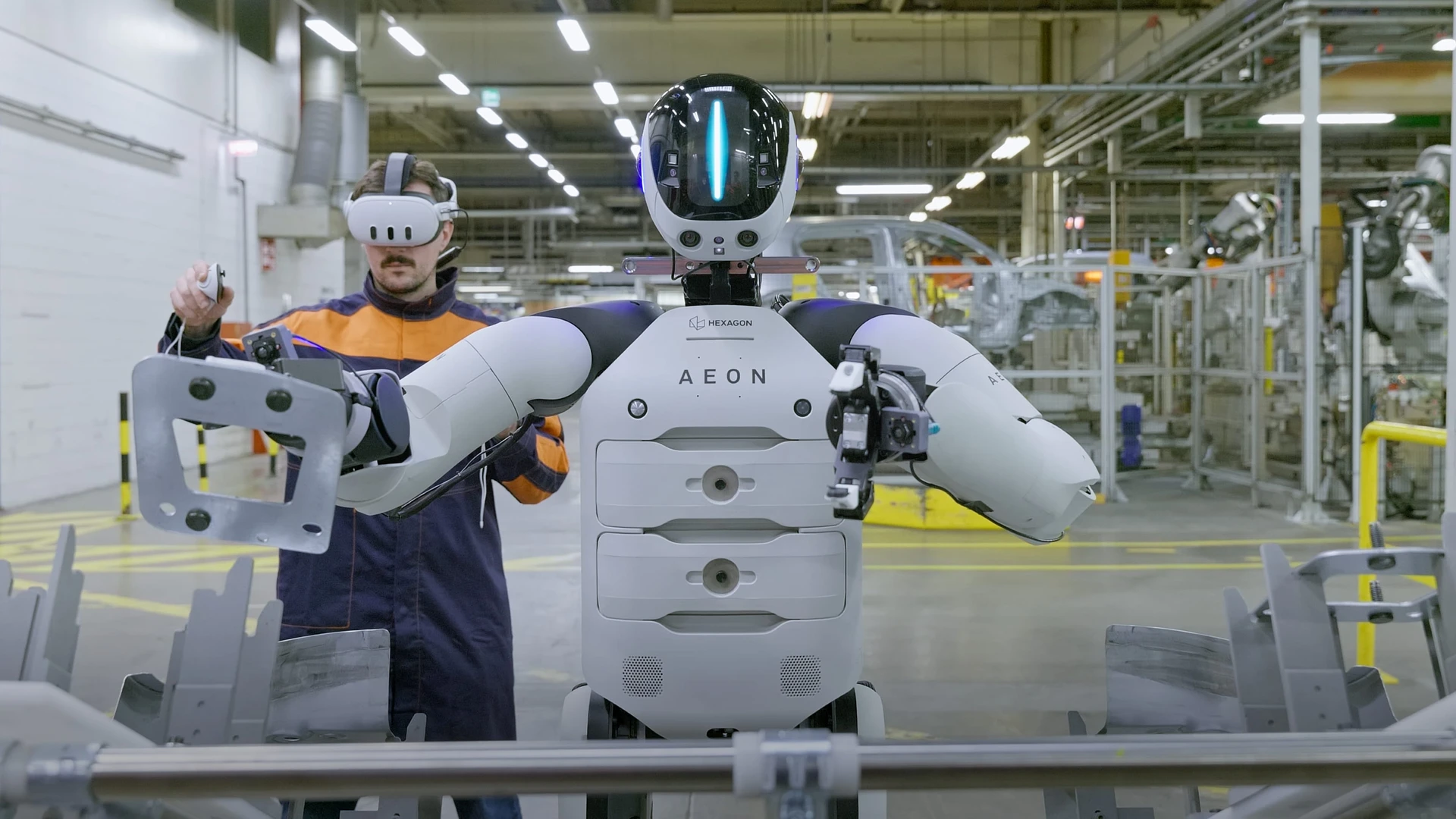
Volvo Cars Trains Hexagon's AEON Humanoid Robot at Ghent Plant Ahead of 2027 Pilot
On November 26, Volvo Cars announced it has introduced the AEON humanoid robot from Hexagon's robotics division to its Ghent plant in Belgium for training and validation using real-world production tasks. Ghent is the automaker's first factory to test humanoid robots, aiming to deploy AEON alongside workers and existing automation to handle highly repetitive and physically demanding processes.
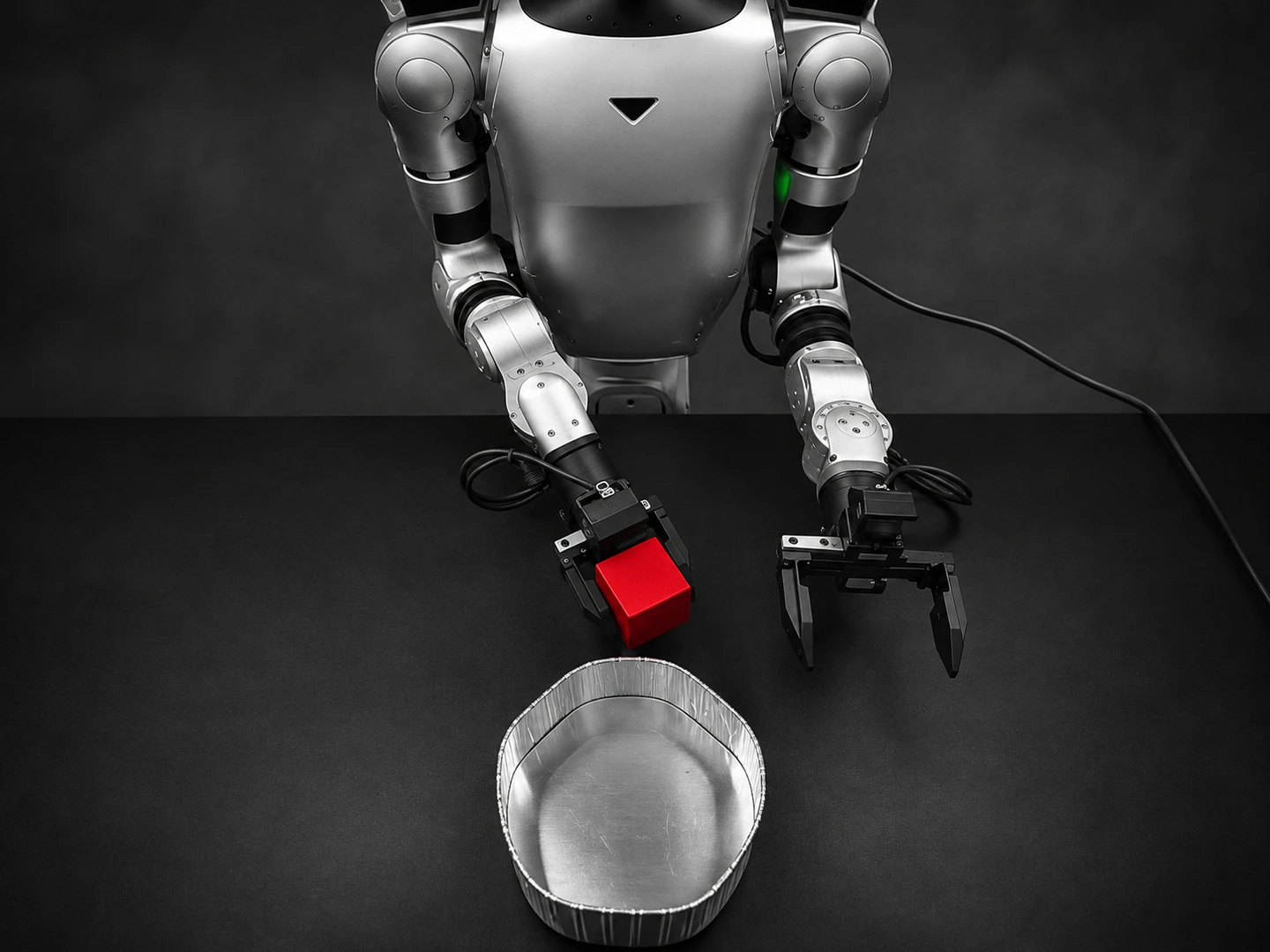
RoboEvo² Feeds Corrective Trajectories Back Into Robot Policy Training
A new framework named RoboEvo² enables coding agents to convert successful robot error corrections into training demonstrations. This approach allows the underlying action policy to learn from these corrective trajectories, enabling it to complete tasks independently in subsequent attempts without relying on the agent.

Yann LeCun Proposes Counterfactual World Models and Residual Reuse for JEPA
Yann LeCun's latest research introduces counterfactual world models and residual reuse to the Joint-Embedding Predictive Architecture (JEPA), aiming to improve robotic planning by predicting abstract representations of physical dynamics rather than generating pixels.

AI Wearables Roundup: From Glasses to Rings, What Can On-Body AI Actually Do?
Promotional videos for this year's AI wearables depict an idealized lifestyle: rings advising on workouts based on sleep data, earbuds dispatching tasks to agents during commutes, clip-on recorders summarizing meetings, and smart glasses answering product queries and comparing prices in stores.
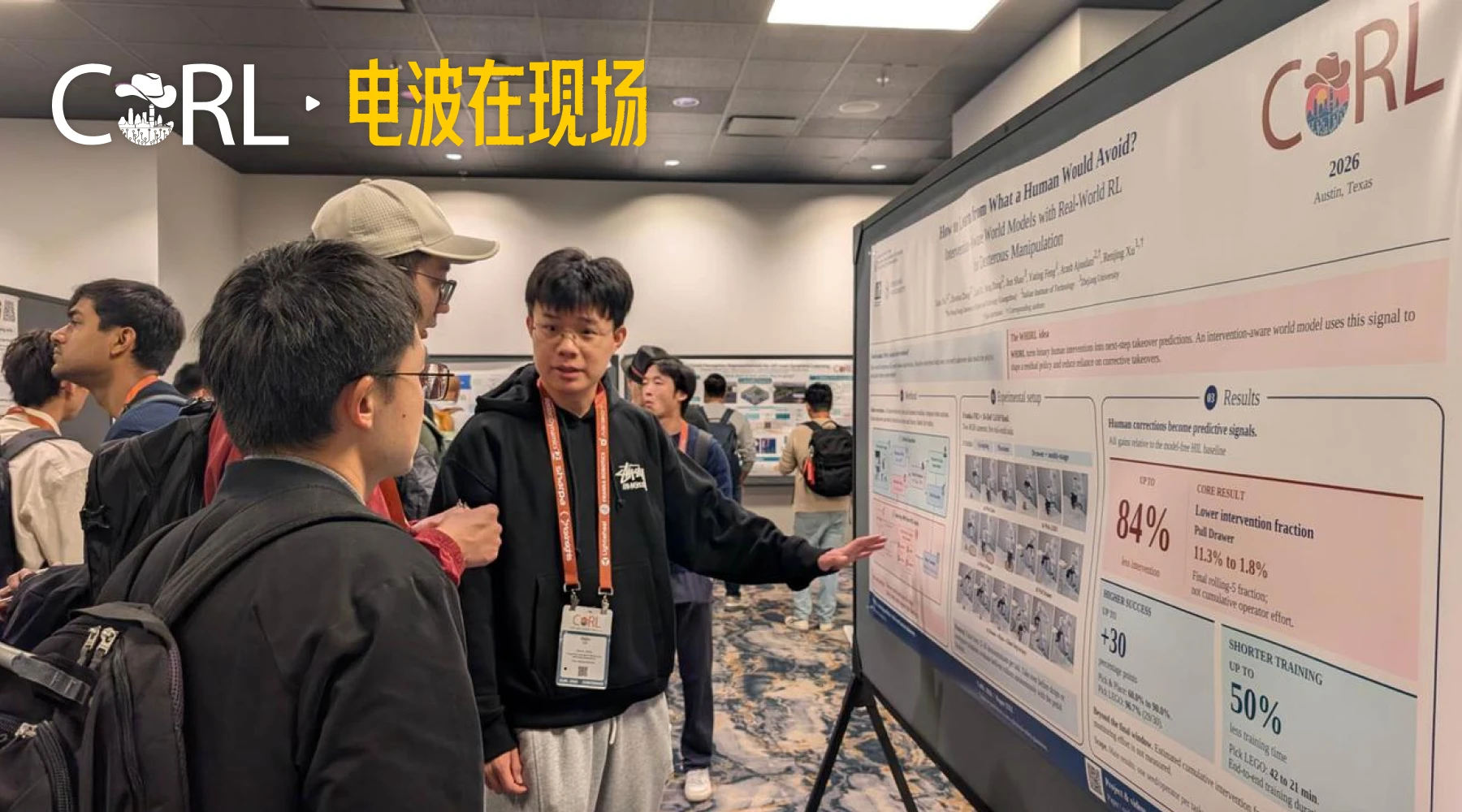
WHIRL Turns Human Interventions into Avoidance Signals for Real-World Dexterous Manipulation
A joint team from The Hong Kong University of Science and Technology (Guangzhou), Istituto Italiano di Tecnologia, and Zhejiang University introduces WHIRL, a framework that leverages human-in-the-loop pedal presses during real-world reinforcement learning as predictive avoidance signals, reducing operator interventions while improving autonomous success rates in dexterous manipulation.

Simplexity Robotics Raises USD 100 Million, Unveils Wheeled Humanoid Robot iX
Embodied AI startup Simplexity Robotics has closed a USD 100 million Pre-A funding round led by Ant Group, bringing its post-money valuation to USD 1.6 billion, co-founder and chairman Wang Kai told Bloomberg on November 23. Existing investors Tencent, Sequoia China, and Lanchi Ventures also participated in the round.

XPENG Plans Hardware Mass Production of Humanoid Robot IRON for January 2027, Store Internships in Q1
At the 2026 XPENG Technology Day on November 25, Chairman and CEO He Xiaopeng announced the mass production timeline for the IRON humanoid robot. Hardware mass production is scheduled to begin in January 2027, with an official public launch targeted for the second quarter.
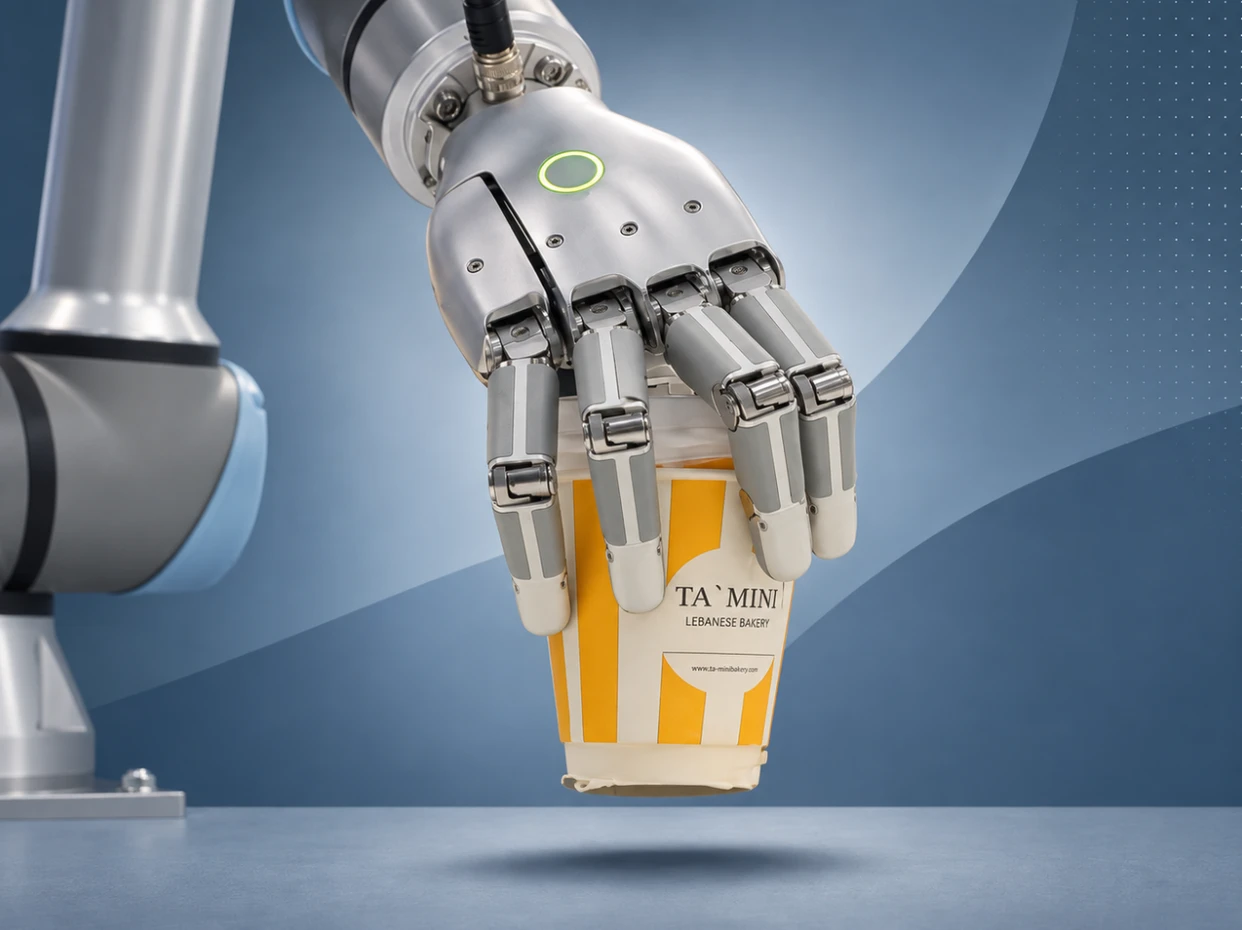
Imperial College Team Deploys Single World Model Across Unseen Dexterous Hands
Imperial College London’s DexLab introduces DexLatentWorld, a 3D world model that transfers human demonstration data to unseen multi-fingered robot hands without hardware-specific fine-tuning, achieving an 86% success rate across five real-robot manipulation tasks.

NetEase Lingdong Unveils Lingjue 2.0 as LiuGong 922FE Excavator Demonstrates Autonomous Loading
NetEase Lingdong, the embodied AI brand of NetEase, and LiuGong signed a strategic partnership at bauma CHINA 2026 in Shanghai on November 24, planning to mass-produce AI excavators and expand overseas. Under the agreement, LiuGong will provide manufacturing and sales networks, while NetEase Lingdong supplies the AI algorithms.
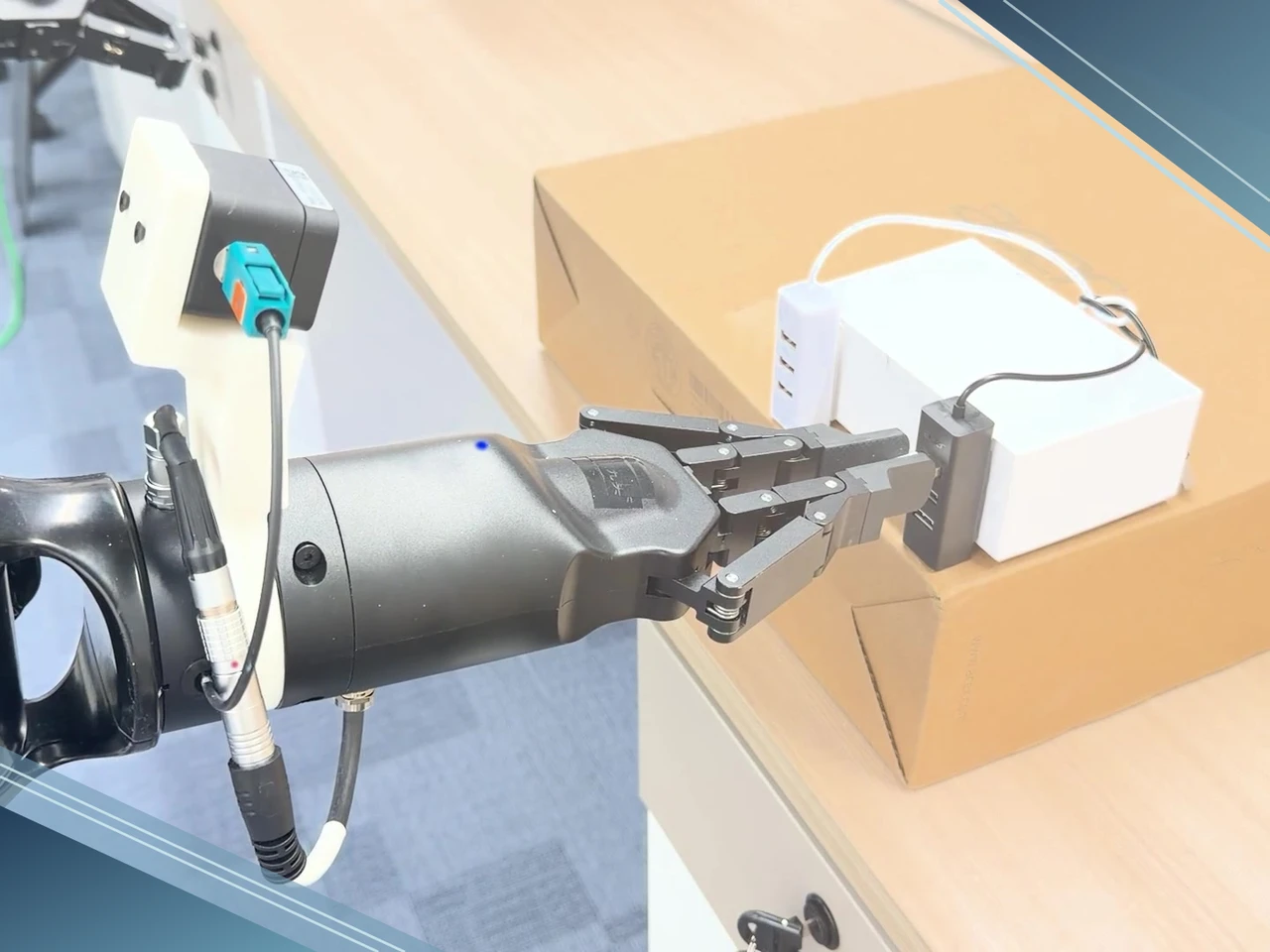
GenPA Adapts Image Generation Models to Directly Predict Robot Actions
Researchers adapted a pre-trained image generation model into GenPA, a robot policy that predicts actions directly from current images and instructions without predicting future frames. The study explores whether removing future image prediction during training still allows the model to learn accurate robotic manipulation.
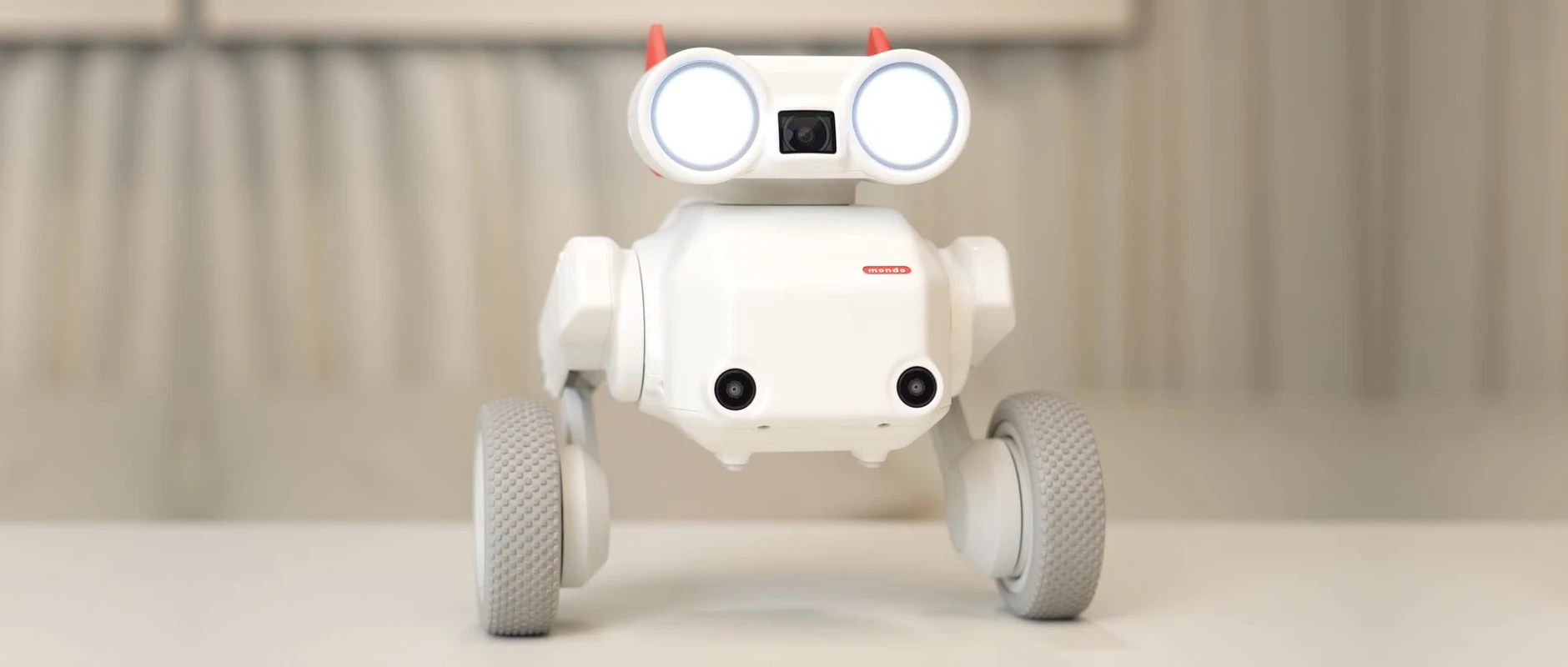
Hands-On: Miaodong’s Beni Ground-Tracking Robot Balances Camera Utility With Companion Appeal
Shenzhen startup Miaodong Technology has launched its first product, the Beni ground-tracking robot, priced from RMB 4,999 in China and USD 799 overseas. The launch follows a highly successful crowdfunding campaign and a valuation surge to USD 1.2 billion.
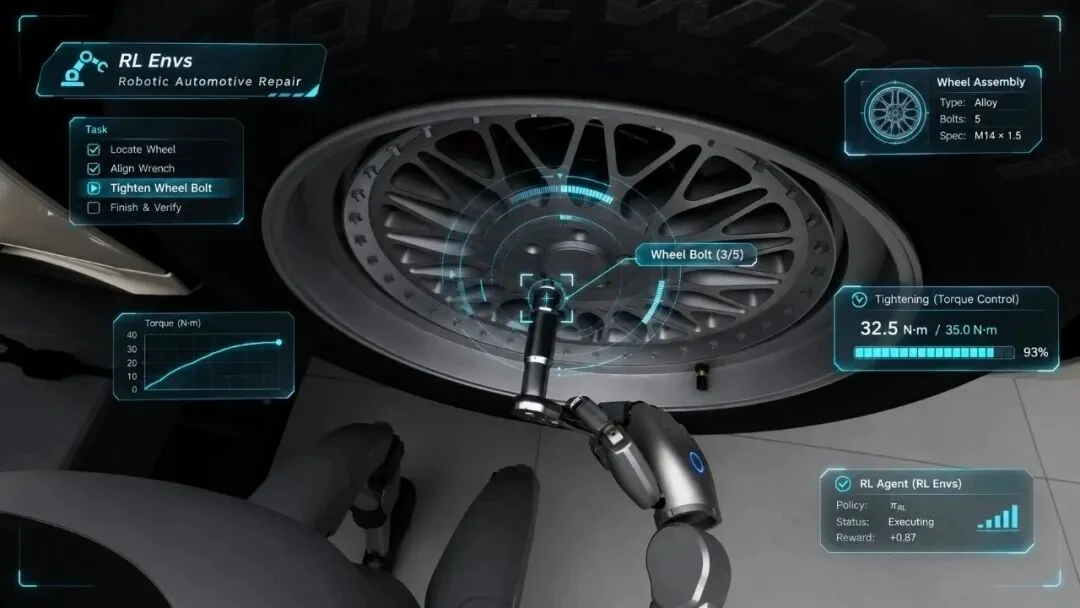
As Frontier Model Competition Intensifies, Why Post-Training Needs Effective Training Environments
As model parameters scale up, foundational models have long surpassed a trillion parameters, with some embodied foundation models reaching hundreds of billions. As parameters grow, how can physical interaction capabilities be better elicited to form positive feedback? Clearly, the key to bringing greater gains to the training of trillion-parameter foundational models lies in post-training.