
Embodied AI
126 related stories

Robotics: New Over Old? HKU, Infinite Force, and Others Stress-Test VLAs on Real Robots
A new study from HKU and other institutions demonstrates how experience replay and action normalization can prevent catastrophic forgetting in Vision-Language-Action models during continuous learning on real-world robots.

Yann LeCun Praises INTACT: ZJU’s Sun Junhan and Tsinghua’s Zhao Hao Eliminate the 'Search Tax' from JEPA World Models
Researchers propose INTACT, a search-free world model framework that aligns physical and goal intentions using a shared operator. Achieving 95.33% success rate with 300x faster inference than LeWM, it upgrades JEPA from prediction to deployable control.

Shangwei New Materials Subsidiary Qiyuan Xinchuang Settles in Pudong, Chemical Enterprise Crosses Over to Consumer Robots
Qiyuan Xinchuang (Shanghai) Technology Co., Ltd., a robotics subsidiary of Shangwei New Materials Technology Co., Ltd., has officially settled in Zhangjiang Robotics Valley, Pudong, Shanghai. The project was signed during the 2026 World Artificial Intelligence Conference (WAIC).

500,000 Hours of First-Person Video: How to Add 'Touch' to Embodied World Models
Zhiwu Wujie releases Being-H0.8, a latent tactile world-action model trained on over 500,000 hours of first-person video. By generating pseudo-tactile labels from visual data and unifying robot sensor inputs, it aims to bridge the gap between visual observation and physical contact for embodied AI.

Open-Sourcing Three Major Models: Tencent Robotics Is 'Overtaking'
Tencent's Robotics X Lab and Futian Lab, in collaboration with Hunyuan, have released three open-source embodied AI foundation models based on the Hunyuan large model: Hy-Embodied-VLM-1.0, Hy-Embodied-RxBrain-1.0, and Hy-Embodied-VLA-0.5.
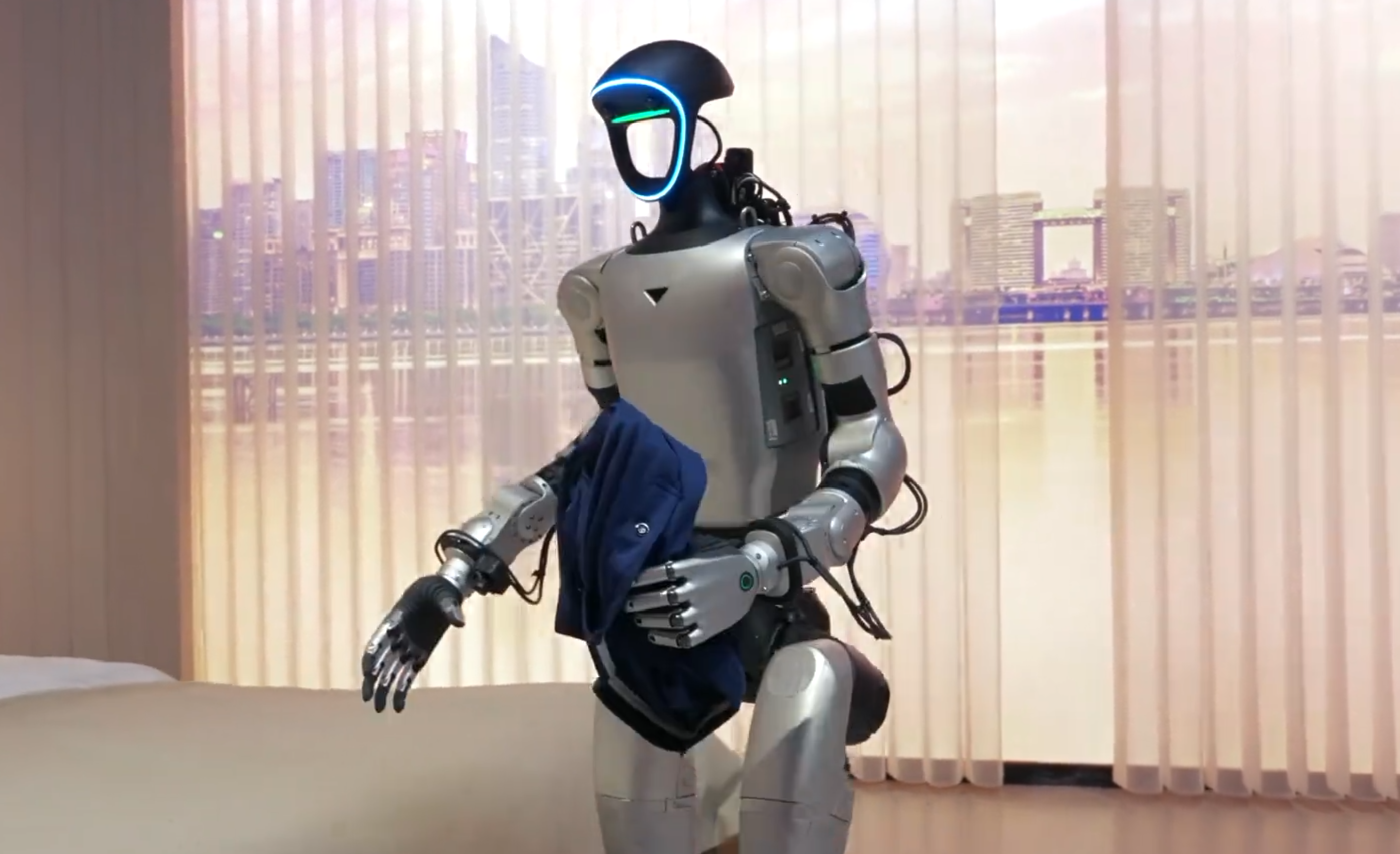
Unitree's New Brain Debuts: Embodied AI Moves from Concept to Real Machines
On July 20, Unitree Technology officially released UnifoLM-OminiA-0.3, an embodied large model for home care tasks, natively integrated into the G1 robot. This marks a substantive step toward real-world deployment in civilian service.

Chatting with Wang Xiaofeng on Gigaworld-1: When World Models Become the Physical Referees for Embodied AI
As physical evaluation bottlenecks slow down embodied foundation model iteration, Flexiv and Tsinghua University release GigaWorld-1, using world models as evaluators to reduce reliance on real-world robot testing. Wang Xiaofeng discusses how this approach can accelerate development cycles.
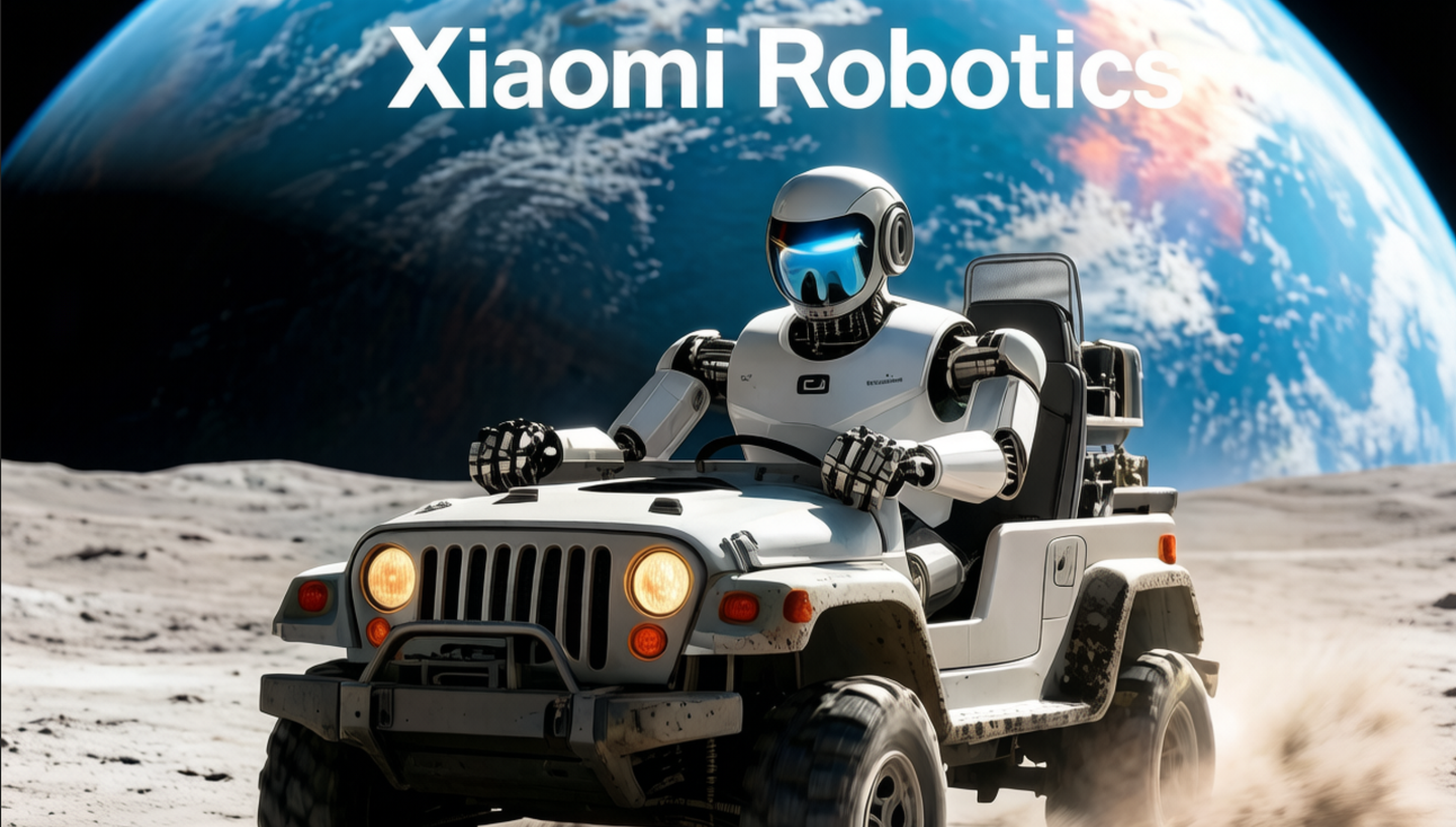
Beyond Prediction: Xiaomi Turns World Models into Data Engines
Xiaomi has open-sourced U0, a 38B-parameter multimodal model that integrates five embodied synthesis functions. By treating embodied generation as a natural extension of foundation models rather than domain-specific fine-tuning, U0 acts as an expandable data engine, significantly enhancing robot generalization in real-world scenarios.
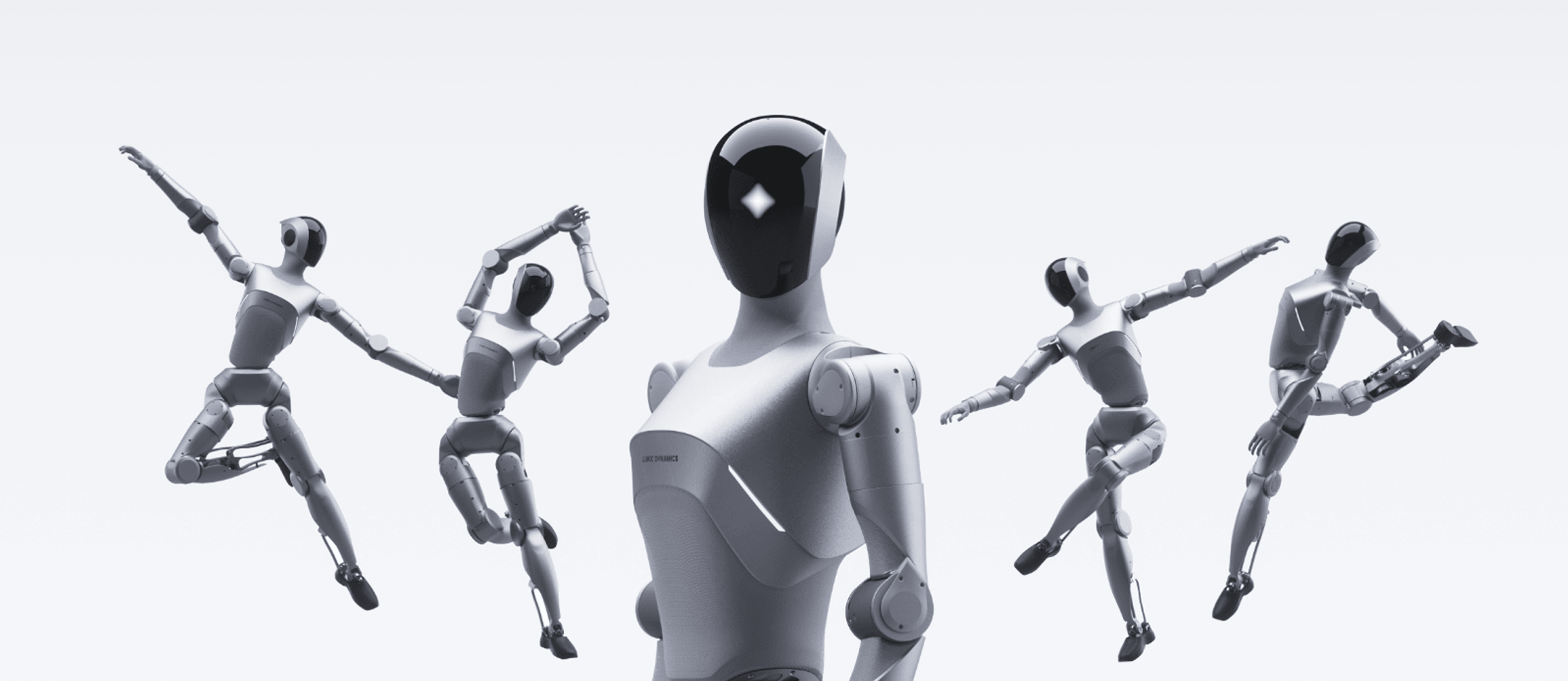
LimX Dynamics, Having Raised $400 Million in Half a Year, Accelerates IPO Timeline
Embodied AI unicorn LimX Dynamics announces a nearly $200 million Pre-IPO round, bringing its half-year total to $400 million and pushing its IPO process forward.

Moving Codex and CC into Robot Training? Zhu Yuke and Jim Fan’s Latest Work on Embodied Continuous Learning Systems
The new paper ASPIRE introduces a continuous learning system for embodied AI, where agents debug robot failures using execution traces, evolve solutions, and build reusable skill libraries.
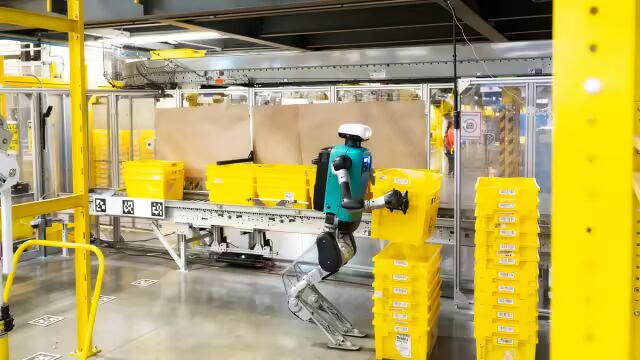
The First Embodied AI Stocks in the US and China: What Routes Have Unitree and Agility Taken?
Agility Robotics and Unitree Technology represent two diverging paths for embodied AI commercialization. Agility focuses on specialized, vertical integration in logistics and manufacturing, while Unitree pursues a broad, horizontal hardware platform strategy to lower costs and expand ecosystems.
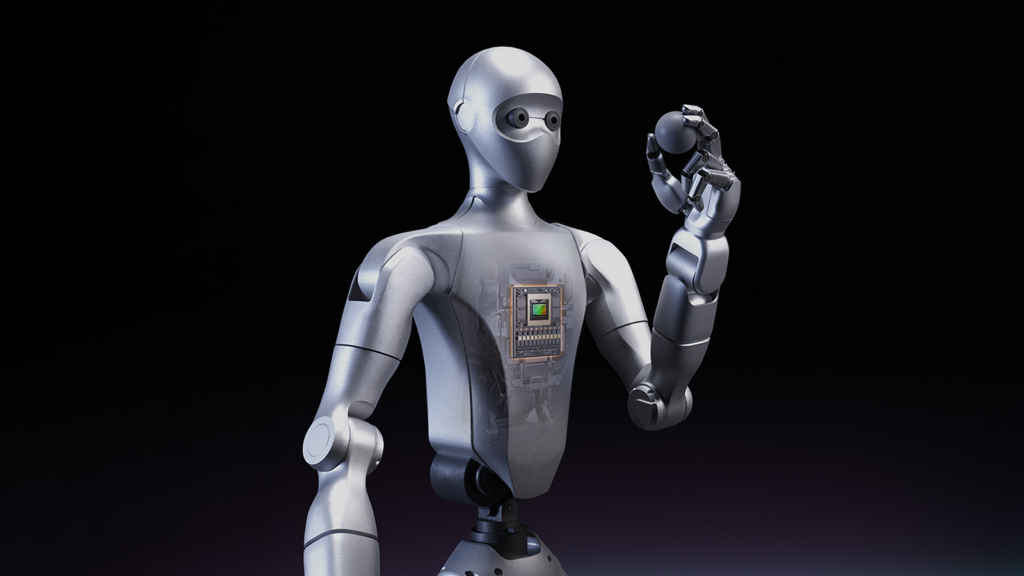
Behind the Unitree Controversy, NVIDIA's New Computing Power Business
NVIDIA is leveraging partnerships like the one with Unitree to build a "CUDA ecosystem" for robotics. By standardizing hardware interfaces and simulation tools, NVIDIA aims to turn embodied AI into a new, scalable demand for GPU computing power.