
Signals that matter in technology
We track research, AI models, data, and industry developments to bring you the technology stories that matter.
Popular
LimX Dynamics, Having Raised $400 Million in Half a Year, Accelerates IPO Timeline

Moving Codex and CC into Robot Training? Zhu Yuke and Jim Fan’s Latest Work on Embodied Continuous Learning Systems
The First Embodied AI Stocks in the US and China: What Routes Have Unitree and Agility Taken?
Behind the Unitree Controversy, NVIDIA's New Computing Power Business
Nvidia Uses SimFoundry to Bridge the Last Mile of Robot Real2Sim
KEMO: Equipping VLA with a 'Memory Plugin' Boosts Long-Horizon Task Performance by 23.6%
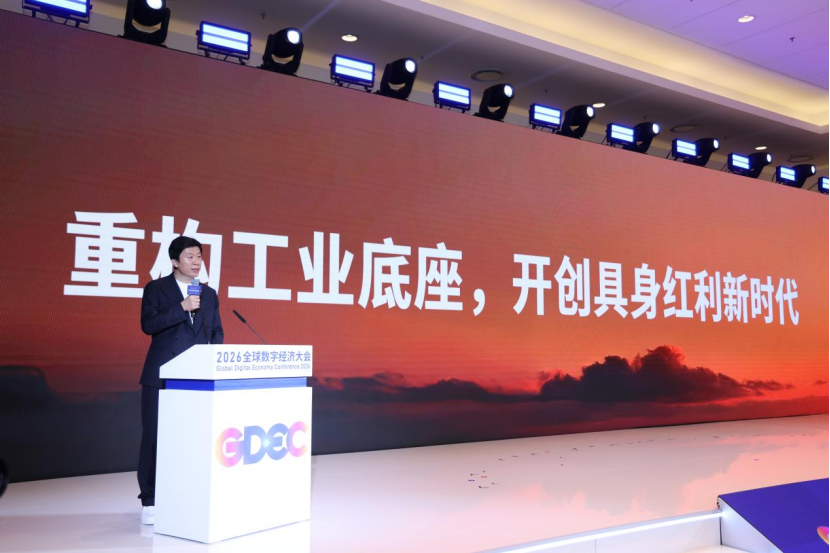
Xiaoyu ZhiZao's Qiao Zhongliang First Proposes 'Embodied Dividend', Three Technologies Launched Alongside First Welding Robot
Interview with Shanghai Jiao Tong University’s Yang Lixin: Why Robots Need a '3D Timeline'
Exclusive Visit to a Halted Robot Data Collection Site: Is Embodied AI Recalculating the Data Equation?

4.5 Billion RMB in Funding, One Hand, and an Ice Cream Shop

Why Did Zhiyuan Suddenly Become the 'Medal Harvesting Machine' of the Robot Games?
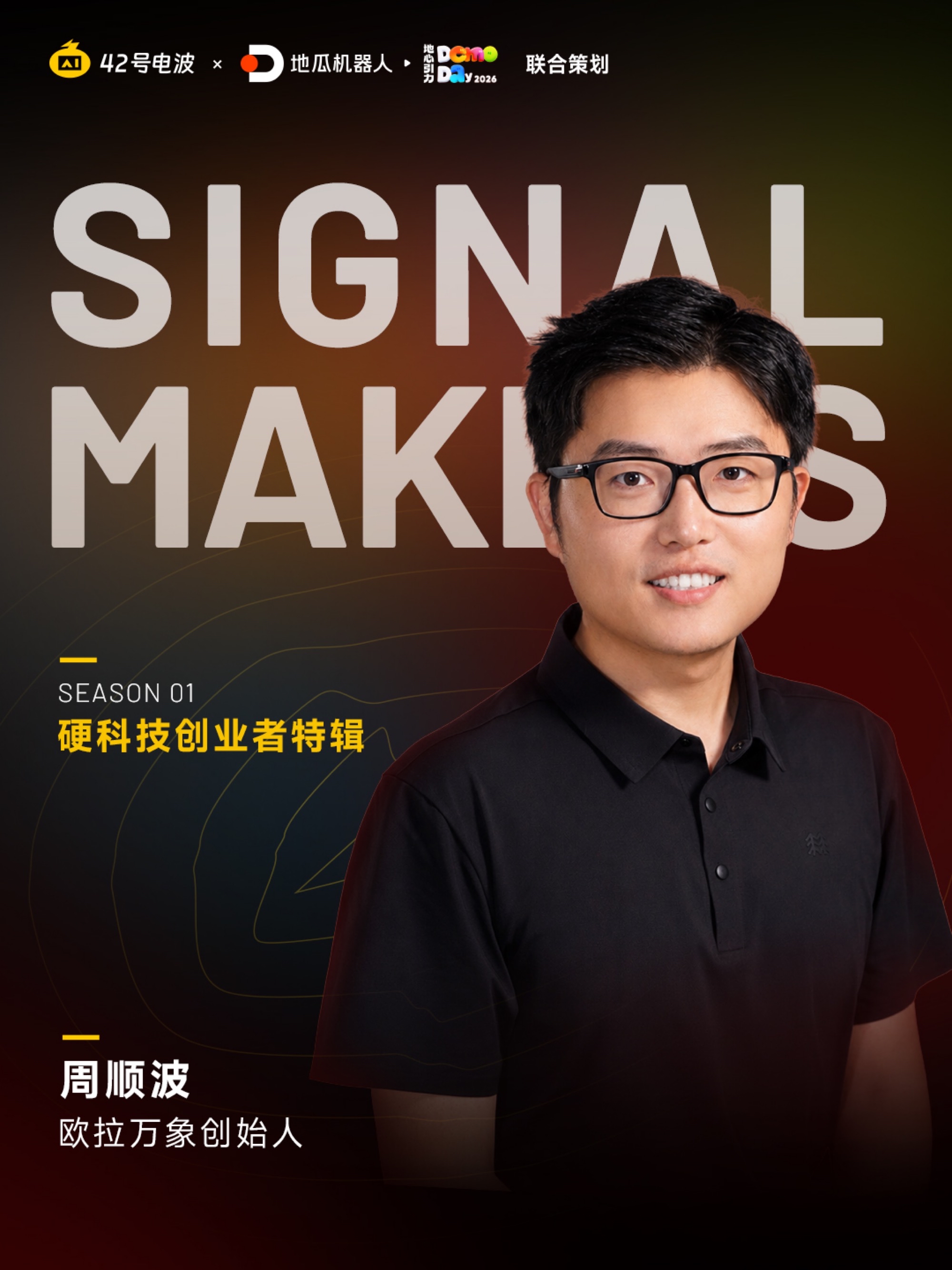
Exclusive Interview with Zhou Shunbo: We Can Build a Robot People Love, Even Without AGI
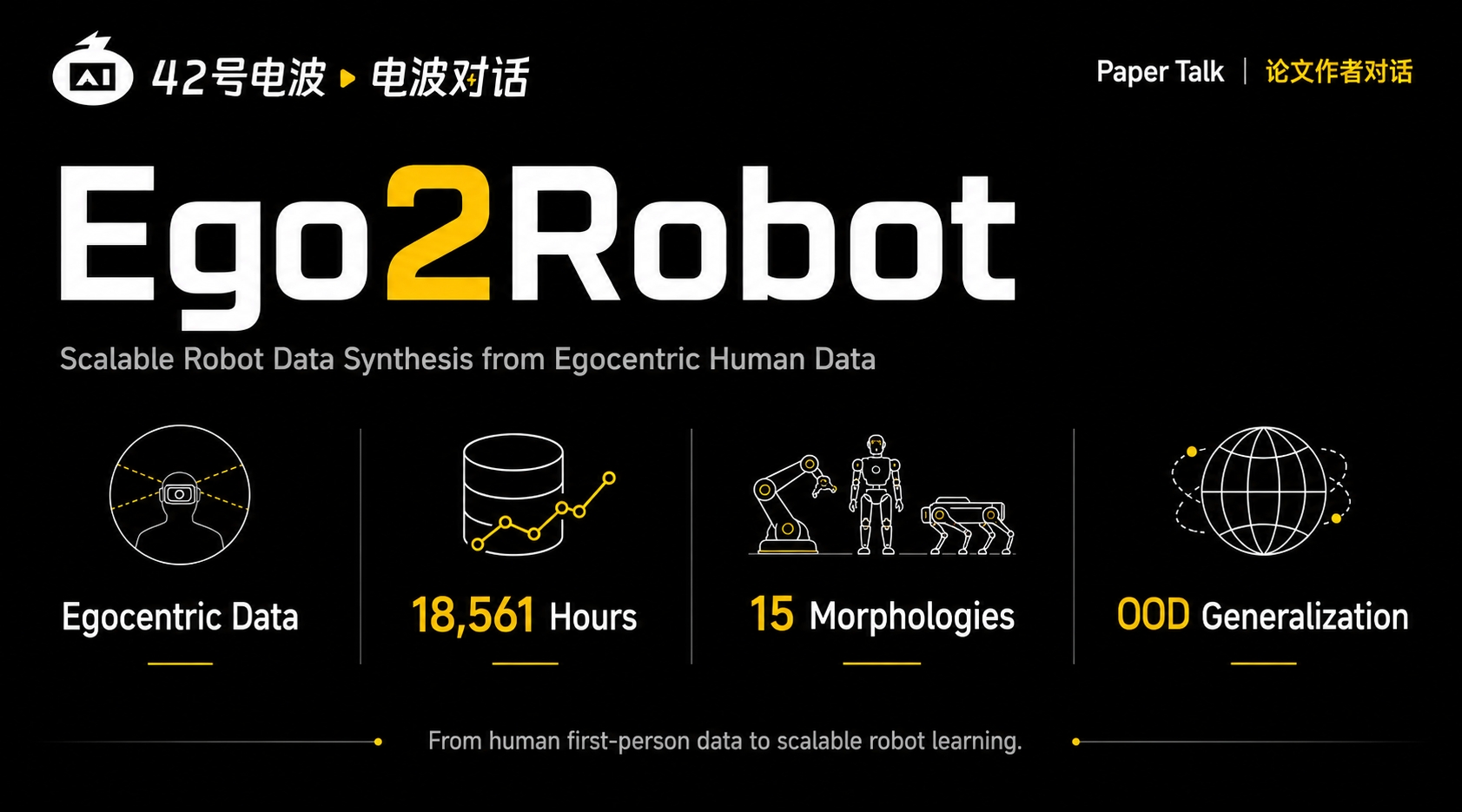
Beyond the Model: Ego2Robot Brings Data Processing Pipelines Back to the Spotlight
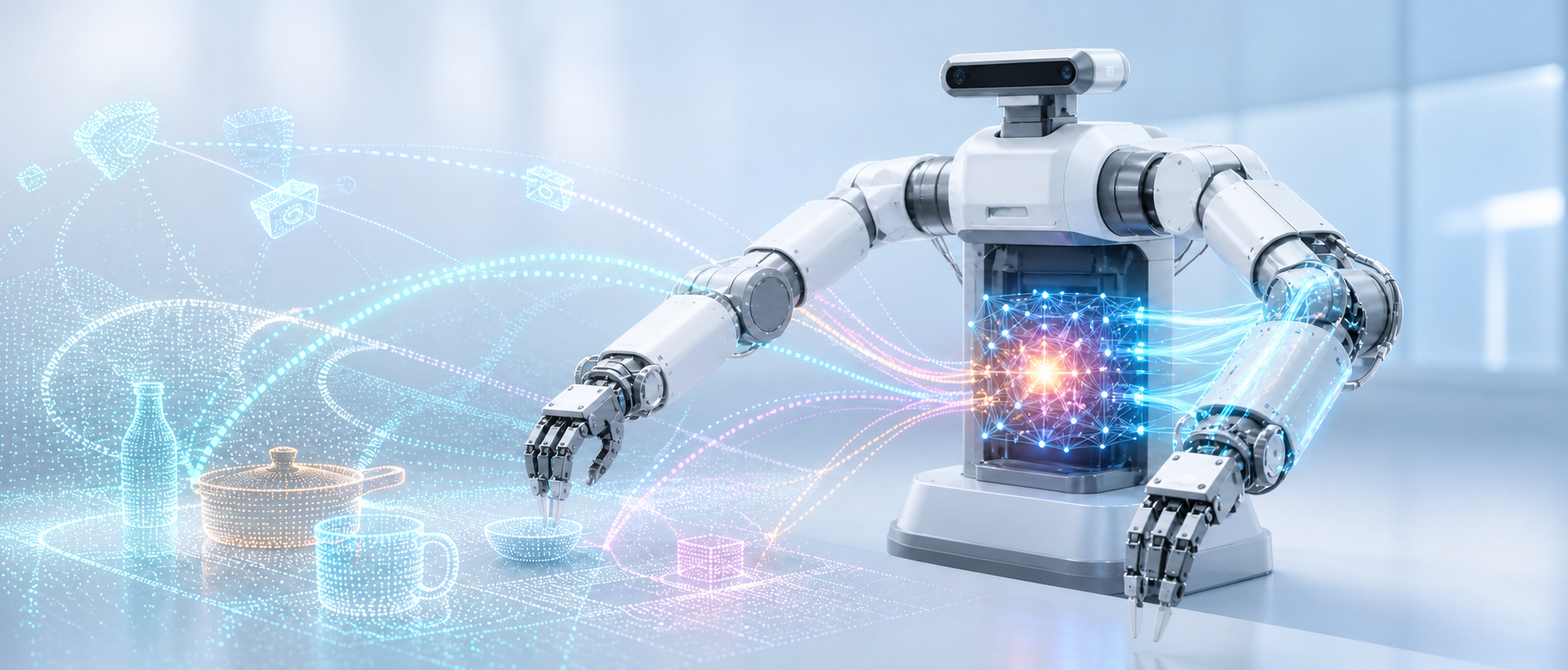
Shanghai Jiao Tong University's Lu Cuwu, Zhejiang University teams propose Track4Action: Distilling the '3D World After Action' into VLA

Three Major Embodied AI Works from China, US, and Korea: Connecting the Present and Future of Robot Agents

Yann LeCun Praises INTACT: ZJU’s Sun Junhan and Tsinghua’s Zhao Hao Eliminate the 'Search Tax' from JEPA World Models

First! 30 Researchers from Peking University, NTU, and Others Collaborate to Clarify the Embodied Data Pyramid
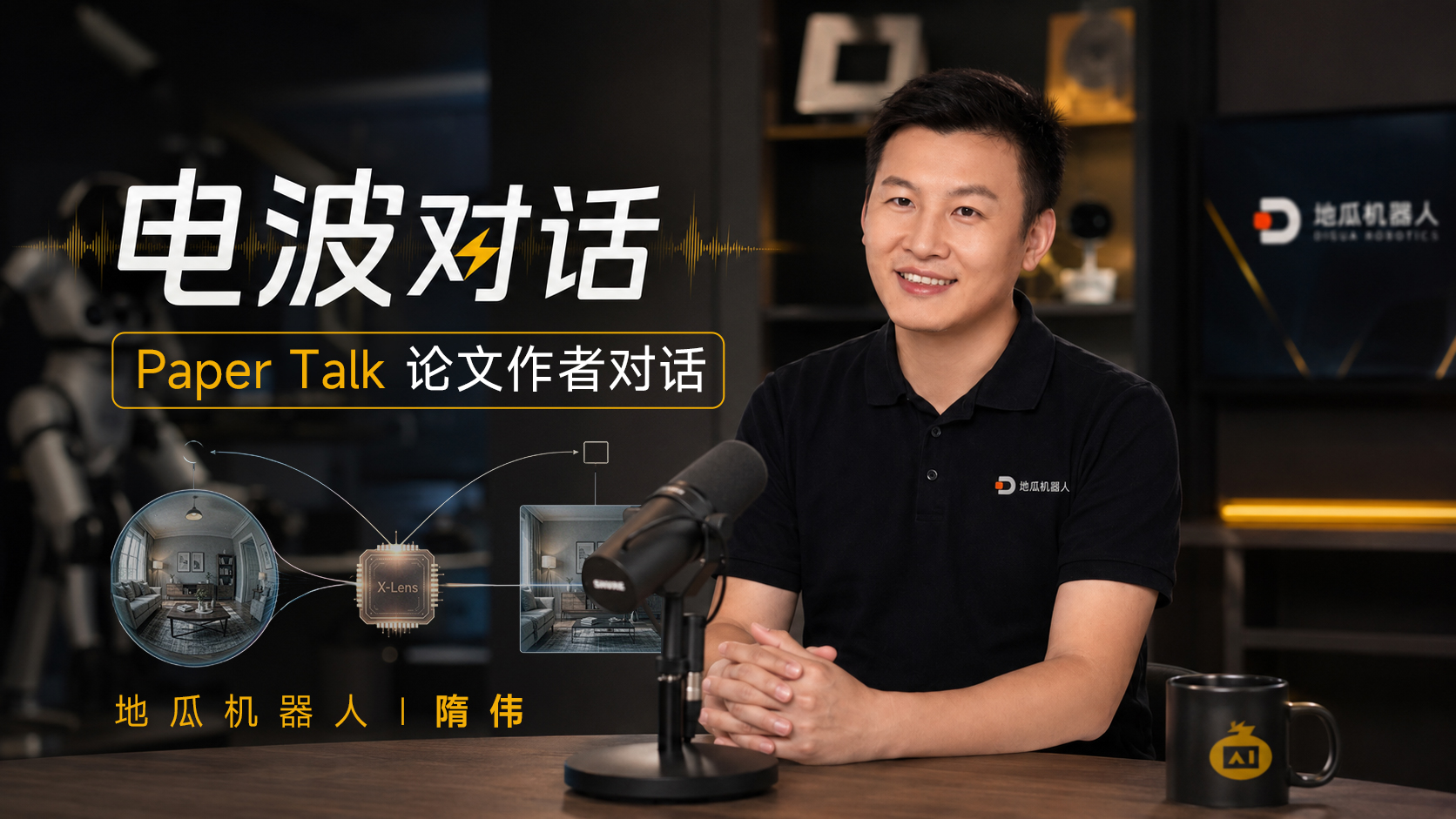
0.04B Unified for Heterogeneous Cameras: Discussing the Trade-offs of X-Lens with Sui Wei from Digua Robotics

Open-Sourcing Three Major Models: Tencent Robotics Is 'Overtaking'

Chatting with Wang Xiaofeng on Gigaworld-1: When World Models Become the Physical Referees for Embodied AI
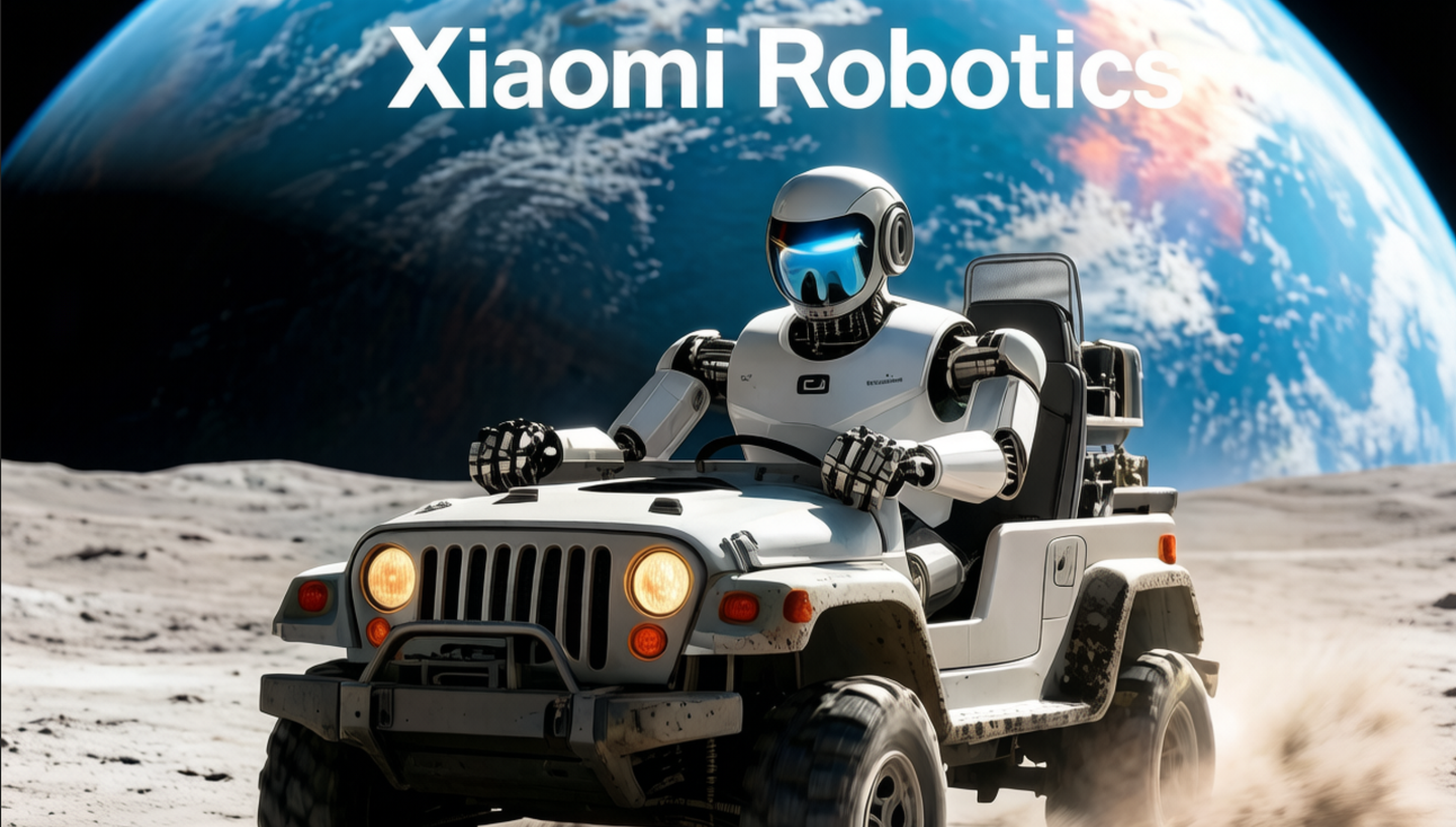
Beyond Prediction: Xiaomi Turns World Models into Data Engines
LimX Dynamics, Having Raised $400 Million in Half a Year, Accelerates IPO Timeline
Moving Codex and CC into Robot Training? Zhu Yuke and Jim Fan’s Latest Work on Embodied Continuous Learning Systems
The First Embodied AI Stocks in the US and China: What Routes Have Unitree and Agility Taken?
Behind the Unitree Controversy, NVIDIA's New Computing Power Business
Nvidia Uses SimFoundry to Bridge the Last Mile of Robot Real2Sim
KEMO: Equipping VLA with a 'Memory Plugin' Boosts Long-Horizon Task Performance by 23.6%
Xiaoyu ZhiZao's Qiao Zhongliang First Proposes 'Embodied Dividend', Three Technologies Launched Alongside First Welding Robot
Interview with Shanghai Jiao Tong University’s Yang Lixin: Why Robots Need a '3D Timeline'
Exclusive Visit to a Halted Robot Data Collection Site: Is Embodied AI Recalculating the Data Equation?
4.5 Billion RMB in Funding, One Hand, and an Ice Cream Shop
Why Did Zhiyuan Suddenly Become the 'Medal Harvesting Machine' of the Robot Games?
Exclusive Interview with Zhou Shunbo: We Can Build a Robot People Love, Even Without AGI
Beyond the Model: Ego2Robot Brings Data Processing Pipelines Back to the Spotlight
Shanghai Jiao Tong University's Lu Cuwu, Zhejiang University teams propose Track4Action: Distilling the '3D World After Action' into VLA
Insights
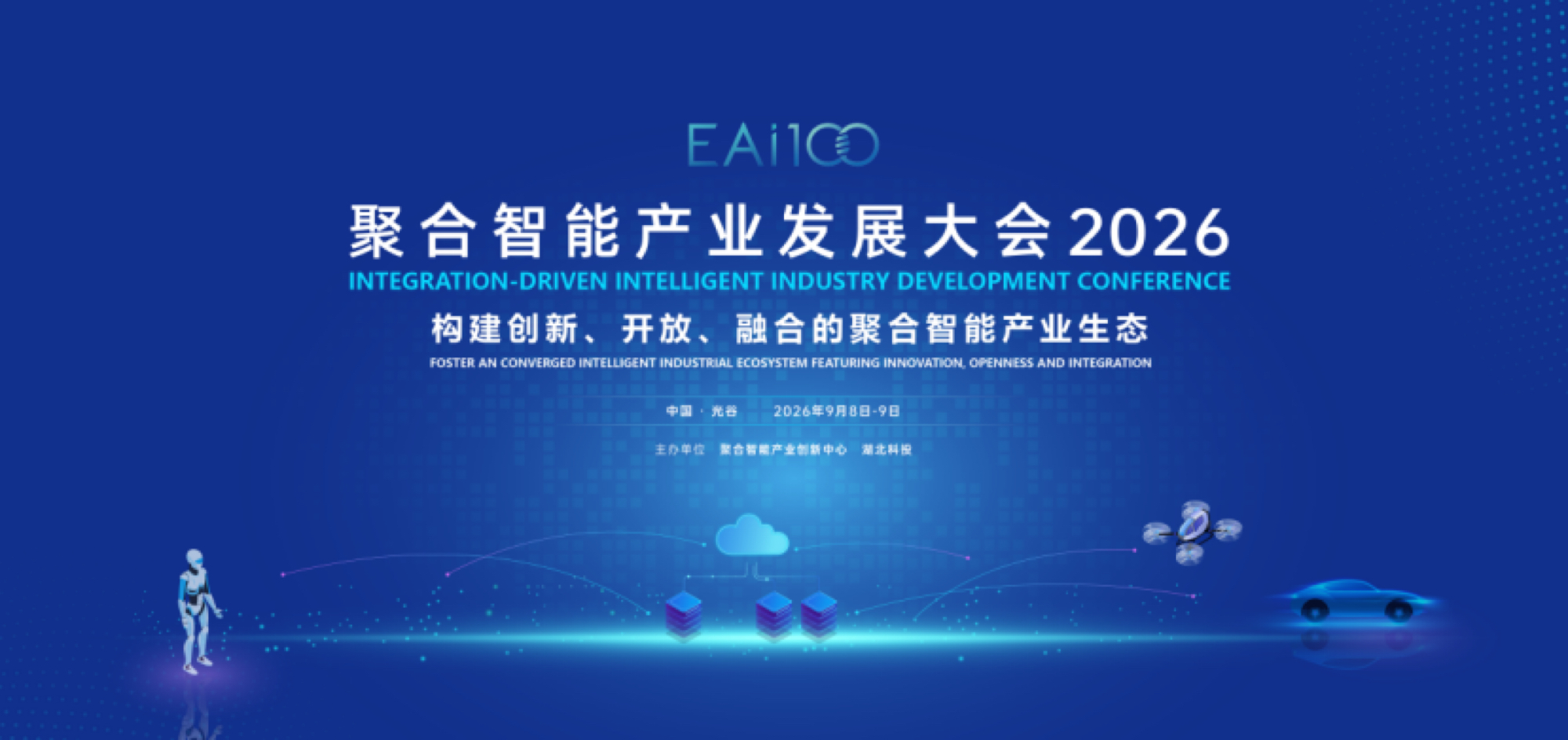
Focus on Smart Vehicles, Embodied AI, and Low-Altitude Economy | 2026 Aggregated Intelligence Industry Development Conference to be Held in Optics Valley
Exclusive Visit to a Halted Robot Data Collection Site: Is Embodied AI Recalculating the Data Equation?
4.5 Billion RMB in Funding, One Hand, and an Ice Cream Shop
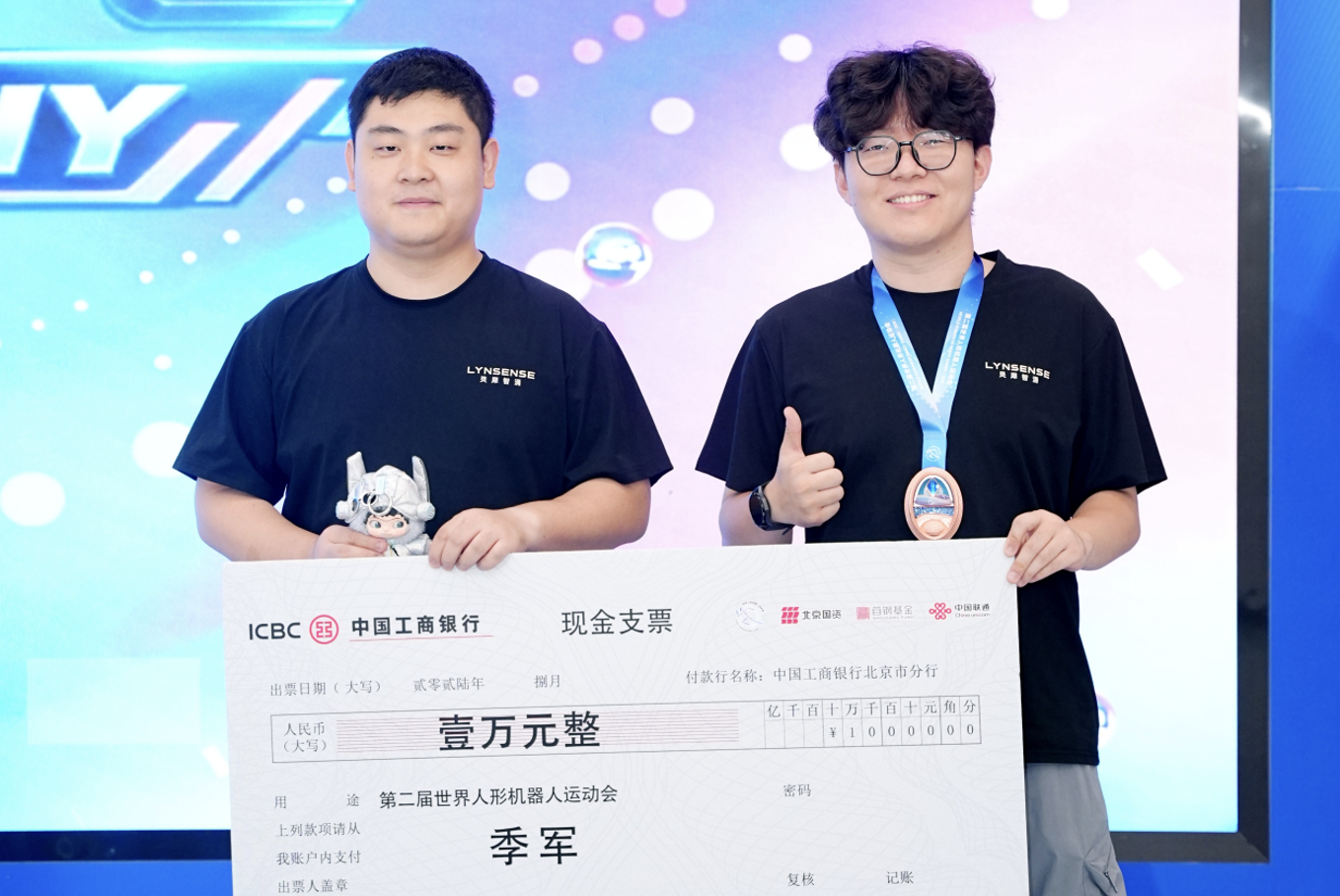
Becoming a Top-Three National Player in Months, Lingxi Zhiyong Brings ROSS Harness to the Industrial Arena
Latest
Chatting with Wang Xiaofeng on Gigaworld-1: When World Models Become the Physical Referees for Embodied AI
As physical evaluation bottlenecks slow down embodied foundation model iteration, Flexiv and Tsinghua University release GigaWorld-1, using world models as evaluators to reduce reliance on real-world robot testing. Wang Xiaofeng discusses how this approach can accelerate development cycles.
Beyond Prediction: Xiaomi Turns World Models into Data Engines
Xiaomi has open-sourced U0, a 38B-parameter multimodal model that integrates five embodied synthesis functions. By treating embodied generation as a natural extension of foundation models rather than domain-specific fine-tuning, U0 acts as an expandable data engine, significantly enhancing robot generalization in real-world scenarios.
LimX Dynamics, Having Raised $400 Million in Half a Year, Accelerates IPO Timeline
Embodied AI unicorn LimX Dynamics announces a nearly $200 million Pre-IPO round, bringing its half-year total to $400 million and pushing its IPO process forward.
Moving Codex and CC into Robot Training? Zhu Yuke and Jim Fan’s Latest Work on Embodied Continuous Learning Systems
The new paper ASPIRE introduces a continuous learning system for embodied AI, where agents debug robot failures using execution traces, evolve solutions, and build reusable skill libraries.
The First Embodied AI Stocks in the US and China: What Routes Have Unitree and Agility Taken?
Agility Robotics and Unitree Technology represent two diverging paths for embodied AI commercialization. Agility focuses on specialized, vertical integration in logistics and manufacturing, while Unitree pursues a broad, horizontal hardware platform strategy to lower costs and expand ecosystems.
Behind the Unitree Controversy, NVIDIA's New Computing Power Business
NVIDIA is leveraging partnerships like the one with Unitree to build a "CUDA ecosystem" for robotics. By standardizing hardware interfaces and simulation tools, NVIDIA aims to turn embodied AI into a new, scalable demand for GPU computing power.
Nvidia Uses SimFoundry to Bridge the Last Mile of Robot Real2Sim
Nvidia and Stanford's Fei-Fei Li team released SimFoundry, an automated Real2Sim infrastructure that transforms real-world environments into high-fidelity simulations for scalable robot policy training.
KEMO: Equipping VLA with a 'Memory Plugin' Boosts Long-Horizon Task Performance by 23.6%
XDOF releases KEMO, an event-driven keyframe memory plugin for VLA models that improves long-horizon manipulation success rates by 23.6% without retraining the base model.
Xiaoyu ZhiZao's Qiao Zhongliang First Proposes 'Embodied Dividend', Three Technologies Launched Alongside First Welding Robot
At the 2026 Global Digital Economy Conference, Xiaoyu ZhiZao unveiled its first welding robot and three core technologies. CEO Qiao Zhongliang introduced the concept of 'Embodied Dividend,' defining it as using Embodied AI to create scalable silicon-based labor for heavy industrial tasks.
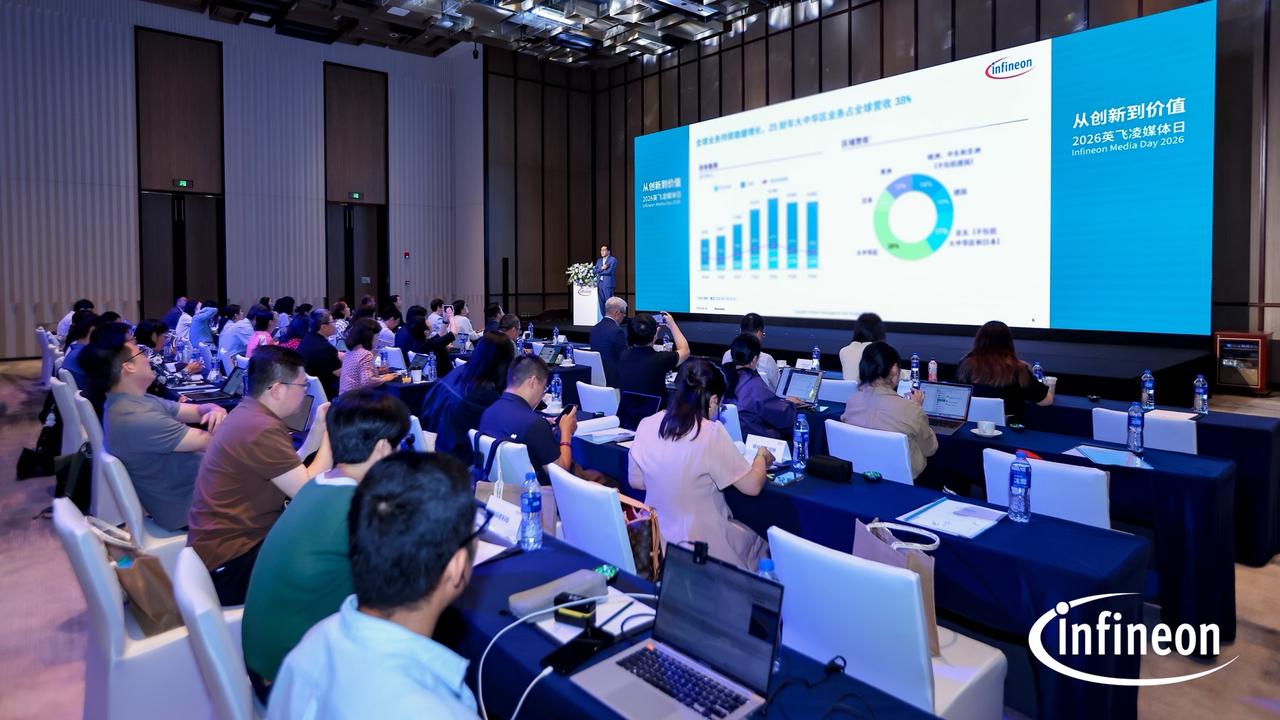
Infineon Deepens China Layout: Shanghai Innovation Space Officially Opens, Three Business Architecture Optimized
Infineon officially opens its Shanghai innovation space, reinforcing its 'In China, For China' strategy. The company optimizes its structure into three divisions—Automotive Electronics, Power Systems, and Terminal Intelligence—to address surging AI computing and power demands.