
Signals that matter in technology
We track research, AI models, data, and industry developments to bring you the technology stories that matter.
Popular

LimX Dynamics, Having Raised $400 Million in Half a Year, Accelerates IPO Timeline

Moving Codex and CC into Robot Training? Zhu Yuke and Jim Fan’s Latest Work on Embodied Continuous Learning Systems
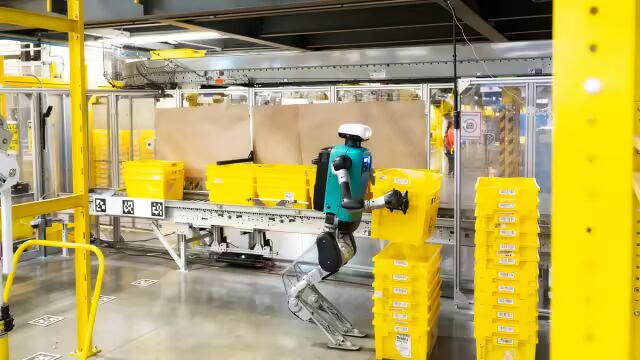
The First Embodied AI Stocks in the US and China: What Routes Have Unitree and Agility Taken?
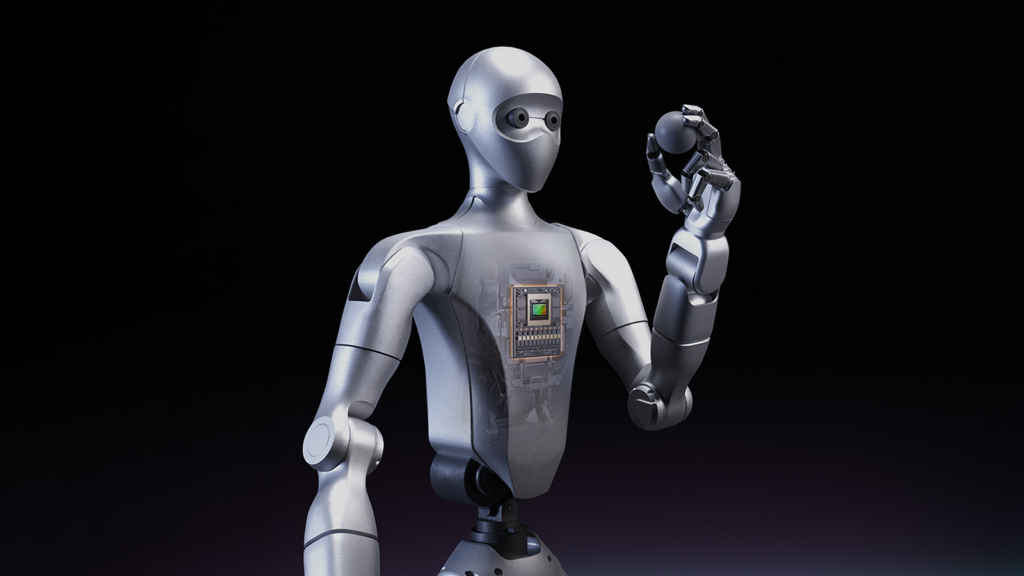
Behind the Unitree Controversy, NVIDIA's New Computing Power Business
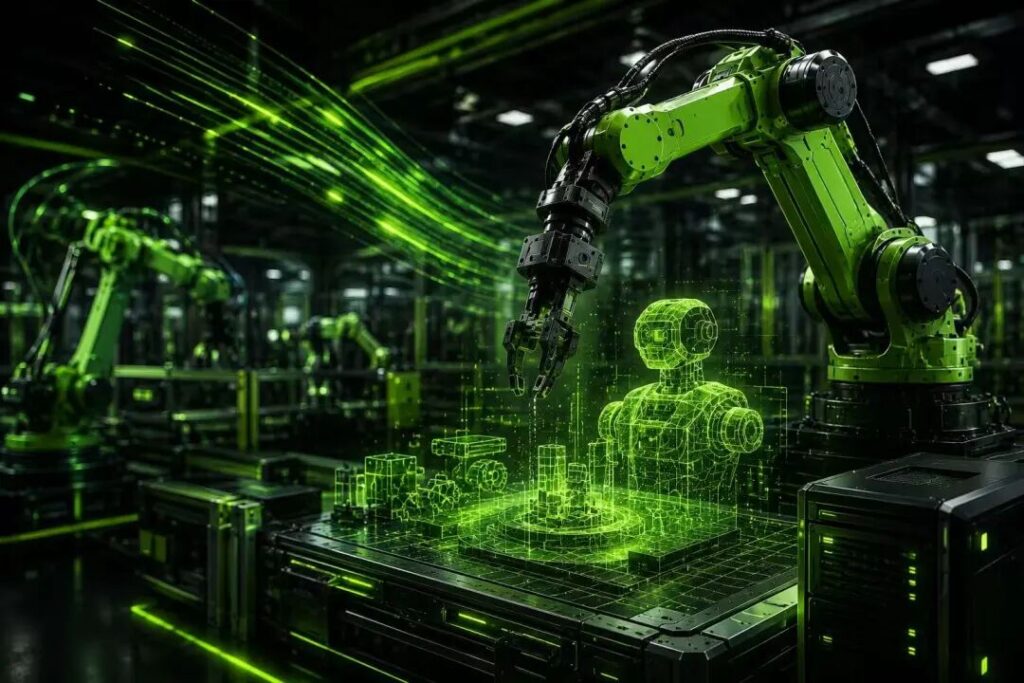
Nvidia Uses SimFoundry to Bridge the Last Mile of Robot Real2Sim
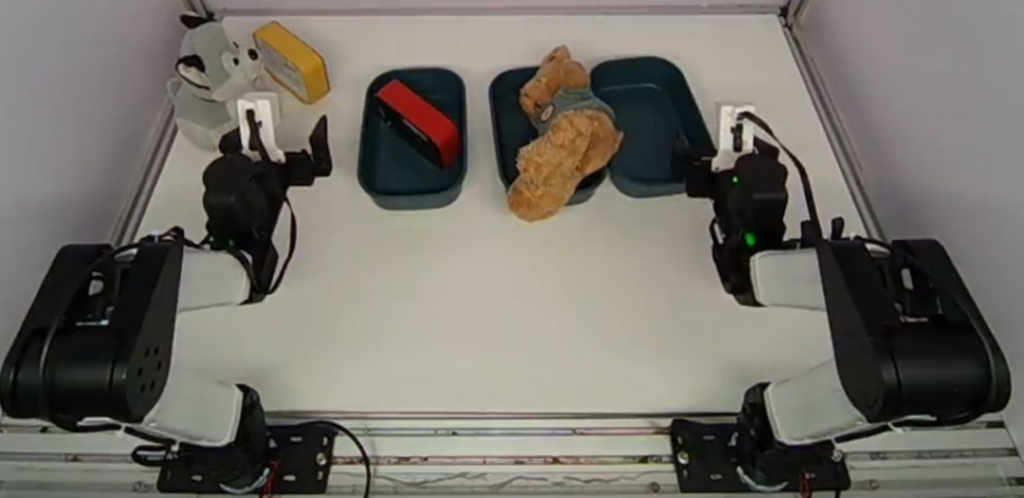
KEMO: Equipping VLA with a 'Memory Plugin' Boosts Long-Horizon Task Performance by 23.6%

Xiaoyu ZhiZao's Qiao Zhongliang First Proposes 'Embodied Dividend', Three Technologies Launched Alongside First Welding Robot
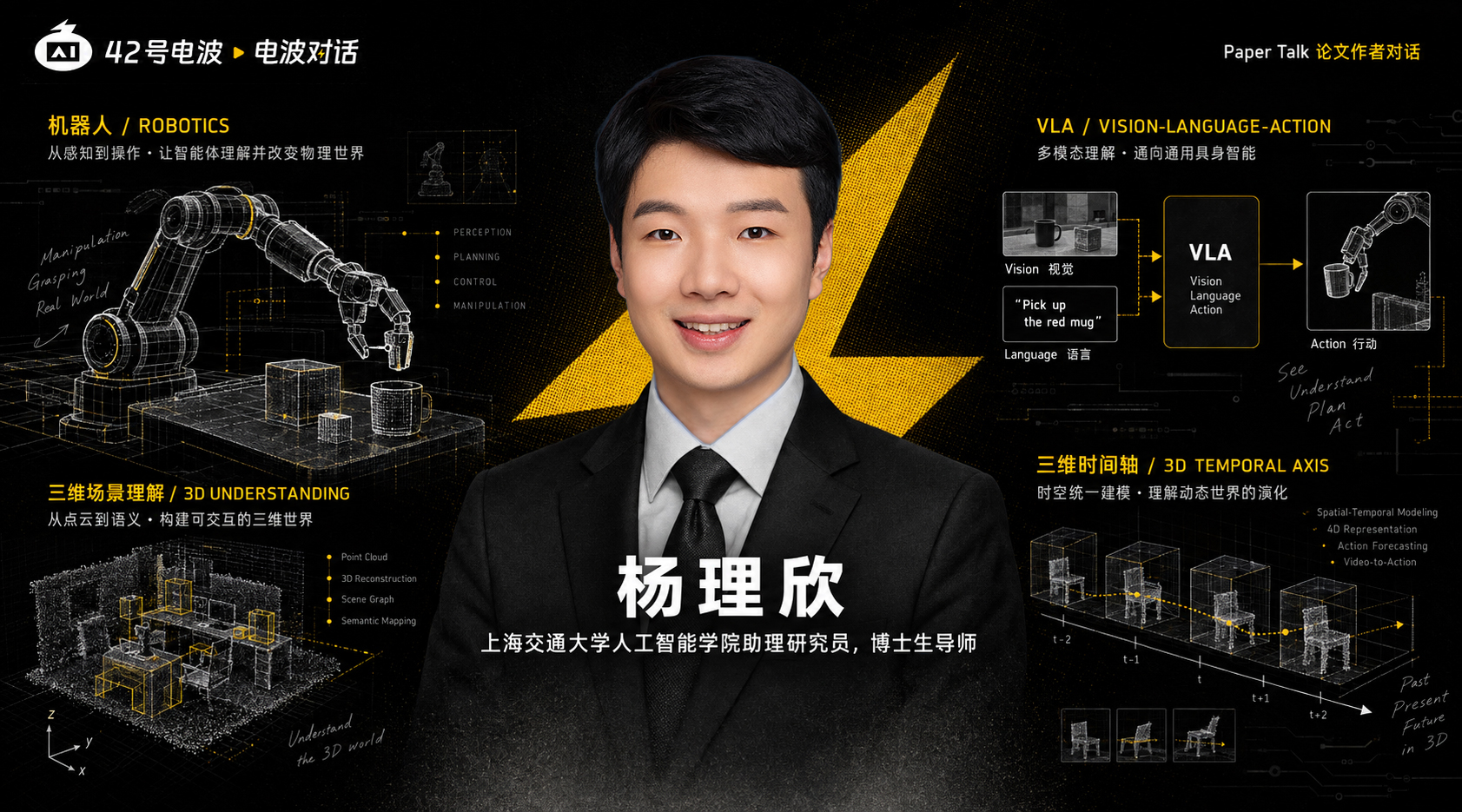
Interview with Shanghai Jiao Tong University’s Yang Lixin: Why Robots Need a '3D Timeline'
Exclusive Visit to a Halted Robot Data Collection Site: Is Embodied AI Recalculating the Data Equation?

4.5 Billion RMB in Funding, One Hand, and an Ice Cream Shop

Why Did Zhiyuan Suddenly Become the 'Medal Harvesting Machine' of the Robot Games?

Exclusive Interview with Zhou Shunbo: We Can Build a Robot People Love, Even Without AGI
Beyond the Model: Ego2Robot Brings Data Processing Pipelines Back to the Spotlight
Shanghai Jiao Tong University's Lu Cuwu, Zhejiang University teams propose Track4Action: Distilling the '3D World After Action' into VLA

Three Major Embodied AI Works from China, US, and Korea: Connecting the Present and Future of Robot Agents

Yann LeCun Praises INTACT: ZJU’s Sun Junhan and Tsinghua’s Zhao Hao Eliminate the 'Search Tax' from JEPA World Models

First! 30 Researchers from Peking University, NTU, and Others Collaborate to Clarify the Embodied Data Pyramid

0.04B Unified for Heterogeneous Cameras: Discussing the Trade-offs of X-Lens with Sui Wei from Digua Robotics

Open-Sourcing Three Major Models: Tencent Robotics Is 'Overtaking'

Chatting with Wang Xiaofeng on Gigaworld-1: When World Models Become the Physical Referees for Embodied AI
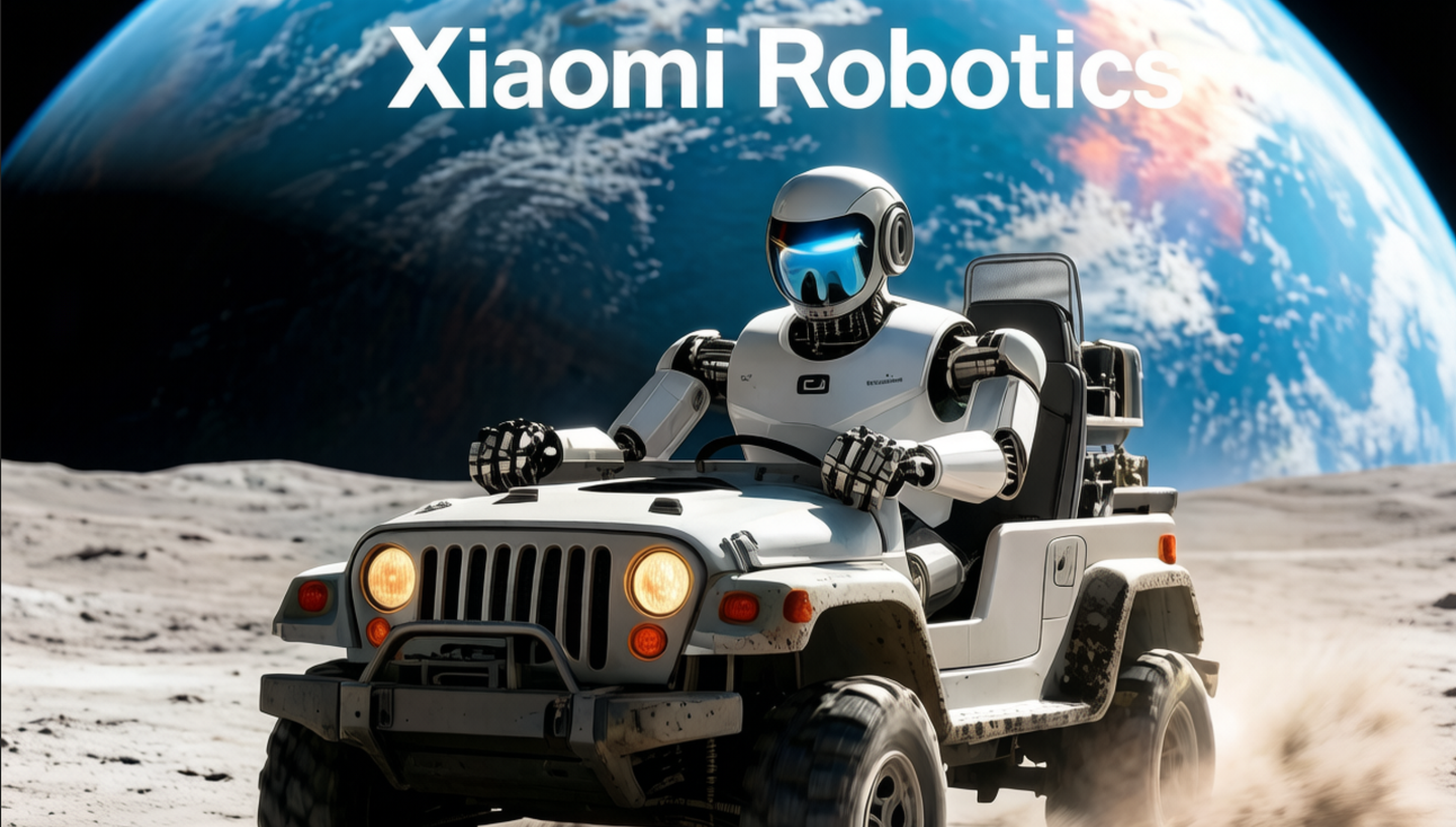
Beyond Prediction: Xiaomi Turns World Models into Data Engines
LimX Dynamics, Having Raised $400 Million in Half a Year, Accelerates IPO Timeline
Moving Codex and CC into Robot Training? Zhu Yuke and Jim Fan’s Latest Work on Embodied Continuous Learning Systems
The First Embodied AI Stocks in the US and China: What Routes Have Unitree and Agility Taken?
Behind the Unitree Controversy, NVIDIA's New Computing Power Business
Nvidia Uses SimFoundry to Bridge the Last Mile of Robot Real2Sim
KEMO: Equipping VLA with a 'Memory Plugin' Boosts Long-Horizon Task Performance by 23.6%
Xiaoyu ZhiZao's Qiao Zhongliang First Proposes 'Embodied Dividend', Three Technologies Launched Alongside First Welding Robot
Interview with Shanghai Jiao Tong University’s Yang Lixin: Why Robots Need a '3D Timeline'
Exclusive Visit to a Halted Robot Data Collection Site: Is Embodied AI Recalculating the Data Equation?
4.5 Billion RMB in Funding, One Hand, and an Ice Cream Shop
Why Did Zhiyuan Suddenly Become the 'Medal Harvesting Machine' of the Robot Games?
Exclusive Interview with Zhou Shunbo: We Can Build a Robot People Love, Even Without AGI
Beyond the Model: Ego2Robot Brings Data Processing Pipelines Back to the Spotlight
Shanghai Jiao Tong University's Lu Cuwu, Zhejiang University teams propose Track4Action: Distilling the '3D World After Action' into VLA
Insights

Focus on Smart Vehicles, Embodied AI, and Low-Altitude Economy | 2026 Aggregated Intelligence Industry Development Conference to be Held in Optics Valley
Exclusive Visit to a Halted Robot Data Collection Site: Is Embodied AI Recalculating the Data Equation?
4.5 Billion RMB in Funding, One Hand, and an Ice Cream Shop

Becoming a Top-Three National Player in Months, Lingxi Zhiyong Brings ROSS Harness to the Industrial Arena
Latest
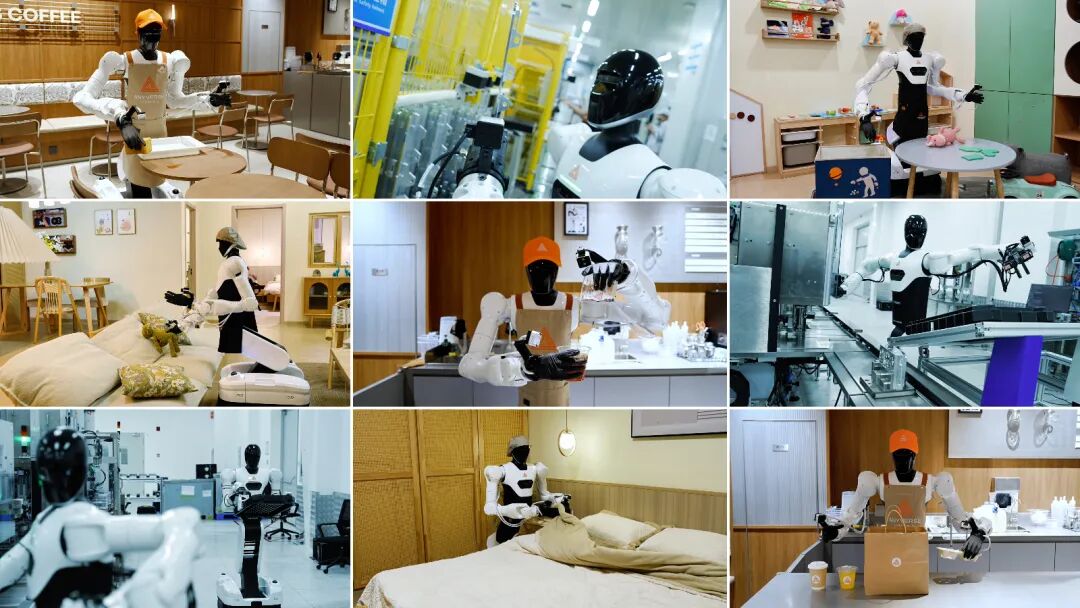
After Raising Hundreds of Millions in Funding, Top Rankings Achieved: WuJie Dynamics Releases MWA Latent Space World Model
WuJie Dynamics officially released the MWA Embodied General Brain, a latent space world model based on long-horizon bidirectional physical causal chains, and topped the RoboCasa GR1 TableTop leaderboard. The company recently completed a $200 million angel round.

Genesis AI Releases Eno: Robot Commercialization May Not Require a Humanoid Form
Genesis AI unveils Eno, a non-humanoid general-purpose robot with a foldable torso and advanced dexterous hands. The design prioritizes functional capability over human appearance, targeting industrial and laboratory applications first.

General Robotics Unveils AstraBrain-WBC 0.5: The GPT Moment for Humanoid Robot 'Cerebellum'
General Robotics launches AstraBrain-WBC 0.5, the world's first general-purpose cerebellum foundation model for humanoid robots. With 80.4 million parameters, it becomes the first in its field to reach the GPT-1 scale, addressing the trade-off between agility and generalization in motion control.

From Zhiyuan's 6-Day Factory Operations, Viewing the 'Deployment Phase' Turning Point of Embodied AI
Zhiyuan's Genie G2 robots completed over 11,000 tablet quality inspections with a 99.985% success rate in a transparent 6-day factory trial, marking the industry's shift from experimental 'development phase' to scalable 'deployment phase'.
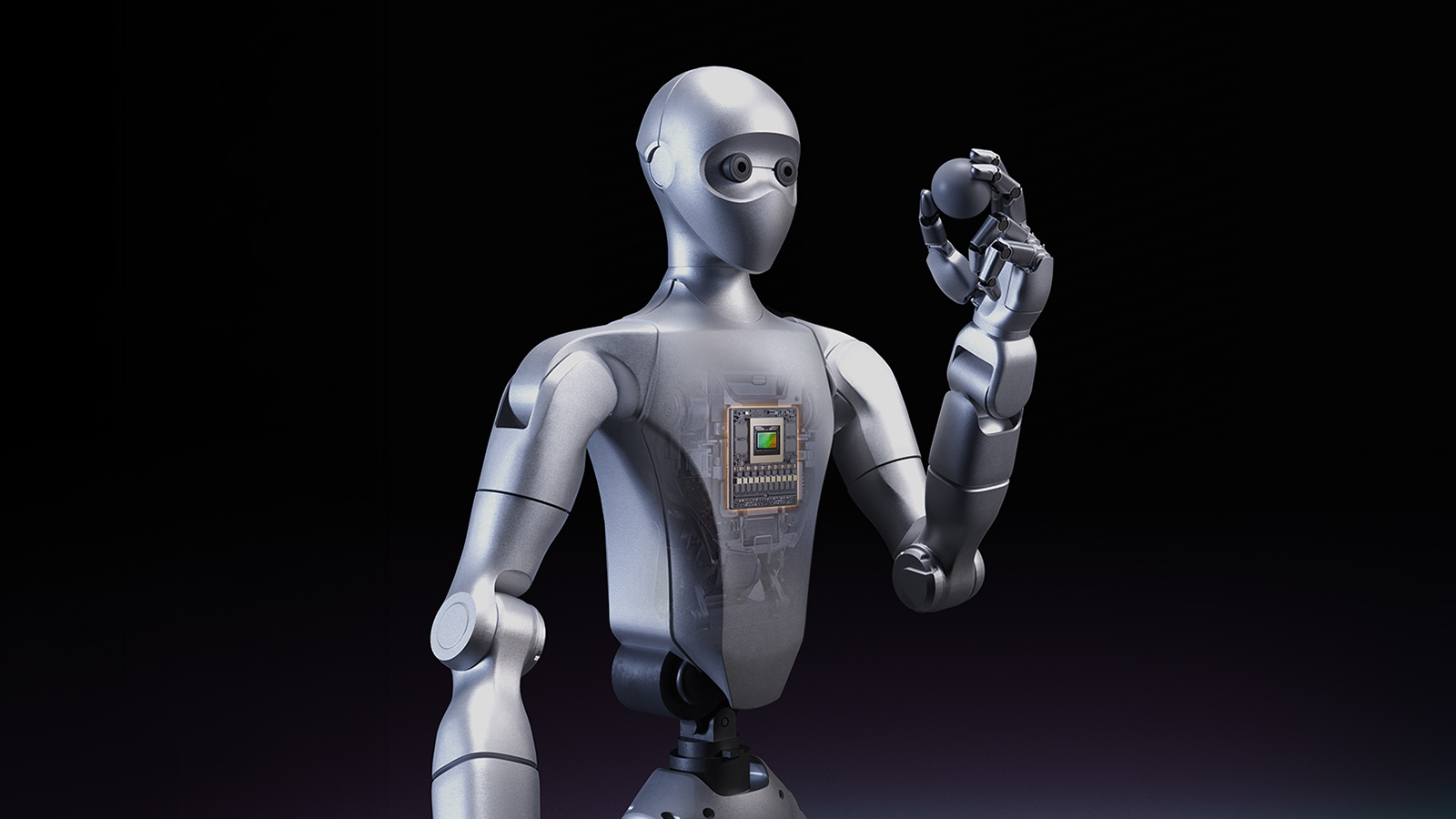
Behind the Unitree Controversy: NVIDIA's New Compute Business
While Unitree faces regulatory scrutiny, NVIDIA is leveraging its Isaac GR00T reference design to build a 'CUDA-like' ecosystem for embodied AI, turning robot training into a sustainable compute business.
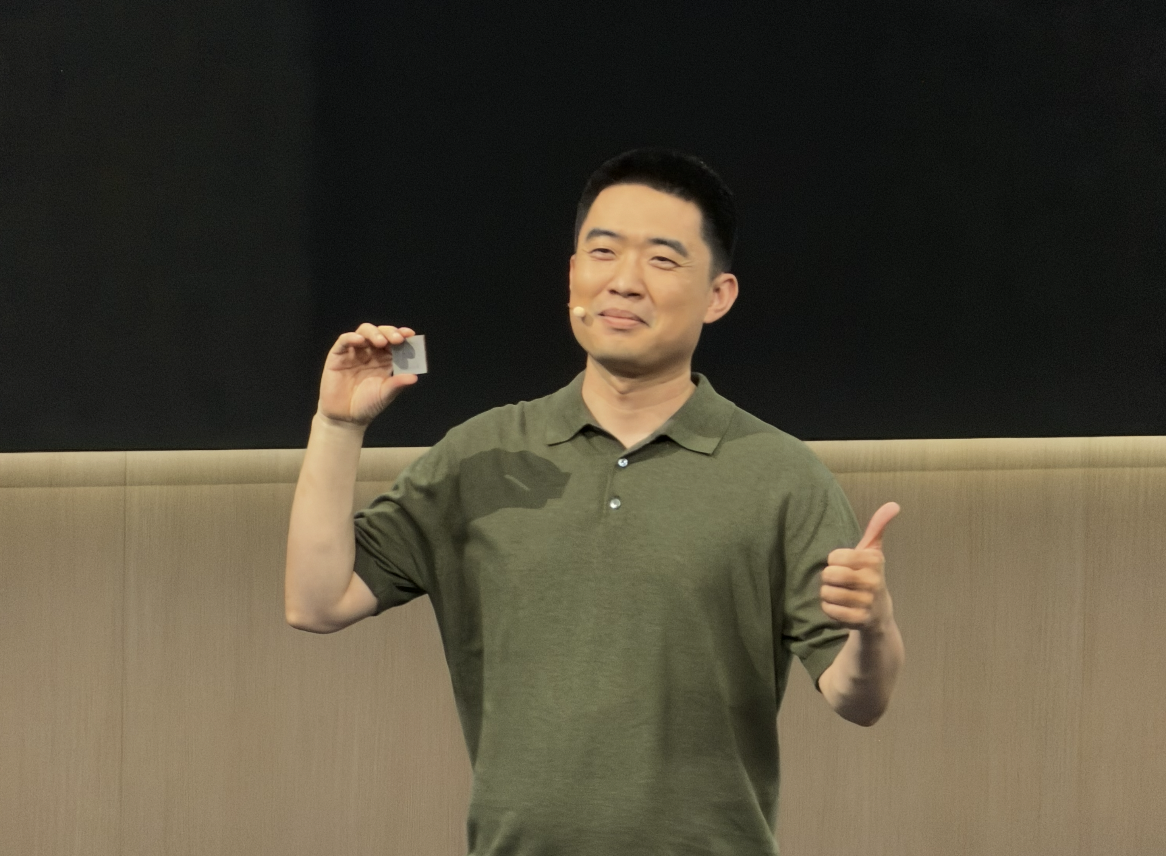
Li Auto's Livis Day: Moving Beyond Car Manufacturing to Define Embodied AI
At Livis Day, Li Auto unveiled its transition from a traditional automaker to an AI-driven company, showcasing new chips, embodied AI models, and concrete OTA milestones for 2026.
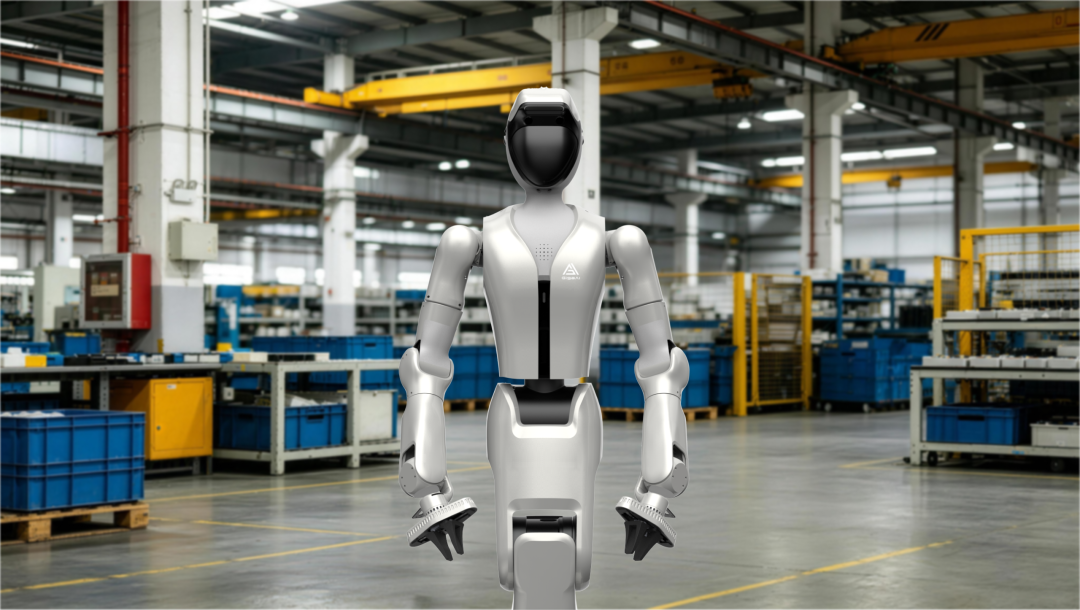
JiJia Vision Secures Another 1 Billion RMB in Funding: How World Models Are Entering Homes and Factories?
JiJia Vision has completed a 1 billion RMB B2 round of financing, bringing its total funding to 3.5 billion RMB in just three months. The company is leveraging its "Dual Pyramid" data and algorithm system to deploy embodied AI with world models in both C-end home scenarios and B-end industrial applications.

Robots Are Starting to 'Eat Data': From Indian Data Factories to the Hidden Supply Chain of Billion-Dollar Humanoid Robots
As Embodied AI companies face a critical data shortage, a new supply chain is emerging. This article explores how human demonstration data, particularly Ego Data from low-cost labor hubs like India, is becoming the key asset in training general-purpose humanoid robots.

Starting from Bottom-Up Instincts, Oakfruit Robotics Unveils 'Instinct-Driven' Technical Route
Oakfruit Robotics has released its 'instinct-driven' technical route for Embodied AI, adopting a bottom-up approach where robots acquire operational instincts at the foundational level and autonomously emerge with intelligent manipulation through interaction with the physical world.
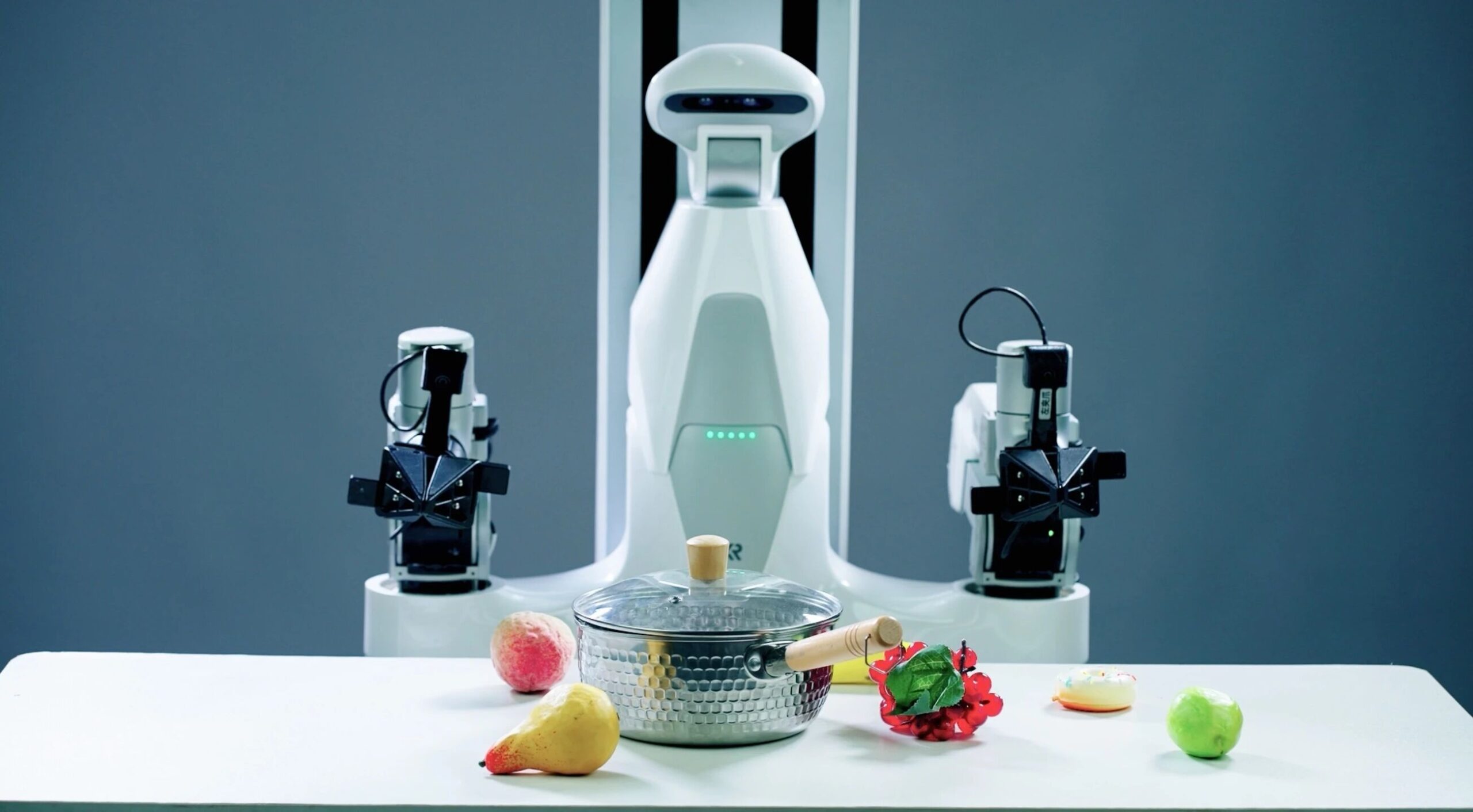
Can VLA Models Finally Do Away with Post-Training? Self Variable's Open-Source WALL-OSS-0.5 Deploys Directly from Pre-training
Self Variable Robotics has open-sourced WALL-OSS-0.5, an Embodied AI foundation model that achieves strong zero-shot generalization on real robots directly after pre-training, challenging the industry norm that VLA models require post-training for deployment.